Adelaide Cup Day brings the theater of the racetrack to life with a mix of sport, style, and shared traditions. Centered on the Adelaide Cup at Morphettville Racecourse, the day is built around a classic long-distance thoroughbred contest, but the appeal stretches well beyond the finish line.
For some, it is about analyzing form and cheering home a stayer. For others, it is about the outfits, the people-watching, and the satisfying buzz of a big day out.
Part race meeting and part social showcase, Adelaide Cup Day has a reputation for doing many things at once. It offers a marquee race, a full card of supporting events, and plenty of places to gather, snack, and celebrate.
Whether someone attends in person, tunes in from home, or simply enjoys the extra time off with friends and family, the day has a way of turning ordinary plans into something a little more festive.
Adelaide Cup Day Timeline
First Organized Horse Race Meeting in South Australia
Wealthy settlers staged South Australia’s first recorded race meeting on New Year’s Day in a paddock at Thebarton near Adelaide, helping embed horse racing in the colony’s social life.
Inaugural Adelaide Cup at Thebarton
The South Australian Jockey Club runs the first Adelaide Cup over two miles at Thebarton Racecourse with stakes of 500 sovereigns, drawing thousands of spectators to the new feature race.
Opening of Morphettville Racecourse
Morphettville Racecourse stages its first meeting under the South Australian Jockey Club, providing a permanent metropolitan home that soon becomes the center of major Adelaide racing fixtures.
Adelaide Cup Interrupted and Shifted to Morphettville
Following financial troubles and the repeal of the totalizator, the Cup is run at Flemington in 1885, then lapses until the South Australian Jockey Club secures Morphettville and revives the race in 1889.
Adelaide Cup as a Group 1 Staying Handicap
With the introduction of Australia’s Group race classifications, the Adelaide Cup is rated a Group 1 event from 1979 until it is downgraded to Group 2 in 2007, reflecting shifts in national staying-race prestige.
History of Adelaide Cup Day
The story begins with the Adelaide Cup itself, first run on April 21, 1864, at Thebarton Racecourse. It arrived at a time when organized sport was becoming a stronger part of public life, and horse racing was already proving to be a powerful crowd-puller.
The inaugural event was a genuine spectacle, drawing thousands of spectators and setting the tone for what the Cup would become: a major occasion that combined competition with community gathering.
That first Adelaide Cup was won by a horse named Falcon, a detail that still gets a fond mention in retellings of the race’s early years. In those days, the Cup helped establish local racing credibility while also attracting interest from beyond the immediate area.
The race was organized through racing authorities that evolved into the South Australian Jockey Club, reflecting the way the sport matured from informal meetings into professionally run events with standards, rules, and growing public attention.
Like many long-running sporting institutions, the Adelaide Cup has had to navigate history rather than glide above it. Interruptions did occur, and not for lack of enthusiasm. During World War II, a wartime ban on racing meant the Adelaide Cup was not held in 1942 and 1943.
The pause underscores how closely public events are tied to wider circumstances, even when a community would happily keep cheering and dressing up regardless.
Over time, the Cup found its lasting association with Morphettville, a venue that became synonymous with Adelaide’s major race days.
The Cup has been run at different locations across its long history for various reasons, but Morphettville is the place most people picture when they think of Adelaide Cup Day: grandstands, the lawn, the parade ring, and the particular excitement that builds as the main race approaches.
As the Adelaide Cup grew in stature, it also grew in meaning. It became a marker in the sporting calendar and, eventually, a recognized day off for many. The public holiday status, introduced in the early 1970s, signaled that the event had moved beyond being merely popular to being culturally significant.
Making it easier for people to attend, gather, and celebrate did not just increase crowds at the track. It also encouraged the broader “race day” traditions that happen away from the venue, including watch parties, long lunches, and family outings.
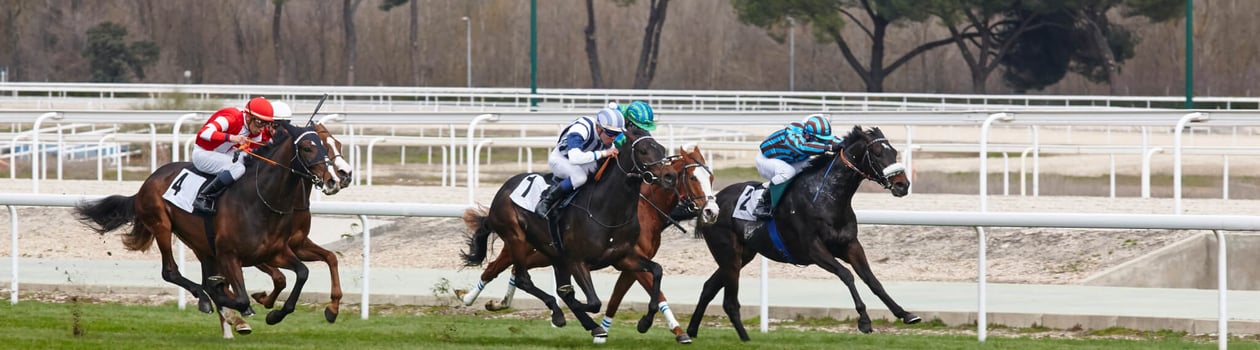
The Cup itself is a demanding race. Run over 3,200 meters, it sits squarely in the category of staying contests, where patience and stamina can matter as much as speed. The distance invites strategy, with jockeys balancing tempo, position, and timing.
It also shapes the kinds of horses that succeed, favoring those with the ability to keep finding more in the final stretch. In modern racing terms, the Adelaide Cup is classified as a Group 2 event, which places it among the higher-profile races while still preserving the open, competitive feel that handicap conditions are designed to create.
Another notable shift in the Cup’s modern identity is its place in the season. The Adelaide Cup is run in March, a move that helped shape the current style of Adelaide Cup Day as a warm-weather gathering with a lively outdoor feel.
While racing fans may debate the best month for a staying race, the practical effect is clear: a better chance of comfortable conditions for spectators and an easier time building the kind of all-day atmosphere the event is known for.
Through all the changes, one thing remains consistent: Adelaide Cup Day is not only about a single race, but about what that race sets in motion. It is a long-standing example of how sport can become a social ritual, with generations building their own traditions around a shared public event.
How to Celebrate Adelaide Cup Day
Celebrations on Adelaide Cup Day can be as on-track or off-track as people want them to be. At Morphettville, the experience typically blends live racing with entertainment and hospitality.
The schedule is designed to keep the energy up throughout the day, with multiple races creating natural peaks of excitement and plenty of time in between for chatting, strolling, and soaking up the scene.
For racegoers who love the sport itself, Adelaide Cup Day offers a chance to watch thoroughbreds tackle a true staying distance. The 3,200-meter Cup is not a quick dash. It rewards a different kind of racing intelligence, including pace judgment and positioning, and it can produce dramatic finishes when tired horses dig deep.
Even casual viewers can enjoy learning the basics of how staying races unfold: the early settling, the mid-race moves, and the final push when a jockey asks for everything.
Betting is also part of the tradition for many fans, and it can be approached in a way that stays light and social.
A small wager can add extra tension to the final moments, but it is equally common for people to participate in informal games that keep the focus on fun rather than finances. The key is treating it as a side activity, not the whole point of the day.
Off the track, Adelaide Cup Day is famous for its social side. Fashion competitions, themed gatherings, and long lunches have become closely associated with the event, turning it into a day where presentation is part of the entertainment.
Whether someone attends in a statement hat or a favorite outfit that simply feels special, the tradition is really about joining in and making the day feel different from an ordinary weekend.
Dress Up in Your Finest
Adelaide Cup Day has a long-running reputation as a “dress to impress” occasion. For many attendees, choosing an outfit is part of the ritual, right up there with picking a horse to cheer for. The usual race day style cues apply: bright colors, polished shoes, and accessories that look made for being photographed near a track railing.
The fun is in the details. Hats and fascinators often steal the show, offering a playful way to be dramatic without saying a word. Suits and tailored looks give the day a classic feel, while modern outfits bring in personal flair.
Many race meetings include best-dressed competitions or fashion-focused moments, and even when someone is not aiming for a prize, the shared effort adds to the sense of occasion.
For anyone new to race day fashion, it helps to plan for comfort as well as style. Shoes should handle standing and walking, and outfits should suit outdoor conditions. A well-chosen layer, sunscreen, and a practical bag can keep the day enjoyable long after the novelty of looking sharp has worn off.
Host a Backyard BBQ
Not everyone celebrates at the track, and that is part of Adelaide Cup Day’s charm. A backyard BBQ offers an easy, welcoming way to bring the event into a home setting. The formula is simple: good food, a place to sit, and a way to follow the races.
A host can build the menu around classic cookout favorites, or go a little upscale to match the “big day” vibe. Grazing boards, fresh salads, and shareable desserts can make it feel more like an event than an ordinary get-together.
Setting up a simple dress code, even something like “wear a hat” or “dress like you are heading to the track,” can add a playful theme without making guests feel obligated to go over the top.
For families, a BBQ is also a chance to make the day inclusive. Lawn games, a small “best dressed” parade, or a friendly vote for “most creative hat” can let kids participate in a way that fits the spirit without needing to understand racing strategy.
Place Friendly Bets
A little friendly wagering can add suspense, especially for people who do not follow racing closely. The trick is keeping it social and low-stakes. Office pools, family pick sheets, or a “draw a horse name from a hat” game can create cheering interests across a group without anyone needing deep knowledge.
For those who want to understand the sport a bit more, the Adelaide Cup is a good race to learn from because the distance highlights tactics. Conversations can revolve around simple, approachable questions: Which horses have run well over longer distances? Which jockeys are known for patient rides? Which trainers tend to target staying races? Even a quick look at a race card can turn random picks into informed guesses.
It also helps to set a tone early. Agreeing on a spending limit, or choosing a points-based competition rather than real money, keeps the focus where it belongs: shared excitement, friendly rivalry, and the joy of cheering together.
Picnic at the Park
A picnic is a relaxed alternative for people who want fresh air and a festive mood without the grandstands. It fits Adelaide Cup Day well because the event naturally encourages people to gather. A blanket, a cooler, and a few favorite snacks can turn an ordinary park visit into a mini celebration.
Picnic food can mirror the “race day” feel with easy upgrades: sparkling drinks, fancy sandwiches, fruit, and treats that feel a little special. Some groups bring a portable speaker for music, or tune in to race updates if they want to keep an eye on results. Others simply treat the day as an excuse to spend time outside, letting the Cup be the background atmosphere rather than the main activity.
A picnic also offers room for traditions. People can wear their race-day outfits to the park, stage a quick hat contest, or pack a small set of cards for a “pick the winner” game. It keeps the vibe light while still feeling connected to the bigger event.
DIY Fashion Show
For anyone who loves the style element of Adelaide Cup Day, a DIY fashion show is an easy way to lean into the fun. It works especially well for families, friend groups, or anyone looking for a creative activity that does not require a ticket or a trip.
The setup can be delightfully simple: a “runway” made from a hallway or backyard path, a playlist of upbeat music, and a few categories for awards. Instead of focusing only on expensive outfits, categories can reward creativity and humor, such as “best homemade hat,” “boldest color choice,” or “most dramatic entrance.” That approach keeps it accessible and encourages everyone to participate, even if their “race day look” is built from closet basics and a little imagination.
Adding light commentary can make it feel like a real event, and photos can become part of the tradition year after year. In the spirit of Adelaide Cup Day, the point is not perfection. It is the shared effort, the laughter, and the momentary feeling that something ordinary has been transformed into a special occasion.
Celebrate the Legacy of Adelaide Cup Day
Adelaide Cup Day is more than a horse race—it’s a tradition shaped by history, innovation, and social influence.
From its colonial beginnings to modern racing technology and changing venues, the event reflects the evolution of South Australia’s racing culture and the role it has played in the region’s identity for nearly two centuries.
Early Colonial Horse Racing Shaped Adelaide’s Elite Society
Organized horse racing in South Australia dates back to New Year’s Day 1838, when the colony’s first race meeting was held on a paddock at Thebarton near present‑day Adelaide.
Contemporary reports describe the sport as dominated by “moneyed, influential men,” with races quickly becoming a stage for political networking, business deal‑making, and the display of wealth in horses, carriages, and fashion, helping to cement a social hierarchy in the young colony.
Morphettville Helped Modernize Australian Racing Technology
Morphettville Racecourse, home of South Australian metropolitan racing, was an early adopter of racing technology that later became standard across Australia.
The South Australian Jockey Club’s official history notes the reintroduction of the totalisator in 1889, the installation of a photo‑finish camera in 1951, the use of starting stalls in 1955, and the introduction of quinella betting in 1958, reflecting how the venue functioned as a testbed for innovations in wagering and race integrity.
Thebarton Racecourse Fell Victim to Dust, Industry, and Debt
Before racing consolidated at Morphettville, the colony’s key meetings were held at Thebarton, on the outskirts of Adelaide.
Historical accounts describe Thebarton’s decline as a racing venue being driven by mounting debt, poor access, and worsening conditions as nearby industry and brickworks filled the air with dust, prompting owners and administrators to seek a more suitable and prestigious permanent home for major races.
Long-Distance Handicap Racing Is Now Rare in Australia
The Adelaide Cup’s 3,200‑meter distance places it in a shrinking category of true “staying” handicap races in Australia.
Racing reference sources note that while such long trips for older horses were once common in the 19th and early 20th centuries, modern breeding has favored speed over stamina, which has led to a national program dominated by sprint and middle‑distance events and left only a handful of two‑mile handicaps, notably those in Adelaide and Melbourne.
Racing Events Drive a Multi‑Million‑Dollar Visitor Surge in “Mad March”
South Australia’s official tourism data shows that the long weekend that includes major races in March is part of a cluster of events that has become crucial to the state’s visitor economy.
The South Australian Tourism Commission projected around a $50 million injection into the visitor economy over one Cup long weekend and reported Adelaide hotel occupancy above 80 percent during “Mad March,” when racing, arts festivals, and music events together fill hotels, restaurants, and bars across the city.
Horse Racing Helped Embed Legalized Betting in Australian Culture
Legal wagering on horse racing in South Australia has deep roots in the totalisator, a pari‑mutuel betting system first introduced in the 19th century and later reinstated at Morphettville in 1889 after earlier controversy.
Historical records from the South Australian Jockey Club show how on‑course betting systems, once contentious, evolved into a tightly regulated part of the state’s revenue base and normalized the idea of placing small bets as a routine part of attending a race meeting.
Iconic Stayers Used Adelaide as a Springboard to National Fame
Several horses that became Australian racing legends first proved their stamina in Adelaide’s major staying race before winning marquee events elsewhere.
Racing archives list champions such as Malua, Rain Lover, Reckless, Hyperno, and Just A Dash among Adelaide staying winners that went on to secure victories in or around Melbourne’s major spring features, highlighting how South Australia’s distance races have long served as proving grounds for elite stayers.