
Celebration Day is an opportunity to pause and reflect on the people who have shaped our lives but are no longer with us.
It’s not a gloomy day, but one filled with warmth, small gestures, and gentle memories.
Some people share stories that bring smiles, others plant seeds that grow into lasting symbols, and many simply carry thoughts in their hearts.
The point is simple: remembering can feel uplifting when it is done together.
What makes this day special is how it turns private grief into shared connection. Instead of silence, people open up—wearing a small badge, posting a story, or planting wildflowers in a park.
Every action, no matter how small, says “you mattered.” In doing so, the day helps loss feel lighter and creates a community built on love, not absence.
Celebration Day Timeline
Early Christian commemorations of the dead
Monastic communities in Europe begin holding annual liturgies to pray collectively for deceased members, shaping later Christian remembrance customs.
Formalization of All Souls’ Day
Abbot Odilo of Cluny orders all Cluniac monasteries to observe November 2 as a day of prayer for “all the dead,” spreading a shared, communal focus on the departed.
Mesoamerican and Catholic traditions blend
In colonial Mexico, indigenous death rituals merge with the Catholic calendar around All Saints and All Souls, helping shape Día de los Muertos as a joyful remembrance of loved ones.
Two‑minute silence and modern war remembrance
King George V calls for a two‑minute silence on November 11 to honor war dead, establishing a powerful public ritual of collective remembrance still used worldwide.
Kübler‑Ross and stages of grief
Psychiatrist Elisabeth Kübler‑Ross publishes “On Death and Dying,” bringing open discussion of grief into the public sphere and challenging taboos around talking about loss.
“Continuing bonds” in grief psychology
Dennis Klass, Phyllis Silverman, and Steven Nickman publish “Continuing Bonds,” arguing that maintaining an ongoing connection to the dead can be healthy, influencing modern remembrance practices.
Rise of digital memorials
Websites and later social media begin hosting online memorial pages, allowing people to share stories, images, and messages about the deceased, turning private grief into shared, networked remembrance.
How to Celebrate Celebration Day
Try one of these ideas to honour someone meaningful this special day in a caring, personal way.
Plant wildflower seed
Collect free “Seeds of Memory” at many National Trust bookshops. Scatter them in your garden, or gift them to others.
That act helps roots grow in someone’s honour, and adds living colour. Choose a quiet corner and water the soil.
Each bloom becomes a reminder of love that continues to flourish. Invite children to help, showing them how memory can nurture life.
Wear a star pin
Pick up a star-shaped badge in stores like WHSmith to show you remember. Wear it with pride and share their name.
Keep the pin close throughout the day as a visible sign of connection. Encourage friends to wear one too, creating a shared moment of remembrance.
These small symbols can start conversations that bring comfort.
Share a fond memory online
Post a short memory using the hashtag #ShareYourStar. Join others in showing how stories help grief turn into warmth.
A single line about laughter or kindness can reach strangers and spark smiles. Reading posts from others reminds you that grief unites us.
Digital spaces become places of comfort when voices gather in harmony.
Plant a living legacy
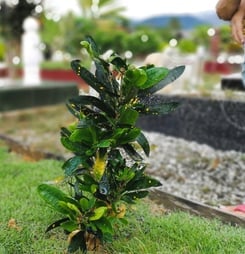
Choose a tree or plant in memory of a loved one. Watch it grow, remind yourself of life’s cycles. Pick something hardy that will thrive with care, like a fruit tree or rose.
Returning to it gives moments of peace, season after season. Invite neighbours or relatives to join in, turning planting into a shared ritual.
Speak about your loved one aloud
Invite someone to tell a story about them. Saying their name helps others remember too. Simple anecdotes often reveal sides of a person we never knew.
Laughter and tears blend naturally, offering healing in unexpected ways. These spoken memories keep their spirit alive in everyday conversation.
History of Celebration Day
Celebration Day provides an opportunity for people to openly discuss those they have lost. It provides space for memories that feel tender, but also uplifting.
Many find that such conversations make grief lighter. The day was created to help individuals connect instead of staying silent.
The idea began in the UK in 2022. It was started by grief psychotherapist Julia Samuel. She wanted a moment where people could remember without fear of making others uncomfortable.
Her goal was to create a culture where speaking about loss feels natural, not heavy.
From the start, charities and well-known supporters helped spread the message. WHSmith shops sold star-shaped pins that encouraged people to wear a reminder.
The National Trust offered packets of wildflower seeds that people could plant in memory. These symbols brought comfort and encouraged gentle acts of remembrance.
Inspiration also came from other traditions, especially Mexico’s Day of the Dead. That event celebrates life while honouring those no longer here.
Celebration Day shares a similar spirit but gives it a modern UK setting. By offering simple ways to remember, it turns grief into connection and helps families feel less alone.
Facts About Celebration Day
Storytelling Helps Regulate Emotions in Grief
Clinical studies have found that telling structured stories about a loved one who has died can help people process their emotions and make sense of the loss.
One randomized trial of “narrative therapy” for complicated grief showed that writing and talking through the story of the death reduced symptoms of prolonged grief and post-traumatic stress, partly by helping people organize memories and integrate them into their life narrative.
Planting Memorial Trees Can Improve Mental Health
Creating a “living memorial,” such as planting a tree for someone who has died, is supported by research on nature-based grief rituals and green spaces.
Studies on memorial forests and community tree planting show that tending plants provides a tangible focus for continuing bonds with the deceased, while regular contact with greenery is linked to lower stress, reduced depression and improved overall wellbeing in mourners.
Gardening Is Linked With Lower Depression and Anxiety
Even small-scale gardening, such as planting flowers in a yard or community plot, has been associated with better mental health outcomes.
A meta-analysis of gardening interventions reported reductions in symptoms of depression and anxiety and improvements in life satisfaction and sense of community, suggesting that planting something in honor of a loved one can support both remembrance and emotional recovery.
Saying a Loved One’s Name Supports “Continuing Bonds”
Modern bereavement theory has shifted from the idea of “letting go” toward maintaining healthy “continuing bonds” with those who have died.
Research shows that speaking about the deceased, using their name and sharing everyday stories helps many mourners preserve a sense of connection while still adapting to life without them, and is not a sign of being “stuck” in grief.
Collective Remembrance Can Reduce Loneliness in Bereavement
Sociological research on mourning rituals finds that sharing memories in groups, whether in families, religious gatherings or community events, can counteract the isolation many grieving people feel.
Group remembrance offers “social buffering,” where hearing others’ stories and being witnessed in one’s own grief lowers feelings of loneliness and can protect against complicated grief reactions.
Day of the Dead Blends Indigenous and Catholic Traditions
Mexico’s Día de los Muertos, often cited as a model of warm, celebratory remembrance, has roots in pre-Hispanic rituals of honoring ancestors that were later intertwined with Catholic All Saints’ and All Souls’ Days.
Families build ofrendas, or home altars, decorated with marigolds, candles and favorite foods of the dead, reflecting a worldview in which the boundary between living and deceased is temporarily softened rather than feared.
Memorial Symbols Like Stars and Flowers Have Deep Cultural Roots
Using simple symbols to honor the dead, such as stars, flowers or ribbons, is part of a long global history of mourning tokens.
From Victorian mourning jewelry containing a lock of hair to poppies worn on Remembrance Day, physical emblems give mourners a discreet, wearable way to say “this person mattered” and can spark conversations that keep memories alive.