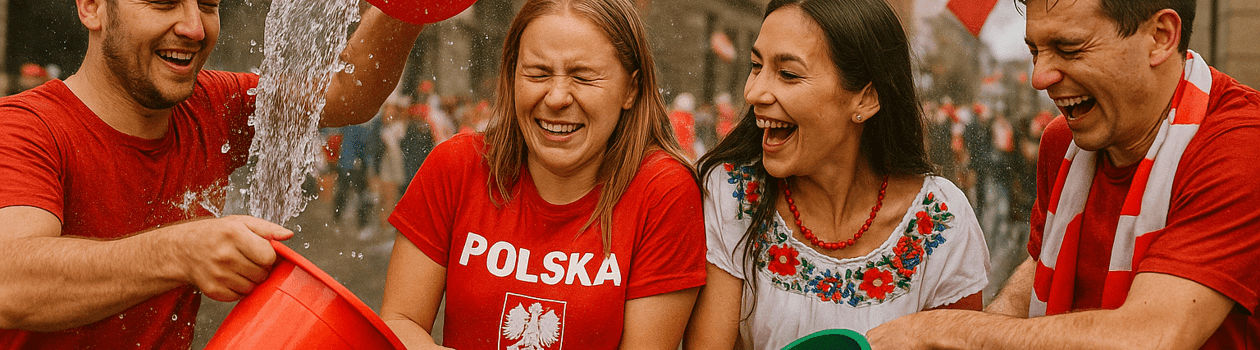
Dyngus Day is a Polish spring tradition where people playfully sprinkle water and tap each other with willow branches.
It’s loud, lively, and full of movement. The day marks the end of a quiet season and the start of something bright.
Cities with strong Polish roots fill with music, food, and fast-paced dancing. Everyone takes part, whether or not they have Polish heritage.
This day stands out because it brings people together in a bold, light-hearted way. Buffalo is one of the biggest hubs for it, with parades, live bands, and streets packed with crowds. Red and white flags wave.
Pierogi and kielbasa sell fast. Even those new to the custom quickly get caught up in the energy. What matters most is joining the fun and feeling part of something bigger.
How to Celebrate Dyngus Day
Here are some easy and fun ways to take part in Dyngus Day, whether you’re new to it or already a fan.
Try a Water Toss
Grab a small bucket, cup, or squirt bottle. Gently splash friends or family to join the tradition. Keep it playful, not messy.
Use clean water and avoid soaking clothing. The outdoors works best for quick drying and laughter.
Eat Polish Favorites
Cook or order classic Polish dishes. Fill your plate with pierogi, stuffed cabbage, and sausage. Add beets or sauerkraut for more flavor.
Sweet pastries like paczki round it out. Try something new if you’ve never had these foods.
Dance to Polka
Put on some polka music and learn a few moves. The rhythm moves fast, but anyone can join in. Attend a live band event if one’s nearby.
Dancing with others keeps the spirit alive. No fancy steps needed—just energy.
Dress in Folk Colors
Wear red and white to match the Polish flag. Add flower crowns, ribbons, or beaded necklaces for a bolder look.
Traditional clothing isn’t required, but festive outfits help build the mood. Take part visually and lift the atmosphere.
Join a Parade
Head to a local Dyngus Day parade. Watch dancers, floats, and musicians fill the street. Cheer for marchers and wave flags.
Bring friends or neighbors along to share the fun. It’s loud, colorful, and full of motion.
History of Dyngus Day
Dyngus Day began in Poland many centuries ago. It started as a springtime custom in small villages. Young boys would splash girls with water and tap them with willow branches.
These playful acts were meant to bring good luck and health. People believed water helped clear away bad spirits from winter.
The earliest record of the day dates back to the year 1420. A church document warned people to stop wild behavior tied to the day.
That shows how long it’s been part of life in Poland. At first, the water splashing and gift giving were separate customs. Over time, they blended into one event.
Some say Dyngus Day connects to the baptism of Prince Mieszko I. He became the first Christian ruler of Poland in 966.
That moment marked a big change in the country’s beliefs. Many think the water used on Dyngus Day honors that moment of faith.
No one person created Dyngus Day. It grew from the lives of ordinary people. Each town added its own songs, dances, and food.
Families passed the tradition down through generations. What began as a small village ritual is now a major celebration in many parts of the world.
Facts About Dyngus Day
Water as a Springtime Fertility Blessing
In traditional Polish and broader Slavic belief, the Easter Monday soaking was not just mischief but a way to “water” people much like fields, with the expectation that abundant splashing would bring health, beauty, and fertility in the coming year.
Ethnographic accounts note that in some villages a girl who ended the day with dry clothes might worry this signaled poor luck in love, while the most thoroughly drenched were thought to be especially likely to marry soon.
Why Pussy Willows Replaced Palms
Pussy willow branches, now tapped playfully on Dyngus Day, gained their special status in Poland because Mediterranean-style palm fronds were historically unavailable.
From at least the early modern period, Polish Catholics brought budding willow twigs to church on Palm Sunday to be blessed and kept at home as a protective charm.
Those same early-spring branches, already charged with religious and folk meaning, naturally became the switches used in Easter Monday health and fertility rituals.
A Medieval Bishop Tried to Ban the Fun
The earliest known written reference to the custom comes from a stern church document. Around 1410, the bishop of Poznań issued an edict titled “Dingus prohibetur,” ordering the faithful not to “pester or plague others in what is commonly called Dingus.”
The attempt to curb rowdy water-throwing and switching shows that by the early 15th century these village antics were already so widespread and boisterous that they troubled church authorities.
Śmigus and Dyngus Were Once Separate Customs
Historians point out that “Śmigus” originally referred to symbolic whipping with fresh willow twigs and light sprinkling, while “Dyngus” described house-to-house visits where youths recited verses and demanded gifts such as eggs or sausages in exchange for good wishes.
Over time, these two distinct practices fused into the single Easter Monday tradition now commonly known as Śmigus-Dyngus, blending mock punishment, blessing, and a kind of playful “ransom” economy.
Courtship Code Hidden in Soaking Rituals
Traditional village etiquette treated water attacks as a coded language of attraction. In many regions of Poland and neighboring lands, young men targeted women they admired, sometimes arriving at dawn to drench them before they could dress.
Folkloric descriptions explain that a woman who received many visits and heavy soakings could read this as proof of popularity, while being ignored on Easter Monday was socially embarrassing and might be interpreted as a bad omen for her romantic prospects.
Shared Roots With Other Central European “Sprinkling” Traditions
While Dyngus Day is closely associated with Poland, similar Easter Monday “watering” customs appear across Central Europe.
In Hungary, for example, men traditionally visit women to recite a short verse and lightly sprinkle them with water or perfume, a practice known as locsolkodás, while Slovak regions have oblievačka, “the pouring.”
Scholars group these together as a family of West and Central Slavic spring rites that combine baptism symbolism with much older ideas about magically boosting fertility through ritual wetting.
From Village Lanes to Urban Polka Halls
In the 19th and early 20th centuries, mass Polish emigration carried Easter Monday customs into industrial cities abroad, where they gradually adapted to new surroundings.
In American Polish neighborhoods, the rougher rural habits of dragging people to streams or soaking them with buckets gave way to more symbolic splashing, while music, dance, and club culture took center stage.
By the late 20th century, ethnographers and local historians were already describing Dyngus gatherings as key markers of Polish‑American identity, particularly in cities like South Bend and Buffalo.
Dyngus Day FAQs
What is the cultural meaning behind the Dyngus Day water fights?
In Polish and broader Slavic tradition, splashing water on Easter Monday has been described by folklorists as more than a prank.
It blends older spring and fertility customs, where water was believed to cleanse and bring new life, with Christian symbolism of purification and baptism.
Many accounts interpret the dousing as a playful sign of goodwill and good fortune rather than simple mischief.
Why are pussy willow branches used instead of other twigs?
Pussy willows bud very early in Central and Eastern Europe, so they became a natural symbol of spring’s return.
In Poland they are also used as a substitute for palm branches on Palm Sunday, which gives them a religious role as well.
Ethnographic descriptions note that gently striking someone with pussy willow branches in Easter customs was thought to bring health and fertility, so the twigs carry both seasonal and symbolic meaning.
Did “Śmigus” and “Dyngus” start as separate customs?
Historical and ethnographic sources indicate that Śmigus and Dyngus were originally distinct folk practices.
Śmigus referred mainly to ritual sprinkling or switching with water and twigs, linked to purification and fertility.
Dyngus involved going from house to house with verses or good wishes and receiving gifts such as eggs or food. Over time these strands merged into a single Easter Monday custom in many Polish communities.
How did gender roles shape traditional Śmigus-Dyngus customs?
Older village accounts describe the practice as strongly gendered, with boys or young men traditionally dousing girls with water or tapping them with willow branches on Easter Monday as a form of rustic courtship.
In some areas, girls responded on the following day with their own water play.
Contemporary descriptions note that in modern celebrations, both in Poland and in Polish communities abroad, participation tends to be more mutual and less tied to rigid gender roles.
Are Śmigus-Dyngus customs mainly religious or folk in character?
Cultural historians often describe these Easter Monday practices as a blend of church and folk tradition.
They occur within the Christian Easter season and are sometimes linked to themes of baptism and the end of Lent.
At the same time, the playful water splashing, willow switching, and visiting or gift‑seeking reflect much older village rituals about spring, fertility, and social bonding, so the observance has both religious and secular layers.
Why do decorated eggs appear in Śmigus-Dyngus traditions?
Decorated Easter eggs, known in Poland as pisanki, are longstanding symbols of new life and resurrection in Central and Eastern European Easter customs.
Historical descriptions of Dyngus activity mention eggs given as gifts or rewards for visitors going door to door, and in some regions people offered eggs in hopes of avoiding a soaking.
Folklore research notes that the egg combines Christian Easter meanings with older fertility symbolism, which fits the springtime character of the customs.
How do Polish Śmigus-Dyngus customs differ from Polish American Dyngus celebrations?
In contemporary Poland, Easter Monday is often marked by family visits, churchgoing, and informal water play, especially among children and teenagers.
In Polish American centers such as Buffalo, Cleveland, and South Bend, Dyngus celebrations have grown into large public events with polka music, parades, and traditional foods that highlight ethnic heritage.
Journalistic and local histories note that the American versions function mainly as public cultural festivals, while in Poland the customs remain more closely woven into household and neighborhood Easter traditions.


You may also like

Easter Monday
Easter Monday is the perfect time to relax and spend quality time with family and friends. Enjoy a leisurely brunch, hunt for hidden Easter eggs, or take a leisurely stroll in the sunshine.

White House Easter Egg Roll
The White House Easter Egg Roll is a long-standing and cherished Easter Monday tradition for adults and children alike. This annual event is full of history and festivity. It’s a day when the President’s staff invites families from around the United States to participate in an egg-rolling race. The atmosphere is...
Egg Cracking Competition
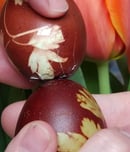
The Egg Cracking Competition, known as tsougrisma in Greek, is a lively tradition celebrated during Greek Easter. Participants hold red-dyed eggs and take turns tapping them against each other. The goal is to crack the opponent’s egg without breaking your own. This playful event is more than just a game...
National days and holidays on March 29 2027

March Madness
Get your game face on for March Madness! This high-energy tournament is a slam dunk of excitement, passion, and heart-pumping action. So grab your team colors, gear up for the showdown, and let the madness begin!
Easter Monday
Easter Monday is the perfect time to relax and spend quality time with family and friends. Enjoy a leisurely brunch, hunt for hidden Easter eggs, or take a leisurely stroll in the sunshine.
White House Easter Egg Roll
The White House Easter Egg Roll is a long-standing and cherished Easter Monday tradition for adults and children alike. This annual event is full of history and festivity. It’s a day when the President’s staff invites families from around the United States to participate in an egg-rolling race. The atmosphere is...

National Tsunami Awareness Week
National Tsunami Awareness Week sparks a wave of readiness during this time each year. This week is set aside to spread knowledge about the serious threat of tsunamis, especially in regions with high risk! How to Observe National Tsunami Awareness Week Host a Tsunami Trivia Night Gather friends or neighbors for a...
Seize Every Day
Join free for personalised recommendations, email reminders and exclusive guides. Never miss a day.