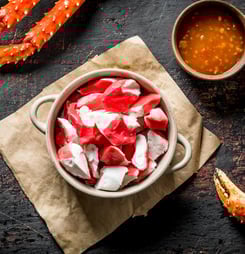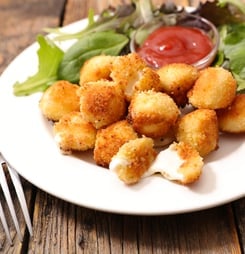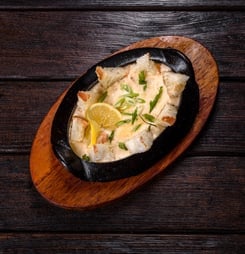
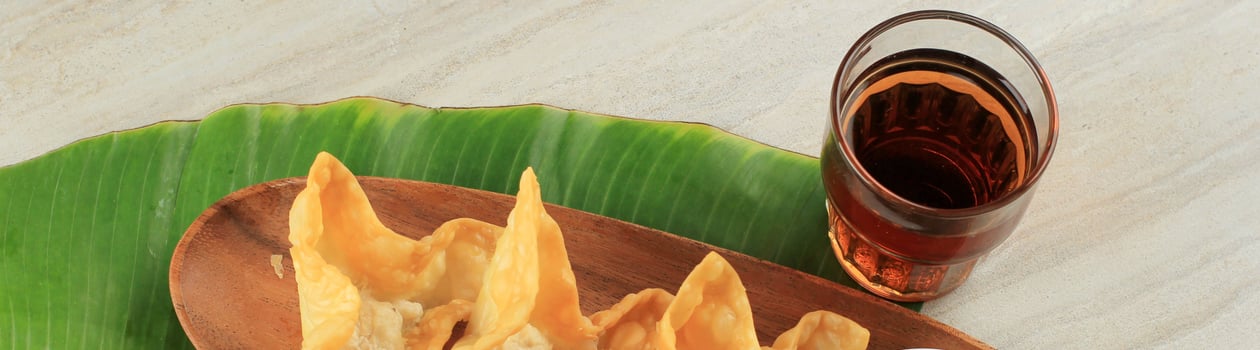
National Crab Rangoon Day is all about indulging in the delightful, crispy treat known as crab rangoon. This unofficial holiday celebrates the beloved appetizer made with cream cheese and crab meat, wrapped in a wonton skin, and deep-fried to golden perfection.
Though the origins of crab rangoon are debated, the dish is widely believed to have been introduced in American Chinese restaurants and has since become a favorite at gatherings.
On this day, people come together to enjoy its savory flavors, often paired with sweet or tangy dipping sauces. It’s more than just about the food—it’s about sharing a fun moment with friends.
What makes National Crab Rangoon Day special is how it invites people to connect in a lighthearted way. Set around a time of year when many are focused on romantic love, this day offers a chance for friends to gather and celebrate each other instead.
National Crab Rangoon Day Timeline
Trader Vic’s Opens in Oakland
Victor “Trader Vic” Bergeron opens his first Polynesian-themed restaurant in Oakland, California, laying the groundwork for tiki-style menus that will later feature crab rangoon–type appetizers.
Invention of the Mai Tai and Rise of Tiki Cuisine
Trader Vic’s introduces the Mai Tai cocktail, helping ignite mid‑century tiki culture in America and popularizing exotic “Polynesian” food and appetizer platters in which cream-cheese-filled wontons will later appear.
Crab Rangoon Appears on Trader Vic’s Menu
Crab rangoon—fried wontons filled with cream cheese and crab—appears on Trader Vic’s menus and is promoted as an “old Burmese” recipe, becoming one of the best-known Americanized tiki appetizers.
American Chinese Restaurants Embrace Cream Cheese Wontons
As Chinese-American cuisine adapts to local tastes, restaurants across the United States adopt cream-cheese-filled fried wontons, often with crab or imitation crab, turning crab rangoon–style snacks into a ubiquitous starter.
Modern Imitation Crab (Surimi) Is Patented
Japanese researcher Satoshi Kanbe patents a stabilizing process for surimi, making large-scale production of imitation crab possible and providing an inexpensive seafood ingredient widely used in crab rangoon fillings.
Crab Rangoon Spreads Under Many Regional Names
By the late 20th century, crab rangoon and similar cream cheese wontons are common on American Chinese menus nationwide, known variously as crab puffs, cheese wontons, or fried crab pockets depending on the region.
Food Writers Revisit the Murky Origins of Crab Rangoon
Food journalists and bloggers examine conflicting origin stories for crab rangoon, concluding it is a mid‑century American invention tied to Trader Vic’s rather than an authentic Burmese dish, highlighting its role in fusion cuisine.
How to Celebrate National Crab Rangoon Day
Crab rangoon lovers rejoice! National Crab Rangoon Day is the perfect excuse to savor this crispy, creamy treat.
Whether you’re with friends or going solo, there are plenty of fun ways to celebrate. Let’s dig into some quirky and delicious ideas!
Host a Rangoon Party
Invite your friends over and set up a rangoon-themed gathering. Make your own crab rangoons and experiment with different fillings and sauces. Add some music, drinks, and plenty of good conversation. It’s a party where no one leaves hungry!
Try a Crab Rangoon Tasting
Explore your local Chinese restaurants and order crab rangoons from different spots. Turn it into a friendly competition by rating the best one. A little friendly debate over dipping sauces won’t hurt either!
Create a Rangoon Challenge
Challenge yourself or friends to come up with unique spins on this classic dish. Try different flavors like spicy sriracha or sweet mango fillings. The possibilities are endless when you get creative in the kitchen!
Pair It with a Movie
Make crab rangoon your movie snack of choice. Pick a classic feel-good movie or a quirky comedy, and munch on freshly fried rangoons. It’s the perfect combination of entertainment and tasty indulgence.
Go All Out with Takeout
Not feeling like cooking? Treat yourself to a crab rangoon feast by ordering from your favorite takeout spot. There’s no such thing as too many crab rangoons when celebrating this day.
Enjoying National Crab Rangoon Day can ease the pressures of more traditional celebrations related to Valentine’s Week. It’s a quirky, delicious way to bond and embrace friendships, reminding us that a good snack and good company can make any day brighter.
History of National Crab Rangoon Day
National Crab Rangoon Day began in 2009, and it was created by a group of friends from Boston. Sarah White, Kara Sweeney, and Kristin Ostrem came up with the idea to brighten the mood for those not caught up in Valentine’s Day. Crab rangoon, a popular deep-fried snack, was chosen as the star of the day.
The day was meant to focus on friendship and fun, rather than romance. It offered a lighthearted alternative to the usual Valentine’s Day celebrations. The founders encouraged people to gather, eat, and enjoy time together, free from the pressures of love-centered events.
Over the years, it grew in popularity. People embraced the excuse to indulge in delicious crab rangoons, whether making them at home or ordering takeout.
The holiday has since become a beloved celebration for anyone looking for a tasty distraction from traditional Valentine’s festivities. National Crab Rangoon Day celebrates good food and even better company.
Facts About Crab Rangoon
Tiki Bars Helped Put Crab Rangoon on the Map
Crab rangoon is closely tied to the mid‑20th‑century tiki craze, when Polynesian‑themed restaurants like Trader Vic’s blended faux-“exotic” décor with hybrid dishes for American diners.
Food historians note that menus from Trader Vic’s in the 1950s list crab‑and‑cream‑cheese–filled fried wontons, showing how tiki culture became a major gateway for introducing playful, Americanized “Asian” appetizers to the mainstream.
Why “Rangoon” Is in the Name at All
The “rangoon” in crab rangoon refers to Rangoon, the former English name for Yangon, the largest city in Myanmar.
Despite this geographic nod, researchers point out that there is no documented Burmese dish combining crab and cream cheese in a wonton wrapper, underscoring how American restaurateurs borrowed evocative colonial place names to make fusion dishes sound more exotic and far‑flung than their actual origins.
Cream Cheese Signals an American Chinese Hybrid
One giveaway that crab rangoon is an American Chinese invention rather than a traditional Asian dish is its heavy use of Philadelphia‑style cream cheese.
Dairy‑rich cheeses are largely absent from classic Chinese and Southeast Asian cuisines, so the presence of cream cheese marks the recipe as tailored to mid‑century American tastes that prized rich, mild, spreadable cheeses in everything from dips to canapés.
Crab Rangoon Joins a Lineup of Invented “Chinese” Favorites
Food writers group crab rangoon with other American Chinese creations like General Tso’s chicken and chop suey, dishes that seldom appear on menus in China but became fixtures in U.S. Chinese restaurants.
This family of inventions helped define what many Americans think of as “Chinese food,” even though they were engineered locally to be sweeter, richer, and more deep‑fried than most traditional regional Chinese cooking.
Restaurant Versions Can Be Surprisingly Calorie‑Dense
Nutritional databases show that just a few pieces of restaurant‑style crab rangoon can contain 200–300 calories, with fat providing roughly half or more of that energy.
For example, three rangoons can reach around 240–320 calories and over 10 grams of fat, illustrating how the combination of deep‑frying and a cream‑cheese filling turns a seemingly light appetizer into a calorie‑dense indulgence.
Deep‑Fried Wontons Have Older Roots Than the Filling
While the creamy crab filling is modern, the wonton wrapper itself descends from much older Chinese dumpling traditions, where thin sheets of wheat dough were filled with minced meat or seafood and then boiled, steamed, or occasionally fried.
American Chinese chefs adapted these versatile wrappers to new formats like crab rangoon, leveraging familiar Chinese technique but pairing it with New World ingredients such as industrial cream cheese.