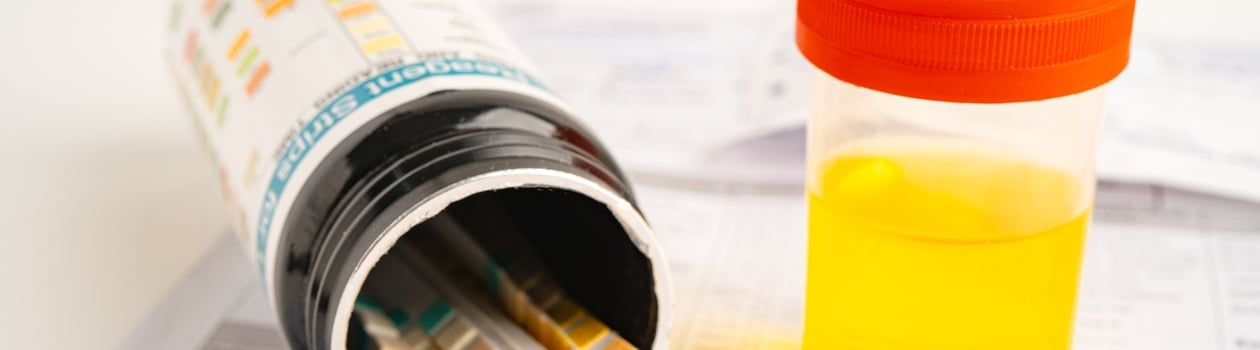
National Surprise Drug Test Day is a unique observance that adds an element of suspense to everyday life. On this day, many workplaces conduct unannounced drug tests to promote a drug-free environment.
The surprise aspect keeps employees vigilant, ensuring they adhere to company policies regarding drug use. This practice not only aims to maintain safety but also fosters a healthier work culture.
The unexpected nature of the tests can make the day feel a bit like a pop quiz, adding a mix of anxiety and amusement to the workplace atmosphere.
National Surprise Drug Test Day Timeline
Immunoassay Drug Screens Introduced
Syva Company develops the EMIT immunoassay, one of the first widely used urine drug screening technologies, making large-scale workplace and clinical drug testing faster and more practical.
Military Drug Testing Program Expanded
After concerns about drug use among service members, the U.S. Department of Defense implements widespread random urine drug testing, which becomes a model for later civilian workplace drug-testing programs.
Reagan Issues Drug-Free Federal Workplace Order
President Ronald Reagan signs Executive Order 12564, establishing a drug-free federal workplace policy and authorizing drug testing of federal employees in sensitive positions, accelerating adoption of workplace testing nationwide.
Drug-Free Workplace Act of 1988
The U.S. Congress passes the Drug-Free Workplace Act, requiring certain federal contractors and grantees to maintain drug-free workplaces, which encourages formal drug policies and testing programs in many organizations.
DOT Mandates Testing for Transportation Workers
The Omnibus Transportation Employee Testing Act leads the U.S. Department of Transportation to require drug and later alcohol testing for safety-sensitive workers in aviation, trucking, railroads, transit, and pipelines.
Supreme Court Upholds Some Suspicionless Testing
In Skinner v. Railway Labor Executives’ Association, the U.S. Supreme Court rules that mandatory blood and urine tests for certain railroad employees after accidents or rule violations are constitutional due to public safety concerns.
Court Backs Testing of Customs Officers
In National Treasury Employees Union v. Von Raab, the U.S. Supreme Court upholds drug testing for U.S. Customs Service employees seeking positions involving drug interdiction or firearms, further defining when workplace testing is permissible.
How to Observe National Surprise Drug Test Day
Organize a Drug-Free Potluck
Invite friends or coworkers for a fun, drug-free potluck. Encourage everyone to bring their favorite dishes, ensuring a variety of tasty treats.
This gathering promotes healthy living and offers a chance to bond over delicious food. Share stories and enjoy the company while celebrating a drug-free lifestyle.
Host a Surprise Game Night
Surprise your friends with an impromptu game night. Gather your favorite board games or card games and invite everyone over for an evening of laughs and friendly competition.
This event creates a light-hearted atmosphere, emphasizing fun without substances. It’s a great way to enjoy each other’s company in a healthy environment.
Plan a Wellness Workshop
Set up a wellness workshop focused on health and fitness. Invite a local expert to give tips on maintaining a healthy lifestyle.
Topics could include exercise routines, healthy eating, and mental well-being. This informative session helps educate attendees about the benefits of staying drug-free and making positive life choices.
Spread Awareness Online
Use social media to spread awareness about National Surprise Drug Test Day. Create engaging posts, share informative articles, and encourage discussions about the importance of drug-free living. Use hashtags and tag relevant organizations to amplify your message.
This digital effort can reach a wide audience and spark meaningful conversations.
Surprise Drug Test Challenge
For a quirky twist, organize a surprise drug test challenge among friends. Purchase drug test kits and see who can remain calm under the pressure.
It’s a playful way to highlight the seriousness of drug testing while adding a bit of humor to the day. Ensure everyone understands the importance of staying drug-free.
Reasons for Celebrating National Surprise Drug Test Day
There are multiple reasons for observing the day. Firstly, it ensures workplace safety. Surprise drug tests play a crucial role in maintaining a safe workplace.
In industries where concentration is key, such as transportation and healthcare, being drug-free is vital to prevent accidents and ensure optimal performance.
Secondly, it promotes drug-free living. This day also encourages a broader conversation about the importance of staying drug-free. It highlights the benefits of not using drugs and provides a platform to educate people about the negative impacts of drug abuse.
Lastly, National Surprise Drug Test Day helps raise awareness about drug policies and the consequences of drug use. It opens up discussions that can lead to better understanding and more effective strategies for dealing with substance abuse in various settings.
History of National Surprise Drug Test Day
National Surprise Drug Test Day started as a response to National Marijuana Day, which is celebrated on April 20.
After observing the high participation in marijuana-related activities on this day, the following day was informally designated as National Surprise Drug Test Day. This clever timing aims to ensure workplaces remain drug-free and safe, especially after a day when many might indulge in cannabis use.
The origins of this day are unclear, but it gained traction through online discussions and social media mentions.
No single organization or individual is credited with creating it, but the day has since become a widely recognized event. Its primary purpose is to promote workplace safety and discourage drug use among employees.
By conducting unannounced drug tests, employers aim to maintain a healthy and productive work environment.
Facts About National Surprise Drug Test Day
Drug Testing in the U.S. Expanded Rapidly After 1986
Workplace drug testing in the United States remained relatively rare until President Ronald Reagan’s 1986 Executive Order 12564 required federal agencies to maintain a drug-free workplace and authorized drug testing for federal employees in “sensitive” positions.
That policy, combined with the 1988 Drug-Free Workplace Act for federal contractors and grantees, spurred a rapid expansion of testing programs in both the public and private sectors and helped normalize random and post-incident testing in many industries.
Safety-Sensitive Transportation Workers Face Strict Federal Testing Rules
In the U.S. transportation sector, employees in safety-sensitive positions such as airline pilots, truck and bus drivers, train crews, and pipeline operators are subject to federally regulated drug and alcohol testing overseen by the Department of Transportation.
Regulations require pre-employment, random, post-accident, reasonable suspicion, and return-to-duty tests, and employers must use certified laboratories and Medical Review Officers to confirm positive results before any action is taken.
Random Testing Is Most Common in High-Risk Workplaces
Random or “unannounced” drug testing is disproportionately used in industries where impaired performance could endanger the public, such as transportation, construction, and healthcare.
Surveys cited by the U.S. Bureau of Labor Statistics and the Substance Abuse and Mental Health Services Administration show that while only a minority of all workers are covered by random testing, coverage rates are significantly higher in jobs involving heavy machinery, driving, or direct patient care.
Urine Tests Detect Recent Use, but Hair Tests Capture a Longer History
Standard workplace urine drug tests typically detect substances such as marijuana, cocaine, amphetamines, opioids, and PCP used within the past few days, although heavy cannabis use can be detectable for several weeks.
Hair testing, by contrast, can document a pattern of drug use over roughly 90 days by analyzing the section of hair closest to the scalp, which is why some employers use hair tests to look for longer-term use instead of recent intoxication alone.
False Positives Are Screened with Confirmatory Testing
Initial workplace drug screens are usually immunoassay tests, which are relatively inexpensive and rapid but can occasionally react to certain prescription or over-the-counter medications.
To reduce the risk of a false positive, federal guidelines require any non-negative result on the screening test to be confirmed with a more specific method such as gas chromatography–mass spectrometry (GC-MS) or liquid chromatography–tandem mass spectrometry (LC-MS/MS) before it is reported as positive.
Drug Testing Policies Must Balance Safety with Privacy Rights
Legal and civil liberties organizations point out that workplace drug testing raises privacy and dignity concerns, especially when it involves directly observed urine collection or broad testing of employees in low-risk roles.
Courts in the United States have generally upheld testing for safety-sensitive or public safety positions, while being more skeptical of suspicionless testing in jobs that do not present clear safety risks, leading many employers to tailor their policies to withstand legal and ethical scrutiny.
Cannabis Legalization Is Reshaping Employer Testing Practices
As more U.S. states legalize medical and recreational cannabis, some employers have narrowed their testing panels or stopped testing for marijuana in non–safety sensitive roles because a positive test does not reliably indicate on-the-job impairment.
States such as New York and Nevada have adopted rules limiting adverse employment actions based solely on off-duty cannabis use, forcing organizations to rethink long-standing drug testing policies and focus more directly on actual workplace performance and safety.