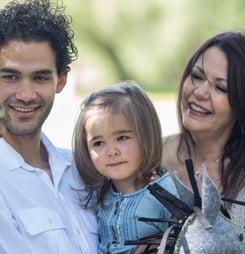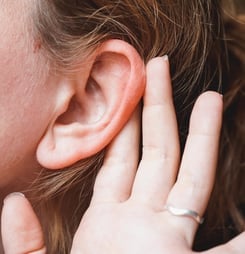

No Limits for Deaf Children Day celebrates the strength, curiosity, and big dreams of deaf children. It is a reminder that deafness does not place a ceiling on a child’s potential. With accessible communication, high expectations, and supportive communities, deaf children can thrive in school, friendships, sports, the arts, and every other corner of childhood.
It also calls attention to barriers that can make everyday life unnecessarily complicated. Many deaf children are born to hearing parents who have never met a deaf person, never seen sign language used in real life, and may not know how to navigate audiology appointments, early intervention programs, or special education systems.
When a child cannot easily access a full language early on, everything downstream can be affected, including reading, learning, social confidence, and mental well-being. This day nudges the spotlight toward what truly matters: making sure deaf children have complete access to communication and belonging.
Organizations such as No Limits for Deaf Children and Families emphasize the idea behind the name: limits are usually created by environments, not by children. When schools provide qualified teachers of the deaf, interpreters, captioning, and visual learning tools, children can participate fully.
When families learn to communicate consistently, children gain the security of being understood at home. When deaf adults are visible as mentors, kids grow up seeing a future that feels real and reachable.
No Limits for Deaf Children Day also encourages a broader view of inclusion. “Inclusion” is not simply placing a child in a classroom and hoping everything works out. It means planning for access in advance.
It means making sure announcements are captioned, classroom videos have accurate captions, teachers face the class while speaking, group discussions are moderated so one person speaks at a time, and emergency drills include visual alerts. It also means respecting that deaf children are not all the same. Some sign, some do not.
Some use hearing aids or cochlear implants, some do not. Some are comfortable moving between deaf and hearing spaces, while others prefer one or the other. The goal is not to fit every child into one mold, but to remove barriers so each child can learn, connect, and lead.
How to Celebrate No Limits for Deaf Children Day
Celebrating No Limits for Deaf Children Day can be joyful, practical, and community-minded. The best activities do two things at once: they honor deaf children as whole people, and they improve access, skills, or awareness in ways that last beyond a single moment. Whether someone is a parent, teacher, student, neighbor, or employer, participation can start small and still matter.
Learn Basic Sign Language
Learning basic sign language is one of the most direct ways to show respect and build a real connection. Even a few signs can change the tone of an interaction from awkward to welcoming. Starting points that tend to be useful in everyday life include greetings, “thank you,” “please,” “sorry,” “help,” “again,” “slow,” “bathroom,” “eat,” “drink,” “stop,” and “Are you okay?” For parents and caregivers, signs related to emotions and needs can be especially powerful: “happy,” “sad,” “scared,” “hurt,” “tired,” “I love you,” “more,” and “all done.”
It also helps to learn good communication habits alongside vocabulary. Getting a deaf child’s attention respectfully might involve a gentle wave, a light tap on the shoulder, or flicking a light on and off in a room. Keeping hands visible, facing the child, and ensuring good lighting can make conversations smoother. If someone is still learning, it is perfectly fine to mix signs with writing, gestures, pictures, and speech. The goal is clarity and connection, not perfection.
For families, consistency is the secret ingredient. A handful of signs used every day at home can be more valuable than a long list practiced once. Building a “sign routine” around meals, bedtime, and play can turn learning into something natural instead of another chore.
Attend a Deaf Awareness Event
Deaf awareness events can range from educational workshops to performances, panel discussions, museum programs, silent dinners, or community gatherings hosted by deaf-led organizations. Attending is a chance to learn directly from deaf people, which often corrects common misconceptions.
Many people are surprised to discover how rich and varied deaf culture can be, including humor, storytelling, poetry, theater, and social traditions shaped by visual communication.
To participate respectfully, it helps to arrive with an open mind and a willingness to observe. If interpreters are present, they are there to facilitate communication, not to be treated as the main point of contact. When conversing with a deaf person through an interpreter, speaking to the person directly (not to the interpreter) keeps the interaction human and equal.
For educators and youth leaders, these events can inspire practical changes. A single workshop might spark improvements such as better captioning in the classroom, more visual supports in lesson plans, or a renewed commitment to including deaf role models in career exploration activities.
Support Deaf Artists and Performers
Supporting deaf artists and performers is a fun way to celebrate talent while also widening the stage for representation. Deaf creativity often makes powerful use of visual rhythm, physical storytelling, facial expression, movement, and design.
Theater and performance programs can be especially meaningful for deaf children because they build confidence, public presence, teamwork, and communication skills in a setting where being visually expressive is a strength rather than something to hide.
Support can look simple: attending a performance, buying art, sharing a creator’s work, or requesting captioned and interpreted programming from local venues. For schools and community groups, it can also mean inviting deaf performers to lead workshops, commissioning artwork for community spaces, or making sure arts programs are accessible to deaf students through interpreters, captioning, and visual cues during rehearsals.
When deaf children see deaf adults succeeding creatively, the message lands differently than any motivational speech. It quietly says, “There is room for you here, exactly as you are.”
Donate to Organizations Supporting Deaf Children
Donations can help organizations provide services that directly affect a child’s daily life. Funding often goes toward early language access programs, family education, mentoring, tutoring, theater and leadership programs, technology support, and community-building events. Some organizations help families navigate education plans, find qualified providers, or advocate for accommodations.
People who cannot donate money can still contribute value. Volunteering professional skills, providing event space, offering transportation support, or donating captioning services for community videos can reduce barriers in very practical ways. Employers can also contribute by sponsoring accessible programming or supporting employee volunteer time, which can expand capacity without forcing nonprofits to stretch their budgets.
For anyone choosing where to give, a helpful guiding question is, “Does this organization prioritize accessible language and Deaf leadership?” Programs are often strongest when deaf professionals, educators, and mentors have meaningful roles in shaping them.
Share Stories and Information
Sharing stories and information can move awareness from abstract sympathy to concrete understanding. Rather than focusing only on “inspiration,” it helps to share accurate, respectful perspectives about access and communication.
Posts, newsletters, and classroom discussions can highlight topics like the importance of early language exposure, the value of captioning, and the difference between being physically present and being fully included.
It is also wise to be thoughtful about privacy and representation. If sharing a story about a deaf child, it should be done with consent and with care not to turn the child into a prop. A good rule is to center what improves access: what worked at school, what accommodations made a difference, what communication strategies helped friendships grow, and what communities can do better.
For parents and teachers, sharing can also mean normalizing tools that help. Captions on videos, visual schedules, clear masks when appropriate, and quiet, well-lit spaces for conversation are not “special treatment.” They are the ramps and handrails of communication.
No Limits for Deaf Children Day Timeline
The first public school for deaf children opens in France
The Abbé Charles-Michel de l’Épée established the first free public school for deaf students in Paris, pioneering formal deaf education and the widespread use of manual signs in the classroom.
First permanent school for the deaf in the United States
Thomas Hopkins Gallaudet and Laurent Clerc opened the American School for the Deaf in Hartford, Connecticut, creating the first permanent institution for deaf children in the U.S. and helping lay the foundation for American Sign Language.
Milan Congress promotes oralism over sign language
1880
Milan Congress promotes oralism over sign language
At the Second International Congress on Education of the Deaf in Milan, hearing educators voted to ban sign language in favor of oralism, a decision that shaped deaf education worldwide and marginalized sign languages for decades.
https://www.britannica.com/topic/Milan-conference-1880
ASL was recognized as a true language
Linguist William C. Stokoe published research demonstrating that American Sign Language has its own grammar and structure, helping shift attitudes toward sign languages as full human languages and influencing deaf education practices.
U.S. law guarantees education rights for children with disabilities
The Education for All Handicapped Children Act (later renamed IDEA) required public schools to provide a “free appropriate public education” to children with disabilities, strengthening the legal basis for educational services for deaf and hard of hearing students.
“Deaf President Now” transforms deaf leadership and expectations
Students at Gallaudet University led the Deaf President Now protest, securing the appointment of the university’s first deaf president and energizing advocacy for deaf children’s right to role models, leadership, and full participation.
Global treaty affirms rights of deaf children
The United Nations adopted the Convention on the Rights of Persons with Disabilities, which recognizes the importance of sign languages and calls for accessible education and early access to language for deaf and hard-of-hearing children.
History of No Limits for Deaf Children Day
No Limits for Deaf Children Day began in 2021. It was created by No Limits for Deaf Children and Families, a nonprofit organization dedicated to helping deaf children build strong communication skills, confidence, and a sense of possibility. The organization was founded by Dr. Michelle Christie in 1996, shaped by the recognition that many deaf children were capable of far more than the limited expectations sometimes placed on them.
The choice of a dedicated day serves a clear purpose: to keep attention on what helps deaf children thrive and to encourage communities to take action. It is easy for public conversations about deafness to get stuck on equipment, test scores, or assumptions about what a child can or cannot do. No Limits for Deaf Children Day redirects the conversation toward access, opportunity, and the child’s whole development.
A recurring theme in today’s message is the importance of language. When children have early, consistent access to a full language, they are better positioned to learn, socialize, and develop a strong identity. For many deaf children with hearing parents, the early years can include a steep learning curve as families figure out communication choices, educational settings, and services.
If support arrives late or inconsistently, children may experience gaps that are hard to close later. This day underscores the idea that access cannot be an afterthought. It needs to be built into the child’s environment from the start, at home and in school.
The organization behind the day is known for approaches that spotlight strengths, including educational and theater-based programming. Performance arts can be a particularly effective tool for deaf children because it leverages visual communication and expressive storytelling. It also creates a setting where children practice taking up space, being seen, and being understood, which are skills that transfer to classrooms, friendships, and future workplaces.
No Limits for Deaf Children Day also reflects a broader shift in how many communities understand disability and inclusion. The focus increasingly sits on removing barriers rather than “fixing” the child. That can mean ensuring qualified interpreters are available, that classrooms use captioned media, and that teachers are trained to communicate in ways that work for visual learners.
It can also mean recognizing that deaf children benefit from peers and mentors who share their experiences. Being the only deaf student in a school can be isolating, even with accommodations. Connections to deaf peers and adults can provide friendship, language growth, and a grounded sense of identity.
The day’s message is not limited to any single communication method or educational path. Deaf children use a wide range of tools, including sign language, spoken language, hearing aids, cochlear implants, captioning, and augmentative communication supports.
What unites successful outcomes is not one “right” choice, but a commitment to full access and high expectations. When adults presume competence and provide appropriate resources, deaf children are free to explore who they are and what they love.
At its heart, No Limits for Deaf Children Day is a call to pay attention in the places where deaf children live their everyday lives. It invites families to keep learning, schools to keep improving, and communities to keep making room. Not just room to sit in the classroom, but room to participate, lead, laugh, debate, perform, and dream out loud in whatever language makes that possible.
Breaking Barriers: Language Access and Opportunity for Deaf Children
Access to language in early childhood is not just important—it is essential.
The facts highlight how timely exposure to accessible communication shapes cognitive, emotional, and social development for deaf children, while also revealing the challenges many families face and the urgent need for awareness, support, and inclusive early intervention.
Language Deprivation as a Preventable Public Health Issue
Researchers increasingly describe language deprivation in deaf children as a preventable public health problem, noting that many deaf and hard-of-hearing children do not receive fully accessible language in their first years of life.
Lack of early, rich exposure to an accessible language is associated with long‑term impacts on literacy, mental health, and socioemotional development, even when hearing technology is provided.
Most Deaf Children Are Born to Hearing Parents
Around 90 to 95 percent of deaf and hard-of-hearing children are born to hearing parents, many of whom have no prior experience with deafness or sign language.
This mismatch often contributes to gaps in early communication at home, which can delay language development unless families receive timely support and access to visual communication strategies.
Critical Periods Make Early Language Access Essential
Studies in linguistics and neuroscience show that there is a “critical period” for first-language acquisition in early childhood, typically before puberty.
Deaf individuals who do not gain a first language, whether signed or spoken, during this window often experience permanent difficulties with grammar and complex language processing, underscoring how urgent early access to a natural language is for deaf children.
Universal Newborn Hearing Screening Transformed Early Intervention
Before the widespread adoption of universal newborn hearing screening in the United States, many children with hearing loss were not identified until age two or later.
By 2005, almost all U.S. states had implemented newborn screening programs, dramatically lowering the average age of identification and enabling earlier interventions that can improve language, cognitive, and social outcomes for deaf and hard-of-hearing children.
Bilingual Deaf Education Can Support Strong Academic Outcomes
Bilingual‑bicultural education models, which use a sign language as the primary language of instruction and the surrounding spoken/written language as a second language, have been associated with better literacy and academic performance for many deaf students.
Research from countries such as the United States and Sweden shows that solid skills in a natural sign language can provide a strong foundation for learning to read and write in the majority language.
Visual Storytelling Enhances Language Learning for Deaf Children
Educational approaches that use visual storytelling, drama, and role‑play have been found to support both language and socioemotional development in deaf children.
Theater and narrative activities in sign language help build vocabulary, perspective‑taking, and self‑expression, while also giving children opportunities to practice communication and confidence in front of peers and adults.
Deaf Children Benefit from Early Family Sign Language Use
Multiple studies report that deaf children whose families begin using sign language early show stronger attachment, better joint attention skills, and more advanced early communication than peers whose families rely solely on spoken language that the child may not fully access.
Family sign use is associated with better long‑term mental health and reduced isolation among deaf adolescents and adults.