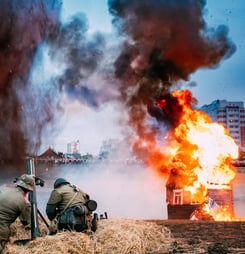

Have you ever thought about what it really means when a war finally ends? Vietnam Peace Day marks the moment when leaders put down their weapons and chose words instead.
It represents the end of American involvement in the Vietnam War, a conflict that left deep scars on both sides.
This day is about the relief, hope, and uncertain future that followed for millions. It’s a powerful reminder that even after years of fighting, peace is always possible.
This day sparks reflection on the cost of war and the strength it takes to rebuild. It asks us to think about those who lived through the chaos and those who never made it home.
More than just history, it’s a moment to recognize the courage it takes to seek peace instead of conflict. It challenges us to carry that lesson forward, knowing that choosing peace is never simple but always worth it.
Vietnam Peace Day Timeline
Paris Peace Accords Signed
The Paris Peace Accords, officially known as the “Agreement on Ending the War and Restoring Peace in Viet-Nam,” were signed by representatives of North Vietnam, South Vietnam, the United States, and the Provisional Revolutionary Government, effectively ending direct U.S. military involvement in Vietnam.
This agreement initiated a ceasefire and the withdrawal of U.S. troops, although fighting in Vietnam continued for years after the signing.
Phased Ceasefire and U.S. Withdrawal Begins
Following the signing of the Accords, a ceasefire was intended to take effect, marking the beginning of U.S. troop withdrawal from Vietnam.
However, ceasefire violations occurred almost immediately, and full withdrawal was not completed until March 1973.
Prisoner of War Repatriation
As stipulated in the Paris Peace Accords, the repatriation of prisoners of war began in April 1973.
This was part of the agreement’s provision to restore peace and release all POWs held by both sides of the conflict.
Fall of Saigon
Despite the Paris Peace Accords, the conflict continued, culminating on April 30, 1975, when North Vietnamese forces captured Saigon.
This led to the reunification of Vietnam under communist control, marking the end of the Vietnam War.
Nobel Peace Prize Awarded
Henry Kissinger and Lê Đức Thọ were awarded the Nobel Peace Prize in 1973 for their roles in negotiating the Paris Peace Accords.
However, Lê Đức Thọ declined the award, citing the ongoing conflict between North and South Vietnam.
How to Celebrate Vietnam Piece Day
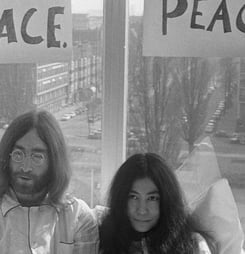
Peace deserves more than a passing thought—it deserves action. Vietnam Peace Day is a chance to honor those who experienced war and to celebrate the power of understanding.
Whether through art, conversation, or quiet reflection, simple acts can make this day more meaningful. Here are some creative ways to bring the message of peace to life.
Peaceful Picnics in the Park
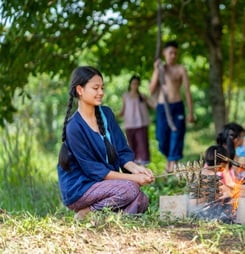
Gather friends and family for a picnic in a peaceful spot. Bring homemade food, swap stories, and discuss what peace means today. Sitting under the open sky makes for the perfect setting to appreciate unity and togetherness.
Floating Lanterns at Dusk
Light small water lanterns and set them afloat on a lake or pond. Watching the gentle glow drift across the water brings a sense of calm. Each lantern can represent hope, remembrance, or a personal wish for a more peaceful world.
Community Art Projects
Get creative with an art project that promotes unity. Organize a mural painting or a sidewalk chalk session where people can share their visions of peace. Public spaces become brighter when filled with colorful expressions of kindness.
Storytelling Circles
Invite people to share stories about overcoming division and building understanding. A storytelling event brings communities together through personal experiences.
Listening to different voices fosters empathy and appreciation for the power of reconciliation.
Musical Gatherings
Celebrate through music with an evening of peaceful melodies. Local musicians can perform songs that inspire harmony and connection. Whether it’s a formal concert or a casual jam session, music has a way of bringing people closer.
History of Vietnam Piece Day
Vietnam Peace Day commemorates the signing of the Paris Peace Accords, which aimed to end the Vietnam War and restore peace in Vietnam.
Representatives from North Vietnam, South Vietnam, the United States, and the Provisional Revolutionary Government participated in the agreement.
The accords led to the withdrawal of U.S. military forces from Vietnam. However, despite the agreement, fighting continued between North and South Vietnam until 1975, when North Vietnamese forces captured Saigon, leading to the reunification of Vietnam under communist control.
The signing of the Paris Peace Accords marked a significant turning point in the Vietnam War, as it officially ended direct U.S. military involvement in the conflict.
This day serves as a reminder of the complexities of war and the challenges in achieving lasting peace. It also highlights the importance of diplomacy and negotiations in resolving international conflicts.
Facts About Vietnam Peace Day
The Paris Peace Accords’ Diplomatic Impact and Legacy
The Paris Peace Accords signed in 1973 in Paris marked the official end of direct U.S. military involvement in Vietnam. Despite the ceasefire agreement, the accords did not achieve lasting peace.
Instead, they paved the way for future diplomatic practices by demonstrating the use of secret diplomacy, such as the talks between Kissinger and Lê Đức Thọ, and set a precedent for including non-state groups in negotiations.
The limited enforcement mechanisms, however, revealed the critical need for local buy-in and credible enforcement to sustain agreements.
Lessons from the Vietnam War in Modern Peace Efforts
The Vietnam War and resulting Paris Peace Accords offer key lessons for contemporary peace efforts.
One notable aspect was the extensive use of backchannel negotiations, highlighting their potential to break public deadlocks in talks.
However, the lack of local consensus and inadequate international enforcement led to the eventual failure of the accords. These lessons underscore the importance of ensuring that peace agreements have backing from all involved parties to prevent a return to conflict.
Long-term Influences on U.S. Foreign Policy
The Vietnam War deeply influenced U.S. foreign policy, giving rise to what became known as the “Vietnam Syndrome,” a wariness of engaging in prolonged military conflicts.
This more cautious approach persisted for decades, affecting American responses to international issues and military engagements, highlighting the profound impact of the war on the U.S.’s strategic outlook.