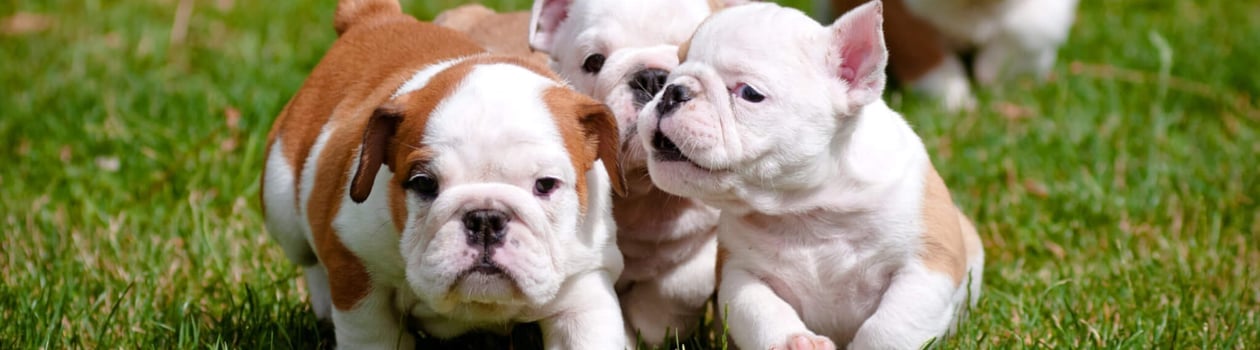
Let’s dive into the fun and furry world of National Bulldogs Are Beautiful Day, a feel-good excuse to admire one of the dog world’s most recognizable faces. Bulldogs are walking contradictions in the best way: tough-looking yet tenderhearted, stubborn yet deeply devoted, and somehow both dignified and delightfully ridiculous at the same time.
This day is all about appreciating bulldogs’ unique kind of beauty, the sort that has nothing to do with sleek lines or delicate features and everything to do with personality, presence, and those legendary wrinkles.
It’s a celebration of the charm they bring to homes, sidewalks, and social feeds everywhere, plus a gentle reminder that “beautiful” can look like a snort, a wiggle, and a happy little waddle.
How to Celebrate National Bulldogs Are Beautiful Day
Ready to make National Bulldogs Are Beautiful Day unforgettable for those drool-worthy pups? Here are some fun and quirky ways to celebrate, with a few practical touches to keep things safe and comfortable for bulldogs, too.
Host a Bulldog Bash
Throw a party for a bulldog and their furry friends, but keep it bulldog-friendly. Bulldogs often enjoy companionship, yet they can also feel overwhelmed by overly energetic play, especially if they are older or less athletic than the typical zoomie-loving dog. A great Bulldog Bash is more “sniff-and-stroll” than “chaos-and-chase.”
Set up a shaded space with plenty of water, offer short moments of gentle play, and keep the guest list limited. Consider inviting dogs with calmer temperaments and owners who understand canine body language. A few simple “activity stations” can keep things fun without turning into a wrestling match, such as:
- A treat scavenger hunt with easy-to-find snacks placed at nose level
- A photo corner with a soft blanket and a playful sign
- A slow “parade” walk where everyone strolls together
If there’s food, make sure it is safe for dogs and served in small portions. Bulldogs are enthusiastic eaters, and too many snacks can quickly lead to an upset stomach.
Pamper Your Pup
Give your bulldog a spa day at home. Think warm (not hot) baths, gentle brushing, and maybe even a new collar to show off in style. Bulldogs may have short coats, but that does not mean they are low-maintenance. Their skin folds and facial wrinkles are part of their charm, yet those same features can trap moisture and dirt.
A good pampering routine can include:
- Gently cleaning facial folds with a damp cloth, followed by careful drying
- Checking ears for odor or excess wax
- Trimming nails to support comfort and posture
- Brushing to remove loose hair and stimulate the skin
Use mild, dog-specific products. Bulldogs can be sensitive to strong scents and harsh shampoos. If your dog seems itchy, red, or uncomfortable, a spa day is a good time to notice these signs and plan a vet visit if needed.
Snap Some Pics
Organize a photoshoot for your bulldog. Dress them up, find adorable poses, and capture those unforgettable moments. Bulldogs are naturally entertaining in front of the camera, often without trying. Keep it short, fun, and reward-based.
Try photos that highlight classic bulldog features:
- The signature head tilt
- The proud sit with paws firmly planted
- The side profile with wrinkles and an underbite
- The relaxed sprawl that somehow takes over the entire couch
Costumes can be fun, but comfort should always come first. Avoid anything tight around the face or chest, and skip accessories that block ears or vision. A simple bandana or bow tie often works perfectly.
Explore New Grounds
Take your bulldog on a new adventure. Whether it’s a nature trail, a visit to a different dog park, or a walk in a new neighborhood, they will enjoy the fresh scents and sights. Bulldogs are curious explorers, but they usually do better with shorter outings.
Because many bulldogs have shorter muzzles, they may struggle with breathing during intense activity or in warm weather. An “adventure” can simply be a calm, sniff-focused walk rather than a long journey. Bring water, take breaks, and choose shaded routes. If your bulldog starts breathing heavily, slows down, or resists moving, it’s time to stop and head home.
For some bulldogs, the best new experience might even be indoors, like visiting a pet-friendly store where they can meet people and enjoy attention at a relaxed pace.
Treat Them to Treats
Bake homemade dog treats. There are many simple, healthy recipes online that suit a bulldog’s taste. Bulldogs are highly food-motivated, which makes treats a powerful reward, but moderation is key.
Keep treats small and simple. Common ingredients include pumpkin, oats, peanut butter without added sweeteners, or plain cooked meats. Avoid anything harmful to dogs and be careful with rich foods that can upset sensitive stomachs.
A fun idea is a “treat tasting flight” with three small samples of different flavors, letting your bulldog enthusiastically choose a favorite. (Chances are, they will love them all.)
Donate in Their Honor
Show appreciation for bulldogs still waiting for homes by donating to a bulldog rescue or shelter. Bulldogs may end up in rescues for many reasons, including family changes, unexpected medical costs, or unrealistic expectations.
Donations do not have to be financial. Many shelters need everyday items such as:
- Towels and blankets
- Cleaning supplies
- Food and treats
- Crates and gates
- Gift cards to pet stores
Volunteering is also valuable. You can walk dogs, assist with transport, or support foster families. Even sharing adoption posts thoughtfully can help increase visibility for dogs in need.
Learn Together
Take time to learn more about bulldogs. Explore their history, care requirements, and ways to keep them healthy and happy. National Bulldogs Are Beautiful Day is a great opportunity to go beyond appearances and understand what helps bulldogs thrive.
Helpful topics include:
- Understanding healthy weight and its impact on joints and breathing
- Recognizing signs of overheating and knowing when to stop activity
- Caring for skin folds to prevent irritation
- Training approaches suited to a stubborn yet sensitive personality
- The importance of regular vet care, especially for ears, skin, and teeth
Learning can also be interactive. Teaching a new command, practicing leash manners, or working on calm greetings can strengthen your bond and improve daily life.
Why Celebrate Bulldogs are Beautiful Day?
Bulldogs remind us that beauty is not always sleek or symmetrical. Sometimes it looks like a sturdy little dog convinced it belongs in your lap. Sometimes it sounds like loud snoring. Sometimes it’s a face so expressive it feels like it has opinions of its own.
Beyond their charm, bulldogs symbolize resilience and companionship. Historically, they have represented determination, while today they are often associated with loyalty and strength. Yet living with a bulldog reveals a softer side: many are gentle, affectionate, and happiest close to their humans.
Bulldogs also suit a calmer lifestyle. They are not built for endurance activities, making them ideal for those who prefer a slower pace. Short walks, relaxation, and affection are often enough to keep them content.
However, this does not mean they require no effort. Bulldogs need attentive care. Their physical structure comes with specific health considerations, and responsible owners must manage weight, temperature, skin care, and regular veterinary visits. Celebrating bulldogs means appreciating both their charm and their needs.
They are also popular cultural symbols, appearing as mascots in sports and schools, representing toughness and persistence. Whether as pets, icons, or online stars, bulldogs leave a lasting impression.
National Bulldogs Are Beautiful Day encourages people to appreciate that impression, spoil their pets, learn about the breed, and support bulldogs in need of homes.
National Bulldogs Are Beautiful Day Timeline
Early “butchers’ dogs” used for bull-baiting
Early ancestors of the bulldog are documented in England as powerful “butchers’ dogs” used to control livestock and for the brutal sport of bull-baiting, shaping the breed’s muscular build and tenacious temperament.
Bull-baiting outlawed in Britain
The Cruelty to Animals Act of 1835 bans bull-baiting in the United Kingdom, forcing fanciers of the old bulldog to shift from breeding aggressive fighting dogs to developing a calmer, companion-oriented breed.
The first English Bulldog breed club is founded
The Bulldog Club (London) was formed to protect and promote the emerging, gentler version of the bulldog, encouraging fanciers to standardize its appearance and temperament as a show and companion dog.
A formal breed standard was published
The Bulldog Club of England issued one of the earliest formal written standards for the bulldog, describing the characteristic “sourmug” face, heavy front, and distinctive gait that became hallmarks of the modern breed.
The American Kennel Club recognizes the bulldog
The American Kennel Club grants official recognition to the bulldog as a distinct breed, helping to establish its presence in the United States and paving the way for its popularity in American dog shows.
The U.S. Marine Corps adopts the bulldog as a symbol
Inspired by German reports that U.S. Marines fought like “Devil Dogs” in World War I, the Marine Corps began using the English Bulldog as a mascot and symbol of toughness, cementing the breed’s military cultural role.
Health reforms and welfare debates intensify
As concern grows over breathing problems and inherited diseases in bulldogs, veterinarians, kennel clubs, and welfare groups push for revised breed standards and healthier breeding practices, reframing how people view the breed’s beauty.
History of National Bulldogs Are Beautiful Day
National Bulldogs Are Beautiful Day began with a heartfelt idea: every creature deserves appreciation just as it is. The day was created by Jackie Valent, a children’s book author, in 2007 to celebrate bulldogs and promote acceptance.
Her inspiration came from her book, Stinky the Bulldog. Like many meaningful children’s stories, it carries a universal message: being different is not a flaw, and love is not limited to what is traditionally considered “perfect.” Bulldogs, with their wrinkles and distinctive features, embody that idea perfectly.
Over time, the day has grown into a celebration for bulldog lovers. It includes social media tributes, small gatherings, and awareness efforts around adoption and responsible care.
The bulldog itself has evolved significantly. Originally associated with strength and endurance in harsh historical roles, the breed has transformed into a companion known for affection and calmness. This shift highlights how perceptions and purposes can change over time.
National Bulldogs Are Beautiful Day reflects this transformation. It reframes features like wrinkles, stocky bodies, and snorting breaths as qualities to admire. It also challenges quick judgments. Bulldogs may appear tough, but many are gentle and emotionally responsive.
In a broader sense, the day encourages people to rethink what beauty means. Bulldogs make it clear that authenticity, personality, and connection matter more than perfection.
As the celebration continues, it highlights both joy and responsibility. It’s a chance to admire bulldogs and also to care for them properly. Their beauty is not just in appearance, but in their companionship, resilience, and unmistakable character.
Surprising Facts About Bulldogs’ History, Anatomy, and Cultural Role
Bulldogs are far more than their wrinkled faces and laid-back personalities suggest. Behind their calm and lovable nature lies a complex story shaped by history, selective breeding, and cultural symbolism.
From their origins in blood sports to their role as iconic mascots, these facts reveal how bulldogs evolved into the unique companions we know today.
Bulldogs’ Fierce Origins in Blood Sports
Modern bulldogs are known as gentle companions, but the breed’s ancestors were originally developed in England for the brutal sport of bull-baiting, which was outlawed in 1835 by the Cruelty to Animals Act. A
fter the ban, breeders deliberately selected for a calmer temperament and heavier, shorter bodies, transforming the once-aggressive working dog into a docile, people-oriented companion that retained the name but not the job.
How Selective Breeding Reshaped the Bulldog Skull
Bulldogs are a classic brachycephalic breed, meaning they have a shortened skull and flattened face caused by intense selective breeding over generations.
CT and morphometric studies show that their upper jaw has been drastically shortened while the lower jaw remains relatively long, which contributes to breathing problems, dental crowding, and the characteristic underbite that many people find endearing.
A Mascot of the U.S. Marine Corps Since World War I
The bulldog became an unofficial symbol of the U.S. Marine Corps during World War I after German troops reportedly nicknamed the Marines “Devil Dogs” for their tenacity.
The Corps later adopted a live English Bulldog mascot, now traditionally named Chesty, in honor of highly decorated Marine Lewis “Chesty” Puller, and maintains an official bulldog mascot at Marine Barracks Washington to this day.
One of the Most Popular Dogs in the United States
Despite their health challenges, bulldogs have consistently ranked among the most popular dog breeds in the United States.
The American Kennel Club reported that the Bulldog was in the top five most registered breeds nationwide for much of the 2010s, reflecting a strong cultural preference for their distinctive looks and easygoing temperament, especially in urban environments.
Serious Health Risks Tied to the Bulldog Body Shape
Large-scale veterinary studies in the United Kingdom have found that English Bulldogs face a significantly higher risk than other breeds for multiple disorders, including skin fold infections, brachycephalic obstructive airway syndrome, and eye problems.
A 2022 study from the Royal Veterinary College concluded that the modern bulldog’s extreme body shape is so closely linked to poor health that the breed would likely need substantial changes in breeding standards to achieve a more sustainable, healthier conformation.
University Sports’ Favorite Tough-Looking Mascot
Bulldogs are among the most common college mascots in the United States, symbolizing grit and stubborn determination rather than speed or agility.
Institutions such as Yale University (using a live bulldog mascot since 1890), the University of Georgia, and Gonzaga University have all adopted bulldogs to represent school spirit, helping cement the breed’s image in American popular culture as tough on the outside but loyal and steady at heart.
Calm Temperament That Suits Family Life
Although their appearance can seem intimidating, behavioral research and breed profiles often describe bulldogs as people-oriented, low-energy dogs that form strong attachments and tolerate children well.
The American Kennel Club characterizes the Bulldog as “friendly, courageous, and calm,” a temperament that reflects the post–bull-baiting shift in breeding priorities away from aggression and toward stable, affectionate companions.