National Cheese Doodle Day
Crunchy, cheesy bites that make your taste buds dance with joy, the ultimate snack-time sidekick for any occasion.
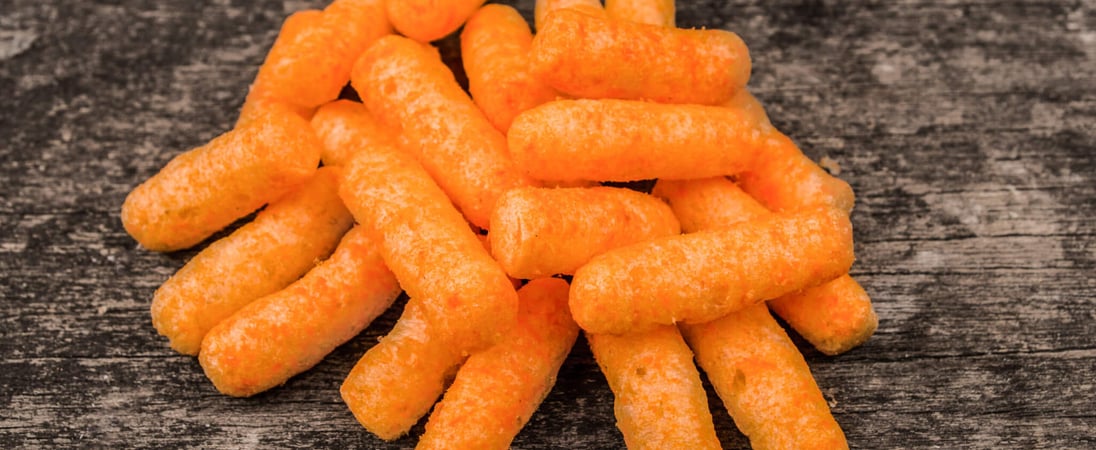
You might think you don’t know what a cheese doodle is, but most snack fans recognize one on sight. A cheese doodle is a casual catch-all term for those airy, corn-based, cheese-dusted bites that crunch loudly, vanish quickly, and leave fingertips stained a bold orange that looks suspiciously like evidence.
They are the kind of snack that requires either a napkin strategy or a willingness to embrace the “cheese hands” lifestyle.
For a bit of cheesiness in a lunchbox, movie night, road trip, or desk drawer stash, it’s hard to beat a bag of these neon wonders. National Cheese Doodle Day is the perfect excuse to lean into that simple joy: the satisfying crunch, the salty tang, and the oddly pleasing mess that proves someone really committed to snacking.
How to Celebrate National Cheese Doodle Day
Enjoy Some Cheese Doodles
This one is simple enough to celebrate: grab a bag (or a few) and dig in. But even the simplest plan can be leveled up with a little intention.
Start by picking a style. “Cheese doodles” can mean crunchy curls, puffier tubes, bite-sized balls, or extra-thin sticks. Crunchy versions tend to have a louder snap and a more toasted corn flavor; puffier versions feel lighter, dissolve faster, and often carry more seasoning per bite because the coating clings to all those tiny air pockets.
For the full experience, pair them with something that balances the salt and richness. A crisp apple, grapes, or a glass of something fizzy can cut through the cheesy coating and keep the snack from feeling one-note.
Those who like a sweet-and-salty moment can try them alongside chocolate or caramel popcorn. It sounds odd until it suddenly doesn’t.
And because cheese doodles famously leave behind that orange dust, planning for the aftermath is part of the tradition. Napkins, chopsticks, or a “snack spoon” can keep fingers clean. Some people even pour them into a bowl and eat them with a fork, which feels a little formal for something so unserious, but that is part of the charm.
Perform a Cheese Doodle Taste Test
Grab a few different brands of cheese doodles and a willing friend, and turn it into a blind taste test. The goal is simple: figure out which one actually tastes best when branding is out of the picture. You can crown an overall winner or rate each option by specific categories like crunch, cheesiness, and texture.
To make it feel official (and more fun), set up a quick scorecard. Helpful categories might include:
- Aroma: Is it sharp and cheddar-heavy, buttery, or more like toasted corn?
- Cheese flavor: Does it taste like real cheese, classic cheese powder, or that oddly addictive “mystery cheese”?
- Salt level: Well-balanced, too mild, or aggressively salty?
- Texture: Light and airy, dense and crunchy, or slightly stale (an instant no)?
- Residue factor: How much orange dust ends up on fingers, lips, and anything within reach?
Blind tasting is essential. Packaging and brand loyalty can seriously skew expectations. Pour each brand into a plain bowl, label them with numbers, and only reveal what’s what after everyone has scored. Many people are shocked by which bag comes out on top once the logos disappear.
For extra entertainment, mix in different shapes and styles—puffs, crunchy curls, balls, or twists. Even with similar ingredients, shape changes how the corn base toasts and how the seasoning hits your tongue, which can dramatically affect flavor.
If you really want to nerd out, add a freshness test. Leave one sample uncovered for a short time and compare it to a fresh one. Cheese doodles are extremely sensitive to humidity, which is exactly why they’re so irresistible straight out of the bag.
Share Some Cheese Doodles
Sharing a bowl with friends, neighbors, or coworkers is an easy way to mark the occasion. Cheese doodles are naturally communal: they are inexpensive, widely recognized, and playful enough to break the ice at gatherings.
A simple serving trick is to offer both “clean” and “classic” options. Put out a bowl of cheese doodles, plus a cup of pretzel sticks, toothpicks, or small tongs so people can snack without painting their fingertips orange. Keep napkins nearby to clean up that sticky cheese dust before anyone returns to keyboards, game controllers, knitting projects, or any activity that should not be seasoned.
For parties, consider a mini snack bar built around cheese doodles. They mix well with peanuts, plain popcorn, crackers, and crunchy cereal for an easy homemade snack blend.
Add a second bowl with a spicy version if available, since heat and cheese are a beloved combination. It turns the snack into something that feels curated, even if the main ingredient came straight from a bag.
Cheese doodles can also be shared in creative ways. They make a surprisingly good topping for comfort food. Crushed cheese doodles can act like a cheesy “breadcrumb” layer on macaroni and cheese or baked casseroles, adding crunch and a salty bite. Used sparingly, they deliver that familiar flavor without overwhelming everything else on the plate.
History of National Cheese Doodle Day
Cheese doodles feel like the sort of snack that has always existed, as if they simply appeared one day in vending machines and party bowls, already coated in orange dust. In reality, their story is tied to the rise of industrial snack-making, when cornmeal, heat, and clever machinery turned simple ingredients into airy, shelf-stable treats.
The inventor of cheese doodles is not entirely clear, and the date when they first appeared is debated. Food historians and snack enthusiasts often point to a few different threads that helped create the cheese doodle as people recognize it now.
One frequently cited origin involves Edward Wilson and Clarence J. Schwebke, who worked at the Flakall Corporation in Wisconsin in the 1930s. Flakall was known for producing animal feed and related products, and experimentation with corn-based processes led to a human snack called “Korn Kurls.”
A patent application was filed in 1939, describing a puffed, curled corn product made through a process that used heat and pressure. That matters because cheese doodles are part of a larger family of snacks created through extrusion, a technique that allows a dough to puff as it exits a die, forming shapes like curls, tubes, or balls.
In this telling, the product gained wider commercial life later. Another company, Adams Corporation, is often mentioned as helping commercialize the snack after World War II, when packaged foods and convenience items boomed. That era saw pantries filling with shelf-stable products, and snack foods became more standardized and more broadly distributed.
Another well-known claim centers on Morrie Yohai, associated with a snack company in the Bronx, New York, in the late 1940s. In many retellings, the idea emerged from high-pressure processing experiments with cornmeal, sometimes described as a happy accident in which a corn mixture puffed into a light, crunchy form.
The product was marketed as “Cheez Doodles,” a name that made the snack sound playful, informal, and easy to grab. Over time, this style of snack spread widely, inspiring competitors and cousins with similar shapes and coatings.
A third often-cited thread comes from Elmer Candy, a company based in New Orleans. Elmer’s Fine Foods sells a cheese puff snack called “CheeWees,” and it is regularly included in discussions of early cheese puff history.
Whether or not one company can claim the entire idea, these stories show how multiple regions and manufacturers were experimenting with puffed corn snacks and cheese flavoring around the same general period, producing variations that all feel like close relatives.
Regardless of which origin story a person favors, cheese doodles represent a particular kind of mid-century food innovation: taking a familiar ingredient like corn, transforming it into a dramatically different texture through machinery, then coating it with concentrated flavor.
The result is oddly irresistible. It is light but crunchy, salty but not quite a meal, and engineered to be easy to eat in handfuls.
Cheese doodles are also known by many other names: cheese puffs, cheese curls, cheese balls, cheese poofs, cheesy poofs, and sometimes corn cheese. The name often reflects the shape or the brand rather than a strict recipe difference.
Some are tight curls that snap; others are puffier and melt on the tongue. Some are intensely orange; others lean paler and more buttery. Even the same brand can sell “crunchy” and “puffed” versions that feel like completely different snacks.
What ties them together is the basic process. They are made by mixing cornmeal with water (and sometimes other starches), then heating and forcing that mixture through a shaped opening. As it exists, the sudden drop in pressure causes the moisture to flash into steam, puffing the snack into a porous structure.
Afterward, the pieces are dried or baked to lock in crunch. The final step is the signature: a coating of cheese seasoning, often applied with oil or fat so the powder adheres. That powder typically includes cheese solids, salt, and spices, along with ingredients that help the flavor stay consistent and shelf-stable.
Without the cheese coating, similar airy snacks are often sold as “puffcorn” or simply corn puffs, which might be flavored with butter, salt, caramel, or sweet glazes. The cheese version remains the most iconic, partly because the color is so unmistakable and partly because cheese powder has a way of tasting both familiar and thrillingly artificial at the same time.
Over the decades, cheese doodles became a staple of convenience culture. They fit easily into lunchboxes, road trips, and casual entertaining. They are also a snack that invites strong opinions. Some people insist the only acceptable version is ultra-crunchy; others prefer the soft, puffy kind that dissolves into cheese-flavored air.
Some want extra seasoning and maximum orange dust; others look for a subtler cheddar taste. The debate is half the fun, and National Cheese Doodle Day permits snack lovers to argue their case with a bowl in hand.
Because they are produced in huge quantities and shipped widely, cheese doodles have become a global shorthand for a certain kind of snack satisfaction: inexpensive, shareable, and faintly ridiculous. They are not trying to be fancy. They are trying to be delicious, crunchy, and just messy enough to feel like a treat.
National Cheese Doodle Day FAQs
Do cheese doodles actually contain real cheese?
Most cheese doodle–style snacks do contain some form of real cheese in powdered or dehydrated form, blended with salt, fats, and flavorings, although the exact percentage of cheese varies a lot by brand and recipe.
Food scientists note that the coating is typically made from cheese that has been heated, dehydrated, and ground into a powder, then mixed with other ingredients to create a stable, intensely flavored seasoning that can be evenly applied to puffed corn pieces.
Consumers who want more detail about how much cheese is used or what type should check the ingredient list and, where available, the manufacturer’s product information. [1]
How are cheese doodles and other cheese puffs made?
Cheese doodles are made using extrusion cooking, where cornmeal and water are mixed into a dough and forced through a heated extruder under high pressure.
As the dough exits the die, the sudden drop in pressure turns water in the dough into steam, which expands and “puffs” the snack. The pieces are then dried or baked (and sometimes lightly fried) to reduce moisture and create a crisp texture before being tumbled in drums where a cheese-based powder and oil are applied so the seasoning sticks.
Small changes in temperature, pressure, moisture, and die shape allow manufacturers to create different sizes and shapes, such as curls, balls, or straight puffs. [2]
Why do cheese doodles leave so much orange residue on fingers?
The orange coating on fingers comes from a combination of fine cheese-flavored powder and added colorings that are only loosely bound to the surface of the puff.
During production, oil is sprayed onto the puffed corn to help the seasoning adhere, but manufacturers balance adhesion with the need to keep the snack light and crunchy, so not all of the powder bonds tightly.
As fingers press on the porous surface, oil softens the coating and releases tiny particles of colored seasoning, which easily transfer to skin and other surfaces. The effect is more noticeable in snacks that use brighter colorants or a heavier seasoning application.
Are cheese doodles considered ultra-processed food?
Most cheese doodles and similar puffed cheese snacks meet widely used definitions of “ultra-processed foods” because they are made from refined ingredients such as cornmeal, vegetable oils, and processed cheese powders, along with added flavors, emulsifiers, and colorings.
The NOVA food classification system, often used in nutrition research, places packaged savory snacks produced with industrial processes like extrusion and formulated with cosmetic additives in the ultra-processed category.
Nutrition experts generally recommend enjoying foods in this category occasionally rather than as everyday staples, especially when they are high in sodium and calories but low in fiber and micronutrients. [3]
How do cheese doodles differ from plain puffed corn snacks nutritionally?
Plain puffed corn snacks are usually made from corn grits or cornmeal and oil and are often salted but not coated in cheese powder, so they tend to be lower in saturated fat and sodium than cheese-flavored versions, although both are typically energy-dense and low in fiber.
Cheese doodles add a cheese-based seasoning that can increase sodium, saturated fat, and overall calorie content, and may also introduce additional flavor enhancers and colorings.
Public health guidance on savory snack foods often groups both types together as items to eat in moderation, but labels show that cheese-coated products frequently have higher sodium per serving than uncoated puffed corn. [4]
Do cheese doodles pose any specific food safety concerns, such as acrylamide?
Like many baked or fried starchy snacks, puffed corn products can form acrylamide, a compound that develops when carbohydrate-rich foods are cooked at high temperatures.
Food safety authorities have identified acrylamide as a potential health concern and encourage manufacturers to reduce levels through recipe and process adjustments, while advising consumers to maintain a varied diet and avoid overconsumption of highly browned, crisp snacks.
However, cheese doodles are only one of many acrylamide sources in the diet, and agencies such as the European Food Safety Authority emphasize overall dietary patterns rather than focusing on a single snack. [5]
Are cheese doodles gluten-free?
Many cheese doodle–style snacks are made primarily from cornmeal, which is naturally gluten-free, so some products are labeled gluten-free and are suitable for people who avoid wheat, barley, and rye.
However, not all brands are safe for those with celiac disease or gluten sensitivity, because seasonings, processing aids, or shared production lines can introduce gluten through cross-contact.
Celiac disease organizations advise checking for a certified gluten-free label or carefully reading ingredient lists and manufacturer statements, since only products produced under controlled conditions can reliably be considered gluten-free.
Also on ...
View all holidays



St. Piran’s Day
Commemorating a cultural celebration, echoing the spirit of a revered patron, and fostering a sense of unity among Cornwall's residents.
We think you may also like...
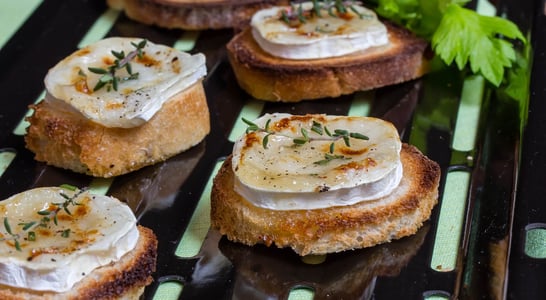
Goat Cheese Day
See what goats cheeses are local to your area, and give them a try. Find a recipe, or simply taste-test a few to see what you like best and diversify your food.
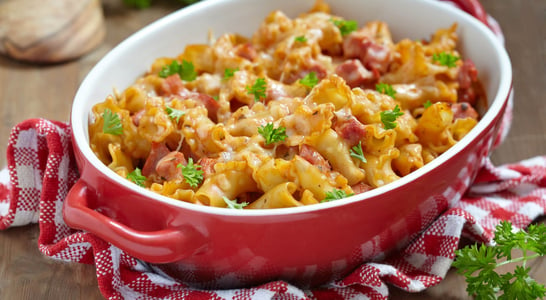
National Mac & Cheese Day
Diving into a warm, comforting bowl of cheesy goodness, each forkful a delightful blend of creamy and savory delight.
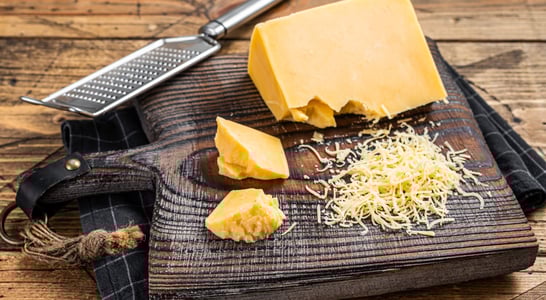
National Cheddar Day
Produced in a wide range of varieties, whether matured and aged for a long time or short, with a mild or sharp taste, cheddar is a fairly affordable, versatile and ubiquitous friend of cheese lovers.
National Cheddar Fries Day
Crunchy on the outside, fluffy on the inside, whether dipped in ketchup or smothered in cheese sauce, these fries are a satisfying snack.