Skip to content

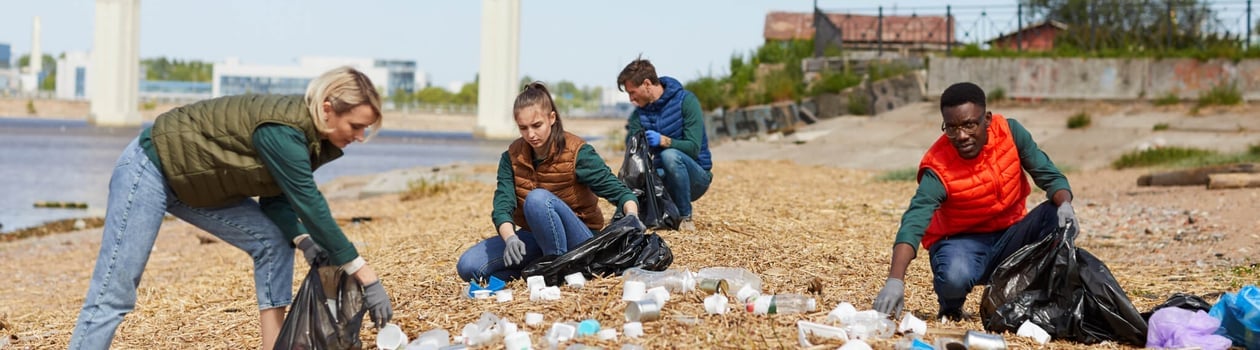
Clean Up Australia Day is a vibrant event that unites communities across the country to tackle litter and waste.

This annual gathering encourages Australians to work together, picking up trash and restoring natural beauty. It’s a lively, hands-on way to make a visible difference, fostering a sense of collective pride and responsibility.

The day is celebrated to address the mounting waste problem in Australia. By removing litter, volunteers help protect wildlife and preserve ecosystems.

This effort not only cleans up public spaces but also raises awareness about the impact of waste on the environment. It’s a day where everyone can participate and make their local areas cleaner and greener.

Another key reason for celebrating Clean Up Australia Day is the strong community spirit it builds. People from different backgrounds come together, creating bonds and strengthening their commitment to protecting the environment.

The event also promotes health and well-being, as participants engage in physical activity while enjoying the outdoors.

It’s a great way to connect with nature and neighbors, all while contributing to a sustainable future.

Clean Up Australia Day Timeline

1953

Keep Australia Beautiful campaign begins

Australian community anti‑litter efforts gain momentum when the Keep Australia Beautiful campaign starts promoting local cleanups and responsible waste disposal.  

1971

First modern container deposit law in South Australia

South Australia passes the Beverage Container Act, introducing container deposit refunds that encourage recycling and reduce roadside litter across the state.  

1987

“Clean‑Up Lake Macquarie” community action

Mayor Ivan Welsh leads a large-scale community cleanup of Lake Macquarie in New South Wales, showing how volunteers can tackle waterway litter in a single coordinated effort.  

1989

Clean Up Sydney Harbour shows urban pollution

Volunteers respond to sailor Ian Kiernan’s call to clean Sydney Harbour, removing thousands of tons of rubbish and revealing the scale of litter and marine debris in Australian waterways.  

1993

International Coastal Cleanup expands global cleanups

Ocean Conservancy’s International Coastal Cleanup, begun in the 1980s, grows into a worldwide citizen-science effort that mobilizes volunteers to collect and record shoreline litter.  

2009

Australia’s first National Waste Policy adopted

Environment ministers agree on a National Waste Policy that emphasizes waste avoidance, recycling, and shared responsibility, reinforcing the role of communities in managing litter and waste.  

2011

Australian Packaging Covenant comes into force

The Australian Packaging Covenant replaces earlier voluntary codes, committing industry and governments to reduce packaging waste and support recycling and litter reduction programs.  

History of Clean Up Australia Day

Clean Up Australia Day began in 1990 and was initiated by Ian Kiernan, a passionate Australian sailor. After witnessing widespread pollution in oceans during his travels, he was motivated to take action.

Kiernan started by organizing a clean-up of Sydney Harbour, which saw 40,000 volunteers collect vast amounts of rubbish. The success of this event led to the creation of Clean Up Australia Day​.

The event quickly gained momentum, with the first nationwide Clean Up Australia Day attracting almost 300,000 participants.

These volunteers spread out across the country, removing litter from beaches, parks, and streets. This large-scale effort highlighted the community’s commitment to addressing environmental issues and protecting natural spaces​.

As Clean Up Australia Day grew, it launched additional initiatives like Business Clean Up Day and Schools Clean Up Day to involve more sectors of society.

Over the years, millions of Australians have joined in, making it one of the largest community-driven environmental campaigns globally. This collective effort not only reduces waste but also fosters environmental awareness and community spirit​.

How to Celebrate Clean Up Australia Day

Gear Up and Go Green

Start the day by gearing up with gloves, bags, and a can-do attitude. Wear comfortable clothes and sturdy shoes.

For extra protection, remember sunscreen and a hat. Assemble your squad of family and friends to join in. Together, you’re unstoppable!

Dive into Local Parks

Hit your favorite local park or beach. Bring extra bags to share with fellow green warriors. Keep an eye out for hidden trash treasures.

The more you collect, the cleaner the area becomes. Reward yourself with a picnic in the newly pristine spot.

Host a Neighborhood Clean-Up

Organize a neighborhood clean-up event. Invite neighbors, kids, and even pets to join the fun. Create teams and make it a friendly competition.

Who can fill their bags the fastest? Celebrate your collective effort with some lemonade and snacks afterward.

Beautify Your Backyard

If traveling is off the cards, start right at home. Clean up your backyard or garden. Collect fallen branches, trim overgrown plants, and pick up litter.

Transform your space into a beautiful sanctuary for both you and the local wildlife.

Get Crafty with Recyclables

Turn trash into treasure by getting crafty with recyclables. Create art projects from the collected items. Design planters from plastic bottles or bird feeders from cans.

It’s a creative way to repurpose waste and have a blast doing it.
Clean Up Australia Day FAQs

How does litter actually harm wildlife and marine life in Australia?

Litter harms Australian wildlife in several ways. Animals can mistake plastic bags, balloons, or fishing line for food, which can block their digestive systems or cause starvation.

Loose loops and nets can entangle turtles, seabirds, and marine mammals, leading to injury, infection, or drowning.

Sharp metal and broken glass can cut paws and feet, while discarded fishing gear and hooks can cause severe wounds.

Microplastics formed as larger items break down are also being found in seabirds and marine animals, which raises concerns about long‑term health impacts across food chains.  

Which types of rubbish are most commonly found in Australian parks and waterways?

Clean Up Australia’s national litter surveys show plastics are the dominant type of rubbish found across most environments.

Soft plastics such as wrappers and bags, hard plastic fragments, and plastic packaging together account for the majority of items reported at clean‑up sites.

Packaging overall is a major contributor, and cigarette butts consistently rank among the most common single items.

Surveys also increasingly record single‑use drink containers and vaping products at a growing number of locations, particularly around urban waterways and parks.  

Why is plastic waste such a major concern in Australia compared with other kinds of trash?

Plastic waste is a major concern because Australia generates about 2.5 million tonnes of plastic waste each year, which works out to roughly 100 kilograms per person, and most of it is not recovered.

Only a small share is recycled, while the majority goes to landfill or leaks into the environment. Plastics are light, easily windblown, and slow to break down, so they accumulate in oceans, rivers, and bushland, where they can persist for decades.

As larger pieces fragment into microplastics, they become even harder to remove and are more readily ingested by wildlife.  

What practical steps make a community clean‑up safer for volunteers?

Safety experts and environmental organizations recommend starting with a site risk assessment to identify traffic hazards, unstable ground, or potential exposure to needles and sharp objects.

Volunteers are advised to wear sturdy closed shoes, gloves, sun protection, and high‑visibility or light‑colored clothing.

Organizers should supply a first aid kit, brief participants on safe lifting techniques, and instruct them not to handle dangerous or excessively heavy items.

Handwashing or sanitizing before eating, careful use of sharps containers for needles or broken glass, and having clear procedures for emergencies all help reduce risk.  

How should rubbish collected at a clean‑up be sorted and disposed of responsibly?

Environmental groups advise separating recyclables from general waste at the point of collection, using clearly labeled bags or bins for plastics, glass, cans, and paper where local recycling services accept them.

Organizers are encouraged to coordinate with their local council before the event to arrange collection from a central drop‑off point or to identify which materials can go into existing kerbside recycling systems.

Very large, hazardous, or heavy objects are generally best left in place and reported to council for specialist removal instead of being handled by volunteers. Accurate counts of the types of items collected can also be recorded to help improve local waste policies.  

Do community clean‑ups make a lasting difference if litter keeps returning?

Research and long‑running clean‑up programs suggest that while a single event removes only a snapshot of waste, repeated community clean‑ups have wider benefits.

They prevent some litter from entering waterways and oceans, reduce immediate risks to wildlife, and improve the appearance of public spaces.

Just as importantly, recording what is collected helps build evidence about problem products and hot spots, which councils and governments can use to change bin infrastructure, enforcement, or packaging rules.

Regular local involvement has also been shown to strengthen people’s sense of responsibility for shared spaces, which can help reduce littering over time.  

How does Australia’s plastic waste problem connect to global environmental issues?

Australia’s plastic waste challenges mirror global trends in overproduction, short‑lived packaging, and limited recycling capacity.

International studies and Australian data both indicate that marine plastic pollution is rising and that most seabird species are at risk of ingesting plastic by mid‑century.

Because ocean currents move floating debris across borders, plastic that escapes Australian waste systems can travel far beyond its coastline.

This makes national efforts to reduce single‑use plastics, improve recycling, and clean up local environments part of a broader global push to cut plastic leakage and protect marine ecosystems worldwide.  

Also on ...

View all holidays

National Barista Day

They create magic in a cup, transforming simple beans into a delicious pick-me-up. From latte art to custom blends, they're the coffee wizards!

Share a Smile Day

Spreading happiness with a simple, friendly expression, lighting up someone's day with warmth and positivity.

St. David’s Day

Embracing traditions with daffodils and lively festivities — a celebration weaving Welsh culture into joyous community gatherings.

International Wheelchair Day

Honoring the vitality of those who rely on wheelchairs, acknowledging resilience, and fostering inclusivity in communities.

View all holidays

We think you may also like...

-

Find your birthday!

Find out what's happening on your big day.

Calendar

Join the community!

Password requirements

  • At least one capital letter
  • At least one lowercase letter
  • At least one number
  • 8 or more characters

Welcome back!

Log in to get personalized recommendations, follow events and topics you love, and never miss a day again!