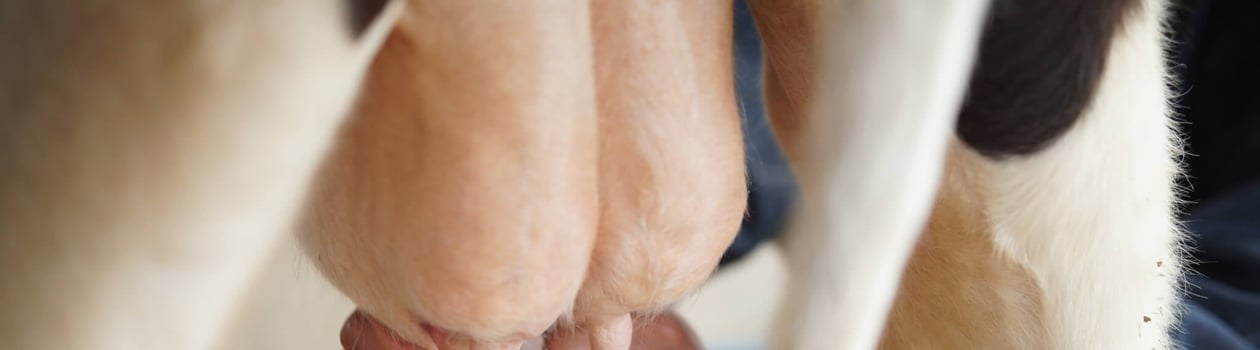
No, this is not a joke. Cow Milked While Flying in an Airplane Day is a real celebration!
Cow Milked While Flying in an Airplane Day commemorates the incredible feat of Elm Farm Ollie, also known as Nellie Jay, the first cow to fly and be milked in an airplane.
This unique event combined aviation and agriculture in a way that had never been seen before. The story of Nellie Jay not only brings smiles but also fascinates many with its blend of fun and historical significance.
How to Celebrate Cow Milked While Flying in an Airplane Day
Host a Cow-Themed Party
Throw a lively cow-themed bash. Decorate your space with black and white spots, serve milk-based snacks, and play farm-inspired games. Friends and family will love the quirky atmosphere, and everyone can join in the fun, celebrating the extraordinary cow, Elm Farm Ollie.
Virtual Reality Experience
Dive into the adventure with a virtual reality simulator. Experience the sensation of milking a cow while flying high. It’s an exciting and modern way to appreciate this unique holiday. Plus, it’s perfect for those who love a mix of technology and history.
Creative Cow Art
Channel your inner artist and create cow-inspired artwork. Use any medium you like—paint, pencils, or digital tools.
Share your masterpieces on social media with friends, spreading the word about this amusing day. Let creativity take flight just like Elm Farm Ollie did.
Milk Tasting Event
Organize a milk tasting session. Gather different types of cow’s milk and explore their flavors. Discuss which one you like best. It’s both fun and educational, highlighting the diversity of dairy products. You might discover a new favorite milk.
Dress Like a Cow
Wear a cow costume for the day. It’s a fun and whimsical way to celebrate. Whether at home, at work, or out and about, your costume will surely bring smiles. Don’t forget to share pictures and enjoy the attention.
Watch a Documentary
Learn more about the historic event by watching a documentary on Elm Farm Ollie. Gather family or friends for a viewing party. It’s a great way to honor the day and understand the significance of this quirky feat.
Share the Story
Tell the tale of Elm Farm Ollie to someone who’s never heard it. Use social media, or write a blog post. Sharing this fun and historic story helps keep the memory alive and spreads the joy of this delightful day.
Why Is This Day Celebrated?
People celebrate this day for several reasons. Firstly, it highlights the unusual but memorable achievement of combining flight and farming. Elm Farm Ollie’s calm demeanor during the flight and milking process made her an iconic figure.
This day also brings attention to the importance of cows and the dairy industry, reminding us of the nutritional value that milk provides. Moreover, it serves as a nod to the ingenuity and adventurous spirit of early aviation pioneers who sought to test and expand the limits of what was possible.
This celebration also emphasizes the roles of agriculture and transportation in our daily lives. It acknowledges the hard work of farmers and the advancements in aviation technology.
By celebrating this day, people appreciate the intersection of these two vital sectors.
It encourages learning more about the history of both fields, making it a day of fun and education. Whether sharing the story on social media or participating in themed activities, Cow Milked While Flying in an Airplane Day continues to captivate and educate people around the world.
Cow Milked While Flying in an Airplane Day Timeline
Early Mechanical Cow Milker
An early hand-operated “American Cow Milker” device demonstrates one of the first serious attempts to mechanize cow milking, foreshadowing later innovations in dairy technology.
First Patented U.S. Milking Machine
New Jersey farmer Anna Baldwin patents the Hygienic Glove Milker, an early mechanical milking machine in the United States that marks a key step toward industrializing dairy work.
First Recorded Air Cargo Flight in the United States
A Wright Model B aircraft carries about 200 pounds of silk from Dayton to Columbus, Ohio, in what is widely recognized as the first cargo flight by airplane in the U.S., demonstrating aviation’s potential to move goods.
Elm Farm Ollie, the First Flying Cow
Guernsey cow Elm Farm Ollie (Nellie Jay) is flown in a Ford Trimotor from Bismarck, Missouri, to St. Louis for the International Aircraft Exposition, becoming the first cow to fly in an airplane and to be milked in flight during a well-publicized demonstration.
IATA Issues Its First Live Animals Regulations
The International Air Transport Association publishes its first Live Animals Regulations, creating standardized global rules for transporting animals by air and improving safety and welfare for shipped livestock.
History of Cow Milked While Flying in an Airplane Day
Cow Milked While Flying in an Airplane Day celebrates a quirky and historic event that took place on February 18, 1930.
On this day, a cow named Elm Farm Ollie, also known as Nellie Jay, became the first cow to fly in an airplane and be milked mid-flight.
This event was part of the International Air Exposition in St. Louis, Missouri. The goal was to study how flying affected a cow’s milk production, but it also served as a publicity stunt.
Elm Farm Ollie’s flight was made possible by a sturdy Ford Trimotor airplane. The aircraft carried her from Bismarck, Missouri, to St. Louis, covering a distance of 72 miles.
During the flight, dairy farmer Elsworth W. Bunce milked Ollie, producing 24 quarts of milk. This milk was then sealed in paper containers and parachuted down to spectators below, making it an unforgettable spectacle.
The day commemorates this unique blend of agriculture and aviation. It honors the adventurous spirit of early aviators and the importance of cows in our daily lives.
Celebrating this day reminds us of the remarkable feats achieved through curiosity and innovation, encouraging us to appreciate both farming and flight in a fun, historical context.
Cow Milked While Flying in an Airplane Day Facts
These facts explore the surprising true story behind Cow Milked While Flying in an Airplane Day, placing the famous stunt in the wider context of early aviation, public trust, logistics, and everyday life in the early 20th century.
Aviation’s “Tin Goose” Was Built to Haul Almost Anything
The Ford Trimotor that carried Elm Farm Ollie was designed in the 1920s as a rugged, all‑metal workhorse able to operate from rough fields and carry mail, passengers, or cargo in almost any weather—so dependable that it was used on early airline routes, Antarctic expeditions, and remote bush operations long before modern airliners existed.
How Airplanes Helped Sell The Idea of Everyday Flight
In the late 1920s and early 1930s, demonstration flights and spectacle flights—ranging from endurance stunts to unusual cargo—were common tools to convince a skeptical public that airplanes were safe, practical machines rather than dangerous novelties, helping lay the cultural groundwork for routine commercial air travel.
The Ford Trimotor Helped Create a Global Airline Network
Ford produced just 199 Trimotors between 1926 and 1933, yet these aircraft pioneered regular airline services on routes across North and South America and even supported polar exploration, showing that multi‑engine, all‑metal transports could reliably knit distant cities and frontiers together.
Moving Milk Was Once a Cutting‑Edge Logistics Problem
In the early 20th century, urban milk supply chains were so time‑critical that cities like London relied on night trains bringing in over 90% of their milk, and competition between rail and emerging truck transport over who could deliver milk freshest and safest became a major driver of logistical innovation.
Refrigerated Transport Transformed Dairy Distribution
Before mechanical refrigeration, dairies depended on ice and rapid delivery, but post‑World War II development of reliable refrigerated trucks—and later interstate highways—allowed milk and other perishables to travel far longer distances without spoiling, reshaping where farms, processing plants, and consumers could be located.
Altitude Quietly Changes What’s In a Glass of Milk
Modern studies comparing dairy herds at different elevations have found that cows kept at higher altitudes often produce milk with higher fat and protein content but lower overall yield, suggesting that thinner air, cooler temperatures, and different forage jointly nudge both how much milk cows make and what’s in it.
Cows’ Milk Production Responds Sensitively to Environment
Research on dairy farms in mountainous regions shows that factors tied to altitude—such as temperature swings, oxygen levels, and feed availability—can raise milk fat and protein while increasing somatic cell counts, highlighting how subtle environmental stresses translate directly into measurable changes in milk quality.