
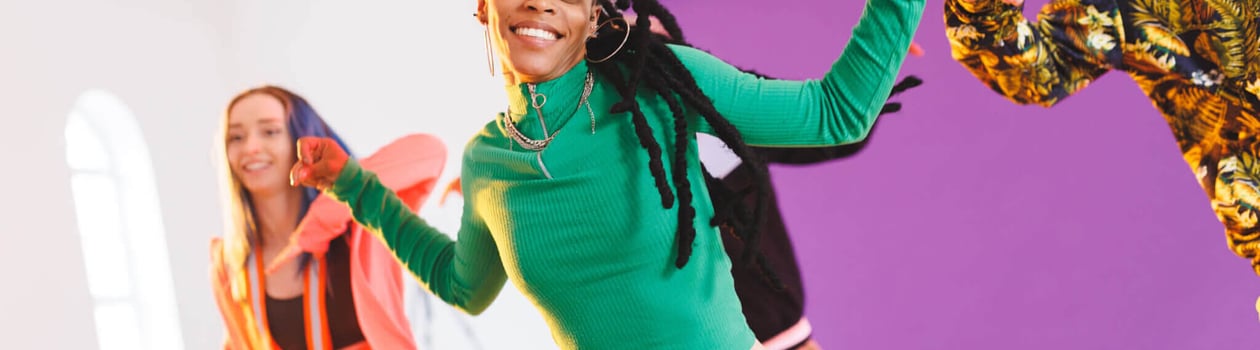
Dance Marathon Day bursts to life with music, movement, and purpose. It’s not just about dancing, it’s about showing up for something bigger and doing it with sore calves and a grin. People come together, often in teams, ready to groove for hours at a time, turning a simple dance floor into a community engine powered by playlists, snack tables, and determination.
The room fills with energy as music pumps, feet move, and spirits soar. Part pep rally, part endurance challenge, part variety show, a dance marathon event usually includes more than just dancing.
There can be themed hours, silly games, group line dances, costume moments, and mini-competitions that keep everyone awake and engaged. Even spectators get pulled in, because it is hard to stand still when a whole room is doing the same chorus at once.
The deeper meaning lies in the mission behind the motion. Dance Marathon Day is strongly associated with dance marathons that raise money for children facing serious illness, often benefiting children’s hospitals and programs that support pediatric patients and their families.
That focus shapes the atmosphere. It’s joyful, but it is also grounded in empathy. Many events incorporate stories from families, shout-outs to honorees, and reminders of why staying on one’s feet matters.
Each step on the floor becomes a small gift of hope. Fundraising might go toward treatment, research, equipment, family assistance, or hospital services designed to make long stays a little easier.
Participants collect donations ahead of time and sometimes during the event through challenges and incentives, so every song can become a reason to keep going one more round.
When people join forces like this, they prove that fun and compassion can go hand in hand. Dance Marathon Day celebrates giving wrapped in rhythm. It invites people who love to dance, people who cannot dance, and people who simply love the idea of helping, all to participate in a way that is tangible, memorable, and surprisingly sweaty.
How to Celebrate Dance Marathon Day
Celebrating Dance Marathon Day offers a unique opportunity to enjoy high-energy activities while supporting charitable causes. A dance marathon can be scaled up or down depending on the space, the budget, and the crowd. Some groups aim for a long endurance format, while others choose a shorter event that still captures the spirit of constant movement and community fundraising.
No matter the style, a little planning makes the celebration more inclusive and more successful. Setting expectations for participants, choosing a clear beneficiary, and building in safety basics like hydration, comfortable footwear encouragement, and check-in points help everyone focus on the fun.
Organize a Dance Marathon Event
Gather friends, family, classmates, or community members to host a dance marathon. Set a time frame that fits the group, such as a few hours, 12 hours, or a full 24-hour event. Some marathons encourage participants to remain standing and keep moving for the duration, with rules that emphasize continuous motion rather than perfect dancing. The point is participation, not performance.
To anchor the event, pick a cause and make the fundraising path simple. Many dance marathons use a pledge model where dancers ask sponsors for donations, either as a flat gift or connected to the length of time the dancer stays in the event. A clear fundraising goal gives the group a shared finish line, and visible progress, like a poster thermometer or a digital tracker, keeps motivation high.
Logistics matter more than people expect. A great dance marathon includes:
- A reliable sound setup and a music plan (DJ, curated playlists, or rotating “guest DJs”).
- A schedule that breaks the time into manageable chunks with planned theme shifts.
- A check-in system for participants, plus a plan for emergencies.
- Water stations, easy snacks, and a designated area to cool down.
It also helps to appoint a small team of organizers rather than leaving everything to one brave soul. Assigning roles, such as music lead, fundraising lead, volunteer coordinator, and operations lead, spreads the work and makes the event feel polished.
Host Themed Dance Workshops
Offer dance classes focusing on various styles like salsa, hip-hop, swing, or even beginner line dancing. Charge a small attendance fee and donate the proceeds to a charitable organization. Workshops are especially useful for groups that want a Dance Marathon Day event without committing to an all-night endurance schedule.
Themes can do a lot of heavy lifting. A “decades” workshop invites participants to dress up and match the playlist. A “music video” workshop encourages playful, exaggerated moves. A “no experience needed” promise makes the room feel safer for beginners.
To keep workshops welcoming and useful:
- Start with a warm-up and a quick overview of basic movement.
- Teach a short routine people can actually remember.
- Offer modifications for different mobility levels.
- Build in breaks for water and breath, especially in high-intensity styles.
If the event supports a children’s hospital or pediatric cause, some organizers add a small moment of mission between classes, such as sharing what the funds will help provide. Keeping it brief maintains the celebratory tone while still honoring the purpose.
Conduct Dance Competitions
Arrange friendly dance-offs or talent shows where individuals or teams showcase their skills. Charge an entry fee, encourage audience donations, and offer prizes to winners, with funds raised going to charity. Competitions add sparkle and give people who love performing a chance to shine, but they can also be structured so everyone feels comfortable joining.
A smart approach is to create multiple categories, such as:
- Funniest routine
- Best group costume
- Most improved dancer
- Crowd favorite
- Best “freestyle surprise”
That way, the same three technically skilled dancers do not sweep every prize, and the vibe stays playful. Audience participation can become part of the fundraiser too. People can “vote” by donating, or donate to trigger challenges like “everyone switches dance styles” or “the DJ must play a surprise genre.”
For fairness and safety, set a few ground rules. Keep routines short, ensure the floor is not overcrowded, and remind participants to wear shoes that will not turn the dance area into a slip-and-slide. The goal is to create excitement, not injuries.
Engage in Virtual Dance Challenges
For those unable to attend in-person events, an online dance challenge is a surprisingly effective way to celebrate Dance Marathon Day. Participants can record themselves dancing, share the video with friends, and invite others to join. Virtual options work well for groups spread across different places, or for supporters who want to contribute without staying on their feet for hours.
A virtual celebration becomes easier when it has a clear prompt. Examples include:
- Learn a simple routine and pass it on.
- Create a “living room marathon” with a set amount of time and a themed playlist.
- Record a short clip for each “hour” of a fundraiser goal to show progress.
To connect the dancing to fundraising, organizers can provide a simple donation method and a short explanation of the cause. A team can also set mini-goals, like unlocking a “bonus song” or a “costume round” when donations reach certain milestones. Even through a screen, that shared momentum keeps people engaged.
Collaborate with Local Businesses
Partner with dance studios, gyms, community centers, event spaces, and even cafés that can host a small pop-up dance break. Collaborations can provide venues, instructors, sound equipment, or sponsorship support, all of which make Dance Marathon Day easier to run and more visible.
A studio might donate a class, a local shop might contribute snacks, or a business might match donations up to a certain amount. Some groups set up a “dance route,” where participants visit several partner locations for short dance sessions, collecting donations as they go. That approach turns Dance Marathon Day into a moving community event that feels festive rather than confined to one room.
Partnerships also help with credibility. When a trusted local organization supports the event, newcomers are more likely to participate, and donors may feel more confident that the effort is well-organized.
Incorporate Fundraising Incentives
Motivate participants by offering incentives for reaching fundraising milestones. Rewards can include small prizes, recognition during the event, or funny challenges that create memories and photos. Incentives work because they make fundraising feel like a game rather than a chore, and they give participants an excuse to ask for support without feeling awkward.
Practical incentive ideas include:
- Milestone wristbands or stickers that show fundraising levels.
- “Song requests” unlocked by donations, so donors can dedicate a track.
- Themed accessories for top fundraisers, like a crown, cape, or sash.
- Team-based incentives, such as a bonus break area or a special group dance moment.
It also helps to build incentives that reinforce the mission, not just the spectacle. For instance, an organizer might tie certain donation thresholds to specific needs, such as supporting family services or helping fund hospital programs for young patients. When participants understand what their fundraising can provide, they often feel more committed to staying engaged before and during the event.
Dance Marathon Day Timeline
Alma Cummings Sparks the Dance Marathon Craze
New York dance instructor Alma Cummings dances for 27 hours at the Audubon Ballroom, outlasting six partners and setting a sensational record that launches the nationwide fad for endurance dance contests.
Dance Marathons Turn into Depression‑Era Endurance Contests
As economic conditions worsen, dance marathons evolve from lighthearted novelty events into grueling walkathon-style endurance shows that offer food, shelter, and the chance at life-changing cash prizes.
Record‑Setting Marathon in Somerville, Massachusetts
Dancers Callum deVillier and Vonny Kuchinski reportedly set a staggering record of 3,780 hours of continuous marathon dancing in Somerville, Massachusetts, highlighting how extreme the contests had become.
Cities and States Begin Banning Dance Marathons
Following deaths, breakdowns, and moral outrage, cities such as Seattle and Boston, and later the state of Washington in 1937, passed ordinances restricting or banning dance endurance contests to protect public health.
Hollywood Captures the Dark Side in “They Shoot Horses, Don’t They?”
Horace McCoy’s novel “They Shoot Horses, Don’t They?” depicts a brutal Depression‑era dance marathon, cementing the image of these contests as exploitative spectacles in American popular culture.
Northwestern University Revives the Dance Marathon as Philanthropy
Students at Northwestern University organize a 52‑hour dance marathon that channels the old endurance format into a student‑run fundraiser, helping pioneer the modern model of charity-focused dance marathons.
Children’s Miracle Network–Style Campus Dance Marathons Expand
Students at the University of Iowa launch a large-scale dance marathon in partnership with Children’s Miracle Network Hospitals, helping to spread the idea of student‑led, all‑night dancing events that raise money for children’s hospitals.
History of Dance Marathon Day
Dance marathons emerged in the early 1920s as lively endurance competitions where couples danced for extended periods, aiming to outlast others for prizes. The idea fit the spirit of the era, when novelty endurance stunts attracted crowds and headlines. Dancing for hours was part athletic feat, part entertainment, and part social scene.
A key spark came from a New York City dance instructor named Alma Cummings, who danced for 27 hours in 1923. Reports describe her rotating through multiple partners as she kept going, which helped make the feat sound even more unbelievable to the public.
That single performance captured imaginations and helped push dance marathons into the mainstream, where imitators and promoters quickly took notice.
As these events spread, they shifted from playful challenges into full-scale productions. Promoters realized that if spectators would pay to watch a long contest, the contest could be stretched. Dance floors became stages. Contestants became characters. Audiences came not just for the dancing, but for the drama of who would quit and who would endure.
As the Great Depression gripped the nation in the 1930s, dance marathons took on a more somber tone. Unemployed individuals and struggling families saw them as opportunities for food, shelter, and the possibility of prize money. In some cases, the events provided contestants with meals and a place to stay, making participation feel like a desperate but practical choice.
Organizers, meanwhile, often leaned into spectacle. Competitions could last for weeks. Contestants were kept moving with only brief breaks, sometimes allowed to doze while leaning on a partner or during tightly controlled rest periods.
The line between endurance sport and exploitation became thin, and in many cases it disappeared entirely. The longer the contest ran, the more tickets could be sold, and the more the contestants’ exhaustion became part of the show.
Communities began to push back. Reports of injuries, collapse, and even deaths contributed to public concern, and many places introduced restrictions or outright bans. Even where dance marathons were permitted, they were increasingly seen as risky, both physically and ethically. The fad waned as regulations tightened and public taste shifted.
Over time, the concept of a “marathon” event evolved. The endurance format did not vanish, but it began to reappear in safer, more mission-driven forms. By the 1970s, dance marathons were being revived with a philanthropic focus, particularly in school and university settings. Instead of watching contestants struggle, communities were invited to join in and participate, with the emphasis placed on collective effort and charitable fundraising.
That shift changed the tone completely. Modern dance marathons borrowed the energy and excitement of earlier events but replaced the exploitative elements with structure, supervision, and a clear purpose.
Organizers built in entertainment to keep morale high, but also prioritized participant care through planned breaks, hydration, and volunteer support. Rather than aiming to “outlast” others, participants aimed to honor beneficiaries and reach fundraising goals together.
Today, dance marathons are organized primarily to support charitable organizations, especially children’s hospitals and pediatric health programs. Participants pledge to dance or remain on their feet for extended periods, gathering donations that can support treatment, family services, and hospital resources. Many events also highlight the voices of patients and families, keeping the focus on real lives rather than just the length of the event.
In that modern form, Dance Marathon Day reflects a simple but powerful idea: a community can turn joy into action. Music becomes momentum, movement becomes meaning, and a room full of tired dancers can still look like hope in motion.
When Dancing Became an Endurance Spectacle
Alma Cummings Sparked the First American Dance Marathon Craze
In March 1923, New York dance instructor Alma Cummings reportedly danced for 27 hours straight at the Audubon Ballroom, changing partners six times as each one collapsed from exhaustion before she did.
Newspapers treated the feat as a curiosity, but imitators quickly followed around the country, turning her personal stunt into a national fad for grueling endurance contests.
Great Depression Hardship Turned Marathons Into Survival Contests
By the early 1930s, dance marathons were no longer just novelty competitions; for many unemployed Americans, they became a way to secure food, shelter, and the slim hope of a cash prize that might equal a year’s wages.
Historians note that couples sometimes danced or shuffled for weeks at a time, with promoters supplying cots, meals, and minimal rest breaks, effectively turning the events into public tests of economic desperation.
Some Dance Marathon “Records” Lasted More Than 50 Days
At the height of the craze, contests were measured not in hours but in weeks. In 1928, couples in the industrial towns of Hammond and Whiting-Robertsdale, Indiana, logged more than 1,150 hours on the floor, and one widely reported event reached 1,208 hours, or just over 50 days.
These marathons allowed only brief rest periods every hour or so, meaning participants spent almost all of that time on their feet.
Cities and States Banned Dance Marathons Over Health and Morality Fears
As reports of collapses, breakdowns, and at least one death mounted, local governments began to outlaw dance marathons.
Boston and Los Angeles moved against the contests as early as 1923, and by the 1930s, places like Seattle, Tacoma, Bellingham, and even the state of Washington had passed bans, citing dangers to health as well as concerns that the events were degrading and exploitative.
Audiences Paid to Watch Exhausted Dancers Stumble On
The business model of early dance marathons relied less on entry fees and more on ticket-buying spectators who returned night after night to watch contestants slowly wear down.
Contemporary accounts describe crowds cheering when dancers nodded off on their partners’ shoulders or were roused awake by officials, revealing how the spectacle of exhaustion itself became a form of popular entertainment.
Collegiate Dance Marathons Recast the Tradition as Philanthropy
In 1975, students at Northwestern University launched a 52-hour dance marathon to raise money for a local charity, helping to reinvent the marathon format as a philanthropic event rather than a commercial spectacle.
That model spread to campuses across the United States and later to the Children’s Miracle Network Dance Marathon program, which has since raised hundreds of millions of dollars for children’s hospitals.
Prolonged Standing Carries Documented Health Risks
While few medical studies focus on dance marathons specifically, occupational health research on prolonged standing shows that staying upright for long stretches without adequate rest is linked to leg and back pain, swollen feet, varicose veins, and increased risk of cardiovascular problems.
These findings help explain why early endurance dances, which kept participants on their feet for most of the day, were eventually flagged as hazardous by public health officials.
Dance Marathon Day FAQs


You may also like

International Pageant Day
International Pageant Day celebrates the women and girls around the world who step into pageantry, not only for the sparkle and stage lights, but for the discipline, training, and nerve it takes to be judged in public. A pageant contestant is often part performer, part athlete, part public speaker, and...
- Philippines
- United States
- Venezuela
National Dance Day
Losing oneself in the rhythm, letting the music guide, expressing feelings without words, and sharing the joy of movement.
- Australia
- Canada
- United Kingdom
- and 1 more

International Sports Car Racing Day
International Sports Car Racing Day puts the spotlight on one of motorsport’s most entertaining corners: the world of sports car endurance racing, where sleek machines, clever strategy, and driver stamina collide. It’s a day for fans to savor roaring engines and razor-thin margins, but also to appreciate the teamwork and...
- Germany
- International
- Italy
- and 1 more
National Game Show Day
National Game Show Day honors classic and modern TV game shows, their hosts, and fans, celebrating shared fun, trivia, and friendly competition at home.
- United States
National days and holidays on March 31
March Madness
Get your game face on for March Madness! This high-energy tournament is a slam dunk of excitement, passion, and heart-pumping action. So grab your team colors, gear up for the showdown, and let the madness begin!
- United States
Semana Santa
Semana Santa, or Holy Week, is a profound time of reflection and devotion in many Christian communities. Streets come alive with solemn processions, participants carry religious icons, and traditional music fills the air. This period focuses on the final days of Jesus Christ, drawing believers together in shared faith and contemplation...
- Guatemala
- Mexico
- Portugal
- and 1 more

Make Mine Chocolate
"Make Mine Chocolate" is a lively campaign urging people to think twice before giving live rabbits as Easter gifts. The campaign encourages people to opt for chocolate bunnies instead. This approach helps spread the message of responsible pet ownership while offering a sweet alternative that won't end up in shelters...
- United Kingdom
- United States
Transfer Day
Transfer Day marks the moment when the U.S. Virgin Islands officially became part of the United States. Each year, the day brings people together to remember a major shift in the islands’ story, from the way government worked to the flags flying over public buildings. Public events, flag ceremonies, and school...
- United States
Seize Every Day
Join free for personalised recommendations, email reminders and exclusive guides. Never miss a day.