
Imagine a world where books don’t just feed the mind but also satisfy the taste buds. That’s exactly what Edible Book Day brings to life.
On this creative day, people craft delicious treats shaped like famous novels, beloved characters, or even clever puns.
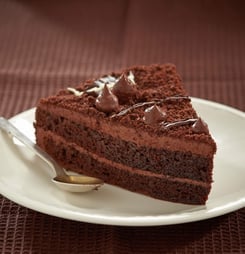
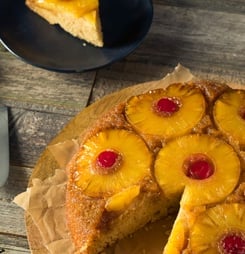
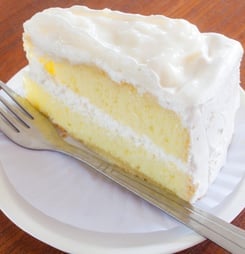
Some design cakes that look like leather-bound classics, while others bake cookies inspired by fairy tales. Every bite blends storytelling with flavor, turning simple food into edible art. It’s a day where imagination leaps from pages straight onto plates.
Edible Book Day reminds everyone that creativity doesn’t have limits. It proves that stories can live beyond paper and words. People from all walks of life join in, celebrating the magic of literature through frosting, chocolate, and fresh dough.
The event sparks laughter, sparks connection, and brings a fresh way to honor books.
Whether it’s a towering cake novel or a tiny pastry poem, the joy of merging food and fiction leaves a lasting, delicious memory.
Edible Book Day Timeline
Brillat-Savarin and the literature of gastronomy
French lawyer and gastronome Jean Anthelme Brillat-Savarin is born on April 1; his 1825 work “Physiologie du goût” helps establish food writing as a serious literary genre that links cuisine with culture and ideas.
Publication of “The Physiology of Taste”
Brillat-Savarin publishes “Physiologie du goût,” a reflective, essay-style book that treats eating as both art and philosophy, shaping later notions of gastronomy as something to be read, argued over, and artistically interpreted.
Rise of decorative and sculpted cakes
Advances in refined sugar and techniques like royal icing allow European pastry cooks to model elaborate centerpieces, including books, documents, and scrolls, for banquets and displays, turning literary motifs into edible showpieces.
Emergence of the artist’s book movement
Artists in Europe and North America begin treating books as artworks in their own right, experimenting with nontraditional forms and materials and blurring the line between reading object and sculptural art.
Food art and edible installations gain ground
Contemporary artists increasingly work with food as a medium, staging performances and installations where edible materials are shaped, read, and then consumed, reinforcing food’s role as both visual and conceptual art.
First “International Cake Exploration Societé” convention book cakes
Decorative cake communities showcase realistic sculpted cakes, including open volumes and stacked “novels,” at international conventions, popularizing book-shaped cakes among hobby bakers and professionals.
Book artists embrace edible and playful formats
By the late 1990s, book artist communities are well established, and practitioners such as Béatrice Coron and colleagues explore humorous, participatory, and sometimes edible interpretations of the book form, setting the stage for organized “books you can eat.”
How to Celebrate Edible Book Day
Let Your Imagination Bake
Bake a cake shaped like your favorite book cover. Use colorful frosting, sprinkles, and candy to bring the story to life.
Choose a title that means something special to you. Enjoy the fun of seeing your favorite story turn into a sweet treat.
Host a Tasty Storytime
Gather family or friends for a read-aloud session with edible book creations. Each guest can bring their own dish.
Match the food with a story, a character, or a magical moment from a book. Share laughter, good food, and wonderful tales.
Join an Edible Book Contest
Look for local or online contests where people showcase their edible masterpieces. Design something unforgettable using cake, bread, or cookies.
Take a few photos of your creation before you taste it. Celebrate every design, big or small, as a delicious win.
Create a Mini Edible Library
Make several small treats inspired by different books. Craft cupcakes for fantasy stories, cookies for mysteries, and pies for romance novels.
Arrange them neatly on a table like a library shelf. Invite friends to pick a sweet “story” to enjoy.
Share the Fun Online
Post pictures of your edible book creations on social media. Use a fun caption that hints at the book you recreated.
Encourage others to guess the title before revealing it. Spread smiles, spark inspiration, and keep the celebration going beyond your kitchen.
History of Edible Book Day
Edible Book Day started in 2000 with a simple but brilliant idea. Judith A. Hoffberg, a librarian and art lover, teamed up with artist Béatrice Coron to make it happen.
They wanted to bring together the worlds of food, books, and creativity in a way that would delight everyone. Together, they encouraged people to create edible art inspired by their favorite stories, famous titles, or clever literary jokes.
The first celebrations popped up in many different cities across the globe. Artists, writers, and everyday book lovers baked cakes, shaped cookies, and molded treats that looked like real books.
Some designs stayed true to the covers of classic novels, while others offered fun, unexpected twists. Every creation celebrated both imagination and deliciousness.
Since then, Edible Book Day has grown into a playful tradition enjoyed by people of all ages. Libraries, schools, art centers, and families all join in to honor their favorite books in sweet and savory ways. The event keeps spreading laughter, joy, and a shared love for storytelling, one tasty creation at a time.