
Evacuation Day in Boston marks the moment when the city was freed from British military control during the early days of the American Revolutionary War. The event stands out as the first major victory for the Continental Army, led by George Washington.
After months of tense standoffs and strategic moves, including placing cannons on Dorchester Heights, Washington forced the British troops to depart. For the colonists, this success not only ended the eleven-month siege but also fueled their determination for independence.
The atmosphere during the first celebration of Evacuation Day was electric. Boston’s residents gathered in the streets, knowing their city had been secured without the heavy casualties that came with other battles.
Over time, the day took on extra meaning as it coincided with St. Patrick’s Day, allowing Bostonians, especially those of Irish descent, to celebrate dual themes of freedom and cultural pride. Today, it remains a reminder of the city’s resilience and the strategic brilliance that led to this pivotal victory.
Evacuation Day in Boston Timeline
Siege of Boston Begins After Lexington and Concord
In the aftermath of the battles of Lexington and Concord, colonial militia surround British-held Boston, beginning an eleven‑month siege that traps redcoat forces inside the town and nearby Charlestown.
Bloody Battle of Bunker Hill Shapes British Strategy
British troops seize the Charlestown peninsula in a costly assault at Bunker and Breed’s Hills, convincing General William Howe that future frontal attacks on entrenched Americans, such as any attempt to retake new heights, would be dangerously expensive.
Henry Knox Hauls Guns from Fort Ticonderoga
Colonel Henry Knox leads a winter expedition to transport roughly 60 tons of captured British artillery from Fort Ticonderoga to the Continental camp at Cambridge, providing the heavy guns Washington needs to threaten Boston.
Overnight Fortification of Dorchester Heights
Using Knox’s artillery and prefabricated defensive works, about 2,000 Continental soldiers labor through the night to fortify Dorchester Heights, placing cannon where they can command both the town of Boston and the British fleet in the harbor.
Howe Prepares for Evacuation or Destruction of Boston
British commander William Howe issues a proclamation demanding townspeople surrender textiles useful to the army and privately signals that if his embarkation is attacked, his troops are authorized to burn Boston as they depart.
British Fleet Sails for Halifax
Before dawn, British troops and hundreds of Loyalists board about 120 vessels and sail from Boston to Halifax, Nova Scotia, ending the siege and giving Washington and the Continental Army their first major strategic victory of the war.
Witnesses Record the Evacuation in Real Time
Boston diarists, including merchant William Cheever, note the sight of departing British ships and the cautious entry of American forces, leaving an on‑the‑spot record of how residents experienced the liberation of their town.
How to Celebrate Evacuation Day in Boston
Evacuation Day in Boston gives locals a fun excuse to embrace history and celebrate freedom. While observing this unique holiday, try these lively ways to bring the past to life and enjoy the spirit of the day.
Attend a Historic Reenactment
Step back in time by watching a reenactment of the British troops’ departure from Boston. These performances, often set in historic areas like Dorchester Heights, bring the sights and sounds of the Revolutionary War to life.
Enjoy the dramatic cannon firings and witness characters in 18th-century attire recreating a moment that changed history.
Explore Boston’s Revolutionary War Sites
Tour sites that played a role during the American Revolution. Visit landmarks like the Old State House or the Paul Revere House, where history whispers through every brick.
Many places host special events or guided tours on this day, making it a great time to delve deeper into the city’s storied past.
Combine Celebrations with St. Patrick’s Day
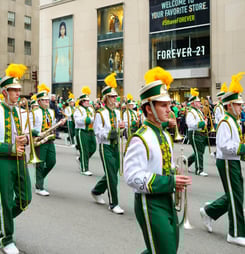
Take advantage of the shared date with St. Patrick’s Day. Participate in the parade, which doubles as a celebration of Boston’s Irish heritage and the evacuation.
Don green, enjoy the lively atmosphere, and let the two holidays blend into one big day of fun.
Join a Local History Walk
Explore Boston’s streets with a knowledgeable guide who shares tales of the city’s wartime experiences. Learn about the strategies that pushed the British out and the leaders who planned it all.
Walking through these historic paths adds an extra layer of meaning to the day’s observance.
Host a Themed Party
Throw a Revolutionary War-themed gathering. Encourage guests to wear period costumes, serve colonial-era treats, and share stories about Boston’s liberation. It’s a chance to turn history into a social event while paying tribute to the city’s brave past.
From live history displays to combining festive traditions, Boston offers plenty of ways to make Evacuation Day memorable.
History of Evacuation Day in Boston
Evacuation Day in Boston began as an official holiday in 1901, recognizing a key moment from the American Revolution.
The celebration marks when George Washington’s forces successfully drove the British out of the city after an eleven-month siege.
By fortifying Dorchester Heights with cannons, the Continental Army made it impossible for the British to hold their position. Faced with the threat of bombardment, the British troops left Boston, never to return.
The idea to commemorate this event came from local leaders who wanted to honor Boston’s history. The date coincides with St. Patrick’s Day, which helped its popularity, especially among Boston’s large Irish community.
The shared celebration allowed the city to combine cultural pride with historical remembrance. Schools and government offices in Suffolk County often close to observe this day.
The victory marked the Continental Army’s first major victory, boosting morale throughout the colonies. It proved that the colonial forces could stand up to British military power. For Bostonians, Evacuation Day symbolizes both a historic military success and the city’s fighting spirit.
In the early years, celebrations included parades, speeches, and reenactments that brought the past to life. These activities helped build a strong tradition around the holiday, making it more than just a footnote in history.
Even today, people gather to remember the day when Boston was finally free.
Facts About Evacuation Day in Boston
Noble Train of Artillery Across Winter New England
In one of the most ambitious logistics feats of the Revolution, Colonel Henry Knox spent the winter of 1775–1776 hauling roughly 60 tons of captured British artillery about 300 miles from Fort Ticonderoga to the Boston area.
Using oxen and sleds, his team dragged 59 heavy cannon and other ordnance across frozen rivers and the snowy Berkshires in just over six weeks, providing the firepower that made Boston Harbor untenable for the British.
Dorchester Heights: A Fortress Built in a Single Night
On the night of March 4, 1776, thousands of Continental soldiers and local laborers quietly transformed Dorchester Heights from bare ground into fortified earthworks bristling with artillery.
Working under cover of darkness and aided by muffled wagon wheels and pre-fabricated defensive structures, they emplaced the Ticonderoga guns in less than 12 hours, so that British officers awoke on March 5 to find powerful batteries suddenly commanding the harbor.
A City Trapped Between Land and Sea
Throughout the Siege of Boston, roughly 16,000 to 20,000 New England militia and Continental soldiers ringed the city, cutting British forces off by land while Royal Navy vessels kept a tenuous lifeline open by sea.
According to the Massachusetts Historical Society, this stand‑off lasted 332 days, with British troops penned inside a town suffering food shortages, crowded conditions, and the constant threat of colonial entrenchments creeping closer.
The British Fleet’s Departure Was a Massive Maritime Operation
When General William Howe finally decided to abandon Boston, the evacuation involved about 120 ships crowded into the harbor.
Contemporary accounts compiled by historians indicate that nearly 10,000 British soldiers and more than 1,000 Loyalist civilians, including at least 667 women and 553 children, were loaded onto this convoy, which sailed for Halifax, Nova Scotia, turning Boston from a British stronghold into a Patriot-controlled port almost overnight.
The First Medal Ever Authorized by the Continental Congress
To recognize the strategic victory at Boston, the Continental Congress voted on March 25, 1776, to award George Washington a gold medal known as the “Washington Before Boston” medal.
According to the American Battlefield Trust and other historians, it was the first commemorative medal ever authorized by Congress, setting a precedent for using formal honors to mark major military achievements in the new nation.
Evacuation Day Marked the End of Britain’s Permanent Presence in Massachusetts
After the March 1776 withdrawal, British forces never again established a permanent base in Massachusetts, returning only for coastal raids and short-term operations.
The success of the siege and the evacuation pushed the focus of the Revolutionary War south and helped secure New England as a critical recruiting ground, supply base, and political stronghold for the Patriot cause.
Boston’s Siege Drew Soldiers From Across the Colonies
Although the siege ring around Boston began with Massachusetts militia, records compiled by Revolution 250 and the Massachusetts Historical Society show that troops soon arrived from as far away as Virginia and Pennsylvania.
The camps surrounding the town became an early laboratory for forging a truly Continental Army, as men from multiple colonies trained, built fortifications, and learned to serve under a single chain of command.