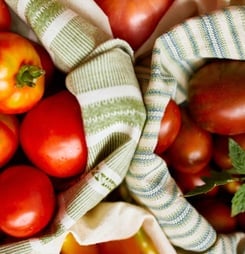
Did you know that tomatoes have their special day? Fresh Tomato Day celebrates this beloved fruit’s vibrant flavors and health benefits.
It’s a fun occasion for everyone who enjoys the taste and nutrition tomatoes add to meals. People use this day to appreciate tomatoes in all their forms, from juicy slices in salads to rich sauces on pasta.
This celebration brings together tomato lovers to honor this versatile fruit that brightens up any dish!
Fresh Tomato Day Timeline
Aztec Cultivation of Tomatoes
By around 700 CE, Aztec and other Mesoamerican peoples were cultivating tomatoes and using them in cooking, giving the fruit its Nahuatl-derived name “tomatl.”
Tomatoes Enter the Columbian Exchange
Spanish colonizers carry tomatoes from the Americas to Europe in the 16th century, beginning the global spread of this once-local crop.
First European Description by Matthioli
Italian physician-botanist Pietro Andrea Matthioli publishes the first known European description of the tomato, noting it as a new eggplant-like plant with edible fried fruits.
Tomatoes Recorded in a Medici Garden
A steward of Cosimo I de’ Medici reports a basket of tomatoes from a ducal estate near Florence, showing tomatoes grown as curiosities in elite Italian gardens.
John Gerard Describes Tomatoes in England
Herbalist John Gerard includes tomatoes in his Herbal, noting they are eaten in Spain and Italy but treated more cautiously and ornamentally in England.
Early Printed Tomato Sauce Recipe in Naples
Cook and steward Antonio Latini, working in Spanish-ruled Naples, publishes one of the earliest European tomato sauce recipes, signaling their move into everyday cooking.
Tomatoes Legally Classed as Vegetables in the U.S.
In Nix v. Hedden, the U.S. Supreme Court rules that tomatoes are vegetables for tariff purposes, even though botanically they are fruits, reflecting their culinary role.
How to Celebrate Fresh Tomato Day
Host a Tomato Tasting Party
Invite friends over for a tomato-tasting party. Provide different tomato varieties, like heirloom, cherry, and Roma.
Let everyone sample the flavors and discuss their favorites. Pair tomatoes with various cheeses and breads to add a bit of fun. This delicious and interactive experience will leave everyone smiling and satiated.
Create a Tomato Recipe Book
Spend the day gathering unique tomato recipes from family, friends, or online sources. Compile these into a charming homemade recipe book.
Try a few new dishes, like tomato soup or a fresh tomato tart. This project not only celebrates the fruit but also adds new recipes to your culinary arsenal.
Visit a Local Farmers’ Market
Head to the nearest farmers’ market and explore the stalls brimming with fresh, locally-grown tomatoes. Chat with farmers to learn more about their produce.
Pick out the juiciest tomatoes to take home. Supporting local agriculture feels good and tastes even better.
Organize a Tomato-themed Craft Day
Get crafty with tomato-themed projects. Paint cute tomato faces on small rocks, make tomato stamps from cut tomatoes, or create a tomato collage.
Kids and adults alike will enjoy this creative and relaxing activity. It’s a fun way to celebrate while letting your artistic side shine.
Share Tomato Love on Social Media
Share your tomato adventures on social media. Post pictures of your tomato dishes, recipes, or crafts. Use a fun hashtag to join the larger tomato-loving community.
Engage with others by liking and commenting on their posts. This digital celebration connects you with fellow enthusiasts worldwide.
Reasons for Celebrating Fresh Tomato Day
Fresh Tomato Day is important for several reasons. It highlights the tomato’s role in global cuisine, showcasing its culinary versatility.
The day also promotes the health benefits of tomatoes, which are rich in vitamins, antioxidants, and other nutrients.
Another key aspect is supporting local farmers and sustainable farming practices, such as encouraging the purchase of fresh, locally grown tomatoes.
Additionally, the day inspires culinary creativity, motivating people to try new recipes and enjoy the many ways tomatoes can be used in cooking.
History of Fresh Tomato Day
Fresh Tomato Day was first mentioned in print in 2005 in Indiana, marking its official start as a celebration. The day was created to promote the appreciation of fresh tomatoes, highlighting their nutritional value and culinary versatility.
The idea was likely driven by the growing popularity of tomatoes in American cuisine, influenced by their rich history and increasing demand in the 19th and 20th centuries.
Initially, tomatoes faced suspicion in Europe due to their resemblance to the poisonous nightshade plant. However, as their benefits became known, tomatoes gained popularity.
By the 18th century, they were widely accepted and integrated into various culinary traditions. In the United States, the mass migration of Italians in the 1800s helped spread tomato-based dishes, further embedding tomatoes in American food culture.
Fresh Tomato Day celebrates this journey and the widespread love for this nutritious and delicious fruit.
Facts About Fresh Tomato Day
Tomatoes Are Botanically Berries, Not Vegetables
Botanists classify the tomato as Solanum lycopersicum, a member of the nightshade family whose fleshy, seed‑bearing structure develops from the ovary of a flower.
That makes each tomato a true botanical berry, even though in kitchens and markets around the world it is treated as a savory vegetable.
A Supreme Court Case Declared Tomatoes “Vegetables” for Tariffs
In the 1893 U.S. Supreme Court case Nix v. Hedden, produce importers argued that tomatoes should be taxed as “fruit,” which carried a lower tariff than “vegetables.”
The Court unanimously ruled that, despite their botanical status as fruits, tomatoes were “vegetables” under customs law because they were commonly eaten with the main part of a meal rather than as dessert.
Tomatoes Share a Family With Deadly Nightshade and Tobacco
Tomatoes belong to the Solanaceae, or nightshade family, alongside potatoes, eggplant, peppers, tobacco, and the poisonous deadly nightshade (Atropa belladonna).
The family is known for alkaloid compounds, and tomato plants themselves produce glycoalkaloids like tomatine, which are concentrated in leaves and green fruit; fully ripe fruit, however, contains only low levels and is considered safe to eat.
Domestication Gave Tomatoes a Complex American Origin Story
Genomic studies show that today’s cultivated tomato evolved through several stages, beginning with wild Andean relatives, then a small-fruited intermediate form (Solanum lycopersicum var. cerasiforme) likely originating in what is now Ecuador, before larger, fully domesticated types emerged in Mesoamerica.
This multi‑step process, shaped by Indigenous farmers from Peru to Mexico, produced the wide, fleshy fruits now used in global cuisine.
Domestication Severely Narrowed Tomato Genetic Diversity
As tomatoes moved from South America into Central America and then to Europe, they went through strong genetic bottlenecks.
Only a fraction of the diversity found in wild and semi‑domesticated populations made it into the modern cultivated tomato, leaving today’s commercial types relatively uniform. Plant breeders now tap wild relatives and older forms to reintroduce traits such as disease resistance and improved flavor.
Fresh Tomato Flavor Depends on a Delicate Balance of Sugars and Acids
The characteristic taste of a ripe tomato is largely governed by the ratio of simple sugars, mainly glucose and fructose, to organic acids such as citric and malic acid.
Consumers tend to prefer varieties where sweetness and acidity are well balanced rather than simply very sweet, which is why breeding for flavor quality focuses on sugar–acid balance as much as on sugar content alone.
Refrigeration Can Dull the Aroma of Ripe Tomatoes
Postharvest research has found that storing ripe tomatoes at typical refrigerator temperatures around 4–5 °C suppresses the production of key aroma volatiles, including “green” notes like cis‑3‑hexenal and certain fruity compounds.
Sugar and acid levels change little, but the loss of these volatiles makes chilled tomatoes taste noticeably blander than fruits stored briefly at room temperature.