
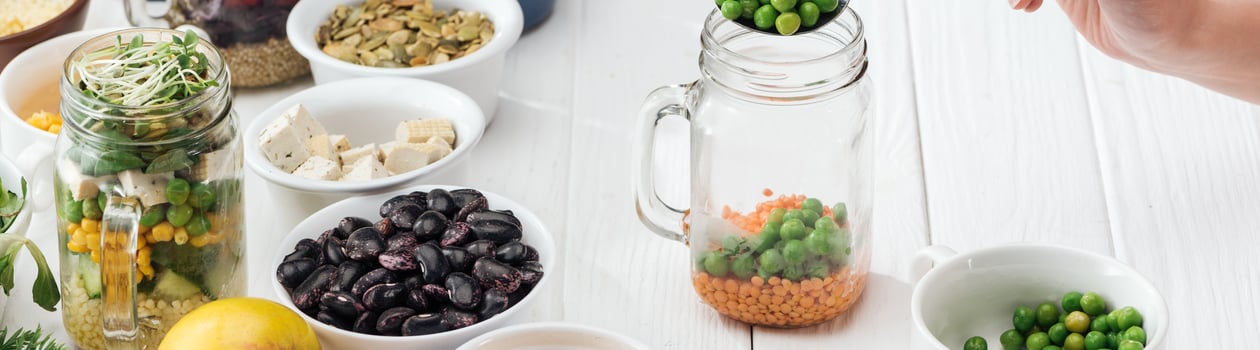
Let’s All Eat Right Day encourages everyone to focus on nutrition and healthy eating habits. It’s a friendly nudge to pay attention to what ends up on the plate, not with perfection in mind, but with a little more intention.
Food fuels work, play, rest, and everything in between, and small choices made consistently can add up to big changes in energy, mood, and long-term health.
Celebrating Let’s All Eat Right Day involves more than just eating healthy for one day. It’s about committing to long-term changes that include incorporating more fruits, vegetables, whole grains, and lean proteins into meals.
It also invites people to notice patterns: Are meals balanced, or are they mostly quick carbs? Is water the default drink, or sugary beverages? Are snacks doing any real nutritional work, or just filling time? The spirit of the day is practical and upbeat: eat foods that help the body do what it does best.
How to Celebrate Let’s All Eat Right Day
Host a Rainbow Feast
Bring people together for a bright, cheerful potluck where color is the theme. Invite friends or family and ask each person to prepare a dish built around vibrant fruits or vegetables.
“Eating the rainbow” isn’t just a catchy saying. Food color often hints at the nutrients inside. Orange foods like carrots and sweet potatoes are rich in carotenoids. Dark leafy greens commonly provide folate, vitamin K, and magnesium. Purple and blue foods such as berries or purple cabbage contain plant compounds with antioxidant properties. A table full of color naturally encourages variety, without anyone needing to track numbers or rules.
To keep things simple, let guests choose a color category: red, green, yellow, purple, and so on. Set a relaxed guideline of mostly whole ingredients and let creativity do the rest. Easy, shareable ideas include:
- A crisp slaw with purple cabbage, shredded carrots, and a citrus dressing
- Skewers with cherry tomatoes, cucumber slices, and melon cubes
- A bean salad loaded with chopped bell peppers and fresh herbs
- A fruit platter featuring at least one fruit everyone hasn’t tried before
Picture a table filled with bright salads, colorful fruit plates, and vegetable-based dishes. It’s a fun way to mark Let’s All Eat Right Day while gently expanding everyone’s idea of what healthy food can look like. For an extra touch, add small cards next to each dish highlighting one ingredient and its benefit, such as “beans for fiber and plant protein” or “leafy greens for folate.”
Farmer’s Market Adventure
Spend a morning wandering through a local farmer’s market. Talk with growers, sample produce, and learn what’s in season.
Shopping this way turns healthy eating into an experience rather than a checklist. Seasonal fruits and vegetables often taste better, and flavor matters because food that tastes good is food people want to cook again. Markets also introduce ingredients that don’t always appear in everyday grocery shopping, like unusual greens, heirloom beans, or lesser-known squash varieties.
Challenge yourself to buy at least one ingredient you’ve never cooked with. Later, use your finds to prepare a meal at home. A flexible “market meal” formula helps avoid overwhelm:
- Choose one hearty vegetable to roast (cauliflower, carrots, beets, squash)
- Choose one leafy green (for sautéing or adding to soup)
- Choose one protein (beans, fish, eggs, poultry, tofu, or lean meat)
- Choose one bright finishing touch (lemon, herbs, fresh salsa, yogurt sauce)
This mix-and-match approach works for many cuisines and skill levels and helps ensure that beautiful produce actually gets used.
Cooking Challenge
Turn healthy cooking into a game by hosting a friendly kitchen challenge. Set a time limit and see who can make the most delicious, nourishing meal using only whole foods.
To keep things fair, agree on a shared list of pantry basics, such as olive oil, salt, vinegar, dried herbs, and spices. Then add a “mystery basket” of whole ingredients: a whole grain, a vegetable, a fruit, and a protein option.
Judge the results on everyday skills rather than fancy presentation:
- Balance: Is there produce, protein, and filling fiber?
- Flavor: Is the dish well seasoned without relying on sugary sauces?
- Texture: Does it include contrast, like crunch and creaminess?
- Practicality: Could someone realistically make this on a weeknight?
Everyone benefits from good food at the end. If competition isn’t appealing, make it collaborative instead. Work together on one meal, with each person handling a task such as chopping, cooking the grain, or mixing a simple dressing.
Nutrition Education Session
Host a relaxed, at-home nutrition chat. Share practical facts about everyday foods, like how avocados provide unsaturated fats or how berries contain antioxidant plant compounds.
The aim isn’t a lecture, but clarity. A bit of understanding can make food choices feel less confusing. Focus on simple, familiar building blocks:
- Fiber: found in beans, lentils, vegetables, fruit, nuts, seeds, and whole grains; supports fullness and digestion
- Protein: helps with repair and muscle health; comes from both animal and plant sources
- Healthy fats: add satisfaction and help absorb nutrients; found in foods like olives, avocado, nuts, and fatty fish
- Added sugar and sodium: often hidden in packaged foods, sauces, and drinks
Use visuals to keep it engaging. A “balanced plate” sketch works well: half the plate filled with colorful produce, one quarter with protein, one quarter with whole grains or starchy vegetables, plus a small amount of healthy fat. Another hands-on activity is label reading using items from the pantry, learning how to spot:
- Added sugars under different names
- Sodium levels that climb quickly when several packaged foods are combined
- Portion sizes that change how “healthy” a snack really is
End with a tasting, like a yogurt-and-berry parfait or a hummus platter, to keep the experience social and enjoyable.
Try a New Recipe
Encourage everyone to cook something new and nourishing. Choose recipes that feel exciting but not complicated, such as a quinoa salad with roasted vegetables or a smoothie bowl topped with fruit and nuts.
The most sustainable approach is learning a few reliable techniques rather than constantly chasing novelty. Roasting vegetables, cooking whole grains, and making simple sauces can lead to endless combinations, for example:
- Grain bowls with roasted vegetables, beans, and a lemon-tahini dressing
- Sheet-pan meals with a lean protein and two vegetables, seasoned with herbs and spices
- Soups built from onions, garlic, vegetables, and lentils, finished with leafy greens
Trying new ingredients and methods keeps meals interesting and supports consistency. When food is both satisfying and enjoyable, eating well stops feeling like a short-term goal and starts feeling like everyday life.
Let’s All Eat Right Day Timeline
The term “vitamin” was coined
Biochemist Casimir Funk introduced the word “vitamine” for essential micronutrients, helping launch modern nutrition science and public interest in eating for health. [1]
The first Recommended Dietary Allowances were issued in the U.S.
The U.S. National Research Council publishes the first Recommended Dietary Allowances to prevent nutrient deficiencies, giving Americans quantitative targets for “eating right.” [1]
“Let’s Cook it Right” is published
Adelle Davis’s book “Let’s Cook it Right” appears, teaching home cooks how to prepare whole foods to preserve nutrients and laying the groundwork for her later “Let’s Eat Right” message. [1]
“Let’s Have Healthy Children” promotes nutrition for families
Adelle Davis released “Let’s Have Healthy Children,” arguing that good prenatal and childhood nutrition can prevent many health problems and influencing popular views on family diets. [1]
“Let’s Eat Right to Keep Fit” brings nutrition to mainstream readers
With “Let’s Eat Right to Keep Fit,” Adelle Davis presents a plain-language guide to vitamins, minerals, and whole foods, helping millions of readers connect everyday meals with long‑term health. [1]
First U.S. dietary goals link diet and chronic disease
The U.S. Senate’s “Dietary Goals for the United States” report formally recommends cutting fat, sugar, and salt, signaling a shift from preventing deficiencies to preventing chronic disease through diet. [1]
Dietary Guidelines for Americans are introduced
The USDA and U.S. Department of Health and Human Services issued the first Dietary Guidelines for Americans, offering national advice on balanced eating that echoes long-standing calls to “eat right.”
History of Let’s All Eat Right Day
Let’s All Eat Right Day was created to honor Adelle Davis, a widely read nutrition writer and nutritionist born in 1904. In the mid-20th century, Davis became known for taking nutrition out of academic journals and into everyday homes.
As processed and convenience foods grew more common, she spoke forcefully about the importance of whole foods and more intentional eating habits.
Her influential book, Let’s Eat Right to Keep Fit, helped define her public image and provided the phrase that later inspired the name of this day. The book emphasized planned nutrition, encouraging readers to focus on food quality rather than calories alone and to build meals around minimally processed ingredients.
For many people at the time, this message felt empowering. It framed everyday meals as a form of self-care and prevention, not just a routine necessity.
The exact year Let’s All Eat Right Day began is unclear, but its purpose has remained consistent: to raise awareness about good nutrition.
The observance invites people to pause and reflect on their eating habits and consider realistic improvements, whether that means cooking more meals at home, adding vegetables to familiar dishes, or learning how to put together balanced snacks that support steady energy.
Adelle Davis’s strong advocacy for less processed food helped shape the broader conversation around health and nutrition. She also held firm views on vitamins and minerals and frequently promoted supplements.
Over time, some of her more assertive claims and recommendations for high-dose supplements became controversial, with health professionals warning that excessive intake of certain vitamins can be harmful.
This context is important because it highlights a balanced takeaway for today: her lasting contribution was the focus on food quality, while supplement use should be approached carefully and, when appropriate, discussed with a qualified health professional.
In practice, observing Let’s All Eat Right Day means making healthier food choices and learning more about how nutrition supports well-being. Today, “eating right” usually refers to flexible, realistic patterns built around nutrient-dense foods:
- More fruits and vegetables, prepared in enjoyable ways
- More whole grains and high-fiber starches
- More protein from a range of sources, including plant-based options
- More healthy fats in sensible portions
- Less added sugar, fewer sugary drinks, and fewer ultra-processed snacks
- Less dependence on heavily salted packaged foods
A helpful mindset is “addition before subtraction.” Instead of focusing on restriction, add a vegetable side, add a piece of fruit, add a protein-rich snack, and add water. These additions often crowd out less nourishing choices naturally, without creating a sense of deprivation.
The day also serves as a reminder that food choices have a real impact on daily life. Nutrition influences energy levels, digestion, sleep quality, concentration, and long-term health risks, especially when healthy patterns are practiced consistently over time.
At its core, Let’s All Eat Right Day celebrates the idea that informed food choices can improve everyday life in practical ways, such as steadier energy, better recovery after activity, and fewer “hanger emergencies” caused by meals low in protein or fiber.
Eating well doesn’t require expensive ingredients or rigid rules. More often, it looks like simple foods, prepared regularly, with room for enjoyment.
For many people, the most meaningful way to observe the day is to choose one habit that feels sustainable. That could be packing a more balanced lunch, adding a vegetable to breakfast, cooking a pot of beans for the week, or learning a couple of reliable sauces that make healthy meals more appealing.
The message behind the day is refreshingly practical: eating well isn’t a performance, it’s a skill—and skills improve with practice.
Why Eating Right Matters More Than Ever
Eating right isn’t about rigid rules or perfect diets—it’s about understanding how everyday food choices shape long-term health.
From colorful fruits and vegetables to whole grains and plant-forward meals, nutrition research consistently shows that what we eat influences energy levels, disease risk, and overall well-being.
These facts highlight how simple, science-backed choices can make a meaningful difference over time.
The Color of Produce Signals Different Plant Nutrients
Nutrition researchers have found that the natural colors of fruits and vegetables usually reflect distinct families of phytochemicals, each with its own health effects.
For example, dark green vegetables are rich in folate, and carotenoids like lutein, orange and deep yellow produce often contain beta‑carotene, red foods such as tomatoes and watermelon are major sources of lycopene, and blue‑purple items like blueberries and eggplant provide anthocyanins, which act as antioxidants.
Public health guidance now frequently uses this “eat the rainbow” concept to help people intuitively diversify their nutrient intake.
Whole Grains Were Stripped of Nutrients for Shelf Life
Modern industrial milling, which became common in the late 19th and early 20th centuries, greatly extended the shelf life of flour by removing the bran and germ of cereal grains.
That refinement also stripped away much of the grain’s fiber, B vitamins, iron, and other micronutrients, which led to widespread deficiencies until governments began enriching white flour with selected vitamins and minerals in the 1940s.
Today, large cohort studies associate higher whole‑grain intake with lower risks of heart disease, type 2 diabetes, and certain cancers compared with refined grains.
Plant‑Forward Diets Consistently Lower Chronic Disease Risk
Across large populations, diets that emphasize vegetables, fruits, legumes, whole grains, nuts, and modest amounts of lean protein are linked to better long‑term health outcomes.
Prospective cohort studies summarized by the World Health Organization and major medical journals show that higher intakes of these foods are associated with reduced risk of cardiovascular disease, type 2 diabetes, and overall mortality, even after accounting for other lifestyle factors.
These patterns appear in eating styles as varied as the Mediterranean, DASH, and traditional Asian diets.
Nutrition Science Helped Cut Heart Disease Deaths in Half
In the United States and other high‑income countries, age‑adjusted deaths from coronary heart disease have dropped by more than 50 percent since the 1960s.
Analyses attribute a substantial share of this decline to changes in diet and related risk factors, including lower blood cholesterol and blood pressure, partly driven by reduced intake of trans fats and certain saturated fats, and increased use of vegetable oils, fruits, and vegetables.
These findings come from large epidemiologic reviews and models that partition the impact of medical treatments versus lifestyle changes.
Farmers’ Markets Have Become Public Health Tools
Originally, venues for direct farm‑to‑consumer sales, modern farmers’ markets are increasingly used as strategies to improve community nutrition.
In the United States, federal and local programs now allow Supplemental Nutrition Assistance Program (SNAP) and similar benefits to be redeemed at many markets, sometimes with “double up” incentives that give extra credit for buying fruits and vegetables.
Evaluations by the U.S. Department of Agriculture and public health researchers report that these programs can increase produce purchases and perceived access to fresh, high‑quality foods in underserved neighborhoods.
Cooking Skills Are Linked to Better Diet Quality
Observational studies in several countries have found that adults who report greater confidence in cooking and more frequent home meal preparation tend to consume more vegetables and fruits, less fast food, and fewer calories from sugar-sweetened beverages.
Research summarized by public health agencies suggests that cooking skill is not just a hobby but a practical determinant of diet quality, and interventions that teach basic food preparation can measurably improve what people eat.
Diet Quality Affects Mental as Well as Physical Health
Over the past two decades, studies in nutritional psychiatry have linked overall diet quality to symptoms of depression and anxiety.
Large cohort studies and randomized controlled trials, such as the SMILES trial, have reported that diets rich in vegetables, fruits, whole grains, fish, and healthy fats are associated with a lower risk of depression and can even reduce depressive symptoms when used as part of treatment, compared with diets high in refined carbohydrates, processed meats, and sugary foods.
Let’s All Eat Right Day FAQs
How does “eating right” differ from simply eating fewer calories?
Eating right focuses on the overall quality and balance of food rather than just cutting calories. Healthy patterns emphasize vegetables, fruits, whole grains, lean proteins, and healthy fats while limiting added sugars, sodium, and highly processed foods.
This approach supports long‑term heart health, blood sugar control, and adequate vitamins and minerals, which simple calorie reduction alone may not provide.
Are all processed foods bad, or can some fit into a healthy diet?
Nutrition experts distinguish between minimally processed foods, such as frozen vegetables or plain yogurt, and ultra-processed products that are high in added sugars, salt, and refined starches.
Minimally processed foods can be part of a very healthy diet, while high intake of ultra-processed foods has been linked to higher risks of obesity, heart disease, and other health problems. [1]
What does a “balanced plate” actually look like in everyday meals?
A practical guide many health agencies use is to fill about half the plate with vegetables and fruits, one quarter with whole grains, and one quarter with protein foods such as beans, fish, poultry, eggs, or tofu, with healthy oils used in small amounts.
Water is the preferred drink, and sugary beverages are limited. This visual approach helps people improve nutrition without needing to count every nutrient. [1]
Can traditional or cultural foods be part of a healthy eating pattern?
Traditional foods from many cultures can fit very well into healthy patterns when the focus stays on whole ingredients and home preparation.
Dishes based on beans, lentils, whole grains, vegetables, herbs, and modest amounts of animal products align closely with guidelines that support heart health and longevity, and people are encouraged to adapt recommendations to their own culinary traditions. [1]
Is it possible to eat nutritiously on a tight budget?
Healthy eating on a budget is realistic when people plan meals, use seasonal or frozen produce, choose store‑brand items, and rely on staples like beans, lentils, oats, and brown rice.
Buying fewer sugary drinks and snack foods can free up money for nutrient‑dense options while still keeping overall food costs manageable.
Do most people need vitamin supplements if they are trying to eat better?
For generally healthy adults, major health organizations state that most nutrients should come from food, not pills, because whole foods provide fiber and many beneficial compounds that supplements lack.
Specific supplements such as folic acid in pregnancy or vitamin D for those at risk may be recommended, but routine high‑dose supplementation is not advised without medical guidance.
How quickly can changing eating habits begin to affect health markers like blood pressure or cholesterol?
Research shows that shifting to a diet rich in fruits, vegetables, whole grains, and unsalted nuts, while reducing sodium and saturated fat, can improve blood pressure and cholesterol within a few weeks, especially in people with elevated levels.
Sustaining these habits over months and years leads to larger and more durable benefits for heart and metabolic health.


You may also like

Whole Grain Sampling Day
Whole grains pack a punch with fiber, vitamins, and minerals that support heart health, steady energy, and better digestion. They’re also rich in antioxidants, which many people are eager to include in their diets. Whole Grain Sampling Day invites everyone to experience these benefits firsthand, turning grains like quinoa, oats...
Real Food Day
Discover Real Food Day, celebrating minimally processed, nutritious meals, healthier lifestyle choices, and fun activities that inspire real food habits for all.
- Australia
- Canada
- United Kingdom
- and 1 more

National Grain Free Day
National Grain Free Day celebrates the simple, surprisingly meaningful act of making room at the table for people who cannot eat grains. For some, going grain-free is a personal preference. For others, it is a medical necessity that affects grocery shopping, dining out, travel, and even casual get-togethers where food...
- Australia
- Canada
- United Kingdom
- and 1 more
National Protein Day
National Protein Day is celebrated annually, dedicated to highlighting the importance of protein in our diets. This day urges everyone to pay attention to their protein intake. This event is so important because it brings awareness to these issues and encourages us to include a variety of protein sources in...
- Australia
- Canada
- United Kingdom
- and 1 more
National days and holidays on February 25 2027

National Clam Chowder Day
It's like a warm, creamy ocean hug for the taste buds, rich with the essence of the briny deep, bringing comfort in every spoonful.

Real Bread Week
Real bread is a joy to behold! Made with natural ingredients and baked to perfection, each bite is a heavenly experience.

Ramadan
During this holy month, Muslims fast from sunrise to sunset, focusing on spiritual reflection and community. Ramadan is a time for self-improvement and bringing people together in celebration of faith.

National Chili Day
A hearty meal full of beans and savory meat, topped off with sour cream, cheese, and diced onions — warm, spicy comfort.
- Canada
- Mexico
- United Kingdom
- and 1 more
Seize Every Day
Join free for personalised recommendations, email reminders and exclusive guides. Never miss a day.