Good Deeds Day is a vibrant global event celebrated on a Sunday in April. It engages millions of volunteers from over 110 countries each year.
At its heart, this day is a simple idea with surprisingly big reach: anyone can improve a community with a practical, positive act, whether that means giving time, sharing skills, cleaning up a shared space, or checking in on someone who feels overlooked.
Good Deeds Day turns those everyday kindnesses into a shared wave of action, encouraging people, schools, workplaces, and neighborhood groups to show up and do something useful together.
How to Celebrate Good Deeds Day
Ready to sprinkle some good vibes around on International Good Deeds Day? Here are some quirky and playful ways to join in the fun and make a difference:
A great celebration starts with a little planning. Choosing a project that matches real needs helps good intentions land well. Think about what is missing in a local area or within a circle of friends: is it time, supplies, connection, attention, or know-how?
The best good deed is often the one that solves an actual problem and can be completed respectfully, safely, and with consent from the people it’s meant to support.
Tech Tutors
Why not help the silver surfers catch the digital wave? Gather a few tech-savvy pals and head to a local senior center.
Spend the day showing residents how to video chat with family, recognize scam messages, or set up a password manager that does not involve the name of a pet from childhood. A “technology confidence” session can be even more helpful than a quick fix because it leaves someone with skills they can reuse.
To make it smoother, keep it simple and human. Bring a small printed cheat sheet with large text. Stick to one topic per person, like sending photos, using maps, or booking appointments. Consider privacy too. It’s better to teach someone how to do a task than to log into their accounts.
And if a resident is not interested in a certain app, switching gears to something they actually want, like music playlists or digital photo albums, keeps the experience fun instead of frustrating.
Storytime Squad
Grab your favorite fairy tales or superhero comics and host a reading hour at a children’s hospital or community center.
Make it extra magical with funny hats and voices to bring the characters to life. Not only will the kids love it, but you’ll also have a blast!
A little structure can turn storytime into a mini event. Bring a short stack of books for different ages and attention spans, plus a few “choose-your-own-adventure” style options where kids can vote on what happens next. If the venue allows it, add a tiny craft that connects to the story, like making paper crowns after a fairy tale or drawing a comic panel after a superhero chapter.
It also helps to be flexible and sensitive to the setting. Some children may be tired, anxious, or easily overstimulated. A quiet reading corner can be just as valuable as a lively performance. If reading aloud is not the best fit, offering to organize bookshelves, label a lending library, or create “book bundles” for different age groups is a behind-the-scenes good deed that still supports literacy and comfort.
Garden Lover
Feeling green? Team up with neighbors to plant a community garden. Whether it’s flowers to beautify the area or veggies to share, gardens are a gift that keeps on giving. Plus, you’ll make some new friends and start a neighborhood plant swap.
Gardening projects work especially well for Good Deeds Day because they mix immediate improvement with long-term benefit. A cleaned-up patch of land looks better right away, and the plants keep giving.
Start by choosing a manageable footprint. A few raised beds, some hardy native plants, or even container gardens outside a shared building can be enough to create a visible change without overwhelming volunteers.
The secret ingredient is maintenance planning. A garden is not just planted; it is adopted. Create a simple watering schedule, pick low-maintenance plants, and label everything so new helpers can jump in later. If food is part of the plan, consider what people actually like to eat and what grows reliably in the local climate.
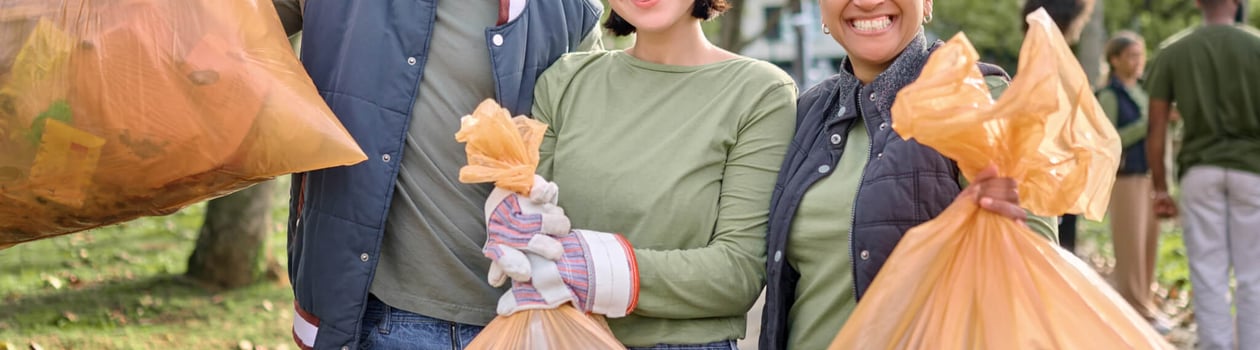
Herbs, leafy greens, and sturdy vegetables are often great starters. And if a full garden is too ambitious, a “clean and green” day works wonders: remove litter, refresh mulch, repaint a fence, or plant pollinator-friendly flowers that support local ecosystems.
Crafty Care Kits
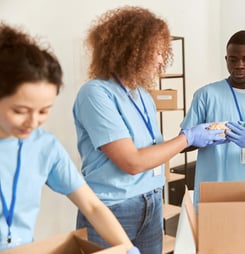
Assemble care kits with essentials like toiletries, socks, and a kind note. Distribute them to shelters or drop them off at community centers. It’s a simple gesture that can provide comfort to those who need it most.
Care kits are a classic for a reason: they are practical, portable, and easy to scale. They also benefit from thoughtfulness. Before assembling anything, it helps to check what is most needed. Some organizations have guidelines and prefer certain items in sealed packaging. Others may request specific sizes, seasonal gear, or hygiene products that are less commonly donated.
A well-built kit often includes travel-size toiletries, toothbrush and toothpaste, deodorant, hand sanitizer, lip balm, combs, menstrual supplies, and a few snack items that do not melt easily. Fresh socks can be genuinely valuable. A short note can add warmth, but keeping it neutral and respectful is important.
A message like “You matter” or “Wishing you comfort and strength” can be uplifting without being personal or intrusive. For an extra dose of practicality, include a small card listing local services or hotlines if a partner organization provides approved resources.
These activities are not only enjoyable but also foster a sense of community and kindness. Dive into these playful projects and watch as your small acts of kindness ripple out to create big waves of change!
Good Deeds Day can also be celebrated through small, skill-based contributions that many people forget are “real” volunteering. Offering to proofread resumes at a community job center, helping someone practice for an interview, translating a document for a neighbor, or teaching a basic budgeting session can be life-changing in quiet ways.
Even a coordinated “friendship drive” that collects birthday cards for isolated older adults or encouraging notes for frontline workers can lift spirits, especially when paired with a practical donation.
For teams, workplaces, or classrooms, it can help to pick projects with clear roles. A successful group event usually includes a supply lead, a safety lead, a communications person, and someone who makes sure volunteers are actually having a decent time. Good deeds are allowed to be joyful.
Why Celebrate Good Deeds Day?
The celebration highlights the importance of good deeds, large or small, in fostering a more compassionate and connected world. Participants engage in various activities, from small personal gestures of kindness to large community-driven projects.
One reason this day resonates is that it treats kindness as a habit rather than a personality trait. Some people assume “doing good” requires a big budget, heroic energy, or a dramatic life makeover. Good Deeds Day quietly challenges that myth.
It makes room for the person who can donate supplies, the person who can lift heavy boxes, the person who can make phone calls, and the person who can simply listen with attention. It’s a reminder that communities run on many kinds of contributions.
These acts aim to uplift those in need and inspire a ripple effect of goodness, making a tangible difference in countless lives.
The “ripple effect” is not just a poetic phrase. Practical kindness tends to reduce friction in everyday life. A cleaned park feels safer and more welcoming, encouraging more families to use it. A stocked food pantry helps households stretch their resources, freeing attention for school, work, or health.
A neighbor who receives help with a small home repair may be more likely to check on someone else later. When a good deed removes one barrier, it can create momentum.
It’s all about making the world a better place through collective action. By participating, people not only help others but also experience a deep sense of satisfaction and connection.
There is also a social benefit that is easy to overlook: volunteering can rebuild trust. In many places, people live near each other without really knowing each other. A shared project creates a low-pressure way to meet.
It gives strangers a reason to cooperate, swap stories, and discover common ground while focusing on a task. That sense of belonging is not fluff. Feeling connected to a community is linked to better well-being and increased willingness to participate in civic life.
This global day of doing good underscores the belief that everyone has the power to make a positive impact.
Celebrating Good Deeds Day also helps normalize asking for help and offering help in respectful ways. When giving is framed as a community practice, not a top-down charity moment, it becomes easier to support people without judgment.
The best projects protect dignity by prioritizing choice, privacy, and collaboration. For example, instead of guessing what a community needs, organizers can partner with local groups that already know the gaps and can guide volunteers toward meaningful work.
Practical tips can make a good deed more effective:
- Match the project to actual needs by coordinating with a community organization or local leader.
- Keep it safe by providing gloves, basic first aid, hydration, and clear boundaries.
- Make it inclusive by offering roles for different ages and abilities.
- Build follow-through by documenting what was done and what still needs attention, so the effort does not vanish the next day.
Good Deeds Day is not a competition for the biggest gesture. It’s a nudge toward steady generosity, the kind that keeps neighborhoods functioning and people feeling seen.
Good Deeds Day Timeline
Biblical Commandments of Charity
Jewish law in the Hebrew Bible, including Deuteronomy 15, defines tzedakah as an obligation to support the poor and vulnerable, giving a religious foundation to the idea that doing good deeds is a duty, not just a kindness.
Buddhist Teachings on Dana (Generosity)
Early Buddhist texts in the Pali Canon present dana, or generous giving, as a primary virtue for monks and laypeople, teaching that freely helping others without expectation of reward is a core part of the path to spiritual development.
Christian Emphasis on Charity and Love of Neighbor
New Testament writings, including the Gospels, 1 Corinthians 13, and the Epistle of James, stress active love of neighbor through charity and care for the poor, helping to inspire later Christian traditions of organized service and almsgiving.
Islamic Institutions of Zakat and Sadaqah
The Quran and early Islamic practice establish zakat as an obligatory alms tax and encourage voluntary sadaqah, creating enduring systems in which Muslims regularly give to support the poor, travelers, and others in need as part of daily life.
Creation of the International Committee of the Red Cross
In response to the suffering he witnessed at the 1859 Battle of Solferino, Henry Dunant helped found the International Committee of the Red Cross, which became a pioneering model of organized humanitarian aid and volunteer relief work worldwide.
History of Good Deeds Day
Good Deeds Day began in 2007 when Shari Arison, an Israeli businesswoman and philanthropist, initiated this day of volunteerism through her organization, Ruach Tova, and the Ted Arison Family Foundation.
The first event was a local affair in Israel, with 7,000 volunteers participating in various community service projects.
From the beginning, the concept was designed to be broad and welcoming. Volunteer days can sometimes feel limited to certain types of people or certain types of work, but Good Deeds Day emphasized that “good deeds” come in many forms. That framing helped it spread beyond a single cause.
Environmental cleanup, support for people with disabilities, food distribution, neighborhood beautification, and intergenerational activities could all fit under one umbrella. This flexibility made it easier for community organizations to participate without having to change their mission.
The movement quickly captured the global imagination. By 2011, Good Deeds Day had expanded internationally, with activities held in over 10 different cities around the world.
This expansion was bolstered by partnerships with major media networks like MTV Global in 2012 and ABC Network in 2013, significantly increasing its reach and impact.
As the day expanded, it began to function as a kind of “volunteer on-ramp” for people who had never tried community service before. A one-day event can lower the barrier to entry.
It gives someone a chance to sample volunteering without a long commitment, learn what kinds of causes they connect with, and discover local organizations that need ongoing support. In many places, schools and workplaces began participating as a way to cultivate civic responsibility and teamwork, creating projects that fit different ages and schedules.
Another reason Good Deeds Day has grown well is that it works at different scales. An individual can commit to a single personal act, like donating blood, helping a neighbor with errands, or writing thank-you notes to community helpers.
A small group can tackle a focused project, like assembling care kits or painting a community room. A citywide initiative can coordinate hundreds of volunteers across multiple sites. The day’s message stays the same even as the logistics change.
From these beginnings, Good Deeds Day has grown into a major global event. Millions of people across more than 100 countries come together each year to perform good deeds, ranging from small acts of kindness to large-scale community projects.
This initiative promotes the value of good deeds and demonstrates the profound impact of collective action in fostering community spirit and global solidarity.
Over time, Good Deeds Day has also reflected a modern understanding of what communities need. It is not only about donating items or doing physical labor, although those do matter. It is also about sharing knowledge, creating access, and strengthening social ties.
A volunteer helping someone navigate a confusing form, a mentor guiding a young person through career options, or a group creating inclusive play spaces can be just as impactful as a traditional service project.
In that sense, the history of Good Deeds Day is also a story about expanding the definition of helpfulness. It invites creativity, encourages collaboration with local organizations, and reinforces the idea that good intentions become most powerful when they are paired with practical action.
Whether the deed is quiet or public, solo or collective, the day continues to offer a straightforward challenge: notice what is needed, then do something about it.
Surprising Facts About the Power and Tradition of Good Deeds
Good deeds are often seen as small, personal gestures, but their roots and impact stretch much further than many people realize.
Across cultures, religions, and modern societies, acts of generosity and volunteer work have shaped communities, supported essential services, and even improved human health.
These fascinating facts reveal how helping others has long been woven into social systems and why kindness continues to play a powerful role in strengthening both individuals and societies.
Ancient Traditions of Structured Giving
Many religious and philosophical traditions turned good deeds into formal obligations long before modern charity laws existed.
Judaism’s concept of tzedakah, Islam’s zakat, Buddhism’s and Hinduism’s dana, and Christian almsgiving all prescribe regular, structured support for those in need, often with detailed rules about how much to give and whom to prioritize.
These systems created early social safety nets by normalizing generosity as a communal duty rather than a private choice.
Volunteering’s Hidden Economic Power
Volunteer work is often unpaid, but it carries immense economic value.
The International Labour Organization estimates that volunteer labor worldwide is equivalent to more than 125 million full‑time jobs, with formal volunteering alone representing about 2.4 percent of global GDP in some countries.
These contributions sustain essential services in areas such as health, education, disaster relief, and social care that governments and markets would struggle to provide on their own.
Kindness and Volunteering Improve Physical Health
Acts of kindness and regular volunteering are linked to better physical health outcomes, particularly for older adults.
Large longitudinal studies have found that people who volunteer frequently tend to have lower mortality rates, reduced risk of high blood pressure, and report better overall health than non‑volunteers, even after controlling for income, education, and initial health status.
Researchers suggest that increased social connection, a sense of purpose, and reduced stress may all play protective roles.
Good Deeds Trigger the Brain’s Reward System
Neuroscience research shows that doing something kind activates the same reward circuits in the brain involved in experiencing pleasure from food or music.
Functional MRI studies have found that when people make charitable donations or help others, regions like the ventral striatum and ventromedial prefrontal cortex light up, releasing feel‑good neurochemicals such as dopamine.
This “helper’s high” helps explain why people often feel happier after engaging in altruistic behavior.
Prosocial Behavior Strengthens Community Resilience
Communities where people regularly help one another tend to recover better from crises.
Research on natural disasters and public emergencies shows that areas with strong traditions of volunteering and mutual aid often experience faster rebuilding, better mental health outcomes, and lower levels of social unrest.
Informal good deeds, like checking on neighbors and sharing resources, can fill gaps before formal aid systems arrive.
Small Acts of Kindness Boost Happiness More Than People Expect
Psychologists have found that people routinely underestimate how much small good deeds will brighten someone else’s day.
Experiments where participants performed simple acts of kindness, such as giving a stranger a hot drink or a small gift, showed that recipients reported significantly more happiness than givers predicted.
This “kindness blind spot” suggests that people may do fewer good deeds than they otherwise would, simply because they misjudge their impact.
Organized Service Learning Shapes Lifelong Habits of Helping
Programs that combine community service with reflection, often called service learning, have been shown to influence long‑term civic engagement.
Studies of students who participate in structured service projects as part of their education find that they are more likely, years later, to vote, volunteer regularly, and donate to charities.
Integrating meaningful reflection on good deeds appears critical in turning one‑time actions into enduring prosocial habits.