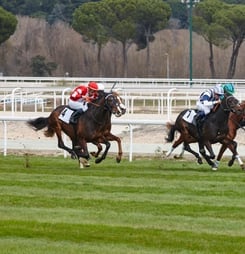
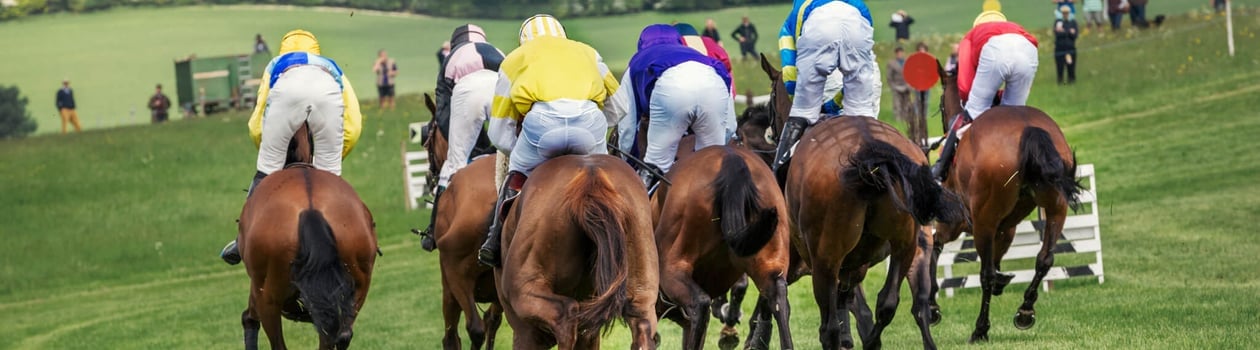
The Grand National is a spectacle and tradition that celebrates the strength and agility of racehorses.
In fact, most consider it among the most prestigious horse racing events in the world. It is held every year at the historic Aintree Racecourse.
This National Hunt horse race enthralls audiences with its challenging course and storied, rich heritage. But the Grand National is more than merely another horse race.
Instead, this fantastic even celebrates equestrian excellence, attracting enthusiasts from around the globe.
Grand National Timeline
First Official Grand National Steeplechase
The first widely recognized Grand National steeplechase is run at Aintree, over a cross‑country course with large, natural fences, establishing the race’s reputation as a supreme test of horse and rider.
Grand National Moves to Gatwick During World War I
With Aintree commandeered by the War Office in World War I, substitute “Grand National” races are staged at Gatwick Racecourse from 1916 to 1918, keeping the long‑distance steeplechase tradition alive despite wartime disruption.
First National Radio Broadcast of the Grand National
The BBC broadcasts the Grand National on radio for the first time, turning the race into a shared national experience and greatly expanding its audience beyond those who can attend Aintree in person.
Foinavon’s Shock Victory After Mass Pile‑Up
At the 23rd fence, a major pile‑up leaves outsider Foinavon almost alone on his feet; he jumps clear and wins at 100–1, and the fence is later officially named “Foinavon,” cementing the incident in racing folklore.
Red Rum’s Record‑Breaking First Grand National Win
Red Rum overhauls the long‑time leader Crisp to win the Grand National, beginning a remarkable sequence of three victories (1973, 1974, 1977) and two seconds that makes him the most celebrated horse in the race’s history.
The “Race That Never Was”
A chaotic false‑start incident leads to some jockeys continuing around the course; the Grand National is declared void for the first and only time, prompting major reforms to starting procedures and stewarding.
First Female Jockey Wins the Grand National
Irish jockey Rachael Blackmore rides Minella Times to victory and becomes the first woman to win the Grand National, a landmark in the long process of opening elite jump racing to female riders.
How to Celebrate Grand National
Celebrating the Grand National can be an exhilarating experience, whether you’re a seasoned equestrian fan or new to horse racing. Here are some ways to immerse yourself in the excitement:
Attend the Festivities in Person
If you live in the United Kingdom or have plans to visit, experiencing the Grand National in person is a must.
The atmosphere and excitement at Liverpool’s Aintree Racecourse are unforgettable. The thrill of live racing and the festive atmosphere make for a memorable day.
Feel the ground tremble as the horses thunder past and join in the chorus of cheers from the crowd. It’s an opportunity to witness a blend of tradition, sportsmanship, and pageantry that is unique to this historic event.
Dive into Racing’s Rich History
The Grand National is steeped in history. Spend Grand National Day learning more about its intriguing origins and legendary races.
You’ll also learn about some incredible personalities – famous horses and jockeys that have graced its course throughout the years.
Delve into stories of triumph and resilience that have become folklore in the racing world. Understanding the past champions and their journeys adds a deeper appreciation for each race and its significance in the sport’s history.
Head off to Horse Riding
Grab your favorite riding boots and outfit and put them to use! Embrace the Grand National’s spirit by heading out for horse riding.
Riding a horse can be an excellent way to connect with the essence of the event and appreciate the skill involved in horse racing.
Feel the power and grace of these magnificent animals as you ride, gaining a small taste of what jockeys experience during the race. It’s a fantastic way to develop a new appreciation for the sport and the incredible bond between horse and rider.
Host a Grand National Party
Gather friends and family for a Grand National-themed party. Dress in racing attire, organize horse racing games and watch the race together.
Decorate your space with racing memorabilia and serve traditional British snacks and drinks to create an authentic experience.
Encourage guests to wear hats and fascinators to add to the festive atmosphere. It’s fun to enjoy the race while engaging in friendly competition and camaraderie.
Educational Activities for Kids
Introduce children to horse racing through fun activities. Crafts, drawing competitions themed around horses, and simple history lessons about the Grand National can be educational and entertaining.
Create a mini-race course for toy horses, and let the kids act as jockeys, learning about racing strategies and horse care.
These activities entertain and instill a sense of history and respect for the sport, sparking a potential lifelong interest in horse racing.
History of Grand National
The history of the Grand National dates back to the visionary efforts of a man called William Lynn, the syndicate head and the proprietor of the Waterloo Hotel.
He wanted to create a racing event unlike anything the world had ever witnessed. To accomplish this, Lynn leased land in Aintree from William Molyneux, an avid gambler and the second Earl of Sefton.
That transaction laid the foundations of a legendary course at Aintree. The inaugural race in 1839 marked the beginning of a new era in horse racing.
The Grand National’s early years helped shape its bright future. The Great St. Albans Chase ended its run in 1838, leaving a void in the racing calendar. The Grand National quickly backfilled the need for hungry racing enthusiasts.
Another boon for the event happened in 1839 when railway connections from London to Liverpool created even easier access to the race. After the railway, they drew in larger, more diverse crowds and elevated the event’s status from a local affair to a national spectacle.
Over the years, the Grand National has borne witness to many historical milestones. It survived interruptions during both World Wars, with alternative races held at different locations.
In fact, the War Office took the Aintree course during World War I and was commandeered again during World War II. The race has also been a platform for breaking barriers, such as in 2021, when Rachael Blackmore became the first female jockey to win the Grand National.
Facts About Grand National
Becher’s Brook Became Famous After a Near‑Drowning
One of Aintree’s most notorious fences, Becher’s Brook, is named after Captain Martin Becher, a jockey who fell there in the first official Grand National in 1839 and reportedly sheltered in the brook while horses jumped over him.
The obstacle combines a five‑foot fence with a water-filled ditch on the landing side, creating a deceptive drop that has challenged riders and prompted multiple safety revisions over the decades.
From Cross‑Country Steeplechase to Standardized Test of Stamina
The Grand National course evolved from a cross‑country-style chase over natural hedges, ditches, and ploughed fields into a purpose-built circuit with standardized fences.
By the late 19th and early 20th centuries, Aintree’s obstacles were gradually formalized, and in the 20th and 21st centuries further reshaped with plastic birch cores, adjusted fence heights, and reprofiled landings to balance tradition with modern safety standards.
A Marathon in the Jump Racing World
At about 4 miles and 2½ furlongs with 30 fences to be jumped over two circuits, the Grand National is one of the longest and most demanding races in National Hunt racing.
This extended distance requires horses that combine stamina, jumping ability, and tactical pacing, which is why many successful Grand National runners are older steeplechasers with experience over long distances rather than the faster, younger specialists seen on flat tracks.
Britain’s Biggest Betting Event
The Grand National is widely regarded as the single biggest betting race in Britain, attracting millions of casual and regular bettors each year.
Estimates from the UK Gambling Commission and industry analysts suggest that hundreds of millions of pounds are staked on the race annually, with many people placing only one bet a year specifically for this event, reflecting its deep-rooted place in British popular culture.
A Global Television Audience for a Local Course
Although it is run at a single racecourse on the outskirts of Liverpool, the Grand National is broadcast to more than 140 countries and has drawn television audiences measured in hundreds of millions worldwide.
Its combination of large fields, unpredictable outcomes, and iconic obstacles has turned what began as a regional steeplechase into one of the most-watched sporting events on the global calendar.
Course Changes Have Cut Fall and Fatality Rates
In response to welfare concerns, Aintree and racing authorities have systematically modified the Grand National course by lowering fence heights, softening cores with plastic birch, leveling landing sides, and improving drainage.
Data published by the British Horseracing Authority show that faller and fatality rates in the race have decreased compared with earlier decades, illustrating how course design and veterinary oversight can materially improve safety in demanding steeplechases.
Aintree Helped Formalize Modern Jump Racing
The development of a permanent steeplechase course at Aintree in the 19th century contributed to the codification of National Hunt racing rules and the professionalization of jump racing in Britain.
As the Grand National grew in prestige, it encouraged standardized handicapping, licensing of trainers and jockeys, and more systematic breeding and training of “chasers,” influencing how jump racing is organized well beyond Merseyside.