If you’ve ever been in a hospital, you know that the first person you usually meet is the Hospital Admitting Clerk. Before a clinician checks a pulse or asks about symptoms, someone has to confirm who the patient is, why they are there, and where they should go next.
That responsibility often belongs to the admitting clerk, a role that combines customer service, data accuracy, privacy awareness, and the ability to stay calm under pressure. Hospital Admitting Clerks Day recognizes these behind-the-scenes professionals who help a complex system feel a little easier to navigate.
They listen to your concerns, contact your insurance provider, and sometimes explain costs to patients who would rather not hear the details. In large hospitals, they answer phone calls, reassure worried families and friends, and do their best to reduce the tension that often surrounds medical environments.
We rarely remember their names. Instead, we remember the doctor or the nurse. Yet the person at the front desk who admits us, directs us to triage, and becomes our first point of contact deserves recognition, too.
The admitting clerk’s job also involves countless invisible details that matter greatly. A single incorrect digit in a birth date can create duplicate records. A misspelled name can delay lab results or prescriptions. An outdated phone number might prevent staff from reaching a family member during an urgent moment.
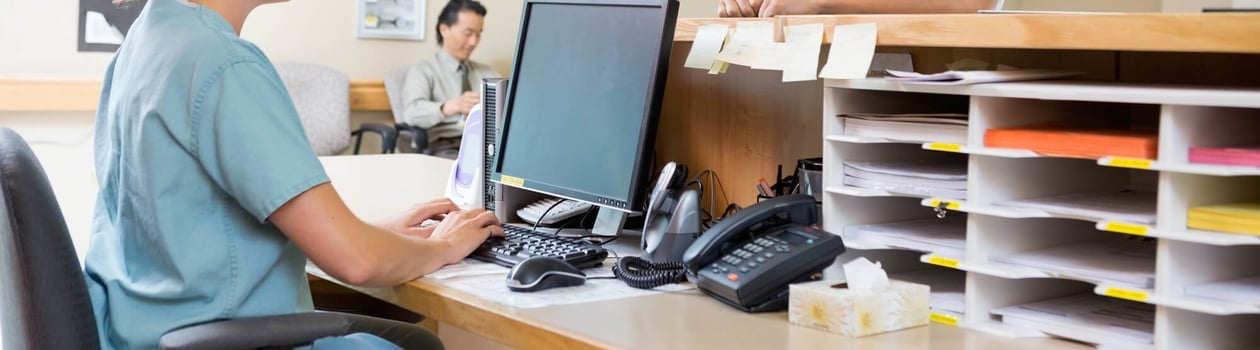
Admitting clerks learn to catch these issues before they affect the rest of the visit. They frequently juggle several computer systems, scan identification, collect signatures, and watch the waiting room at the same time, all while maintaining a tone that helps people feel reassured.
Then there is the emotional side of the job. People rarely arrive at a hospital on a good day. Some are frightened. Some are exhausted. Some are in pain and impatient. Others are trying to advocate for a loved one while running on adrenaline.
Admitting clerks often absorb the first wave of these emotions, translate them into practical next steps, and keep the process moving forward. The work may not seem glamorous, but it is essential.
Hospital Admitting Clerks Day Timeline
Standardized Hospital Admission Registers Emerge
Civil War–era hospitals in the United States began keeping systematic admission registers, formalizing the intake of patients and laying groundwork for dedicated clerical admission roles.
Historic Hospital Admission Registers Project Records Detailed Intake Data
British children’s hospitals in London and Glasgow record over 140,000 structured admission entries, showing early clerical work capturing demographics, diagnoses, and outcomes at the point of entry.
Modern Urban Hospitals Expand Administrative Front Desks
As hospitals grow larger and more specialized, urban institutions introduce more formal reception and intake desks, where clerical staff register patients and manage basic information before treatment.
Hospitals Shift From Charity Wards To Organized Medical Institutions
With hospitals becoming central to medical care rather than last-resort charity, patient intake and record keeping become more complex, increasing the need for trained admitting and records clerks.
The Association Of Record Librarians Of North America Is Founded
U.S. hospital record librarians organize professionally, marking the start of formal health information management and elevating the importance of accurate clerical work in admissions and records.
HIPAA Legislation Redefines Patient Information Handling
The Health Insurance Portability and Accountability Act establishes national standards for protecting patient health information, making front-desk and admitting clerks key guardians of privacy and compliance.
HITECH Act Accelerates Electronic Health Records Adoption
Federal incentives encourage the rapid implementation of electronic health records in U.S. hospitals, transforming admitting clerks’ daily work from paper-based registration to digital data entry and verification.
History of Hospital Admitting Clerks Day
Hospital Admitting Clerks Day grew from a simple idea: recognizing a job that is critical, patient-facing, and often overlooked. In many workplaces, appreciation naturally goes to roles that people associate directly with outcomes, such as surgeons performing procedures, nurses providing bedside care, or specialists delivering diagnoses.
Meanwhile, admitting and registration staff work at the very beginning of the patient’s journey, when individuals may not yet understand what is happening or how long they will stay. Their impact is most noticeable when everything runs smoothly, which ironically makes their efforts easy to overlook.
Modern admitting clerks belong to a broader field often called patient access or patient registration. Hospitals have always needed administrative coordination, from keeping patient lists to managing bed availability and recording services provided.
Over time, this coordination became more specialized as healthcare systems introduced additional documentation, insurance processes, and privacy protections. The growth of complex billing practices and third-party insurance coverage made accurate registration essential for hospitals to function effectively.
At the same time, stricter privacy regulations and information security requirements turned front-desk work into a role demanding constant attention to confidentiality.
Hospital Admitting Clerks Day highlights this unique combination of skills: communication, technical precision, and trustworthiness.
It also acknowledges that admitting clerks frequently work in high-pressure settings such as emergency departments, where they must gather information quickly while respecting clinical priorities.
They do not diagnose or treat patients, but their work supports the environment that allows diagnosis and treatment to happen.
Recognition days like this gain traction because people in the profession understand the reality of the work. Admitting clerks often become unofficial guides, translators of paperwork, and calm voices in busy hospital corridors.
When a patient is unsure where to go, when a family member needs directions, or when someone must explain why an insurance card is required, the admitting desk is often the place where those questions are answered. This day provides hospitals, clinics, and communities with an opportunity to say, “Your work matters.”
How to Celebrate Hospital Admitting Clerks Day
One of the best ways to celebrate this day is simply to thank these dedicated workers. Nearly every step of entering a healthcare facility involves their support, from the moment you arrive to the time you schedule your next appointment. Considering everything they manage each day, offering appreciation is a meaningful gesture.
A thoughtful thank-you works best when it is specific. Instead of a quick “thanks,” you might say something like: “You explained the paperwork clearly when I felt overwhelmed,” “You were kind when my family was worried,” or “You helped us find the right department quickly.” Admitting clerks often hear complaints about wait times or insurance rules that they cannot control, so a sincere compliment can have a surprisingly strong impact.
To make the day extra special, people sometimes bring flowers for the front desk staff along with a card wishing them a happy “Hospital Admitting Clerk Day.” Others print small certificates or appreciation notes for the clerks they interact with regularly. Even stopping by a facility to express gratitude can brighten someone’s day, especially when appreciation comes without any immediate request for service.
If you bring items, it helps to keep practicality in mind. Many admitting desks have limited space, and staff may not be able to store large gifts. Small cards, sealed boxes of individually wrapped snacks for the whole team, or handwritten notes that can be shared during a staff meeting often work well. It is also important to follow facility policies, since some hospitals have guidelines about staff gifts or infection-control rules for items brought inside.
For coworkers and managers, celebrating the day can go beyond treats. Meaningful recognition might include:
- Public acknowledgment that reflects the complexity of the role. Highlighting skills such as accuracy, confidentiality, and composure under pressure can feel more genuine than a general message of thanks.
- A practical gesture that improves workflow. Something as simple as consistent break coverage or protected lunch time can make a real difference in a busy department.
- Training and improved tools. Updating quick-reference guides, improving signage, or offering communication workshops can reduce stress long after the celebration ends.
- Cross-department appreciation. Encouraging nurses, technicians, and physicians to share examples of how registration staff support their work helps everyone see admitting clerks as key members of the care team.
Patients and families can also “celebrate” by making the process easier. Bringing identification and insurance information, having a list of medications ready, knowing emergency contacts, and communicating calmly all help admitting clerks do their jobs more efficiently. While this is not always possible, especially in emergencies, these small actions reduce stress and help the system function smoothly.
Amid all their other responsibilities, admitting clerks answer calls, monitor communication systems, and remain alert in case emergencies arise within the hospital. They also play an important role in protecting private health information, including medical records, insurance details, and other personal data patients provide during every visit.
Privacy is a particularly important part of their work. Admitting clerks often handle sensitive conversations at counters where other people may be nearby. They must know when to lower their voice, when to step aside for confidentiality, how to position computer screens to protect information, and how to verify identity without appearing unfriendly. They also manage consent forms, guardianship situations, and other cases where discretion is critical. Their work blends hospitality, compliance, and careful attention to detail.
Admitting clerks also function as traffic coordinators within the hospital. Even when clinical staff determine medical urgency, the admitting desk helps connect the process: recording arrivals, monitoring waiting patients, directing individuals to the correct department, and ensuring important information follows them through the system. Clear communication from admitting clerks can calm tense waiting rooms and prevent misunderstandings from escalating.
If a patient has hearing difficulties, limited language skills, or trouble completing forms, admitting clerks often become the first people to adapt the process so that it remains respectful and accessible.
So if you have ever visited a hospital or know someone who works in one, it may be time to thank these dedicated professionals for everything they do. They help keep operations running smoothly, coordinate appointments, manage administrative tasks, and support the entire healthcare process. Their responsibilities go far beyond paperwork. They help ensure the infrastructure of the hospital operates efficiently.
Administrative work in healthcare is far from simple. In many facilities, admitting clerks must understand the difference between registering an outpatient visit and admitting someone for inpatient care. That distinction affects which documents are required and how the patient moves through the hospital.
Clerks may verify insurance coverage, check authorization details, or flag information for financial counseling teams. They coordinate with multiple departments, each with its own procedures and schedules, translating a complex system into clear steps patients can follow.
The pace of the job can also be relentless. Phones ring continuously. People approach with urgent questions. Visitors ask for directions. Someone arrives late and upset. A family member needs help finding a room.
A patient is anxious about medical costs. An interpreter may need to be arranged. A clinician might request a correction in the registration record. These tasks appear one after another, and admitting clerks must handle them all while maintaining accuracy and a steady tone. That balance between speed and precision is not easy to sustain, which is another reason they deserve recognition.
One meaningful way to honor the day is by contacting local hospitals or clinics and working with management to organize an appreciation event for their admitting staff.
Community businesses such as coffee shops, restaurants, or gift stores might also participate by contributing small treats or recognition items. Celebrating Hospital Admitting Clerks Day together can help highlight the important role these professionals play.
An appreciation “party” does not need to be elaborate. A small table in the break room with a sign thanking the patient access team, a shared card signed by different departments, or a few minutes during a staff meeting devoted to positive feedback can create a genuine morale boost. If community businesses participate, offering simple items that can be shared across all shifts ensures that evening and overnight teams are included as well.
For anyone who wants to go one step further, another powerful gesture costs nothing: respectful behavior. Treating the admitting desk as part of the healthcare experience makes a difference. Speaking politely, asking questions calmly, and remembering that the person helping you is following rules they did not create can transform a stressful moment into a cooperative one.
Hospital admitting clerks spend their days helping strangers navigate one of the most vulnerable situations people face. Hospital Admitting Clerks Day is an opportunity to make sure their contributions are recognized.
The Invisible Gatekeepers of Patient Access
Invisible Gatekeepers of Patient Safety
Research in multiple countries has found that administrative failures during admission, such as misidentifying patients or entering incomplete data, are a recurring root cause of serious medical errors.
One World Health Organization review noted that wrong-patient incidents often began at registration, which is why hospitals increasingly require admitting staff to confirm at least two patient identifiers and standardize how names and dates of birth are recorded.
Admissions Workloads Can Rival Clinical Staff Volumes
In large U.S. hospitals, front-end registration teams may process thousands of encounters per day, including emergency, inpatient, and outpatient visits.
A study of patient access operations at a 900‑bed academic medical center found that registration accuracy for high-volume admitting staff directly affected millions of dollars in annual billing and influenced denial rates for insurance claims.
From “Almoners” to Modern Patient Access Staff
The modern role of hospital admitting and financial counseling staff can be traced back to late‑19th‑century British “almoners,” social workers stationed at hospital entrances to assess patients’ financial circumstances and eligibility for charity care.
An influential 1895 appointment at London’s Royal Free Hospital formalized this gateway role, which gradually evolved into today’s combination of intake, insurance screening, and benefits counseling done by admissions personnel.
Insurance Verification Became Central After Medicare and Medicaid
Hospital front desks were once focused mainly on collecting demographic details, but the launch of Medicare and Medicaid in 1965 and the later spread of managed care shifted much of the financial risk to hospitals.
Histories of U.S. hospital finance describe how this change pushed verification of coverage, prior authorization, and accurate coding to the admitting stage, making clerks key protectors of hospital revenue and patients’ coverage for care.
HIPAA Turned Admitting Desks into Privacy Front Lines
When the Health Insurance Portability and Accountability Act (HIPAA) Privacy Rule took effect in 2003, the very first encounter between a patient and a hospital had to change.
Federal guidance specifies that covered entities must give patients a Notice of Privacy Practices “no later than the date of first service delivery,” which typically happens at registration, so admitting staff became responsible for explaining privacy rights and ensuring consent forms are properly handled.
Customer Service at the Front Desk Drives Satisfaction Scores
Hospital Consumer Assessment of Healthcare Providers and Systems (HCAHPS) surveys emphasize communication, responsiveness, and how well staff coordinate care.
Analyses published by hospital associations have shown that first impressions at registration, including how clearly front-desk staff explain waits, directions, and paperwork, strongly shape how patients answer global rating questions about the hospital experience.
COVID‑19 Expanded the Admitting Clerk’s Role Overnight
During the COVID‑19 pandemic, U.S. patient access and admitting teams were abruptly tasked with screening for symptoms, enforcing visitor restrictions, and learning rapidly changing isolation protocols while still capturing complete registration data.
Professional groups like the National Association of Healthcare Access Management documented how front-desk staff had to master new scripts, handle distressed families, and shift to remote pre-registration and electronic document collection to keep admissions flowing safely.