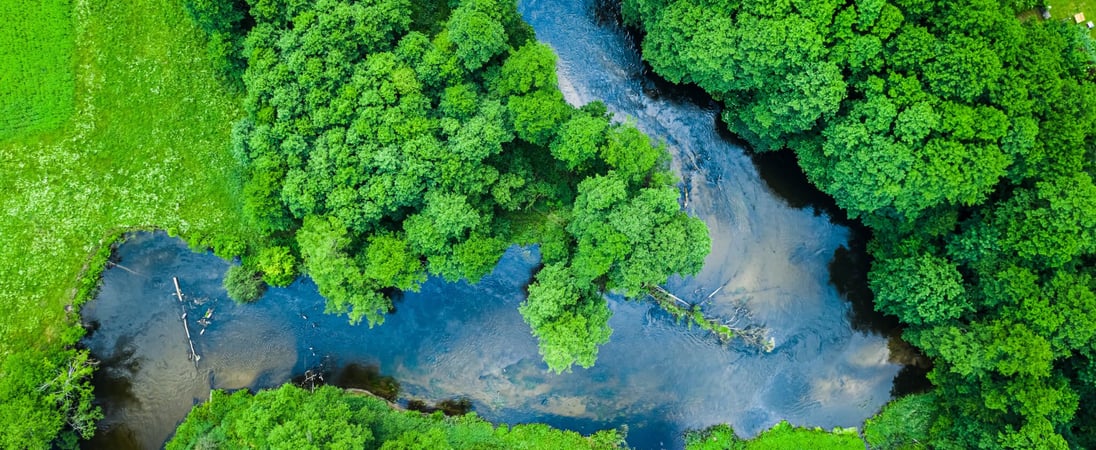
International Day of Action for Rivers
Every year, on March 14th, people around the globe observe the International Day of Action for Rivers.
This day highlights the vital role rivers play in everyday life, from supplying drinking water and irrigating crops to supporting fisheries, recreation, and spiritual and cultural traditions. Rivers are not just moving water, either. They are living systems shaped by seasonal floods, sediment, wetlands, forests, and the countless organisms that depend on a healthy flow. The International Day of Action for Rivers invites communities to notice those connections and to speak up for waterways that are too often treated like convenient pipes or dumping grounds.
This day is celebrated to address various threats rivers face, such as pollution and the construction of dams, which can harm ecosystems.
It also draws attention to the less obvious pressures that can quietly undermine a river’s health: water being withdrawn faster than it can be replenished, riverbanks stripped of vegetation, sand and gravel mining that changes channels, and warming temperatures that alter snowmelt and rainfall patterns. Even small changes upstream can create big consequences downstream, affecting water quality, flood risk, and habitat for birds, fish, insects, and amphibians. Because rivers connect places, protecting them almost always means thinking beyond one neighborhood or one city and considering the whole watershed.
Activists, community groups, and environmentalists use this day to promote actions that help keep rivers healthy and free-flowing. Their efforts are crucial in fighting against waste dumping and advocating for equitable access to unpolluted water.
“Free-flowing” is an important phrase here. A river’s flow is its heartbeat, and when that pulse is interrupted, everything changes. Dams can block fish migrations, trap sediment that would naturally rebuild downstream banks and deltas, and change water temperature and oxygen levels. Pollution can range from obvious trash to invisible contaminants like nutrients that trigger harmful algae blooms, industrial chemicals, and microplastics. River advocates also emphasize fairness: when water becomes scarce or polluted, the heaviest burden often lands on communities with the least power to change it. The day’s message is that clean water and a healthy river system should not be a luxury item.
The significance of the International Day of Action for Rivers lies in its ability to unite people from different backgrounds in support of a common cause.
Rivers naturally create networks, and so does this day. Scientists, anglers, students, artists, farmers, Indigenous communities, engineers, city planners, and people who simply love a good riverside walk can all find a place in the conversation.
Some participants focus on preventing harmful projects, others on restoring damaged waterways, and many on building local pride and stewardship. The shared point is that rivers are essential infrastructure created by nature, and protecting them is practical as well as poetic.
It’s a powerful platform that fosters discussions on sustainable river management and highlights the importance of freshwater ecosystems.
Sustainable river management often means balancing human needs with the needs of the river itself. That can include using water more efficiently, keeping pollutants out at the source, leaving enough water in the channel for fish and wetlands, and planning development with floodplains in mind rather than paving them over and hoping for the best.
It can also mean choosing “green” solutions that work with natural processes, such as restoring wetlands that filter water and absorb floodwaters, or planting native vegetation along banks to stabilize soil and provide shade that cools the river.
This global event reminds us of the impact we can have when we come together to care for and protect our natural environment.
The beauty of the International Day of Action for Rivers is that it encourages both big-picture thinking and small, doable steps. A single cleanup or a single classroom project will not solve every water challenge. But those actions build knowledge, community momentum, and the expectation that rivers deserve attention. Over time, that kind of shared responsibility can influence local policies, corporate practices, and cultural habits, helping rivers stay clean, resilient, and full of life.
International Day of Action for Rivers Timeline
1824
First Modern Law to Protect a River
The British Parliament passes the River Thames Police Act, an early attempt to regulate pollution and safeguard navigation on London’s main river, signaling the start of industrial-era river protection efforts.
1948
U.S. Federal Water Pollution Control Act
The United States enacts its first major federal water pollution law, laying the groundwork for modern regulation of discharges into rivers and other surface waters and inspiring later river-protection frameworks worldwide.
1963
Launch of the Save the Grand Canyon / Glen Canyon Campaigns
American conservationists, including the Sierra Club, mobilize against proposed dams in the Grand Canyon and highlight the flooding of Glen Canyon, helping to create a global model for river-focused environmental activism.
1973
India’s Chipko Movement Links Forests, Watersheds, and River
Villagers in the Himalayan region of India begin nonviolent “tree-hugging” protests to stop deforestation, drawing attention to how healthy forests protect mountain rivers and downstream communities.
1983
Formation of Brazil’s Movement of People Affected by Dams (MAB)
Communities displaced by large hydropower projects in Brazil organize nationally as MAB, framing dams as an environmental justice issue and making river rights and fair treatment central to their struggle.
1990
Narmada Bachao Andolan Amplifies Anti‑Dam River Activism in India
The Narmada Bachao Andolan (Save the Narmada Movement) leads protests and legal challenges against large dams on the Narmada River, becoming one of the most visible global campaigns linking human rights and river protection.
2000
World Commission on Dams Report Reframes Global Dam Policy
The World Commission on Dams publishes its landmark report, calling for comprehensive environmental and social assessments, respect for affected communities, and better protection of rivers before large dams are built.
History of the International Day of Action For Rivers
The International Day of Action for Rivers has a rich history that underscores its global significance. This special day was first recognized in 1997 during the inaugural International Meeting of People Affected by Dams in Curitiba, Brazil.
At this meeting, representatives from more than 20 countries came together with a common concern: large water projects were transforming rivers and displacing communities, often without adequate consultation, compensation, or environmental safeguards.
The gathering brought together people living with the real-world consequences of dams, as well as organizations that supported community rights and river protection. Out of that mix came the idea of a coordinated, recurring day that could amplify local struggles into a global call for healthier, more just water decisions.
At this meeting, representatives from over 20 countries came together to establish a dedicated day for advocating the protection and preservation of rivers.
Their goal was not only to “save rivers” in the abstract, but to insist that decisions about rivers should be made transparently and with meaningful public participation. The impacts of river development are complex.
Dams can provide electricity and water storage, but they can also block fish passage, alter flood cycles that nourish farmland, and drown forests, homes, and cultural sites. A global day of action created space for communities to share experiences, compare approaches, and push for solutions that reduce harm and respect local rights.
This initiative was intended to raise awareness of the threats that rivers face. These include pollution, dam construction, and biodiversity loss, which directly threaten ecosystems and the communities that depend on these waterways.
Biodiversity loss in rivers can be surprisingly fast. Freshwater habitats support a huge variety of species, yet they are among the most heavily altered ecosystems on Earth. When riverbanks are cleared, water warms and erodes soil more easily. When sediment is trapped behind dams, downstream stretches can become starved of the materials that build habitat.
When pollution adds excess nutrients, oxygen levels drop and sensitive species disappear. The day’s focus on rivers is also a focus on the web of life around them: wetlands, floodplains, estuaries, and the human communities whose food, work, and safety are tied to healthy water.
The day was specifically chosen to align with Brazil’s existing Day of Action Against Large Dams, enhancing its message and impact.
Linking the international observance with an established Brazilian day helped the message travel. It also reinforced a central theme: river issues are not isolated. The same patterns can show up in different places, even if the river names and languages change.
Aligning the date created a shared rhythm for campaigns and community events, making it easier for groups around the world to coordinate, exchange materials, and show solidarity.
Over the years, the International Day of Action for Rivers has become a platform for environmentalists, community groups, and citizens worldwide to engage in activities highlighting the importance of healthy, free-flowing rivers.
Events commonly include river walks, teach-ins, film screenings, and community meetings, but the day is also used for hands-on restoration and policy engagement. Some groups highlight river success stories, such as the return of fish after barriers are removed or the recovery of riverfront habitat after invasive plants are controlled.
Others use the day to spotlight urgent threats, like a proposed dam, a pollution source, or a declining fish population. The variety is part of its strength: one community might be fighting industrial runoff, while another is working on safer drinking water or advocating for better floodplain planning.
These activities often include workshops, seminars, and public demonstrations to educate the public and promote sustainable practices to safeguard river ecosystems.
Workshops might cover practical topics like how to identify common river pollutants, why riparian vegetation matters, or how to read a watershed map.
Seminars can bring together local officials, scientists, and residents to discuss solutions such as improving wastewater treatment, using nature-based flood protection, or updating rules that regulate discharge and water withdrawals.
Public demonstrations, when they happen, are often less about spectacle and more about visibility: reminding decision-makers that rivers have communities of supporters who are paying attention.
This global observance highlights rivers’ ecological value and emphasizes their crucial role in supporting human livelihoods, cultural heritage, and biodiversity.
Rivers are also economic engines, even when people do not notice them working. They support agriculture, transport, tourism, and local businesses that depend on clean water and scenic riverfronts. Cultural heritage is deeply entwined with rivers, too, from traditional fishing practices to festivals and stories that mark a river as a community’s “main street.”
When a river is degraded, those traditions can fade along with the wildlife. The International Day of Action for Rivers brings these threads together and treats river health as something worth defending, celebrating, and planning for.
By bringing people together from across the globe, the International Day of Action for Rivers fosters a collective effort to address the urgent challenges facing our planet’s vital waterways.
That collective effort matters because river problems rarely stop at a border, a property line, or even a single generation.
The day has become a point of connection for river defenders and river lovers, encouraging them to share knowledge and to support community-led approaches that keep rivers flowing, clean, and accessible. In the simplest terms, it turns concern into coordination.
How to Celebrate International Day of Action For Rivers
Get Artsy with Rivers
Why not grab some paint, brushes, and a canvas to express your river love artistically? Paint a picture of your local river or one you dream about visiting.
Art is a sneaky powerhouse for conservation because it reaches people who might never attend a public meeting about water policy.
A painting, photo series, collage, or short video can capture the personality of a river: the bend that catches the evening light, the reeds where birds hide, the contrast between a wild stretch and a channelized one. Even kids’ drawings can spark meaningful conversations when displayed in a library, café, or community center.
It’s a fantastic way to honor its beauty and stir conversations about river conservation. Sharing your artwork online can inspire others to appreciate and protect these vital waterways.
For extra impact, artists can pair beauty with information. A caption could explain what makes that river unique, which fish or birds rely on it, or what changes have been observed over time.
Community art projects work well too: a shared mural, a quilt made of river-themed squares, or a “river sounds” audio installation recorded along the banks. The goal is not perfection, it’s connection.
Host a River Clean-Up Party
Gather friends, family, or community members for a river clean-up bash. Not only does it help the river, but it’s also a fun way to meet people who care about the environment.
A cleanup becomes even more useful with a little planning. Participants can focus on safety first: gloves, sturdy shoes, and awareness of sharp objects or unstable banks. Sorting what is collected can also tell a story.
A pile of drink containers might suggest the need for more bins in a nearby park, while lots of fishing line could point to the value of disposal stations. Some groups track the kinds of litter they find, which helps communities understand where waste is coming from and what prevention steps might actually work.
Make it festive with music and snacks. Afterward, everyone can feel proud of making a tangible difference.
Keeping it festive is great, but leaving the place better than it was matters too. A “leave no trace” snack plan, reusable water bottles, and a clear strategy for disposing of collected trash can make the event truly river-friendly.
Cleanup hosts can also add a quick “river minute” at the start: a short explanation of how litter affects wildlife, water quality, and flood risk. It’s amazing how motivated people become when they realize a plastic bag can travel miles downstream and end up tangled in habitat far from where it was dropped.
Organize a Virtual Seminar
Use the power of the internet to spread knowledge. Organize an online seminar featuring talks from local environmentalists or screenings of documentaries about river ecosystems.
Virtual events are especially helpful for watersheds that span long distances, where it might be difficult to gather everyone in one room.
A seminar can include a hydrologist explaining how a watershed functions, a local historian describing how the river shaped settlement and industry, or a community advocate speaking about access to safe water. Even a short “river tour” video filmed on a phone can make the session more vivid.
It’s a safe, accessible way for people to learn about the importance of rivers from the comfort of their homes.
To keep it engaging, organizers can add interactive elements: a Q&A, a simple quiz, or a “show and tell” where participants share a photo of a river or stream that matters to them.
Another option is a skills-based session, such as teaching people how to report pollution concerns to the appropriate local authority, how to identify common invasive plants, or how to reduce household runoff by changing yard care habits. Small learning moments can turn into long-term stewardship.
Paddle Down the River
If you’re up for some adventure, organize a kayaking or canoeing trip down a nearby river. It’s an exhilarating way to connect with nature and see firsthand why rivers are worth protecting.
Being on the water changes perspective. Paddlers notice how the current shifts around a fallen tree, where erosion is eating away at a bank, or how shade from overhanging vegetation cools the channel.
It is also a reminder that rivers are dynamic. A section that looks calm from a bridge might have surprising complexity at water level, including wildlife, sandbars, and hidden debris.
Invite friends or collaborate with a local club to make it a group event.
A group paddle can double as a floating field trip. Participants can bring binoculars for birdwatching, note areas where trash accumulates, or take photos of culverts and barriers that might affect fish passage.
Safety and respect for the river come first: choosing a route matched to skill level, wearing life jackets, checking conditions, and avoiding disturbance to nesting areas. The best paddling events mix fun with observation, and participants often leave with a stronger personal reason to support river protection.
Write River Poems or Stories
Channel your inner poet or storyteller by writing about rivers. You could pen a poem, a short story, or even a blog post.
Stories shape how people treat a place. A poem can capture a river’s mood. A short story can explore what happens when a community loses access to clean water. A personal essay can describe a family tradition of fishing or swimming and how it changed as the river changed. Writing is also a way to process grief over damage and to celebrate restoration wins without needing a microphone or a permit.
Share your writings online or at local community centers to spark others’ interest in river conservation.
Local readings can be surprisingly powerful, especially when paired with river photos or music. Writers can also interview elders, anglers, farmers, and longtime residents to preserve local knowledge about how the river used to behave during rainy seasons, where fish once spawned, or which plants grew along the banks.
That kind of community memory can support restoration efforts by highlighting what “healthy” looked like before. In the end, a well-told river story does what the International Day of Action for Rivers does best: it helps people feel that a river is not just scenery, it’s a relationship worth keeping.
International Day of Action for Rivers Facts
Rivers shape landscapes, sustain life, and support communities around the world, yet their importance is often overlooked until they are under threat.
These facts highlight why rivers matter—from their role in biodiversity and human history to the growing challenges they face—making this day a powerful reminder to protect and respect the world’s flowing lifelines.
-
Rivers Are Biodiversity Hotspots
Although rivers cover less than 1 percent of Earth’s land surface, freshwater systems, including rivers and streams, are estimated to support around one‑third of all vertebrate species and roughly 10 percent of all known species, making them disproportionately important for global biodiversity compared to their small area.
-
Dams Have Transformed Most of the World’s Big Rivers
By 2019, scientists found that only about 37 percent of rivers longer than 1,000 kilometers still flowed freely along their entire length, with large dams and reservoirs being the main reason major rivers like the Nile, Mississippi, and Yangtze are now heavily fragmented.
-
Rivers Were the Cradle of the Earliest Cities
Some of the world’s first urban civilizations, including Mesopotamia on the Tigris and Euphrates, ancient Egypt on the Nile, the Indus Valley on the Indus River, and early Chinese states along the Yellow River, all developed on fertile river floodplains where seasonal floods deposited nutrient‑rich silt that made intensive agriculture possible.
-
Most Accessible Freshwater Flows Through Rivers
Although freshwater seems abundant, only about 2.5 percent of Earth’s water is fresh, and less than 1 percent of that is readily available in rivers, lakes, and wetlands, which means the flowing water in rivers represents just a tiny fraction of global water but supplies the majority of water used directly by people and ecosystems.
-
Hydropower Dams Disrupt Fish Migrations on a Massive Scale
Migratory freshwater fish populations worldwide declined by an average of 76 percent between 1970 and 2016, with habitat fragmentation by dams and other barriers identified as a primary driver, especially on long river systems that historically supported mass migrations of species like salmon, sturgeon, and river catfish.
-
Sand and Gravel Mining from Rivers Is a Hidden Global Industry
Rivers are a major source of sand and gravel used in concrete and construction, and a 2019 United Nations Environment Programme report warned that unsustainable extraction from riverbeds is lowering river channels, eroding banks, degrading habitats, and increasing flood risk in many regions.
-
Pollution Has Created “Dead Zones” at Many River Mouths
Nutrient pollution carried by rivers into coastal waters has created more than 400 marine “dead zones” worldwide, where low oxygen levels can no longer support most marine life; many of these hypoxic areas are linked to agricultural runoff and wastewater from major river basins such as the Mississippi and the Rhine.
International Day of Action for Rivers FAQs
Why are free-flowing rivers considered so important for ecosystems?
Free-flowing rivers allow water, sediment, nutrients, and organisms to move naturally from headwaters to the sea, which helps maintain healthy habitats, supports fish migration, and reduces the buildup of pollutants.
Studies show that reconnecting rivers to their floodplains improves biodiversity and can also reduce flood risk for nearby communities. [1]
How do large dams typically affect river wildlife and local communities?
Large dams can block fish migrations, alter water temperature and flow, change sediment transport, and flood upstream valleys, which can harm native species and displace people who depend on the river.
Research and case studies highlight that dams often fragment habitats and disrupt fisheries that provide food and income for downstream communities. [2]
What are the biggest current threats facing rivers worldwide?
Major threats to rivers include untreated sewage and industrial waste, agricultural runoff that carries fertilizers and pesticides, sand and gravel mining, poorly planned dams and diversions, and climate change-driven shifts in rainfall and snowmelt.
International assessments note that many large rivers are now heavily fragmented and that water quality degradation is widespread on every continent.
Is it actually possible to restore a damaged river to good health?
Many rivers can recover when pressures are reduced, and habitats are reconnected, although full restoration to a “pristine” state is rare.
Reviews of hundreds of projects show that efforts such as removing barriers, re-meandering channels, replanting riverbanks, and reducing pollution can measurably improve water quality, fish populations, and overall ecosystem condition within years to a few decades. [3]
What is river restoration, and what approaches do experts most often use?
River restoration is the process of improving the ecological health and natural functions of a river system that has been degraded.
Common methods include restoring instream habitat, stabilizing eroding banks, reconnecting rivers to floodplains, improving or removing culverts and small dams to aid fish passage, and reducing nonpoint source pollution from surrounding land. [4]
Do dam removal projects really make a difference, or are they mostly symbolic?
Evidence from completed dam removals shows that taking out even one major barrier can reopen many miles of habitat, speed up the return of migratory fish, and allow more natural sediment and nutrient flows. Agencies and scientists report that when removals are carefully planned and monitored, ecological responses are often rapid and visible, including better fish runs and improved habitat complexity. [5]
How does climate change interact with existing pressures on rivers?
Climate change alters river flows through changing rainfall patterns, shrinking glaciers, and more frequent droughts and extreme floods, which can intensify stress from pollution, over-extraction, and habitat loss.
International climate and water assessments warn that these combined pressures threaten water security, increase the risk of flood and drought disasters, and can push already stressed freshwater species closer to extinction. [6]
Also on ...
View all holidays

National Pi Day
An exciting day for math enthusiasts, celebrate this famous number — it's the ratio of the circumference of a circle to its diameter — with infinite enthusiasm and endless fun!

International Day of Mathematics
Whether you're designing a skyscraper, or simply counting up your spare change, a strong foundation in mathematics is essential.

We think you may also like...
National Water Quality Month
Read up on the small ways you can keep your community’s water clean, from picking up after your pets to avoiding pesticides, certain antibacterial chemicals, etc.