
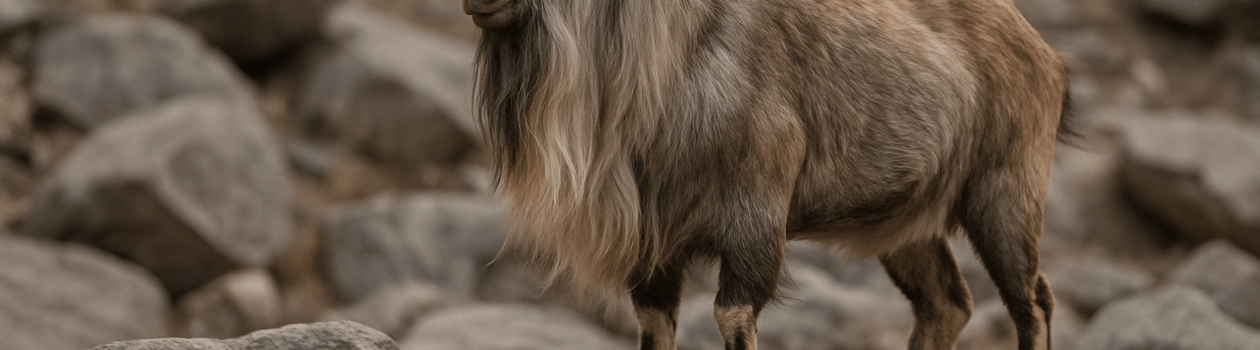
The International Day of the Markhor honors a remarkable mountain goat that thrives in steep, rocky terrain across Central and South Asia.
It recognizes a wild species with impressive spiral horns and a vital role in fragile ecosystems.
The day calls attention to the creature’s fight for survival amid threats like habitat loss, poaching, and climate change. Its goal is simple: help protect a creature that supports both nature and local communities.
On this day, people around the world join voices to celebrate the markhor’s return from near-endangered status.
They talk about the animal’s value to biodiversity and local livelihoods, especially in places like Pakistan, where communities benefit from wildlife tourism and conservation fees.
Inspired by that success, the day encourages countries and groups to work together—sharing ideas, science, and on-the-ground support—to keep the markhor thriving in its tall, rugged home.
International Day of the Markhor Timeline
First Scientific Description of the Markhor
German zoologist Christian Hermann Ehrenberg formally describes and names Capra falconeri, giving the markhor its scientific identity in modern taxonomy.
Sharp Population Declines Begin
Unregulated hunting, habitat degradation, and competition with domestic livestock in Pakistan, Afghanistan, India, and Tajikistan start driving dramatic declines in wild markhor numbers.
CITES Protection for the Markhor
The markhor is listed in Appendix I of the Convention on International Trade in Endangered Species (CITES), severely restricting international trade in specimens and trophies from the species.
Markhor Listed as Endangered on the IUCN Red List
The International Union for Conservation of Nature classifies the markhor as Endangered, reflecting very small, fragmented populations and continued poaching pressure.
Community Trophy Hunting Begins in Pakistan
Pakistan launches community-based markhor trophy hunting programs, notably in areas like the Torghar Conservancy, directing most hunting fees to local communities for conservation and development.
Markhor Adopted as Pakistan’s National Animal
The government of Pakistan formally recognizes the markhor as the national animal, reinforcing its status as a cultural and conservation symbol within the country.
Markhor Downlisted to Near Threatened
Following evidence of population recovery driven by protection and community conservation, the IUCN Red List downlists the markhor from Endangered to Near Threatened.
How to Celebrate the International Day of the Markhor
Here are some fun and meaningful ways to celebrate International Day of the Markhor:
Host a Wildlife Talk
Gather friends, families, or students and invite a wildlife guide to speak. A talk like this helps people understand the markhor’s role in nature.
Speakers can explain why this mountain goat matters to forests, rivers, and nearby villages. It’s a great chance to ask questions, share thoughts, and build local support for wildlife.
Run a Photo Contest
Launch a friendly photo contest with a focus on wild goats or rugged mountain scenery. Ask people to submit their best nature shots.
Pick a few standout entries and display them in a gallery, café, or school hallway. This brings attention to the markhor’s beauty and the land it depends on.
Share Online Facts
Use social media to post quick, interesting facts about the markhor. Include clear photos and explain how it helps balance mountain life.
Ask your followers to pass it along to others. These small steps can create big waves of awareness, especially when shared widely.
Plan a Group Hike
Organize a short group hike near rocky trails or hilly parks. Talk about animals that live in steep places. Hiking helps people connect with nature while learning how to protect it.
Choose a safe trail and bring simple snacks to make it more enjoyable.
Support a Local Effort
Look for projects that protect markhor habitats or help nearby communities. Some efforts rely on small donations or volunteer work.
Even sharing their updates or buying a hand-crafted item can make a difference. Staying involved over time builds real progress for nature.
History of the International Day of the Markhor
The International Day of the Markhor began in 2024 when the United Nations General Assembly approved a proposal led by Pakistan.
Alongside eight co-sponsoring countries, Pakistan introduced the idea to raise global awareness about the markhor, a rare mountain goat found in steep, rugged regions of Central and South Asia.
This animal once faced sharp population declines due to hunting and shrinking habitats. The first celebration took place on May 24, 2024, after the resolution passed earlier that month.
Since then, the day has gained support from conservation groups, governments, and local communities. It highlights the value of protecting not just the markhor but also the landscapes it depends on.
Leaders created this day to recognize the markhor’s role in mountain ecosystems and its link to community-led conservation. The United Nations now encourages people worldwide to protect this species, which was once at risk of disappearing.
By promoting the survival of the markhor, the day also supports eco-tourism and local traditions that rely on healthy wildlife.
Events, talks, and social campaigns now mark the occasion each year. What started as a regional concern has turned into a global call to action, inviting everyone to care about wildlife in even the most distant places.
Facts About International Day of the Markhor
Cliff-Climbing Specialists in Harsh Mountain Habitats
Markhor are among the most agile wild goats, living on steep, rocky slopes between roughly 600 and 3,600 meters in parts of Pakistan, Afghanistan, India, Tajikistan, and Uzbekistan.
Their powerful legs and specialized hooves help them navigate cliffs that deter many predators, allowing them to exploit sparse vegetation in areas where few large herbivores can survive.
Ecosystem Gardeners of Dry Forests and Scrublands
By browsing on shrubs, young trees, and herbs, markhor help shape vegetation structure in dry woodlands and montane scrub.
Their feeding can reduce fuel loads that contribute to wildfire risk and create openings that allow a wider variety of plants to grow, which in turn supports insects, birds, and smaller mammals.
From Endangered to Near Threatened
Markhor were listed as Endangered on the IUCN Red List in 1994 after steep population declines from unregulated hunting and habitat loss, with some estimates suggesting only around 2,000–3,000 remained.
Thanks to improved protection and community-based conservation, the global population roughly doubled, and the species was downlisted to Near Threatened in 2015, a rare conservation success for a mountain ungulate.
Community Trophy Hunting as a Conservation Tool
In parts of northern Pakistan, tightly controlled trophy hunting programs for markhor have financed local conservation.
Only a small number of mature males are legally hunted each year at very high permit prices, and most of the revenue goes to village organizations. Studies report that when communities receive this income, they reduce poaching, invest in patrols, and often see markhor numbers increase.
National Symbol with Deep Cultural Roots
The markhor is Pakistan’s national animal and appears in military insignia, tourism branding, and local art, symbolizing bravery and resilience in harsh landscapes.
The name “markhor” is commonly traced to Persian or local languages, often interpreted as “snake eater,” reflecting traditional beliefs that the goat can kill snakes and that its horns or hair have protective properties, even though this behavior is not well documented scientifically.
Genetic and Taxonomic Diversity Within One Species
Scientists recognize several subspecies or forms of markhor, including the Astor, Kashmir, Bukharan, and Suleiman types, which differ in horn shape and range.
Genetic studies have shown that populations in Central Asia and Pakistan form distinct lineages, a factor conservation planners must consider when managing fragmented herds and preventing the loss of unique local adaptations.
A Precarious Life at the Human–Wildlife Interface
Many markhor populations live in areas where pastoralism, fuelwood collection, and infrastructure expansion are increasing.
Overgrazing by domestic goats and sheep can degrade their forage, while roads and development fragment migratory routes.
Conservation projects in places like Pakistan’s Torghar and Chitral regions show that involving local herders in monitoring and habitat management can reduce conflict and support both livelihoods and markhor recovery.
International Day of the Markhor FAQs



You may also like

Pakistan Independence Day
Visit a festival or celebration, or learn about the history of Pakistan and its liberation from British rule, now commemorated on Pakistan Independence Day.
- India
- Pakistan
- Saudi Arabia
- and 3 more
National Endangered Species Day
Many magnificent species of animal and insect are at risk of going extinct, so join the cause by volunteering, donating, or spreading awareness of these threats.
- Australia
- Canada
- United Kingdom
- and 1 more
World Wildlife Day
Nature's untamed wonders are always captivating, from the majestic beasts of the savanna to the tiny creatures in your backyard.
- Australia
- Brazil
- Canada
- and 4 more

Save the Florida Panther Day
Save the Florida Panther Day is an annual observance that spotlights one of North America’s most elusive big cats and the very real challenges it faces. The Florida panther is a population of cougar that survives in a narrow slice of wild country, where forests, swamps, and open prairies still...
- United States
National days and holidays on May 24

Vivid Sydney
Vivid Sydney is a dazzling celebration that transforms the city into a vibrant playground of lights, music, and creativity. For weeks, iconic landmarks and urban spaces glow with stunning light installations and 3D projections, captivating both locals and tourists. This festival draws millions of visitors each year, offering an enchanting...
- Australia

National Escargot Day
It was a brave man who first ate a snail. Yet, escargot is a classic French delicacy, and possibly the first farmed creatures in history. Give it a try, at least.
- Canada
- France
- United Kingdom
- and 1 more

Brother’s Day
Get in touch with your brother, brothers or someone you think of as one, and spend some quality time together, in-person or virtually.
- Australia
- Canada
- France
- and 4 more

Foster Care Fortnight
Foster Care Fortnight, an annual event in the UK, typically happens in the first two weeks of May. This initiative is driven by The Fostering Network, a leading charity that promotes foster care awareness and recruitment. The event raises awareness about the growing need for foster carers and their vital...
- United Kingdom
Seize Every Day
Join free for personalised recommendations, email reminders and exclusive guides. Never miss a day.