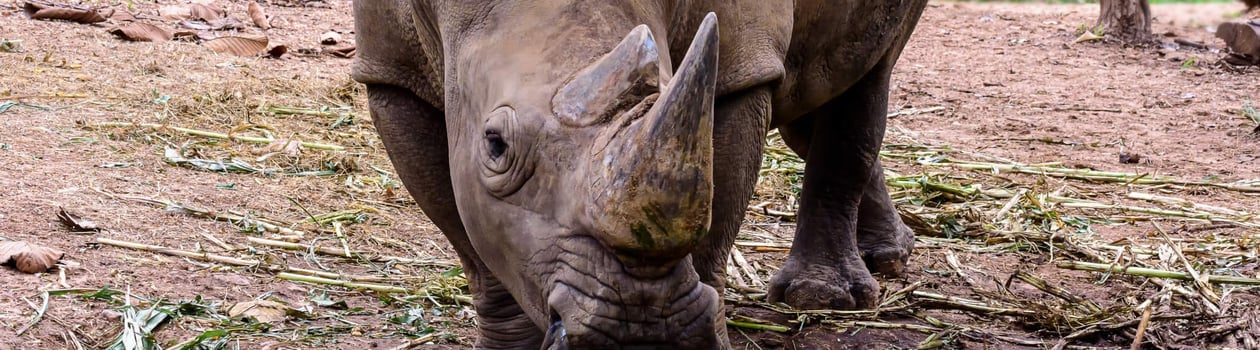
We live in a world full of many animals, insects, plants, and creatures that are approaching risk of extinction – or are so close to extinction—that their species need help immediately.
When a species is defined as endangered, its numbers are unusually low—in the last few thousands, hundreds, or even tens. And when the last of the species disappears, it is gone for good.
This day was created to keep us aware of how fragile the existence of some animals, plants, and insects is—and, most importantly, reminds us to take the time to learn about why it’s so important to protect endangered species from any further harm.
National Endangered Species Day Timeline
Founding of the International Union for Conservation of Nature (IUCN)
Governments and scientists create the IUCN to coordinate global efforts to conserve nature, laying the groundwork for modern concepts of threatened and endangered species.
Launch of the IUCN Red List of Threatened Species
The IUCN publishes the first global Red List to classify species at risk of extinction, establishing standardized categories such as “endangered” that guide conservation worldwide.
U.S. Endangered Species Preservation Act
The United States enacts its first major federal law focused on protecting native vertebrate species at risk, authorizing the creation of a list of endangered species and protecting them on federal lands.
U.S. Endangered Species Conservation Act
Building on earlier law, this act expands protection to foreign endangered species and begins restricting their import and trade, anticipating later global agreements on wildlife trade.
Convention on International Trade in Endangered Species (CITES)
Nations adopt CITES in Washington, D.C., to regulate and in many cases prohibit international trade in threatened wildlife and plants, creating a powerful tool against overexploitation.
U.S. Endangered Species Act
The United States passes the Endangered Species Act, providing comprehensive protection for species at risk and their habitats and becoming a model for endangered species legislation worldwide.
IUCN Red List Becomes Quantitative and Global in Scope
Revisions to the Red List system introduce more formal criteria and expand coverage, strengthening the scientific basis for determining when a species is classified as endangered or critically endangered.
How to Celebrate National Endangered Species Day
There are always a number of wildlife conservation services taking part in National Endangered Species Day, often holding informational events for children and adults or activity days to help fund further conservation.
Visit a Local Event
The organizers of the day celebrate it through various public events and online. If you are local to an event, make sure to pop along with your children and learn about the weird and wonderful creatures efforts such as this are trying to save.
Typically, there are story readings from popular children’s books about the importance of looking after endangered species.
There may also be documentaries and lecture updates on the current state of conservation around the world and how species are thriving (or not as the case may be). And there are often film screenings that communicate the issues the community wishes to express.
Learn About Endangered Species
Or take the time out to read up on some of the species that are approaching extinction, and if you are able to go to a zoo which has some of these species in their care, be sure to organize paying a visit with your family.
Endangered Species Day reminds us all that some of our favorite creatures are at risk of going extinct.
According to the IUCN Red List Of Threatened Species, there are now more than 16,000 species of fungi, algae, plants, and animals that might disappear from our planet forever. Among them are iconic creatures such as the bald eagle, the alligator, and the gray wolf.
Spread the Word
Make sure you share on social media photos of some of the cutest and majestic endangered critters to really get people’s attention on this important day!
You can also do small things like update your Facebook profile cover photo with your favorite endangered species.
When people ask why you made the change, you can tell them that you’re celebrating National Endangered Species Day and a part of worldwide conservation efforts.
Join with Sustainability Efforts
You can show your support for worldwide wildlife conservation efforts through official channels too. For instance, you can join the millions of people who are already members of the World Wildlife Federation, which helps to make the world a better place for these at risk species.
Encyclopedia Britannica suggests that around half of all species on the list are endangered because of human activities. Issues such as global warming, an abundance of invasive species, overfishing, and overhunting are the driving forces behind the current crisis.
There’s a tremendous need for a worldwide conservation effort to prevent many of the species that we dearly cherish from being lost forever. The good news, though, is that there’s a lot that you can do!
Learn About Nature Through Technology
Apps are also playing an increasingly important role in proceedings. Rather than just showing people pre-produced content, the organizers are getting regular people involved through their smartphones.
The What’s In My Backyard? identification challenge is a fun way for people to chronicle the various species living in their gardens and get a sense of how diverse they are.
The bottom line is this: the more we take care of all the species on our planet, the better it will be. And that’s what makes this particular day of the year so important.
History of National Endangered Species Day
National Endangered Species Day was officially declared by the United States Senate to raise awareness and educate people about the risks as well as opportunities that are available to help these animals.
The inaugural celebration took place on May 11, 2006, which was a Thursday. Since that time, the date has been changed so that it is always celebrated on a Friday.
An endangered species is one which is still in the world today, but may not be much longer if the right steps aren’t taken. The International Union decides the status of ‘endangered’ for the Conservation of Nature. According to the IUCN, at least 40% of animals, insects, and plants are at risk of extinction across the world.
Reasons for endangerment are varied – this may be down to environmental changes, overhunting by predators, poaching, the changing or destruction of habits by humans, or natural disasters, to name a few.
Some ways of helping endangered species have included captive breeding, which sees endangered or rare species in captivity encouraged to breed to improve their numbers in the wild.
While the first National Endangered Species Day was held in 2006, but there’s been official recognition of the issue for far longer than that. Laws have been on the books for more than forty years designed to protect species.
In some countries, for instance, rules forbid economic development if it puts a particular species at risk of extinction. Many stipulations also prevent people from developing areas that are of exceptional ecological significance, such as bird breeding grounds and diverse swampland.
At its roots, National Endangered Species Day is designed to help people learn more about the environmental issues that the planet faces today.
It isn’t about getting in people’s faces or even activism. Instead, it is to come together to find creative, win-win ways to solve the environmental problems that we have and protect the natural world. After all, we must all live in it!
Facts About National Endangered Species Day
Silent Success of the Endangered Species Act
Conservation biologists who reviewed all species ever protected under the U.S. Endangered Species Act found that, as of 2019, 99 percent of listed species avoided extinction, and several, including the bald eagle and American alligator, recovered enough to be removed from the list entirely.
This track record has led many scientists to describe the law as one of the world’s most effective biodiversity protections.
A Global Assessment of Nature at Risk
In 2019, the Intergovernmental Science-Policy Platform on Biodiversity and Ecosystem Services (IPBES) concluded that about 1 million animal and plant species are now threatened with extinction, many within decades, based on trends in habitat loss, overexploitation, climate change, pollution, and invasive species.
It was the most comprehensive global assessment of biodiversity ever conducted and showed extinction rates tens to hundreds of times higher than the average over the past 10 million years.
Habitat Loss as the Dominant Driver
Analyses of threatened species on the IUCN Red List show that habitat loss and degradation affect about 80 percent of listed terrestrial mammals and birds, making it the single most common pressure driving species toward extinction.
Land conversion for agriculture, logging, mining, and urban expansion fragments landscapes into patches too small or isolated to support viable wildlife populations.
Pollinators Under Threat and Food Security
An IPBES report on pollinators found that approximately 16 percent of vertebrate pollinator species, such as birds and bats, are threatened with global extinction, and some regions report local losses of more than 40 percent of invertebrate pollinators like bees.
Because about three-quarters of major global food crops depend at least in part on animal pollination, declines in these species directly threaten crop yields and nutritional diversity for people.
Ocean Species and Overfishing
The UN Food and Agriculture Organization reports that the proportion of marine fish stocks fished at biologically unsustainable levels increased from 10 percent in 1974 to 35 percent by 2019.
Overfishing disproportionately impacts large, slow-growing species such as sharks and tunas, which can take many years to reach maturity and recover once populations collapse.
Genetic Bottlenecks and Extinction Risk
Conservation genetics research has shown that when populations fall to just a few dozen individuals, they can experience a “genetic bottleneck,” where inbreeding and loss of genetic variation increase susceptibility to disease, reduce fertility, and limit the ability to adapt to environmental change.
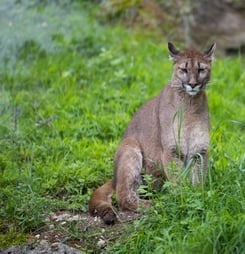
The famous case of the Florida panther, which suffered heart defects and low sperm quality until genetic rescue from related populations, demonstrates how small population size alone can endanger a species’ future.
Flagship Species as Umbrellas for Ecosystems
Studies of “umbrella species,” such as tigers or giant pandas, show that protecting enough habitat for these wide-ranging, endangered animals often safeguards many lesser-known plants, insects, and smaller vertebrates that share the same ecosystems.
For example, research in China has found that nature reserves designated for giant pandas also protect a significant share of the country’s endemic forest bird and mammal species.