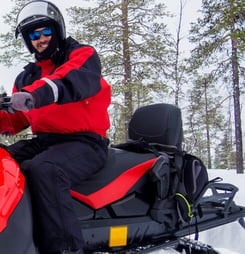
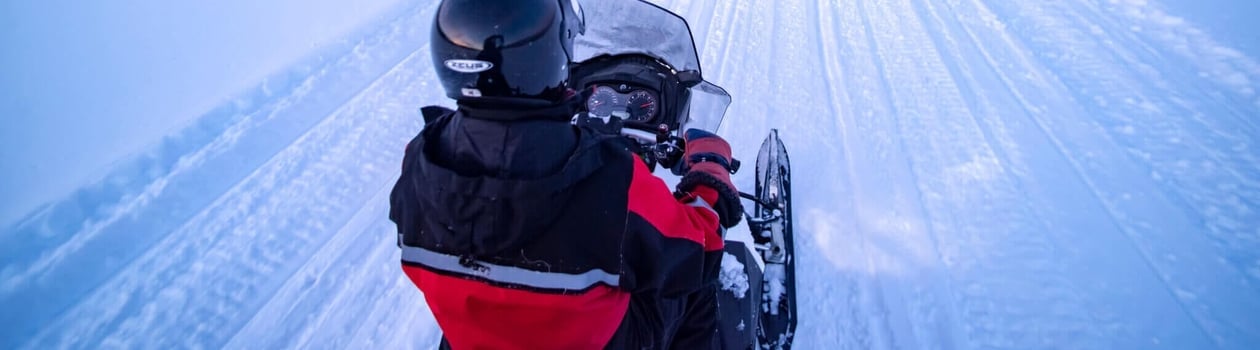
Winter sports offer amazing opportunities for people to enjoy the outdoors in a unique way. And snowmobilers can get access to beautiful natural landscapes that would be almost impossible to get to in other ways, like cars, trucks or even skis.
Whether used for transportation or recreation, snowmobiles offer incredible opportunities to get out in the winter and enjoy nature.
Take on an amazing adventure over the river and through the woods – in the midst of a beautiful white terrain – with this invitation to participate in International Snowmobile Ride Day!
How to Celebrate International Snowmobile Ride Day
Head Out for a Snowmobile Ride
Those who live in places that are cold and snow in the wintertime have a distinct advantage for celebrating this event.
Many people who enjoy this day may even own their own snowmobiles, but it’s also possible to rent them, especially in communities that have the best terrain for it.
Sign Up for Snowmobile Riding Lessons
Not quite sure about getting involved with a day that involves gliding on a little machine through the snow? That’s okay!
There are plenty of ways to begin slowly and acclimate to the way that machine works, safety protocols and so much more. Sign up for lessons, or give a gift of snowmobile lessons to a loved on in celebration of International Snowmobile Ride Day.
Gear Up for Snowmobiles
As expected, riding snowmobiles will require a number of types of equipment including a helmet, goggles, gloves, boots, cold weather clothing and much more.
Other necessary safety gear might include a compass, map, waterproof matches, flashlight with extra batteries, and more. Celebrate this fun event by gifting a winter weather enthusiast with some new gear for their next exciting snowmobile ride!
Plan a Snowmobile Vacation
Even folks who live in warmer places can still celebrate International Snowmobile Ride Day by planning their vacation or week-long holiday at a snowmobile resort.
Many of these are located all throughout snowy Canada as well as the northern states in the US and many other places around the world that boast snowy terrains.
Take some time on this day to plan out next year’s exciting adventure!
History of International Snowmobile Ride Day
An event that was established fairly recently, the idea for International Snowmobile Ride Day started in 2022.
The official day took place the following year, with the support of the day’s founder, BRP, Inc. This company is a maker of machines that offer innovative ways to move people whether on snow, water, dirt and even air.
The desire behind the event was to provide people with a dedicated day throughout the world when they are encouraged to engage with all sorts of different types of rides and activities that can be done on snowmobiles.
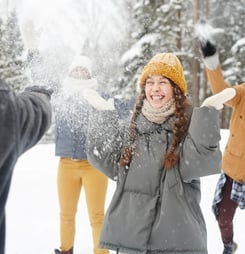
This event is the perfect time to gather friends and family members just for the afternoon, a long weekend, or even the entire week to enjoy the beauty and exhilaration of a ride through the snow!
Facts About International Snowmobile Ride Day
Early Over-Snow Vehicles Looked More Like Trains Than Sleds
One of the earliest practical over-snow vehicles was the “auto-neige” (snow car) built in the 1920s by Canadian inventor Joseph-Armand Bombardier, which used tank‑like tracks and a front steering sled to haul passengers in rural Quebec.
These enclosed, bus-style snow machines—precursors to modern snowmobiles—were used for winter mail delivery, medical transport, and school runs, and could carry 12 or more people across snowbound roads long before lightweight recreational sleds were developed in the late 1950s and 1960s.
Snowmobiling Has Become a Multibillion-Dollar Winter Economy
Modern snowmobiling is a major economic driver in snowy regions: according to data compiled from the International Snowmobile Manufacturers Association, participants in the United States and Canada spend over $26 billion annually on snowmobiles, maintenance, fuel, lodging, food, and related travel.
A 2024 analysis based on ISMA figures reports that 112,650 new snowmobiles were sold worldwide in that season alone, with Canada and the United States together accounting for roughly 80–85% of those sales.
Most Snowmobilers Are Older, But They Ride A Lot Each Season
Industry data show that the average snowmobiler is significantly older than many assume: ISMA figures summarized in 2024 put the average age of North American snowmobile owners around 63 years.
Despite that, riders average nearly 1,944 kilometers (over 1,200 miles) per winter season, with about half trailering their sleds to riding areas and the other half leaving directly from their home or cabin, underscoring how deeply snowmobiling is embedded in both travel and local lifestyles.
Snowmobile Trails Often Rely on Volunteer Clubs and Private Land Access
Organized trail networks that many riders take for granted are largely the result of volunteer work and negotiated access, especially in North America.
The International Snowmobile Manufacturers Association reports that thousands of local clubs coordinate grooming, signage, and safety patrols, and secure permission from tens of thousands of private landowners each year, creating interconnected trail systems that span millions of acres and allow continuous long‑distance riding between communities.
Older Two‑Stroke Snowmobiles Can Emit Car‑Scale Pollution in an Hour
Environmental analyses of traditional two‑stroke snowmobiles found that their exhaust is highly polluting compared with modern cars.
A Congressional Research Service review of U.S. Environmental Protection Agency data noted that a single new‑model snowmobile operating for one hour could emit as much hydrocarbon pollution as a 2008 passenger vehicle driving roughly 54,000 miles, prompting federal regulations that now require substantial reductions in carbon monoxide and hydrocarbon emissions from newer sleds.
Snowmobile Emissions Can Accumulate in Snow and Affect Water Quality
Research synthesized by Winter Wildlands Alliance and other environmental groups has shown that snowmobile exhaust—containing carbon monoxide, nitrogen oxides, hydrocarbons, aldehydes, benzene, and polycyclic aromatic hydrocarbons—can be trapped in the snowpack along heavily used corridors.
When spring melt occurs, some of these contaminants are released into surface waters and soils, potentially increasing acidity and affecting aquatic ecosystems near popular snowmobile destinations.
Yellowstone Became a Flashpoint for Regulating Snowmobile Impacts
In U.S. national parks such as Yellowstone, winter snowmobile use sparked extensive scientific study and legal debate about noise and air quality.
National Park Service and federal reports in the early 2000s found that snowmobiles were responsible for roughly 97–99% of carbon monoxide at Yellowstone’s West Entrance in winter, along with elevated fine particulates, leading to strict caps on daily entries, requirements for cleaner technology, and a shift toward guided tours using lower‑emission machines.
International Snowmobile Ride Day FAQs