National Backcountry Ski Day
Snow blankets the ground, untouched and inviting. Skiers gather at dawn, their breath visible in the crisp air. They check their gear: shovels, beacons, and bindings are all secure. A guide leads the way, breaking a path into the wilderness.
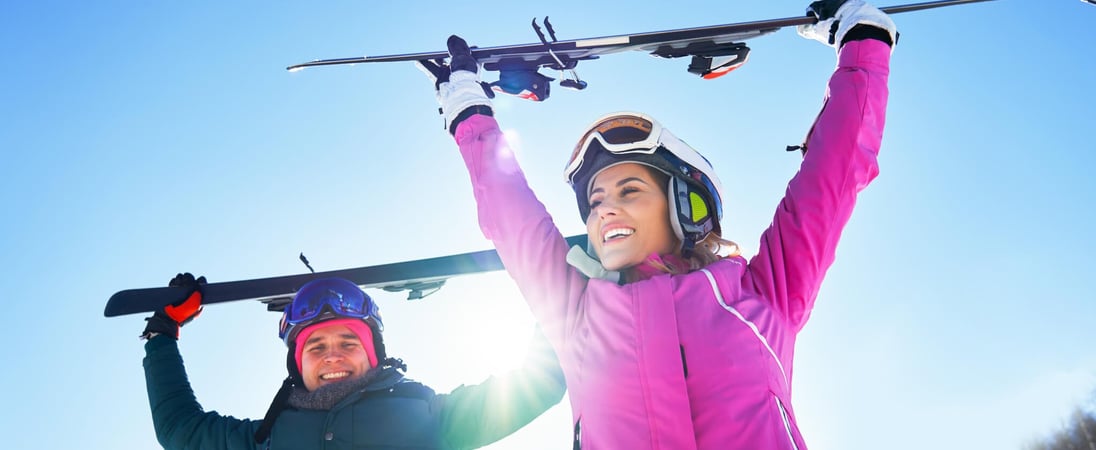
National Backcountry Ski Day, celebrated on March 4th, is a special occasion for enthusiasts and newcomers to the sport of skiing in nature’s untouched landscapes. This day emphasizes skiing in rugged, secluded areas far from the groomed trails of ski resorts, offering a unique and adventurous experience.
This day is not just about the thrill of skiing but also about connecting with nature in a meditative and transformative way, appreciating the journey uphill as much as the exhilarating descent.
It’s a celebration of adventure, fitness, and the great outdoors, inviting everyone to experience the freedom and beauty of backcountry skiing.
National Backcountry Ski Day Timeline
c. 5000 BCE
Early Ski Travel in Northern Eurasia
Rock carvings from northern Russia and Scandinavia show human figures on long boards, indicating that ski-like tools were used for winter travel in backcountry terrain thousands of years ago.
1206
Birkebeiner Ski Rescue in Norway
During a Norwegian civil war, Birkebeiner skiers carried the infant prince Haakon Haakonsson across remote mountains on skis, a legendary backcountry journey now commemorated by long-distance races.
1760s
Norwegian Military Ski Competitions
The Norwegian army organized contests that combined downhill, cross‑country skiing and marksmanship, helping refine ski techniques for moving efficiently through ungroomed, mountainous snow.
1867
Early Ski Races on Natural Terrain
Norway held some of the first national cross‑country ski races near Oslo, formalizing skiing as a sport that still relied on unprepared, backcountry-style snow rather than machine‑groomed pistes.
1894
“An Alpine Pass on Ski” Popularizes Touring
Sir Arthur Conan Doyle published “An Alpine Pass on Ski” in The Strand Magazine, describing ski travel over an Alpine pass and inspiring broader interest in ski touring beyond resort boundaries.
1956
First Ski Descent of Mount Whitney
In California, climbers completed the first ski descent from the summit of Mount Whitney, highlighting a new era of ski mountaineering focused on big, remote peaks rather than lift-served slopes.
1988
Classic Backcountry Skiing Guidebook Published
David Goodman’s “Classic Backcountry Skiing” appeared in 1988–89, giving detailed tours for New England’s ungroomed terrain and helping a new generation of skiers explore the winter backcountry responsibly.
History of National Backcountry Ski Day
National Backcountry Ski Day has a rich history tied to the sport’s evolution and cultural significance. This day, celebrated on March 4th, honors the adventurous spirit of backcountry skiing, which involves exploring secluded, rugged terrain outside the boundaries of traditional ski resorts.
The day is a celebration of the sport and an opportunity to promote safety and awareness in the backcountry.
The tradition of skiing has deep historical roots, dating back to 1206 in Norway when military skiers carried an infant prince to safety during a civil war. Today, this event is commemorated by multiple cross-country ski races in Norway.
By the 19th century, skiing began to gain popularity as a sport, although initially considered an activity primarily for men.
A significant moment for backcountry skiing came in 1894 when “The Strand Magazine” published “An Alpine Pass on Ski” by Sir Arthur Conan Doyle, which captivated many and became an anthem for backcountry enthusiasts.
The growth of backcountry skiing surged between 2020 and 2021, with a notable increase in sales for backcountry equipment, highlighting a rising interest in the sport.
The discovery of ancient skis in Norway, believed to be 13,000 years old, further emphasizes skiing’s long-standing presence in human culture and its continuous evolution.
How to Celebrate National Backcountry Ski Day
Celebrating National Backcountry Ski Day offers a wonderful opportunity to embrace the great outdoors and the thrill of skiing in untouched snow. Here are some suggestions on how to make the most of this day:
Take Skiing Lessons
If you’re new to backcountry skiing, consider signing up for lessons. Many places offer guided tours and safety programs to help you get started.
Explore New Terrain
Research and choose a backcountry ski spot that suits your experience level. Plan a visit to experience the slopes and trails firsthand.
Join a Snowmobile Ski Tour
You can enjoy a snowmobile-assisted skiing adventure in places like Utah’s Uinta Mountains. This unique experience takes you through pristine landscapes for an unforgettable day of skiing.
Experience Luxury Ski Resorts
Consider celebrating at a luxury ski resort that offers specialized backcountry skiing experiences. These resorts provide everything from custom ski packages to après-ski activities, enhancing your backcountry adventure.
Connect with Nature
Backcountry skiing is not just about the sport; it’s also an opportunity to connect with nature.
Take the time to appreciate the quiet beauty of the winter landscape and the solitude that backcountry skiing offers.
Facts About National Backcountry Ski Day
Avalanche Education Has Become a Norm for Modern Backcountry Skiers
A 2022 survey by onX Backcountry found that 74 percent of backcountry skiers and riders had taken at least one formal avalanche education course, and nearly half reported taking multiple courses, reflecting how avalanche training has become a standard part of participating in human‑powered winter travel rather than a niche pursuit.
Climate Change Is Shortening Backcountry Ski Seasons Across the U.S.
According to NOAA Climate.gov, warming temperatures are driving snowlines higher and turning what used to be snowfall into rain, which shortens the length of the ski season and shrinks the area suitable for snow-dependent activities like backcountry skiing, especially in lower-elevation mountain ranges.
Reduced Snowpack Is Expected to Cut Future Winter Recreation Participation
A U.S. Forest Service synthesis on climate impacts reports that projected declines in natural snowpack across many U.S. mountain regions are likely to reduce participation in snow-based recreation, including backcountry skiing, by 2030 as reliable snow becomes less frequent and access to suitable terrain diminishes.
Winter Backcountry Travel Can Disrupt Sensitive Wildlife
A review of scientific studies compiled by Winter Wildlands Alliance shows that winter recreation, including off-trail travel like backcountry skiing, can disturb species such as wolverines and mountain goats, which may expend extra energy avoiding people or abandon important habitat when human presence is frequent and unpredictable.
Backcountry Skiing Evolved from Practical Travel to a Specialized Sport
Historical timelines of ski mountaineering in North America show that skis were first used primarily for winter transportation by miners, loggers, and mail carriers in the late 19th and early 20th centuries, but by the mid‑1900s, organized ski clubs, guidebooks, and recorded first ski ascents had turned backcountry travel into a distinct recreational and mountaineering discipline.
Uphill “Touring” Gear Transformed What Backcountry Skiers Could Do
The development of specialized touring bindings and climbing skins allowed skiers to efficiently travel uphill without removing their skis, fundamentally changing backcountry skiing from short hikes off lift-accessed terrain into full-day human-powered tours that link multiple peaks, passes, and long descents.
The Backcountry Boom Accelerated After the 2020 Resort Shutdowns
Industry analyses and guide services report that interest in human-powered skiing surged during the 2020–2021 winters, when many ski resorts limited operations due to the COVID-19 pandemic, prompting more skiers to purchase touring equipment and seek untracked terrain outside resort boundaries, a shift that has continued to influence gear sales and avalanche education demand.
National Backcountry Ski Day FAQs
What skills and knowledge does someone need before trying backcountry skiing?
Backcountry skiing usually requires strong intermediate resort skiing skills, solid physical fitness, and specific education in avalanche safety and winter backcountry travel.
Avalanche training courses teach how to read terrain, interpret avalanche forecasts, use a transceiver, probe, and shovel, and travel in a group with safe spacing and communication.
Many guides and avalanche centers recommend that new backcountry travelers first take an introductory avalanche course (such as “Level 1”) and practice rescue skills regularly before venturing out on their own.
How is backcountry skiing different from resort, sidecountry, and ski mountaineering?
Resort skiing takes place on groomed, controlled runs with ski patrol and avalanche mitigation, and access is usually by lift.
Backcountry skiing is outside managed resort boundaries in uncontrolled terrain that has no avalanche control or patrol support; access is typically by climbing on touring skis or splitboards.
“Sidecountry” refers to terrain just outside a resort boundary that is reached from a lift but is still uncontrolled backcountry once a boundary gate is passed.
Ski mountaineering is a more technical subset of backcountry skiing that often involves steeper, glaciated, or high‑alpine objectives, and can require crampons, ice axes, and rope skills in addition to normal touring gear.
What avalanche safety gear is considered essential for backcountry skiing?
Avalanche professionals generally agree that every person in an avalanche‑prone winter backcountry group should carry, and know how to use, a modern digital avalanche transceiver, a probe, and a sturdy metal shovel.
Many backcountry skiers also use avalanche airbags and helmets as additional protection, but these do not replace education and conservative decision‑making.
Navigation tools, first‑aid supplies, communication devices, and appropriate layers for cold and storms are also considered standard parts of a complete backcountry kit.
How do backcountry skiers assess avalanche danger before a tour?
Backcountry skiers usually start by reading the daily avalanche forecast for their region, which summarizes current danger levels, problem types, and elevation/aspect concerns.
In the field they dig or observe snow pits, look for signs of recent avalanches, cracking, or collapsing, and track changes in new snow, wind, and temperature.
Structured decision‑making frameworks taught in avalanche courses help groups match terrain to the day’s hazard level, avoid known problem slopes, and use safe travel techniques such as one‑at‑a‑time crossings and planned islands of safety.
What are the main environmental impacts of backcountry skiing, and how can they be reduced?
Winter backcountry travel can disturb wildlife that are already stressed by cold and limited food, compact fragile snow that insulates plants and soil, and contribute to greenhouse gas emissions through long driving or flying to reach snow.
Research on winter recreation suggests minimizing encounters with sensitive species by respecting closures, avoiding key habitat at dawn and dusk, traveling in smaller groups, and keeping dogs under control.
Skiers can also reduce their footprint by carpooling or using transit, choosing durable gear and repairing it instead of replacing it, and following Leave No Trace principles for winter environments.
How is climate change affecting backcountry skiing conditions?
Studies project that warming temperatures will reduce natural snowpack, raise the snow line to higher elevations, and shorten the duration of reliable snow seasons in many mountain regions.
For backcountry skiers this can mean more variable conditions, thinner or icier snowpacks, more rain‑on‑snow events, and shifts in when and where safe, high‑quality skiing is possible.
These changes may also influence avalanche patterns, with some regions seeing less frequent cold‑snow avalanches but more wet‑snow or glide avalanches as freeze‑thaw cycles change.
What are key etiquette and safety expectations when traveling in popular backcountry areas?
Common expectations include yielding to uphill travelers, giving groups space on skin tracks and transitions, and avoiding cutting fresh uphill tracks directly above others.
Skiers are generally encouraged to communicate clearly with nearby groups about route plans to avoid stacking multiple parties on the same avalanche slope.
Respect for closures, private property, and trailhead parking limits is also important, along with packing out all waste and keeping noise down to protect the experience and wildlife in shared winter terrain.
Also on ...
View all holidaysWorld Obesity Day
Maintaining a healthy weight can be a challenge, but a balanced diet and regular exercise can improve physical health and mental wellbeing.
We think you may also like...
National Bike Month
Improve your health and the health of the entire planet by using National Bike Month to get back on that two-wheeled metaphorical horse and leave the car at home.