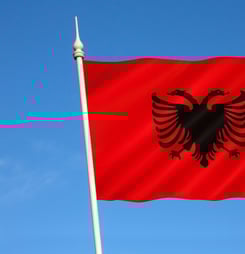

Kosovo Independence Day is a vibrant celebration filled with national pride and unity. The day marks a significant moment in Kosovo’s history when it declared itself an independent country.
By celebrating this day, Kosovars express their gratitude and look forward to a brighter, more prosperous future together!
How to Celebrate Kosovo Independence Day
Parade Extravaganza
Jumpstart the day with a lively parade! Watch as colorful floats, traditional costumes, and joyful dancers fill the streets.
Everyone loves a good parade, especially one that celebrates independence. Local bands can add to the fun with upbeat music, making it impossible not to tap your feet. Get there early for the best view and enjoy the festive atmosphere!
Feast on Local Delights
Kosovo Independence Day calls for a culinary celebration! Indulge in local favorites like flija, a delicious layered pastry, or tavë kosi, a hearty baked dish.
Street vendors and restaurants offer a variety of treats to satisfy any craving. Friends and family gather around to share meals, making food a central part of the festivities. Don’t forget to try some baklava for dessert!
Dance to Traditional Tunes
Put on your dancing shoes and join in the fun! Traditional music fills the air, inviting everyone to dance. Folk dances, such as the lively valle, get people moving and laughing.
Whether you’re a seasoned dancer or just love to move, the energetic rhythms are infectious. Local musicians play traditional instruments, creating a truly authentic experience.
Visit the Newborn Monument
Take a trip to the iconic Newborn Monument in Prishtina, the capital city. This symbol of freedom is a must-see on Independence Day.
The monument often gets a fresh coat of paint, reflecting the year’s themes and messages. Snap a photo and leave your mark on this ever-evolving artwork. It’s a perfect way to reflect on Kosovo’s journey and celebrate its vibrant spirit!
Enjoy a Fireworks Show
End the day with a bang! Fireworks light up the night sky, providing a spectacular finale to the celebrations. Gather with friends and family to watch the dazzling display. Each burst of color symbolizes the joy and pride of the nation.
As the fireworks explode, the sense of unity and happiness is palpable. A perfect ending to an unforgettable day!
Join in Community Events
Local communities host various events, from concerts to cultural exhibitions. These gatherings highlight Kosovo’s rich heritage and diverse traditions.
Participants can participate in workshops, watch performances, or simply enjoy the vibrant atmosphere. Community events bring people together, fostering a sense of camaraderie. There’s something for everyone, making them a great way to celebrate!
Kosovo Independence Day Timeline
Battle of Kosovo
Ottoman forces defeat a Serbian-led coalition at Kosovo Field, leading to centuries of Ottoman rule over the region and cementing Kosovo’s place in regional memory.
Balkan Wars and End of Ottoman Rule in Kosovo
The First Balkan War drove the Ottoman Empire from most of the Balkans, and the 1913 Treaty of London assigned most of Kosovo to Serbia and Montenegro.
Kosovo within Socialist Yugoslavia
After World War II, Kosovo became an autonomous province of Serbia inside socialist Yugoslavia, gaining expanded self-government and constitutional status in the 1974 Yugoslav Constitution.
Revocation of Kosovo’s Autonomy
Serbian leader Slobodan Milošević curtails Kosovo’s autonomy; the Kosovo Assembly is dissolved, and many ethnic Albanians are purged from state institutions, fueling parallel structures and resistance.
Kosovo War and NATO Intervention
Armed conflict erupts between Yugoslav/Serb forces and the Kosovo Liberation Army, culminating in NATO air strikes from March to June 1999 and widespread displacement and abuses.
UN Resolution 1244 and UNMIK Administration
UN Security Council Resolution 1244 ends the bombing campaign, authorizes an international security force, and establishes the UN Interim Administration Mission in Kosovo (UNMIK).
Declaration of the Republic of Kosovo
Kosovo’s Assembly adopts a declaration of independence in line with UN envoy Martti Ahtisaari’s plan, asserting statehood after years of conflict and international administration.
History of Kosovo Independence Day
Kosovo’s journey to independence began in the late 20th century. Following the breakup of Yugoslavia, tensions between ethnic Albanians and Serbs in Kosovo escalated.
This led to the Kosovo War in 1998, involving severe conflicts and human rights violations. NATO intervened with airstrikes in 1999 to stop the violence, leading to the withdrawal of Serbian forces and the establishment of a UN administration in Kosovo.
Kosovo declared its independence from Serbia on February 17, 2008. This historic moment resulted from years of struggle and international mediation.
Despite Serbia and some other countries not recognizing its independence, over 100 UN member states, including the United States and most European Union countries, recognized Kosovo as an independent state.
This declaration marked a new chapter for Kosovo, aiming for peace and self-governance, and Kosovo Independence Day is celebrated with great enthusiasm every year. It commemorates the resilience and determination of the Kosovar people.
The day features various events, including parades, concerts, and speeches, particularly in the capital, Pristina. It serves as a reminder of the hardships overcome and the hope for a peaceful future.
On this day, people gather in the streets, waving flags and enjoying parades, concerts, and other festivities. It’s a day of joy and remembrance, showcasing the spirit and resilience of the Kosovar people.
The celebration honors Kosovo’s journey to becoming a sovereign state. After years of conflict and struggle, Kosovo declared independence, which was a dream come true for many of its citizens.
This day is important because it commemorates the courage and sacrifices made to achieve freedom and self-determination. It is also a time to reflect on the progress and future aspirations of the young nation.
Kosovo Independence Day reminds everyone of the importance of freedom and unity. It also educates younger generations about their country’s history and the efforts required to maintain peace and independence.
Facts About Kosovo Independence Day
Medieval Kosovo as a Religious and Political Center
In the late Middle Ages, Kosovo formed the heartland of the Serbian medieval state, hosting major Orthodox monasteries such as Visoki Dečani, Gračanica, and the Patriarchate of Peć.
These foundations, many built in the 13th–14th centuries, became spiritual and cultural centers of the Serbian Orthodox Church and are today recognized as UNESCO World Heritage Sites for their architecture and fresco painting.
The Long Shadow of the 1389 Battle of Kosovo
The Battle of Kosovo in 1389 between Ottoman forces and a Serbian-led coalition did not immediately end Serbian statehood, but it grew into a powerful national myth over centuries.
In Serbian epic poetry and religious commemoration, the battle came to symbolize sacrifice and the defense of Christendom, shaping Serbian political narratives and identity well into the modern era.
Demographic Transformation Under Ottoman Rule
During nearly five centuries of Ottoman rule, Kosovo’s population gradually shifted from a predominantly Slavic Christian region to one with a strong Albanian-speaking and Muslim presence.
Historians link this transformation to migration, Islamization, and changing land-tenure systems, producing a patchwork of Albanian, Serb, Turkish, Bosniak, and other communities that still characterizes Kosovo’s demographic landscape.
Kosovo’s Unique Constitutional Status in Socialist Yugoslavia
Under Yugoslavia’s 1974 constitution, Kosovo became a Socialist Autonomous Province within Serbia but with many attributes of a republic, including its own assembly, government, and representation in federal institutions.
This unusually high degree of autonomy—short of full republic status—both empowered local Albanian elites and set the stage for fierce disputes when Belgrade moved to curtail it in the late 1980s.
Parallel Institutions and “Shadow State” in the 1990s
After Serbia revoked Kosovo’s autonomy in 1989, most ethnic Albanians withdrew from state institutions and built a parallel system of schools, healthcare, and political representation.
This “shadow state,” centered around the Democratic League of Kosovo (LDK) and President Ibrahim Rugova, ran underground universities, collected taxes from the diaspora, and pursued a strategy of nonviolent resistance that shaped Kosovar political culture.
International Law and the 2010 ICJ Advisory Opinion
In 2010, the International Court of Justice issued an advisory opinion stating that Kosovo’s 2008 declaration of independence did not violate international law, UN Security Council Resolution 1244, or Kosovo’s constitutional framework.
While the opinion did not rule on Kosovo’s statehood or recognition, it became a key legal reference for governments and scholars debating secession and self-determination in international law.
Remittances and the Kosovar Diaspora’s Economic Role
Kosovo’s sizable diaspora—particularly in Germany, Switzerland, and the Nordic countries—plays an outsized role in the country’s economy through remittances. The World Bank estimates that personal transfers from abroad have regularly amounted to more than 10 percent of Kosovo’s GDP in the 21st century, cushioning household incomes, financing small businesses, and reinforcing social ties between emigrants and their places of origin.