Little Red Wagon Day
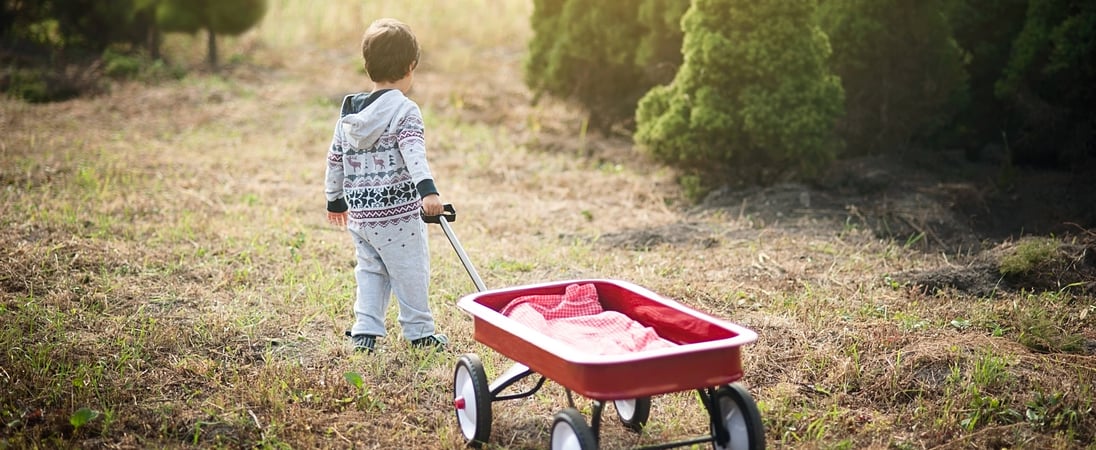
Did you know Little Red Wagon Day zooms into our calendars every year? This day is all about celebrating a simple toy that has captured the hearts of children for generations.
It’s a perfect mid-week break to relive the joys of childhood, whether you’re young or just young at heart!
How to Celebrate Little Red Wagon Day
Parade Your Wagon
Gather the neighborhood for a red wagon parade. Everyone can decorate their wagons with streamers, balloons, and even lights.
It’s a wonderful way to show off that shiny little red cart and share some laughs with friends and family.
Wagon Races
Host some friendly red wagon races at your local park. Kids and adults alike can enjoy the thrill of racing their wagons down gentle slopes. Just make sure safety is the top priority—helmets on!
Wagon Art Show
Transform your wagon into a mobile art exhibit. Kids can create drawings, paintings, or crafts to display on their wagons.
Take a stroll around the block so everyone can admire the traveling gallery of little masterpieces.
Storytime in a Wagon
Set up a cozy reading nook inside a red wagon with cushions and blankets. It’s perfect for parents to read their favorite childhood stories to their kids. This quiet time can spark imaginations under the open sky.
Donate a Wagon
Why not spread the joy further? You could donate a new or gently used red wagon to a local children’s charity or hospital. It’s a beautiful way to make a difference and give kids a new reason to smile.
Each suggestion combines fun with a splash of kindness, making Little Red Wagon Day a celebration of joy and community spirit.
Why Celebrate Little Red Wagon Day?
Have you ever played with a little red wagon or seen one rolling down the sidewalk? These bright red toys are more than just vehicles for carrying toys or tired toddlers.
They symbolize joyful, imaginative play that transcends generations. On Little Red Wagon Day, everyone rediscovers that childlike wonder and takes their wagons out for a spin, sharing stories and creating new memories along the way.
Little Red Wagon Day is more than just a nod to nostalgia. It’s a day that encourages us to enjoy simple pleasures and time with loved ones.
Whether you’re pulling your kids through the park or just displaying an old wagon as a piece of Americana, it’s a day to appreciate how these childhood toys continue to fuel imaginations and create memories.
It’s a reminder of the power of playful spirits and the timeless nature of true joy.
History of Little Red Wagon Day
Little Red Wagon Day began in 2016. The holiday was fouded to celebrate 100 years of Radio Flyer, the company famous for making these iconic red wagons.
This day is about the joy and creativity these simple toys bring children and adults alike.
Each year, people celebrate on the last Wednesday of March. This specific timing was chosen to remember the first release of the Radio Flyer wagons.
The company started selling them back in 1917, and they quickly became a beloved part of childhood around the world.
The day highlights the lasting appeal of the little red wagon. It reminds everyone of simpler times and encourages them to cherish fun and imagination moments with loved ones. People love this day because it brings back sweet memories of childhood adventures.
Little Red Wagon Day FAQs
What are some developmental benefits of children playing with wagons?
Pulling and pushing a wagon helps young children build gross motor skills, balance, and coordination, while loading and unloading items can develop fine motor control.
When children decide what to carry, where to go, and how to share space with others, they practice planning, problem solving, and cooperation.
Unstructured outdoor play with simple toys like wagons is also linked to healthier levels of physical activity and supports social and emotional skills such as taking turns and negotiating roles during pretend play.
How did the little red wagon become such an iconic part of childhood in the United States?
Toy wagons were available in various forms in the late 19th and early 20th centuries, but they became widespread in the United States once companies began mass‑producing stamped‑steel wagons in the 1920s and 1930s.
Radio Flyer, founded by Italian immigrant Antonio Pasin, helped turn the small red wagon into a national symbol through affordable pricing, large‑scale production, and high‑profile marketing, including a 45‑foot wagon display at the 1933 Chicago World’s Fair.
Over decades, the wagon appeared in advertising, family photos, parades, and playgrounds, which cemented it as a familiar image of American childhood.
Are wagons safe for toddlers to ride in, or should they only be used to carry toys?
Safety depends on the child’s age, the wagon’s design, and how it is used.
Pediatric safety experts generally recommend that young children ride only in wagons that are sturdy, have a low center of gravity, and include features such as seat belts or high sides to reduce the risk of falls.
Caregivers should always pull the wagon while walking at a slow, controlled pace rather than letting it roll freely down hills, and helmets are recommended if a wagon might pick up speed on slopes.
Children should never ride in a wagon near traffic, water, or stairs, and they should be taught to keep hands and feet inside to avoid injury.
What should parents look for when choosing a wagon to minimize safety and health risks?
Consumer safety agencies advise choosing wagons that meet current safety standards, which typically include stable wheelbases, smooth edges, secure fasteners, and non‑toxic paint and finishes.
Caregivers can check for product recalls through the U.S. Consumer Product Safety Commission to avoid models that have been flagged for hazards such as excessive lead in paint or structural failures.
It is also wise to consider weight limits, age recommendations, and whether the wagon will be used mainly for hauling gear or for giving children rides, since those uses call for different designs and safety features.
How do simple toys like wagons support imagination compared with electronic toys?
Research on play suggests that simple, open‑ended toys such as wagons encourage children to invent their own games and stories, because the toy does not dictate how it should be used.
A wagon can be a vehicle, a ship, a store, or a stage set, depending on what the child imagines, which supports flexible thinking and creative problem solving.
Electronic toys and screens can be engaging, but they often come with built‑in narratives, sounds, and goals that may limit the amount of self‑directed pretend play.
Many child‑development specialists recommend a mix of toys, with a strong emphasis on basic, multifunctional items like blocks, dolls, and wagons.
How have children’s wagons changed over the last century?
Early children’s wagons were typically handcrafted from wood, with metal wheels and simple pull handles.
In the 1920s and 1930s, manufacturers shifted to stamped‑steel bodies, which made wagons cheaper to mass produce and more durable for outdoor use.
In recent decades, plastic and hybrid designs with molded seats, seat belts, cup holders, and sun canopies have become common, and some wagons now fold for storage or are designed for use as stroller alternatives.
Despite these changes in materials and features, the basic idea of a small pull‑along vehicle for hauling children and belongings has remained largely the same.
Is there a cultural or symbolic meaning attached to the little red wagon?
In the United States, the small red wagon is often used as a visual shorthand for childhood, nostalgia, and family togetherness.
It frequently appears in photographs, advertisements, and stories that evoke simpler times or the idea of “pulling one another along” through life. Some writers and counselors use the wagon as a metaphor for the emotional “load” a person carries, or for the legacy of objects and memories passed from one generation to the next.
This symbolic role has helped the wagon remain recognizable even as many other childhood toys have changed or disappeared.
Also on ...
View all holidays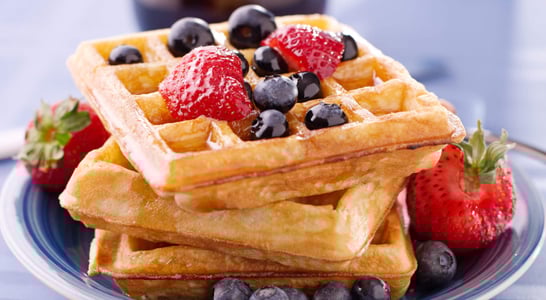
International Waffle Day
Start your day off right with a warm and crispy breakfast treat topped with your favorite fruits, syrups, and whipped cream.


American Red Cross Giving Day
The American Red Cross has given healthcare to those in need for generations, from volunteer blood drives to mobile vaccination sites. Volunteer to help!

Tolkien Reading Day
Take a journey through a magical world filled with brave heroes, fierce battles, and unforgettable adventures in a beloved classic series.
We think you may also like...

Teddy Bear Picnic Day
Based on the early 20th Century pop song “The Teddy Bears’ Picnic”, this day is all about spending time on a picnic with friends, family, and teddy bears.