
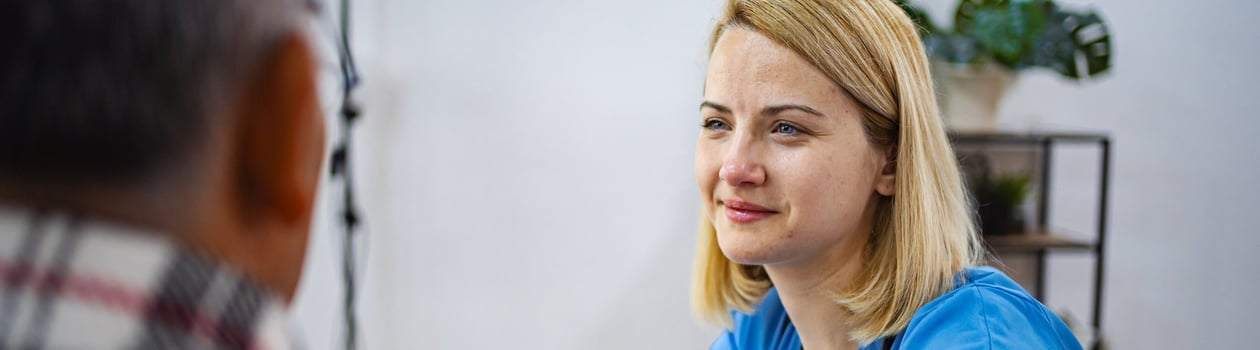
Mental Health Nurses Day celebrates the quiet strength of those who meet people in their hardest moments and stay with them there.
These nurses don’t just offer treatment—they notice the shake in a hand, the pause before a word, the silence that says more than a sentence ever could.
Their care feels less like a routine and more like a steady hand reaching through the fog.
They don’t ask for attention. They focus on the small, life-changing work: helping someone eat after days of not eating, or sit through a storm of panic without running.
Their days are filled with stories that rarely get told—stories of fear turned to calm, and isolation slowly replaced with trust. This isn’t just care. It’s commitment stitched into every quiet moment.
Mental Health Nurses Day Timeline
Early Asylum Attendants
With the spread of large public asylums in Europe and North America, untrained “keepers” and attendants begin providing day‑to‑day care for people with mental illness, laying the rough groundwork for later mental health nursing roles.
Reformers Call for Humane Psychiatric Care
Dorothea Dix’s campaigns for better treatment of people with mental illness in U.S. and British institutions highlight the need for more compassionate, structured care, helping shift expectations of those who nurse psychiatric patients.
First Formal Psychiatric Nurse Training
The first general hospital–based training school for nurses in mental illness is founded at McLean Hospital in Massachusetts, marking one of the earliest organized efforts to educate nurses specifically for psychiatric care.
Psychiatric–Mental Health Nursing Textbook Published
Hildegard Peplau publishes “Interpersonal Relations in Nursing,” which becomes foundational for psychiatric nursing by framing nurse–patient relationships and communication as core therapeutic tools in mental health care.
Community Mental Health Act Spurs New Roles
The U.S. Community Mental Health Centers Act accelerates deinstitutionalization and the growth of community services, expanding psychiatric nurses’ responsibilities into crisis intervention, home visits, and long‑term community support.
Specialist Registration in the United Kingdom
The UK Nursing and Midwifery Council’s predecessors formalize mental health nursing as a distinct branch of registered nursing, giving psychiatric nurses a clear professional identity and specialist training routes.
WHO Highlights Mental Health Nurses Globally
The World Health Organization’s World Health Report 2001 on mental health underscores the importance of psychiatric nurses in scaling up care worldwide, calling for expanded training and support for this specialist workforce.
How to Celebrate Mental Health Nurses Day
Here are some creative ways to honour mental health nurses and share appreciation:
Give Them Space to Speak
Start a quiet moment for nurses to talk about their work, on their terms. Host a group chat or record short clips. Listen without rushing.
You’ll hear stories that rarely leave the room.
Write a Note They’ll Keep
Words last. Ask coworkers, patients, or families to write short letters of thanks. Keep the tone real, not formal. Deliver each one personally.
A few true sentences can lift someone for weeks.
Start a ‘Gratitude Wall’
Set up a space where anyone can post kind words or drawings. Avoid generic phrases. Be specific. Celebrate the everyday moments that often go unseen.
Offer Time, Not Just Stuff
Cover a shift. Handle a few extra tasks. Let a nurse step away for an extra-long break. That hour might mean more than a thousand thank-yous.
Bring Their Work into the Light
Create a short podcast, blog, or photo series featuring mental health nurses. Keep it human. Focus on why their care matters. Share it widely so others can learn, and respect them more.
History of Mental Health Nurses Day
Mental Health Nurses Day began in 2019 in the United Kingdom. The Royal College of Nursing created it to highlight the work of nurses who support people with mental health challenges.
The idea came from nurses themselves, who wanted a day that focused only on their area of care. These professionals use both compassion and skill to support people through distress, confusion, and recovery.
The first event took place on February 21 and quickly gathered attention across hospitals, clinics, and online platforms.
People began sharing stories, thanks, and personal experiences. It created a space where the quiet work of mental health nurses could be seen and valued.
Since then, the day has grown each year. It’s now marked in other countries too, including Australia, where their national college also supports the event.
Groups organize panels, online talks, and creative projects to help others understand what mental health nursing really means. The day also encourages younger people to think about joining the profession.
Each year, more hospitals, charities, and schools take part. What started as a small campaign has turned into a powerful reminder: the work of mental health nurses is essential, skilled, and deeply human. And it deserves our full attention.
Facts About Mental Health Nurses Day
Therapeutic Relationships Are Central to Outcomes
Research consistently finds that the quality of the therapeutic relationship that mental health nurses build with service users is one of the strongest predictors of positive outcomes, including reduced distress, better engagement with treatment, and lower rates of self‑harm and relapse.
Studies of inpatient and community services show that factors such as trust, empathy, and feeling “heard” by nurses can sometimes outweigh the specific therapy model in influencing recovery.
Mental Health Nurses Often Lead Suicide Risk Assessment and Safety Planning
In many hospitals and community teams, mental health or psychiatric nurses are the professionals who conduct ongoing suicide risk assessments and co‑create safety plans with people in crisis.
Guidelines from organizations such as the National Institute for Health and Care Excellence emphasize that nurses’ frequent contact and observation place them in a key position to notice small changes in mood or behavior that may signal escalating risk, and structured nursing assessments have been linked with earlier intervention and fewer serious incidents.
Specialist Training Extends Well Beyond General Nursing Education
Becoming a mental health nurse usually requires additional specialist education on top of general nursing training, including content on psychopathology, de‑escalation skills, trauma‑informed care, psychopharmacology, and legal frameworks around capacity and consent.
In the United Kingdom, for example, mental health nursing is a distinct registration field that requires a dedicated degree route, while in countries such as the United States most states expect psychiatric‑mental health nurses to complete postgraduate programs or certifications to practice in advanced roles.
Workforce Shortages in Mental Health Nursing Are Persistent and Global
Despite growing demand, many countries face chronic shortages of qualified mental health nurses. In England, official workforce data show that the number of mental health nurses in the National Health Service fell by more than 10% between 2009 and 2019, even as referrals to mental health services rose.
Similar gaps are reported by the World Health Organization worldwide, which notes that mental health nurses make up the largest professional group in the global mental health workforce yet remain concentrated in high‑income countries, leaving low‑ and middle‑income regions with very limited access to specialist nursing care.
Trauma‑Informed Care Has Reshaped Mental Health Nursing Practice
Over the last two decades, mental health nursing has been heavily influenced by trauma‑informed care, an approach that assumes many people using services have histories of trauma and seeks to avoid re‑traumatization.
This has led to changes in how nurses use observation, boundaries, and authority; many services have revised routines, language, and physical environments in response to nurse‑led quality‑improvement projects.
Evidence suggests that trauma‑informed nursing practices can reduce the use of physical restraint and seclusion and improve people’s sense of safety and collaboration in care.
Mental Health Nurses Are Often the First Point of Contact in Crisis Teams
In community crisis resolution and home treatment teams, mental health nurses frequently act as the initial responders who visit people at home during acute episodes of psychosis, severe depression, or escalating anxiety.
Evaluations of these teams in the UK and other countries show that nurse‑delivered intensive home support can reduce the need for hospital admission, shorten inpatient stays when they do occur, and is often preferred by service users who want to remain in their own environment while receiving 24‑hour support.
Advanced Practice Psychiatric‑Mental Health Nurses Can Prescribe and Lead Services
In several countries, advanced practice psychiatric‑mental health nurses are licensed to diagnose mental health conditions, prescribe medications, and provide psychotherapy, often managing their own caseloads.
In the United States, for example, Psychiatric‑Mental Health Nurse Practitioners are recognized in all states, and research indicates they provide care comparable in quality to psychiatrist‑delivered outpatient treatment for many conditions, particularly in underserved areas where physician shortages are severe.



You may also like

CNA Day
CNA Day celebrates certified nursing assistants who provide vital hands-on care, comfort, and support to patients, strengthening every level of healthcare.

International Nurses Day
Give a big thank-you to the hard-working, often under-paid medical professionals who keep hospitals, rehab centers, nursing homes and hospice care running.
- Australia
- Canada
- International
- and 2 more

Certified Nurses Day
Certified Nurses Day spotlights nurses who choose to prove their expertise the hard way: by earning a nationally recognized certification in a specialty area and then keeping it current. Certification is not the same as a nursing license. Licensure is the baseline requirement to practice, while certification is an added...
- Australia
- Canada
- United Kingdom
- and 1 more

National Emergency Nurses Day
Honor the dedication of these amazing medical professionals by fundraising for your local emergency department or sending gifts on Emergency Nurses Day.
- Australia
- Canada
- United Kingdom
- and 1 more
National days and holidays on February 21 2027

National Nest Box Week
If you want to invite more birds to your yard, consider putting up some cozy little homes for these feathered friends!

International Mother Language Day
The celebration of linguistic heritage honors the resilience and cultural richness of a nation's language, paying homage to a profound identity and promoting unity.
- Bangladesh
- India
- International
- and 1 more

Makha Bucha Day
Makha Bucha Day is a significant Buddhist holiday that represents a moment of spiritual reflection and unity among Buddhists. It’s a day when devotees come together to reaffirm their commitment to the core principles of Buddhism, which include refraining from harmful actions, doing good, and purifying the mind. The day...

Real Bread Week
Real bread is a joy to behold! Made with natural ingredients and baked to perfection, each bite is a heavenly experience.
Seize Every Day
Join free for personalised recommendations, email reminders and exclusive guides. Never miss a day.