

National Ballet Day is a vibrant celebration of one of the most elegant and respected forms of dance. On this day, people worldwide come together to appreciate the beauty and artistry of ballet.
The delicate movements, expressive performances, and enchanting music create an experience that captivates audiences of all ages.
Ballet enthusiasts eagerly anticipate this day to immerse themselves in the grace and splendor of this timeless art form.
The importance of National Ballet Day lies in its ability to highlight the dedication and skill of ballet dancers. These artists train rigorously to perfect their craft, bringing stories to life through their bodies.
Ballet not only showcases physical strength and agility but also conveys deep emotions and narratives without words.
This day encourages people to recognize and celebrate the immense effort that goes into each performance, fostering a greater appreciation for the discipline and artistry involved.
National Ballet Day is celebrated for several reasons. It aims to promote awareness of ballet and its cultural significance.
The day serves as a reminder of ballet’s rich history and its continuing impact on the arts. By observing this day, people can support local ballet companies, attend performances, or even participate in ballet classes.
This engagement helps to ensure that ballet remains a vibrant and cherished part of our cultural heritage, inspiring new generations of dancers and audiences alike.
History of National Ballet Day
National Ballet Day emerged from a global love for ballet, which combines grace, athleticism, and storytelling.
The idea for this special day started as an online sensation in 2015 when a video of a young girl attempting her first ballet steps went viral.
This heartwarming moment inspired many ballet lovers to share their own stories and videos, creating a wave of appreciation for the art form.
The overwhelming response led a group of ballet enthusiasts to establish National Ballet Day. Since its inception, this day has brought together dancers, teachers, and fans to celebrate the beauty and dedication involved in ballet.
Ballet companies, dance studios, and performers worldwide participate by hosting performances, workshops, and various events. These activities highlight ballet’s cultural significance and encourage people to experience its magic.
National Ballet Day continues to grow, offering a unique opportunity for everyone to engage with ballet. Whether attending a live performance, joining a class, or watching ballet-themed films, people of all ages can appreciate the blend of athleticism and artistry.
This celebration ensures that ballet remains a vibrant and cherished part of our cultural heritage, inspiring future generations of dancers and audiences.
How to Celebrate National Ballet Day
Attend a Ballet Performance
Step into a theater and watch a live ballet performance. Feel the excitement as dancers glide across the stage. Each movement tells a story without words.
Local ballet companies often host special shows on this day. It’s a fantastic way to immerse in the magic of ballet.
Take a Ballet Class
Why not try a ballet class? Many dance studios offer beginner lessons to celebrate the day. Whether young or old, it’s never too late to start.
Stretch, leap, and maybe even attempt a pirouette. Ballet teachers guide with patience, making it fun for everyone.
Watch Ballet Films
Curl up on the couch and enjoy a ballet-themed movie. Films like “Black Swan” or “The Red Shoes” showcase the beauty and drama of ballet.
Documentaries also provide a fascinating glimpse behind the scenes. Popcorn and pirouettes make for a delightful evening.
Host a Ballet-Themed Party
Throw a ballet-themed party at home. Decorate with tutus and ballet slippers. Play classical music and watch famous ballet clips.
Guests can even dress up as their favorite ballet characters. It’s a fun and creative way to celebrate with friends and family.
Explore Ballet History
Dive into the rich history of ballet. Read books or articles about its origins and evolution. Discover how it transformed from royal courts to the global stage.
Learning about famous dancers and choreographers can be truly inspiring. Ballet’s past is as captivating as its performances.
Facts About National Ballet Day
Court Spectacle to Stage Art
Ballet began not as a theater art but as elaborate entertainment in 15th–16th century Italian Renaissance courts, where aristocrats danced in wedding pageants and political celebrations before the form migrated to France and was refined into staged spectacle.
How Louis XIV Turned Dance into a Discipline
In 1661 King Louis XIV of France founded the Académie Royale de Danse, the first institution devoted to codifying ballet; under his dance master Pierre Beauchamp, the five basic positions of the feet and the use of French as ballet’s technical language were established and are still used worldwide today.
Why Ballet French Is Spoken Everywhere
Because ballet technique and vocabulary were formalized at the French court and in Parisian institutions like the Académie Royale de Danse and the Paris Opera Ballet, French terms—plié, arabesque, pas de deux—remain the standard professional language of ballet, even in companies far from France.
From Royal Entertainment to Global Network
By the late 19th and 20th centuries, ballet’s center of gravity expanded from France and Italy to Russia, Britain, North America, and beyond, with institutions like the Bolshoi Ballet, English National Ballet, San Francisco Ballet, and the National Ballet of Canada forming an international network that now collaborates on global events such as World Ballet Day.
Ballet Dancers as Performing Athletes
Modern research treats professional ballet dancers as “performing athletes”: compared with non-dancers they have exceptional flexibility and motor control, but often lower aerobic power and muscular strength than other elite athletes unless they add targeted conditioning such as resistance and cardio training.
Hidden Injury Rates Behind the Grace
Scientific studies of professional ballet show very high rates of musculoskeletal injury, especially in the foot, ankle, knee, and lower back, with large positive relationships between cumulative training load—hours of class, rehearsal, and performance—and injury risk, prompting companies to monitor workloads much like sports teams.
How Dance Training Shapes the Brain
Meta-analyses of dance-based programs for older adults with mild cognitive impairment show that regular dance can significantly improve global cognition, memory, executive function, attention, and mood, with brain imaging suggesting neuroprotective effects in memory-related networks—effects that are likely driven by the same combination of complex movement, musical timing, and focus that characterizes ballet classes.
National Ballet Day FAQs
How did King Louis XIV influence the development of ballet?
King Louis XIV, known as the “Sun King,” was a passionate ballet dancer. He founded the Académie Royale de Danse in 1661, the first ballet school.
His involvement elevated ballet from court entertainment to a professional art form.
Why were women initially excluded from performing ballet?
In the early days of ballet, only men performed. Women were barred from public performances until 1681. Men even portrayed female roles, wearing masks and wigs.
What is the significance of the tutu in ballet?
The tutu, introduced in the 19th century, allows audiences to see dancers’ precise leg movements. Crafting a professional tutu can take up to 90 hours.
How do ballet dancers’ shoes differ from regular footwear?
Pointe shoes enable dancers to perform on their toes. The tip, or “box,” is made of layers of fabric and cardboard, not wood.
What are some unique ways countries celebrate National Ballet Day?
In Japan, ballet companies offer open classes to the public. In Russia, theaters stream performances online, reaching global audiences.
Are there any myths or misconceptions about ballet?
A common myth is that ballet is solely for women. Historically, men dominated the art form. Today, male dancers play crucial roles in performances.
How has ballet influenced other dance forms?
Ballet has shaped modern dance, jazz, and even hip-hop. Its techniques provide a foundation for various dance styles.
What are some lesser-known ballets worth exploring?
“La Bayadère” tells a tale of love and betrayal in India. “Coppélia” is a comedic story about a life-sized doll.
How do ballet dancers maintain their physical health?
Dancers follow strict diets, engage in cross-training, and practice injury prevention techniques. They often work with physiotherapists to stay in peak condition.
What role does music play in ballet performances?
Music sets the tone and pace of a ballet. Composers like Tchaikovsky created scores that are integral to the storytelling, enhancing the emotional impact.



You may also like
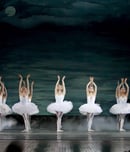
World Ballet Day
Graceful storytelling on tiptoes — expressing emotions and tales without uttering a single word, captivating in its own silent way.

World Lindy Hop Day
Celebrate World Lindy Hop Day by honoring Frankie Manning, exploring Harlem’s swing heritage, and enjoying energetic jazz-fueled social dance worldwide.
- Singapore
- South Africa
- Sweden
- and 2 more
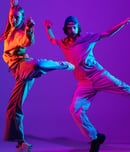
National Dance Day
Losing oneself in the rhythm, letting the music guide, expressing feelings without words, and sharing the joy of movement.
- Australia
- Canada
- United Kingdom
- and 1 more

Dance Marathon Day
Dance Marathon Day bursts to life with music, movement, and purpose. It’s not just about dancing, it’s about showing up for something bigger and doing it with sore calves and a grin. People come together, often in teams, ready to groove for hours at a time, turning a simple dance...
National days and holidays on February 7 2027
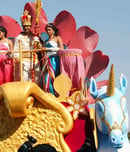
Goa Carnival
The Goa Carnival is a vibrant festival that takes over the streets with a wave of color, music, and celebration. It lasts for several days and is marked by grand parades filled with dazzling floats, energetic dancers, and talented musicians. The excitement begins with a spirited procession led by "King...
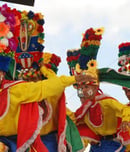
Carnaval de Barranquilla
If you ever visit Carnaval de Barranquilla, you'll find yourself immersed in a whirlwind of color and music. The entire city transforms into a giant celebration, with lively parades and dazzling costumes at every turn. Streets become stages where everyone participates, moving to the infectious rhythms of cumbia and vallenato...

Carnival of Brazil
Samba music, vibrant costumes, and non-stop dancing—this annual festival in Rio de Janeiro is the ultimate party experience you won't forget!
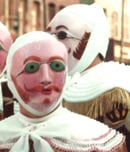
The Carnival of Binche
The Carnival of Binche is a vibrant celebration that fills the streets with color, music, and joy. Crowds gather to witness the lively parade of masked participants, known as Gilles, who throw oranges into the cheering crowd. The Carnival of Binche honors tradition and community spirit. It celebrates the town's...
Seize Every Day
Join free for personalised recommendations, email reminders and exclusive guides. Never miss a day.