

Kids run, jump, explore, and push limits every day. That curiosity brings joy, but also risk. National Childhood Injury Prevention Week speaks to that very balance.
It’s a reminder that while we can’t stop every scraped knee, we can prevent many serious injuries.
It’s about everyday choices—like buckling a car seat right, keeping medicine out of reach, or checking if a bike helmet fits snugly. These small acts stack up. They quietly guard the moments we often take for granted.
The purpose of this observance is not to use fear to get attention. Instead, it nudges us to notice the little things that matter most.
It’s not about blame—it’s about helping kids grow up safe while still having fun. Groups across the country share easy tips anyone can follow.
Families learn how to make homes, cars, and play spaces safer. These lessons don’t require fancy gear or long checklists—just care and a bit of awareness. And in those choices, there’s a kind of love that sticks.
How to Celebrate National Childhood Injury Prevention Week
Here are some ideas, designed to feel real and grounded in everyday life. Each one offers a moment to connect with kids while making safety part of their world, not just a rule to follow.
Explore the Home Together
Walk through your home with your child and ask questions like, “What looks safe here? What doesn’t?” Let them point things out.
You’ll find chances to move sharp tools, cover outlets, or secure loose rugs. It’s not just about spotting danger—it’s about teaching awareness, hand in hand.
Make Helmets Part of the Routine
Instead of grabbing helmets at the last second, slow down and treat it like tying your shoes. Ask your child if it feels snug.
Talk about why it matters. When safety feels normal, kids start to take the lead themselves. That tiny pause builds a habit that sticks.
Lock Away What Doesn’t Belong in Little Hands
Use this week to sort through the bathroom, kitchen, and garage. Medications, batteries, cleaners—these can all turn from useful to dangerous fast.
Involve your child by saying, “These are for grown-ups. Let’s find a better spot.” That one small move can mean everything in a tough moment.
Practice “What If” Moments Around Water
Whether it’s a bathtub, a pool, or even a bucket, water safety isn’t just for swimming. Go over what to do if a toy drops in, or if someone falls.
Keep it calm, short, and real. Repeating these drills now can help your child stay clear-headed later.
Draw Your Escape Plan Like a Story
Grab crayons, notepads, or magnets. Turn your family’s fire escape plan into a creative moment. Talk through exits, check alarms, and pick a meetup spot outside.
When kids help create the plan, they remember it. Plus, it makes a serious topic feel a little less scary—and a lot more doable.
History of National Childhood Injury Prevention Week
National attention to keeping kids safe at home and play began in the mid-1980s. In 1986, U.S. Congress passed a resolution naming a week in early June as “National Children’s Accident Prevention Week.”
President Ronald Reagan signed the change into effect, making that period an official time to focus on stopping avoidable harm.
That declaration shifted the conversation. Families and professionals saw that many child injuries and deaths didn’t have to happen.
Two years later, in 1988, pediatric trauma surgeon Dr. Martin R. Eichelberger and public relations specialist Herta Feely founded the National SAFE KIDS Campaign at Children’s National Hospital in Washington, D.C.
They built this nonprofit to share safety tools and ideas across the country. Supported by Johnson & Johnson and led by Surgeon General C. Everett Koop, the Campaign grew quickly.
This movement helped fuel the annual safety observance. Over time, “National Children’s Accident Prevention Week” evolved into what we now call National Childhood Injury Prevention Week. Safe Kids Worldwide played a key role in keeping it alive and relevant.
Their efforts helped reduce unintentional harm significantly. Today, communities use this week to offer safety tips, host events, and share real steps families can take to protect children.


You may also like

Brain Injury Awareness Day
Brain Injury Awareness Day is a significant observance dedicated to boosting understanding of brain injuries and the many ways they can change a person’s life. It encourages people to look beyond the obvious because brain injury is often an invisible disability, and its effects can show up in memory, mood...
- Australia
- Canada
- United Kingdom
- and 1 more

Hats for Headway Day
Hats for Headway Day is a lively and impactful event dedicated to raising awareness and funds for brain injury support. This fun-filled day sees participants don their most creative and wacky hats, share selfies, and make donations. The initiative not only brings attention to brain injuries but also fosters community spirit...
- United Kingdom
Safety Pup Day
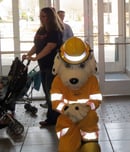
Safety Pup Day is a fun and educational event focused on teaching children how to stay safe. Through interactive activities, kids learn important safety tips. The day features a lovable dog mascot, Safety Pup, which makes learning about safety more enjoyable and memorable for children. Safety Pup Day also involves parents...
- Canada
- United States

Self-Injury Awareness Day
Promote understanding and compassion for those facing internal struggles, encouraging empathy and supportive conversations for mental health.
- International
- United Kingdom
- United States
National days and holidays on September 1

Ginger Cat Appreciation Day
Though they have a reputation for being total doofuses, ginger cats are actually—wait no, that’s right. Give your ginger doofus a big hug and some cat treats.
- International
- United Kingdom
- United States

National Tofu Day (UK)
Try a healthier, often more eco-friendly option in your meals instead of meat. Try tofu stir-fry, tofu in taco bowls, or even a sweet, moist tofu-based dessert.
- Canada
- China
- Japan
- and 1 more

Crayfish Party
Crayfish Party is a lively and festive occasion celebrated with friends and family. This event marks the end of summer, bringing people together for a joyful feast. Tables are often set with bright decorations, and the air is filled with laughter. The menu features cooked and seasoned crayfish. The atmosphere...
- Denmark
- Finland
- Norway
- and 1 more
Footy Colors Day
Footy Colors Day is a vibrant event where Australians wear their favorite team's colors to show support for children battling cancer. This day brings communities together, fostering a spirit of camaraderie and collective purpose. Participants include schools, businesses, and various community groups, all joining forces to raise vital funds and...
- Australia
- New Zealand
Seize Every Day
Join free for personalised recommendations, email reminders and exclusive guides. Never miss a day.