
National Dadgum That’s Good Day is a unique celebration every year. It is a day that honors the simple but still profound joy of good food and great company.
This day of celebration comes from a unique exclamation of satisfaction one utters when someone tastes something genuinely delightful.
This day celebrates the moments that bring us together, the stories we share around the table, and the laughter that twinkles throughout our homes.
National Dadgum That’s Good Day Timeline
Family Dinner as Moral Institution
In the United States, advice writers and domestic reformers begin promoting a shared family dinner table as a daily ritual that teaches manners, faith, and family cohesion, turning mealtime into a key social institution.
Rise of Church and Community Cookbooks
Women’s church groups and civic organizations compile “community” or “charity” cookbooks, collecting home recipes to raise funds and preserve local traditions, helping cement the idea of shared dishes and stories as a form of community building.
Charcoal Briquettes and Outdoor Cooking
Henry Ford and E. G. Kingsford popularize commercial charcoal briquettes in the 1920s, making outdoor grilling more convenient and helping lay the groundwork for modern backyard cookouts built around casual, social meals.
Backyard Cookout Becomes a Pastime
With suburban growth after World War II, Americans embrace the backyard cookout as a symbol of family life and leisure, turning grilling into a social event centered on neighbors, friends, and food cooked outdoors.
Modern Kettle Grill Spurs Home Grilling
Metalworker George Stephen designs the rounded Weber kettle grill in the early 1950s, helping ordinary home cooks control heat more easily and making “Dadgum that’s good”‑style charcoal grilling and smoking accessible in countless backyards.
Gas Grills Bring Convenience to Family Meals
Innovators such as Don McGlaughlin develop early gas grills in the 1950s, followed by natural gas and propane models, allowing faster, more predictable outdoor cooking and encouraging frequent family cookouts and neighborhood gatherings.
Community Potlucks and Covered‑Dish Suppers Spread
Across American churches, schools, and civic groups, potluck and covered‑dish suppers become a staple of social life, where each household brings a favorite recipe and stories are exchanged alongside shared plates.
How to Celebrate National Dadgum That’s Good Day
Celebrating National Dadgum, That’s Good Day is all about embracing the joy of cooking and the warmth of family. Here are some tips and tricks to make the most of this delicious day:
Master the McLemore Recipe
What better way to celebrate than trying a recipe from John McLemore’s best-selling cookbook series? Whether it’s a smoky barbecue or a savory fry-up, pick a recipe and make it your own.
Don’t forget to heartily exclaim, “Dadgum, that’s good!” with every successful taste test. Remember — you don’t need to use your indoor voice; you can shout it.
Host a Family Cook-Off
Gather your family and host a National Dadgum That’s Good Day cooking competition. Each member can prepare a dish, and everyone gets to vote on the “Dadgum Best Dish.” The key ingredient?
A dash of fun and a sprinkle of laughter. Be sure to have a funny prize on hand to award the winner.
Storytelling Feast
As you enjoy your meal, share stories from the past. Let every family member tell all about their favorite family recipe or a funny kitchen mishap.
National Dadgum That’s Good Day is all about building bonds and the joy of being together.
Cooking Class Day
If you’re feeling adventurous, enroll in a cooking class with your family or friends. Learn a new cuisine or cooking technique, and bring that knowledge back to your kitchen.
Social Media Shoutout
Share your celebration on social media with the hashtag #NationalDadgumThatsGoodDay. Post pictures of your culinary creations, your family feast, or even a video of that moment when everyone says, “Dadgum, that’s good!”
Host a Potluck with a Twist
Invite friends and family over for a National Dadgum That’s Good Day potluck. Each should bring a dish that has a remarkable story or memory attached to it.
As you enjoy the friendly feast, each person can share the tale behind their dish, turning the gathering into a tapestry of culinary stories and delicious flavors. For a funny twist, you can tell each person to have a tall tale ready to tell — the more outrageous, the better.
Recreate a Family Heirloom Recipe
Dive into your family’s recipe book or call a relative to ask for that legendary recipe everyone talks about. Spend the day recreating this dish, honoring your family’s culinary heritage.
It’s a great way to connect with your roots and pass on a piece of family history.
Organize a Neighborhood Food Exchange
Coordinate with your neighbors to have a food exchange. Each household prepares a signature dish and exchanges it with others in the neighborhood. This activity spreads the joy of good food and strengthens community bonds.
Dadgum Good Dessert Challenge
Focus on the sweeter things in life by hosting a dessert-making challenge. Participants can create their most extravagant or beloved desserts. The goal is to hear the “Dadgum, that’s good!” exclamation when everyone tastes each other’s creations.
Culinary Scavenger Hunt
Hold a National Dadgum That’s Good Day scavenger hunt. The participants will search for ingredients or dishes from local eateries or markets that fit specific fun and quirky criteria (e.g., an ingredient you’ve never used before, a dish that starts with the letter ‘D’). End the day by preparing a meal or sharing the collected dishes, celebrating the joy of discovery and good food.
History of National Dadgum That’s Good Day
The roots of National Dadgum That’s Good Day stretch back to 2015. But its spirit is much older, woven into one inspiring family’s culinary traditions.
The brainchild of John McLemore and his father, Dawson McLemore, this day was born out of a love for cooking and family.
The McLemores, from Columbus, Georgia, were not just any family. They are the heart and soul behind Masterbuilt Manufacturing. This company manufactures high-quality cooking equipment, has graced countless homes, and has given families the means to create delicious meals.
The McLemore family’s journey in the culinary world began in 1973, marking the inception of Masterbuilt. Their passion for cooking was not just about the food but the stories, the bonding, and the traditions passed down through generations.
National Dadgum That’s Good Day reflects these ethics. It is a day to remind us of the importance of gathering around the table, sharing a meal, and creating memories.
Facts About National Dadgum That’s Good Day
Shared Meals Are Linked With Higher Life Satisfaction
Family Dinners Can Improve Kids’ Nutrition and Academics
Eating Together May Help Protect Mental Health
Feasting Has Helped Build Communities for at Least 12,000 Years
Anthropologists See Feasts as “Extra-Ordinary” Meals With Big Social Impact
Flavor Delight Starts With Just Five Basic Tastes
Aromas Do Most of the Work When Food Tastes Amazing
National Dadgum That’s Good Day FAQs
You may also like

All the News That’s Fit to Print Day
All the News That’s Fit to Print Day celebrates The New York Times’ famous motto, a short line with a big job: promising readers that the paper aims to publish reporting that is accurate, meaningful, and responsibly presented. It’s a phrase that has become shorthand for high standards in journalism...
- Australia
- Canada
- United Kingdom
- and 1 more
National Meal Prep Day
Discover National Meal Prep Day, celebrating healthier eating, time and money savings, and reduced food waste through fun, stress-free advance meal planning.
- Australia
- Canada
- United Kingdom
- and 1 more
International School Meals Day
It is hard to imagine a child trying to focus in class with an empty stomach. Yet, that’s a daily reality for millions. International School Meals Day brings attention to this issue in a powerful way. It reminds us that a healthy meal at school is more than just food—it’s...
- United States

Youth Homelessness Matters Day
Youth Homelessness Matters Day draws attention to something often overlooked—young people without a stable place to live. Many face uncertain nights, staying with friends, in shelters, or in places not meant for living. This day speaks up for them, reminding us that they deserve more than just getting by. They...
- Australia
National days and holidays on March 1 2027

World Seagrass Day
World Seagrass Day is a worldwide reminder that some of the planet’s most important landscapes are the ones most people never see. Beneath calm, shallow coastal waters, underwater meadows quietly perform outsized work: feeding marine life, clearing the water, buffering shorelines, and locking away carbon for the long haul. World Seagrass...
- Australia
- International
- United Kingdom
- and 1 more

Zero Discrimination Day
Imagine a world where everyone is free to be themselves without fear of being judged or treated unfairly. Sounds amazing, right? Zero Discrimination Day points toward that world by encouraging people to notice where bias shows up, learn what dignity looks like in everyday life, and take practical steps that...
- Canada
- India
- International
- and 3 more

National Horse Protection Day
Giving a second chance to majestic creatures that were once overlooked and neglected is both rewarding and inspiring.
- Australia
- Canada
- United Kingdom
- and 1 more
Baba Marta Day
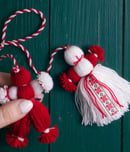
Baba Marta Day, celebrated in Bulgaria, is a lively and colorful tradition that marks the transition from winter to spring. People exchange and wear red and white bracelets called martenitsas. These simple yet meaningful tokens symbolize good health, happiness, and the hope for a fruitful year ahead. The festive spirit fills...
- Bulgaria
- Greece
- North Macedonia
- and 2 more
Seize Every Day
Join free for personalised recommendations, email reminders and exclusive guides. Never miss a day.