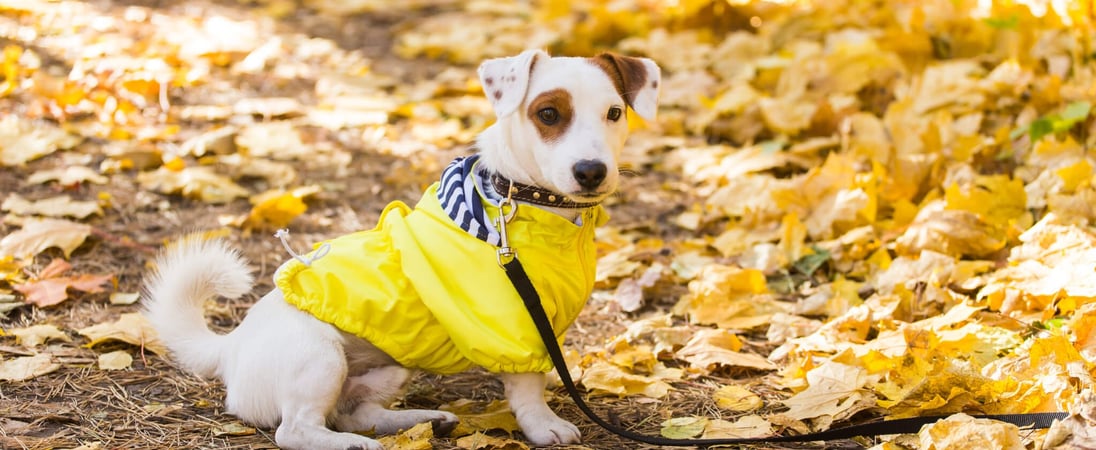
National #DogsInYellow Day
Raising awareness about dogs' emotional needs, using a cautionary color to help create a supportive environment for them.
Get involved with National #DogsInYellow Day by raising awareness and taking extra care around dogs who feel anxious, overwhelmed, or unsure, whether from past trauma, genetics, lack of early socialization, pain, or other causes.
The idea is simple: the yellow gear acts as a friendly, highly visible signal that a dog needs space. When people recognize the message and respond with patience instead of pressure, walks get calmer, training gets easier, and more dogs get a fair shot at feeling safe in the world.
History of National #DogsInYellow Day
National #DogsInYellow Day began in 2022, created by pet lover Sarah Jones after a very personal experience with her dog, Bella. Bella was attacked by a larger dog as a puppy, and the fallout was not just physical. Like many dogs who go through scary incidents, Bella’s confidence took a hit.
She became nervous around unfamiliar dogs and reacted with behaviors that can look “rude” or “aggressive” to strangers, including growling, barking, or lunging. In many cases, those behaviors are less about wanting a fight and more about trying to create distance when the dog feels trapped or threatened.
Jones recognized a common problem faced by people living with anxious or reactive dogs: the dog’s stress is often compounded by human misunderstanding. Many well-meaning people assume every dog wants to greet, sniff, and be petted.
Some owners insist that “my dog is friendly” as they approach, not realizing the other dog may be frightened, in training, recovering from injury, or simply not comfortable with close contact.
Meanwhile, the guardian of an anxious dog can feel judged, pressured, and isolated, as if a dog’s big feelings are a personal failure rather than a normal behavior challenge that requires time and management.
To bridge that gap, Jones created the #dogsinyellow campaign on social media. Her concept was to give anxious dogs a clear visual cue that speaks for them before they have to.
Dressing a dog in yellow, whether that means a bandana, leash, harness, coat, ribbon, or lead cover, signals: “Please give space.” Yellow was chosen intentionally because it is widely recognized as a caution color.
It is the shade used for warnings, yields, and attention-getting signs, so it translates well even to people who have never heard of the campaign. The message is not “danger,” but “pause and be considerate.”
The day also fits into a broader movement in dog welfare focused on consent, body language, and respectful handling. For years, many trainers and behavior professionals have encouraged the public to stop treating unknown dogs like public property.
National #DogsInYellow Day gives that message a memorable visual identity. It also builds on the earlier yellow ribbon concept popularized by the Yellow Dog Project, which used yellow ribbons as a simple signal that a dog needs space. Jones expanded the idea into a more noticeable “yellow uniform,” in part because ribbons can be small, fall off, or be missed in the bustle of a busy walk.
Importantly, the purpose of National #DogsInYellow Day is not to label dogs as “bad,” “mean,” or “unadoptable.” Quite the opposite. It aims to replace stigma with empathy. A dog can be loving at home and still struggle outdoors.
A dog can be safe with familiar friends and still panic when an unfamiliar dog barrels up for a face-to-face greeting. The yellow signal gives guardians a way to advocate without having to repeatedly explain themselves, and it gives the community a chance to respond in a way that prevents incidents before they happen.
National #DogsInYellow Day is closely aligned with and supported by the company My Anxious Dog, founded by Jones. Through education, community sharing, and practical gear, the campaign imagines a future where anxious dogs are not sidelined but supported, understood, and able to enjoy their lives with fewer frightening interactions.
How to Celebrate National #DogsInYellow Day
Show care and protection for anxious dogs by observing National #DogsInYellow Day with a few practical, community-friendly ideas.
The goal is not just to post a picture in yellow, although that can help spread the message. The bigger win is changing everyday habits so anxious dogs encounter fewer stressful surprises.
Dress a Dog in Yellow
For guardians of dogs who struggle with anxiety, celebrating can be as straightforward as adding something yellow to a walk kit. The best choice is whatever is safe, comfortable, and easy to see.
A few practical options include:
- Yellow leash or leash sleeve/cover: Often the most visible item because it stays in motion at human eye level. A cover can also display a short message like “NEEDS SPACE,” which helps prevent misunderstandings.
- Yellow harness or collar: Useful for dogs who do not wear coats or bandanas, though some colors may be partly hidden by thick fur.
- Yellow bandana or vest: Great for visibility, but it should fit well so it does not flap, twist, or irritate the dog. Comfort matters, especially for dogs who are already sensitive.
- Yellow raincoat or sweater: A bright coat is hard to miss and can present the message in a friendly, positive way.
Yellow gear works best when paired with thoughtful handling. If a dog wears yellow but is still placed in crowded situations without a way to move away, the signal becomes more decorative than supportive. On walks, that might mean crossing the street early, stepping behind a parked car to create a visual barrier, or turning around to avoid narrow paths. Choosing quieter routes, open areas, and giving the dog space to sniff and decompress can also make a big difference.
It is important to remember that “needs space” is not a single personality type. Dogs may benefit from the yellow signal for many reasons, including:
- Fear of unfamiliar dogs or people
- Sensitivity to bikes, scooters, or sudden noises
- Limited socialization history
- Recovery from surgery or injury
- Pain or mobility challenges that make close greetings risky
- Ongoing training for reactivity, impulse control, or focus
The yellow message can also ease pressure on guardians. Caring for an anxious dog often means managing other people’s expectations as well as the dog’s emotions. Yellow gear creates a simple boundary that communicates the need for distance without constant explanation.
Learn More About Dogs with Anxiety
One of the best ways to recognize National #DogsInYellow Day is to understand what canine anxiety looks like and how small choices from others can make a real difference. Anxiety is not always obvious. Some dogs shut down quietly rather than bark, while others may look excited or overly energetic when they are actually overwhelmed.
A helpful starting point is learning basic body language. Common signs of stress may include:
- Lip licking when no food is present
- Yawning when the dog is not tired
- Turning the head away or avoiding eye contact
- A tucked tail or, in some dogs, a stiff, raised tail
- Ears pinned back or constantly shifting
- Sudden ground sniffing as a displacement behavior
- Freezing, slow movement, or a rigid posture
- Barking, lunging, growling, or snapping when distance is not respected
When you notice a dog wearing yellow, the most supportive response is simple: do not approach. If space is needed, give it generously. This also means managing your own dog. Even a friendly dog can overwhelm another by rushing up, staring, or insisting on a close greeting. Friendly is not always the same as polite.
For people walking their own dogs, good manners include:
- Keeping greetings brief and optional rather than automatic
- Avoiding leash-to-leash meetings on tight sidewalks
- Asking from a distance if the other dog is comfortable meeting, and accepting “no” right away
- Calling your dog back if the other guardian is creating distance
- Using a short leash near unfamiliar dogs without pulling so tightly that your own dog becomes tense
For people without dogs, the message still matters. Many bites happen when someone leans over a dog, reaches out suddenly, or tries to pet without permission. A dog in yellow is a reminder to slow down and ask first. When in doubt, admiring from a distance is both polite and safe.
Learning about support options for anxious dogs can also build empathy. Anxiety is not a character flaw, and improvement often comes from several layers of care:
- Veterinary checkups: Pain, thyroid problems, or other medical issues can increase reactivity. Health checks help rule out underlying causes.
- Behavioral training: Positive reinforcement and gradual exposure can help a dog form new emotional associations at a distance where learning is possible.
- Management and routine: Predictable schedules, familiar routes, and calm handling reduce daily stress.
- Enrichment: Food puzzles, sniffing activities, and gentle problem-solving meet natural needs and support emotional balance.
Consider sharing these key points in support of the day:
- Some breeds may be more sensitive or high-energy, which can influence how strongly they react to the environment. However, breed does not determine personality. Individual history, health, training, and environment play a much bigger role.
- Many dogs improve through gradual desensitization, where a trigger is introduced at a safe distance and paired with something positive, such as treats or play. Working with a qualified trainer or behavior professional helps prevent common mistakes.
- Fear is a major cause of anxiety and is often linked to loud or unpredictable events such as thunderstorms, fireworks, construction noise, or sudden household sounds. Anxious dogs are not difficult or stubborn. They need patient handling, early recognition of stress, and safe ways to cope.
At its heart, National #DogsInYellow Day is about calm, respectful awareness. When someone notices a dog wearing yellow and chooses to give space without comment, they are doing more than avoiding a problem.
They are helping that dog feel safer in the world and giving the guardian something truly valuable: a walk that feels calm, manageable, and positive.
Learn More About Dogs with Anxiety
One of the best ways to celebrate National #DogsInYellow Day might be to learn a bit more about dogs who have anxiety and how to best care for them in the local community. For instance, consider learning and sharing some of these important facts in honor of the day:
-
Some dog breeds are particularly prone to anxiety, especially those with high energy. Though not every dog of these breeds will be anxious, take care around breeds such as Basset Hounds, Dalmations, German Shepherds, Standard Poodles, Siberian Huskies and others.
-
Dogs might get help with their anxiety through training. Some dogs can be deconditioned, unlearning phobias and triggers so check with a dog trainer or veterinarian to learn more.
-
The leading cause for dog anxiety is noise and fear. Anxious doggies are not bad puppies but they need extra care to help them feel safe and comfortable in new surroundings, near loud noises, or even when introduced to new humans.
National #DogsInYellow Day FAQs
How can someone recognize signs that a dog may be anxious or needs more space?
An anxious dog often shows subtle body language before barking or lunging.
Common signs include a tucked tail, ears held back, lip licking, yawning when not tired, turning the head or body away, stiff posture, and avoiding eye contact.
Some dogs may freeze, shake, pace, or try to hide behind their owner. When other dogs or people get too close, anxiety can escalate to growling, snapping, or sudden barking.
Recognizing these early signals and giving the dog more distance can prevent stressful encounters and reduce the risk of a bite.
What is the purpose of yellow gear on a dog, and how should people respond when they see it?
Yellow leashes, harnesses, bandanas, or other accessories are increasingly used as a visual cue that a dog needs extra space, often because of anxiety, recovery from illness or surgery, or difficulty coping with close contact.
This idea is part of a broader “give me space” or color‑coded dog schemes that aim to prevent unwanted interactions. When someone sees a dog wearing yellow, they are advised not to rush over, not to let their own dog charge up, to ask the handler before approaching, and to give the dog plenty of room on sidewalks and trails. This helps reduce stress for the dog and improves safety for everyone. [1]
Is a dog that lunges or growls at others always aggressive?
Lunging or growling is often driven by fear or anxiety rather than true aggression. Many “reactive” dogs have learned that noisy or dramatic behavior makes scary things go away, so they repeat it.
Veterinary behavior experts explain that these signals are a dog’s way of saying it feels threatened and needs distance.
Labeling such dogs as “bad” can delay proper help and increase risk, whereas understanding them as fearful encourages owners to seek behavior support and encourages others to give the dog space instead of confronting it.
What should someone do if they accidentally startle or get too close to an anxious dog?
If a person finds themselves too close to an anxious dog, behavior professionals recommend staying calm, avoiding sudden movements, and turning the body slightly sideways instead of staring at the dog.
They should not reach out or lean over the dog. Stepping away slowly, speaking softly if needed, and giving the dog a clear escape route can help de‑escalate the situation.
Owners of anxious dogs are encouraged to advocate for their pets by calmly asking others for more space and, if incidents happen often, to work with a veterinarian or qualified trainer to build coping skills. [2]
How do veterinarians and behaviorists typically treat anxiety in dogs?
Treatment for canine anxiety usually combines behavior modification with lifestyle changes and, in some cases, medication.
Veterinarians often start with a health check to rule out pain or medical problems, then may recommend desensitization and counterconditioning, which carefully expose the dog to triggers at a low level while pairing them with something positive like food or play.
Environmental changes such as predictable routines, safe resting areas, and avoiding overwhelming situations can reduce stress. For more severe cases, vets or veterinary behaviorists may prescribe anti‑anxiety medications or supplements to make behavior therapy more effective and improve quality of life.
When should an owner of an anxious or reactive dog seek professional help?
Owners are advised to seek professional help if a dog’s fear or reactivity is frequent, getting worse, or interfering with everyday life, such as regular walks or visitors to the home.
Immediate help is recommended if the dog has bitten or made contact with teeth, or if the owner feels unsafe managing situations. Veterinary bodies recommend starting with a veterinarian who can check for medical issues and then refer to a qualified reward‑based trainer or a board‑certified veterinary behaviorist.
Early intervention usually leads to better outcomes and helps prevent behavior problems from becoming more entrenched.
How can non‑dog owners act considerately around anxious dogs in public spaces?
People who do not own dogs can still play an important role in keeping anxious dogs comfortable. Practical steps include asking before approaching any dog, giving dogs on tight or yellow leashes extra room, and teaching children not to run up and hug unfamiliar dogs.
On shared paths, walking past calmly without making sudden movements or loud noises near dogs can help them feel safer. Respecting signs or leaflets that explain “nervous,” “in training,” or “do not pet” also supports owners who are working hard to manage their dogs’ emotions and behavior. [3]
Also on ...
View all holidays
Won’t You Be My Neighbor Day
Fred Rogers, beloved host of Mister Rogers' Neighborhood, taught us to be kind and empathetic, and his legacy continues to inspire and brighten the world.

Red Nose Day
Red Nose Day is not only about the red noses; it's about making a difference by having fun. Join the laughter and support a great cause!


French Language Day
Celebrating rich heritage, the melodious language of romance captivates with its elegance, sparking cultural curiosity and connection.
We think you may also like...
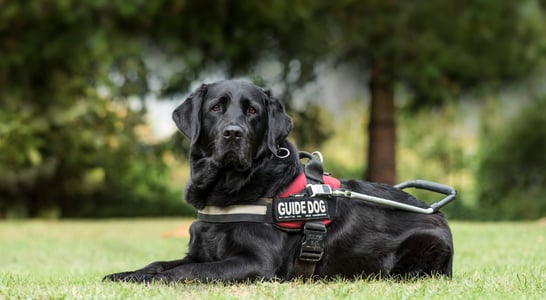
National Guide Dog Month
Four-legged companions, these furry friends provide unwavering support, guiding and brightening the lives of those they accompany with their boundless loyalty.

Denim Day
Supporting survivors and fostering dialogue through denim, symbolizing unity against the silence surrounding sexual assault.
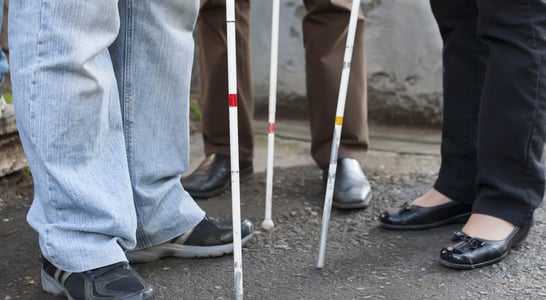
White Cane Safety Day
The blind and near-blind use a long white cane to feel objects, and to signal to others that they are visually impaired. Help raise safety awareness for them.