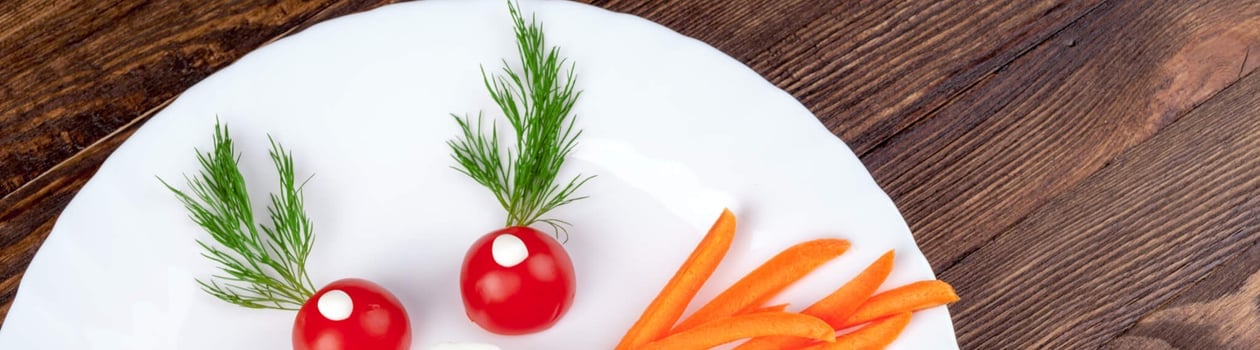
National Food Faces Day brings out the artist hidden in all of us. It invites people to play with their food by creating funny faces on their plates.
Whether it’s a banana smile or tomato eyes, the goal is simple—turn mealtime into a masterpiece.
Kids love it, adults find it amusing, and kitchens everywhere burst with laughter. There’s no pressure to be perfect; imagination wins every time.
People mix fruits, veggies, grains, and more to craft silly, joyful faces that make everyone at the table smile.
This special day reminds us that food is not just about nutrition; it’s also about creativity and fun. A little whimsy can turn a boring lunch into a moment of pure joy.
Food Faces spark conversations, brighten moods, and inspire even picky eaters to join in.
They teach that meals can be playful without losing their purpose. More than anything, this day celebrates togetherness, laughter, and the wonderful stories we can tell through a simple plate of food.
National Food Faces Day Timeline
Giuseppe Arcimboldo Begins Life and Training
Born in Milan in 1526, Arcimboldo later becomes famous for portraits composed entirely of fruits, vegetables, flowers, and other objects arranged into human faces.
“Summer” Showcases a Composite Fruit-and-Vegetable Face
Arcimboldo paints “Summer,” one of his earliest known seasonal portraits, depicting a human head made from ripe produce and plants, helping establish the idea of playful, food-based faces in fine art.
Arcimboldo’s “Four Seasons” and “Four Elements” Series
Across these series, Arcimboldo refines his signature style of building faces from food, flora, and fauna, blending still life with portraiture and creating a long-lasting visual template for anthropomorphic food imagery.
Surrealists Rediscover Arcimboldo’s Food-Based Faces
Art historians and Surrealist painters embrace Arcimboldo’s composite heads as precursors to modern visual puns, inspiring later artists to turn everyday objects, including food, into whimsical faces.
Mr. Potato Head Brings Food Faces into Playrooms
Hasbro introduces Mr. Potato Head, originally sold as separate facial features meant to be stuck into real potatoes and other vegetables, popularizing the idea of giving food a cartoonish human face for children.
“Birds Eye Peas” and Other Ad Mascots Humanize Food
By the early 1960s, brands like Birds Eye and Green Giant routinely feature smiling peas, corn, and other anthropomorphic foods in television commercials, turning face-like food characters into mainstream advertising tools.
“Food Faces: 150 Feasts for the Eyes” Publishes
Holland America Line Master Chef Rudi Sodamin releases his coffee-table book of more than 150 photographic plates where ingredients like fruit, vegetables, fish, and sweets are arranged into expressive human faces, cementing food-face art as a contemporary culinary genre.
How to Celebrate National Food Faces Day
Bring Your Plate to Life
Start your celebration by designing a fun face on your breakfast plate. Use fruits, cereal, or even toast shapes. Snap a quick photo before eating.
Share it with friends to spread smiles and inspire creativity.
Host a Family Food Art Challenge
Gather everyone in the kitchen and host a playful competition. Set a timer and see who makes the funniest face.
Award simple prizes like extra dessert or a round of applause. Keep the atmosphere relaxed and full of laughter.
Share the Fun Online
Post your food face creations on social media using a cheerful caption. Invite others to join the trend by tagging them. Positive posts encourage more people to have fun with their meals.
Create a Food Faces Display
Print your best edible artworks and hang them on the fridge. Bright colors and funny expressions will lift everyone’s spirits.
It’s a great way to keep the celebration going even after mealtime ends.
Teach Kids About Healthy Choices
Use food faces as a fun way to introduce kids to fruits and vegetables. Let them pick colorful foods for their designs. Exciting presentations make healthy eating feel like an adventure instead of a chore.
History of National Food Faces Day
National Food Faces Day began in January 2021, created by Holland America Line to honor their Master Chef, Rudi Sodamin. Chef Sodamin, known for his whimsical food-face art, inspired this celebration.
His edible creations, made from various ingredients, brought smiles to many. The day also coincides with his birthday, making it a fitting tribute to his culinary artistry.
Chef Sodamin’s journey with food faces started as a creative endeavor to entertain his team. Over time, he photographed and compiled these edible characters, leading to the publication of his book, “Food Faces,” in 2018.
The book showcases over 150 of his creations, each crafted from ingredients like vegetables, fruits, meats, and sweets.
His work has been featured in his restaurants aboard Holland America Line ships, where guests can enjoy meals served on plates adorned with his food-face art.
Facts About Food Faces Day
Playful Food Presentation Can Boost Kids’ Interest in Produce
Experimental studies with young children have found that arranging fruits and vegetables in fun, visually appealing shapes can increase their willingness to taste them, at least in the short term.
In one school-based study, researchers reported that simply displaying fruit in an attractive arrangement significantly increased the number of children who chose it compared with a plain presentation, suggesting that playful design can be a practical tool for nudging kids toward healthier options.
Character Bento Turn Lunchboxes into Tiny Art Galleries
In Japan, “kyaraben” or character bento are boxed lunches where rice, vegetables, eggs, and seaweed are arranged into faces of animals, cartoon figures, and expressive characters.
Originally popularized by mothers trying to entice picky children to eat, kyaraben has grown into a global aesthetic movement with competitions, how‑to books, and social media communities dedicated to increasingly intricate edible portraits.
Medieval Banquets Featured Edible Sculptures as Entertainment
Long before modern food art, European medieval courts showcased “subtleties” or “entremets,” elaborate edible sculptures made from sugar, pastry, or marzipan that could depict people, animals, castles, or entire scenes.
These showpieces were carried between courses not just to impress guests but also to tell political or religious stories, turning the dining table into a stage for edible theater.
Renaissance Sugar Artists Used Food as a Luxury Art Medium
In Renaissance Italy and France, court banquets often displayed architectural models, classical figures, and landscapes sculpted entirely out of sugar.
Because refined sugar was extremely expensive, these centerpieces signaled power and wealth while blurring the line between dessert and decorative art; some were eaten at the end of the feast, while others were admired and then discarded like temporary sculptures.
Playful Mealtime Interaction Supports Children’s Food Acceptance
Child-feeding research suggests that letting kids explore food with their senses in a low‑pressure, playful way can reduce food neophobia more effectively than pressuring them to “just take a bite.”
Activities such as arranging ingredients into pictures or faces combine repeated exposure with autonomy and creativity, which systematic reviews identify as key elements in helping hesitant eaters gradually accept new foods.
Family Meals Are Linked to Stronger Communication and Well‑Being
Large observational studies show that children and teens who regularly share family meals report better family communication and a stronger sense of connectedness than those who rarely eat together.
While these studies cannot prove cause and effect, the consistent associations suggest that shared food, conversation, and even light‑hearted table rituals contribute to emotional well‑being and healthier coping behaviors.
Food Plating Has Become a Recognized Artistic Skill in Modern Cuisine
With the rise of nouvelle cuisine in the late 20th century, chefs began treating the plate as a canvas where color, negative space, and structure mattered as much as flavor.
Culinary schools now teach composition principles borrowed from visual arts, and research on diners’ perceptions shows that artistically plated dishes are often rated as tastier and more sophisticated even when the ingredients are identical to those on a plainly arranged plate.
National Food Faces Day FAQs
Can playful food presentation really influence how much children eat?
Research suggests that making food look fun and engaging can encourage children to taste and sometimes eat more, especially when it comes to fruits and vegetables.
Studies on creative plating and “fun shapes” show that kids are more willing to try foods that are arranged into characters, patterns, or scenes, compared with the same foods served plainly.
These effects are modest and work best alongside repeated exposure and a relaxed, pressure‑free atmosphere, but they support the idea that playful plates can help picky or hesitant eaters warm up to new foods.
Does involving kids in arranging food art have any proven benefits?
Involving children in simple food tasks, such as washing produce and arranging items into pictures or faces, is linked to better attitudes toward healthy foods and a greater willingness to try them.
Public health and pediatric guidance often encourages “hands‑on” participation in meal preparation to build skills, familiarity, and confidence around food.
When the task is framed as art or play, children get non‑pressured exposure to ingredients, which can gradually reduce food neophobia and resistance at the table.
How does the way food is plated affect how adults perceive taste and quality?
Experiments in sensory science show that when the same dish is plated more attractively or artistically, adults tend to rate it as tasting better and say they would pay more for it.
Visual cues such as symmetry, color contrast, and careful arrangement can raise expectations of flavor and quality before the first bite, which then shapes the actual tasting experience.
In other words, presentation does not change the ingredients, but it can change how people experience them.
Can playful meal activities, like making faces out of food, support healthy family dynamics?
Studies on family mealtimes find that a positive, relaxed emotional climate at the table is associated with better child adjustment, stronger family cohesion, and fewer behavior problems.
Shared humor, storytelling, and lighthearted activities tend to reduce conflict and make meals feel safe and enjoyable for everyone.
While research does not single out “food faces,” they fit into the broader category of playful, shared rituals that can strengthen family bonds and improve the overall tone of mealtimes.
Are there cultural differences in how people view playing with food?
Attitudes toward “playing with food” vary widely across cultures and even between households.
In some traditions, strict table manners and not touching or rearranging food are taught as signs of respect, while in others, tactile and creative engagement is accepted, especially for children.
Contemporary nutrition and parenting resources often distinguish between disrespectful behavior and structured, playful activities that serve a purpose, such as helping kids explore new foods.
Families who value both creativity and respect usually set clear rules, for example keeping play on the plate and avoiding waste.
Does turning food into art risk encouraging wasteful eating habits?
Food art can lead to waste if large amounts of edible ingredients are used only for decoration and then discarded, but it does not have to be wasteful.
Nutrition educators typically recommend working with realistic portion sizes, using leftovers or trimmings when possible, and eating what is created.
When adults model respect for food, explain why waste matters, and keep designs simple and edible, creative presentation can coexist with lessons about sustainability and mindful consumption.
Do shared family meals still matter if everyone is just having fun and not talking about serious topics?
Evidence indicates that the simple act of regularly eating together, even when conversations are light and playful, is linked to a range of benefits, including better diet quality, improved mental health markers, and stronger family connections.
Serious discussions are not required for these gains. In fact, many experts suggest that frequent, enjoyable meals with low conflict are more protective than infrequent, tense ones.
Casual chats, jokes, and shared creative projects at the table can all contribute to the sense of ritual and belonging that appears to support both children and adults.



You may also like
Edible Book Day
Imagine a world where books don’t just feed the mind but also satisfy the taste buds. That’s exactly what Edible Book Day brings to life. On this creative day, people craft delicious treats shaped like famous novels, beloved characters, or even clever puns. Some design cakes that look like leather-bound...
National Eat More Fruits and Vegetables Day
Celebrate National Eat More Fruits and Vegetables Day by discovering new produce, boosting nutrition, and choosing tasty, sustainable plant-based meals.
National Eat Your Vegetables Day
Celebrate National Eat Your Vegetables Day by discovering tasty ways to enjoy veggies, improve nutrition, start healthy habits, and explore their rich history.
- Australia
- Canada
- United Kingdom
- and 1 more
National Cookie Dough Day
Unbaked delight with a mix of sweetness and texture, a culinary temptation awaiting the oven's transformative touch.
- Australia
- Canada
- United Kingdom
- and 1 more
National days and holidays on April 6 2027

National Acai Bowl Day
A bowl of tropical paradise in every bite! Rich in antioxidants and vitamins, this sweet and refreshing treat is perfect anytime.

National Public Health Week
The well-being of communities — disease prevention, and better living through knowledge and action, towards a healthier world.

Army Day
Thank a veteran, donate to the cause, or volunteer to help the nation’s frontline, who often suffer PTSD, poverty, and loss for their sacrifices to their country.
- India
- Thailand
- United States
- and 1 more
National Carbonara Day
Rich pasta, melding salty pancetta, creamy egg, and Parmesan—a flavor dance that captivates discerning palates effortlessly.
Seize Every Day
Join free for personalised recommendations, email reminders and exclusive guides. Never miss a day.