
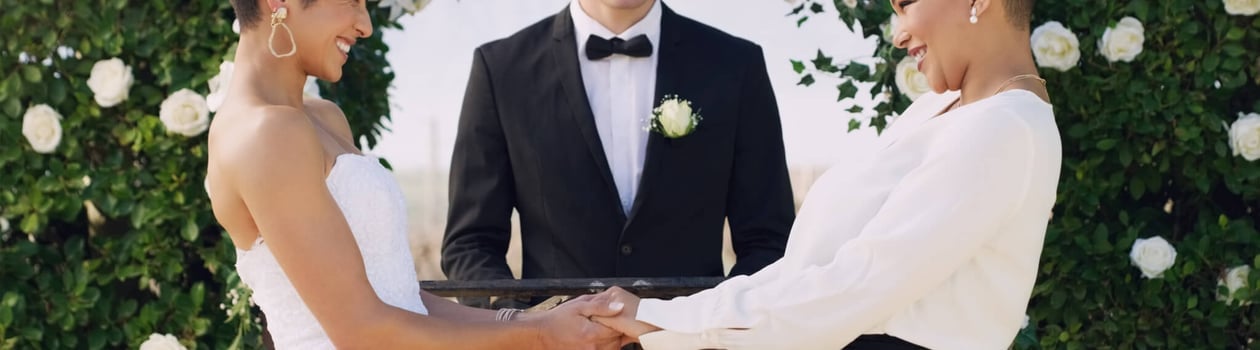
National Freedom to Marry Day spotlights a simple idea with big real-world consequences: committed couples should be able to marry with equal dignity under the law, including same-sex couples.
For many LGBTQ people and their loved ones, the day represents far more than romance. I
t represents safety, stability, and the everyday respect that comes from having a relationship recognized in workplaces, hospitals, schools, and communities.
Observing National Freedom to Marry Day also creates space for reflection. Marriage equality has moved forward through decades of organizing, personal storytelling, and courtroom strategy.
The day honors the couples who took risks by showing up, speaking out, and asking their communities to see them fully. It also encourages supporters to keep learning, keep listening, and keep standing up for equal treatment in both law and daily life.
The celebration of National Freedom to Marry Day is rooted in the desire for equal rights. Many couples use this occasion to formalize their relationships, taking advantage of the symbolism of this day, which is close to Valentine’s Day.
The day also serves as a reminder that while significant progress has been made, the journey toward full acceptance and equality continues. It stands as a testament to the struggles and victories of those who fought for the right to marry the person they love.
How to Celebrate National Freedom to Marry Day
Host a Knot-tying Party
Throwing a knot-tying party is one of the most playful ways to show solidarity, and it works whether the gathering is big, small, indoor, or outside.
The basic idea is simple: guests tie ribbons, strips of fabric, or even pieces of yarn in visible places to represent commitment and the belief that everyone deserves the chance to “tie the knot.”
To keep it meaningful, organizers can provide a variety of colors and invite guests to write short messages on ribbon tags, such as words of encouragement, the name of someone they support, or a hope for the future.
Some groups create a “commitment tree” made of branches in a vase, where each knot becomes a tiny public promise to treat others fairly. Others add a practical twist by tying ribbons around favor bags that include resources for local LGBTQ organizations or a list of ways to be a good ally.
A knot-tying party can also be an easy on-ramp for people who are supportive but unsure what to say. The activity does some of the talking, and it opens a door to gentle conversation about why marriage equality matters in everyday terms.
Share Love Stories
Encouraging friends and family to share love stories can shift the focus from abstract arguments to real life. The most impactful stories often sound ordinary, which is exactly the point.
A story about meeting in a grocery store line, raising a pet together, caring for a partner after surgery, or navigating long-distance work travel highlights how same-sex couples build lives the same way other couples do.
For those sharing stories online, it helps to center consent and privacy. Not everyone is out in every setting, and not everyone wants their relationship discussed publicly.
A supportive alternative is to share stories about allyship: a parent learning a new language, a friend showing up to be a witness, a workplace improving benefits so spouses are treated equally.
Stories do not have to be polished or dramatic. A short post about what commitment looks like on a Tuesday can be more powerful than a grand speech.
When people see themselves and their loved ones reflected in everyday details, equality stops feeling like a debate topic and starts feeling like common decency.
Create Awareness
Awareness-building works best when it offers something concrete rather than just slogans. National Freedom to Marry Day provides a natural opportunity to explain what legal marriage can change for couples and families.
Beyond the ceremony, marriage can affect practical matters like medical decision-making, inheritance, insurance coverage, parental recognition, taxation, immigration status in some systems, and the ability to take family leave.
Even when alternative legal tools exist, they often require extra paperwork, legal fees, or repeated explanations during stressful moments.
Community members can create a small awareness campaign using flyers, posters, or social posts that focus on real-world impacts.
Another effective approach is hosting a short teach-in where someone with legal or advocacy experience explains how marriage recognition interacts with common life events, such as buying a home, welcoming a child, or caring for an aging parent.
The tone can stay upbeat and accessible, but the information should be accurate and practical.
Awareness can also mean correcting common misconceptions with kindness, such as the idea that marriage equality “only affects weddings.”
For many couples, the legal protections are the difference between being treated as family or being treated as a stranger when it matters most.
Celebrate with a Movie Night
A movie night can be cozy, joyful, and quietly educational. Films and documentaries that highlight LGBTQ relationships make it easier for viewers to connect emotionally with the idea that all couples deserve equal respect.
A thoughtful host can pick a mix of genres, such as romantic comedies, family stories, historical dramas, and documentaries about civil rights.
To deepen the experience without turning it into homework, the host can offer a short discussion prompt at intermission or after the credits. Questions might include: What did the characters risk in order to be together? What forms of support made a difference?
How did law, family, and community shape their options? Keeping the conversation optional is important. Some guests will want to talk, others will simply appreciate being in a welcoming room.
Small details can reinforce the theme: place cards with the names of LGBTQ trailblazers, a snack table labeled with “love is love” puns, or a playlist of queer artists for background music before the screening. The goal is to make the celebration feel inclusive, not like a test.
Bake Rainbow Treats
Rainbow treats are a cheerful way to bring people together because food is a universal language, and baking can be both creative and comforting.
Cookies with layered icing, cupcakes with multicolored swirls, or a cake with a rainbow interior can all serve as edible symbols of inclusion.
To add meaning, some bakers choose flavors that represent different regions, cultures, or family traditions, emphasizing that LGBTQ people exist in every community.
Sharing treats can also become an act of outreach: dropping off a box for a neighbor, bringing cupcakes to a community center, or hosting a small bake sale to donate to a local legal aid or LGBTQ youth organization.
Baking is also a good option for people who are shy about activism. It offers a supportive gesture that feels approachable, while still making a statement: these relationships deserve celebration, not secrecy.
Organize a Community Picnic
A community picnic is a low-pressure way to create visibility and belonging. It invites couples, families, friends, and allies to be present together in an ordinary setting, which can be quietly powerful.
A potluck format works well because it encourages participation and conversation. People naturally ask about dishes, swap recipes, and connect across age groups and backgrounds.
Activities can keep the picnic lively: lawn games, a photo booth with supportive signs, or a “wishes for the future” station where attendees write messages on cards.
For families, including kid-friendly games makes the event welcoming to parents and caregivers, and it helps reinforce an important truth: LGBTQ families are families, full stop.
Organizers may also set aside a moment for recognition. This could include reading a short statement about why the day matters, offering appreciation for local advocates, or inviting couples who want to share a brief toast. Keeping it optional and celebratory helps the event feel open to everyone.
Write to Your Representatives
Writing to representatives is one of the most direct ways to turn values into action. Even where marriage equality is recognized, related issues can remain, such as nondiscrimination protections, parental recognition, access to inclusive health care, and fair treatment in public accommodations and housing. Marriage equality can be a cornerstone, but equal treatment often requires ongoing attention to policy details.
Effective letters are specific and respectful. Writers can mention why marriage recognition matters to them personally: a sibling who married, a friend who worried about hospital access, a coworker whose family needed benefits.
Personal stories, even short ones, help representatives understand that these policies affect real constituents, not hypothetical “others.”
People can also broaden their impact by writing thank-you notes when leaders support equality. Advocacy is not only about criticism. Reinforcing positive action helps create political space for doing the right thing again.
Display Supportive Art
Art can communicate warmth, defiance, hope, and humor all at once. Displaying supportive art for National Freedom to Marry Day might look like posters in a shop window, chalk art on a walkway (where allowed), a community mural project, or a small gallery wall at a library or community center.
The most effective art is welcoming rather than confrontational. Hearts, interlocking rings, and hand-lettered messages about commitment and belonging can invite conversation without putting anyone on the defensive.
For community projects, organizers can invite people to contribute pieces that represent what “family” means to them, making it clear that families come in many shapes.
Art also offers a way to include people who are not comfortable speaking publicly. A teenager can draw. A grandparent can crochet. A couple can contribute a photograph. Everyone can add something to the shared message: love and commitment deserve respect.
National Freedom to Marry Day Timeline
Loving v. Virginia Expands Marriage Equality
The U.S. Supreme Court strikes down state bans on interracial marriage, establishing marriage as a fundamental right and a key precedent later cited in same-sex marriage cases.
Baehr v. Lewin Opens Door to Same-Sex Marriage Debate
The Hawaii Supreme Court ruled that denying marriage licenses to same-sex couples may violate equal protection, triggering the modern U.S. legal and political battle over marriage equality.
Netherlands Legalizes Same-Sex Marriage
The Netherlands becomes the first country in the world to open civil marriage to same-sex couples, influencing global debates and legislation on marriage equality.
Goodridge v. Department of Public Health
The Massachusetts Supreme Judicial Court ruled that excluding same-sex couples from civil marriage is unconstitutional, making Massachusetts the first U.S. state to legalize same-sex marriage.
Canada Establishes Nationwide Same-Sex Marriage
Canada passes the Civil Marriage Act, making same-sex marriage legal across the country and positioning Canada among the early global leaders in marriage equality.
United States v. Windsor Strikes Down DOMA Section 3
The U.S. Supreme Court invalidates the federal definition of marriage as only between a man and a woman, granting federal recognition to same-sex marriages performed in states where they are legal.
Obergefell v. Hodges Secures Nationwide Marriage Equality
The U.S. Supreme Court ruled that same-sex couples have a constitutional right to marry in all states, culminating decades of legal advocacy and cementing marriage equality nationwide.
History of National Freedom to Marry Day
National Freedom to Marry Day began in 1998, initiated by Lambda Legal, a leading LGBTQ civil rights legal organization.
The day was created as an organized call to action in support of allowing same-sex couples access to civil marriage.
Its placement near Valentine’s season adds an obvious theme of love, but the purpose has always been bigger than romance. It has focused on equal protection, equal dignity, and the practical legal recognition that marriage provides.
From the start, the day was designed to be participatory. Rather than limiting observance to a single event, it encouraged communities to host gatherings, share information, and speak publicly about why equal marriage rights matter.
That approach reflected how social change often works: one part legal strategy, one part cultural shift, and a whole lot of neighbors talking to neighbors.
As marriage equality efforts expanded, National Freedom to Marry Day became a recurring moment for visibility. It helped keep the issue in public conversation and gave supporters an annual reason to organize, even when progress felt slow.
Observances ranged from small community meetings to larger coordinated events, emphasizing that equal marriage rights were not a niche concern. They were a civil rights issue affecting families, workplaces, and communities.
A widely remembered moment associated with the day occurred in 2004, when San Francisco began issuing marriage licenses to same-sex couples. Images of couples lining up, often after years or decades together, underscore what legal recognition means emotionally and practically.
It was a vivid example of the demand for equality meeting public action, and it helped fuel broader conversations about fairness and the role of government in recognizing families.
National Freedom to Marry Day also highlights an important truth about the marriage equality movement: change did not come from a single source.
Legal organizations, grassroots activists, supportive faith and community leaders, families, and couples themselves all contributed.
Court cases and legislation were crucial, but so were personal conversations at dinner tables, workplaces, and community gatherings, where people began to see LGBTQ relationships as part of the shared human experience.
The day’s legacy is tied to both progress and persistence. It celebrates victories that made it possible for many same-sex couples to marry openly and be recognized. At the same time, it acknowledges that dignity in marriage is only one part of equality.
Couples and families still benefit when communities commit to respect in everyday interactions, when institutions apply policies fairly, and when people speak up against stigma.
In that spirit, National Freedom to Marry Day remains a blend of celebration and civic engagement.
It honors commitment and love while reminding society that equal rights are most secure when they are understood, defended, and practiced, not just written into law.
Facts About National Freedom to Marry Day
National Freedom to Marry Day is connected to the movement for marriage equality and the legal, social, and economic changes that followed. The facts below highlight research findings, policy outcomes, and public opinion trends that show how equal marriage rights have affected mental health, families, the economy, and society as a whole.
Marriage Equality Improved Mental Health for LGBTQ Adults
After nationwide marriage equality was recognized in the United States in 2015, studies found measurable mental health benefits for LGBTQ people. One large analysis reported significant reductions in psychological distress and suicide attempts among sexual minority adults in states that implemented same-sex marriage, suggesting that legal recognition itself can function as a population-level mental health intervention by reducing stigma and minority stress.
Legal Marriage Access Benefits Children in Same-Sex Households
Research from the UCLA Williams Institute found that children raised by same-sex parents gain concrete advantages when their parents can marry, including improved economic security, access to family health insurance, and clearer parental rights in areas like custody and inheritance.
These legal protections reduce uncertainty and help stabilize family life compared with situations where parents must rely on weaker alternatives, such as contracts or second-parent adoption alone.
Economic Impact of Marriage Equality Runs into Billions of Dollars
Marriage equality has had a noticeable economic impact. Analyses by the UCLA Williams Institute estimate that extending marriage to same-sex couples generates hundreds of millions of dollars in new wedding-related spending and tax revenue per state over the first few years, along with job creation in hospitality and related sectors; nationwide, post‑Obergefell marriages were projected to add over $3 billion to the U.S. economy in five years.
Public Support for Same-Sex Marriage Reversed in a Single Generation
When Gallup first polled Americans on same-sex marriage in 1996, only about 27% supported it, with roughly two-thirds opposed. By 2015—the year of the Obergefell Supreme Court decision—support had climbed to around 60%, and by the early 2020s it exceeded 70%, illustrating one of the fastest attitude reversals ever recorded in U.S. public opinion on a major civil-rights question.
Some Countries Recognized Same-Sex Unions Decades before Full Marriage
Before opening marriage itself, several European countries used “registered partnerships” or civil unions to extend partial rights to same-sex couples.
Denmark pioneered this model in 1989, followed by nations such as Norway, Sweden, and the Netherlands; the Netherlands then became the first country to legalize full same-sex marriage in 2001, marking a global turning point in the legal concept of marriage.
Court Rulings Framed Marriage Equality as a Fundamental Right
In the 2015 U.S. Supreme Court case Obergefell v. Hodges, the majority opinion held that the Due Process and Equal Protection Clauses guarantee same-sex couples the fundamental right to marry, emphasizing that excluding them “demeans gays and lesbians” and “imposes stigma and injury of the kind prohibited by our basic charter.” This constitutional framing positioned marriage equality not as a new privilege but as access to an existing fundamental civil right.
Documentation of the Marriage Equality Movement Became an Academic Priority
Recognizing the historic scale of the shift in attitudes and law, the Oral History Center at UC Berkeley launched the Freedom to Marry oral history project to record in-depth interviews with lawyers, strategists, plaintiffs, and organizers from the marriage equality movement. The project treats marriage equality as a major social transformation comparable to earlier civil rights milestones, preserving first-person accounts for future scholarship and public understanding.
National Freedom to Marry Day FAQs



You may also like

National Loving Day
National Loving Day honors the Loving v. Virginia ruling, celebrating interracial marriage, multi-ethnic families, and the freedom to love without racial barriers.
- Canada
- United Kingdom
- United States

Queer Youth of Faith Day
Embrace the empowering journey of LGBTQ+ young individuals finding strength within their faith community's accepting embrace.
- Canada
- United Kingdom
- United States

LGBTQ+ History Month
LGBTQ+ History Month lights up October with a burst of color, celebration, and reflection. This special month shines a spotlight on the rich history and achievements of the lesbian, gay, bisexual, transgender, and queer community. It's a time to honor the trailblazers who have fought for equality and to remember...
- Australia
- Canada
- United Kingdom
- and 1 more

National Spouses Day
Show appreciation for your life partner by reminiscing about your favorite memories, planning a getaway or trying a new activity together.
- Australia
- Canada
- United Kingdom
- and 1 more
National days and holidays on February 12 2027

Ramadan
During this holy month, Muslims fast from sunrise to sunset, focusing on spiritual reflection and community. Ramadan is a time for self-improvement and bringing people together in celebration of faith.

Carnival of Brazil
Samba music, vibrant costumes, and non-stop dancing—this annual festival in Rio de Janeiro is the ultimate party experience you won't forget!
- Brazil

National Plum Pudding Day
Savor a delightful holiday dessert, rich with tradition and warm memories, as it brings a taste of nostalgia to your table.
- Canada
- United Kingdom
- United States

Friday Fish Fry Day
Friday Fish Fry Day is a lively celebration that brings people together over delicious fried fish. This event is particularly popular in the Midwest, especially Wisconsin, but it is also a favorite across the United States and beyond. Families and friends gather at local restaurants, taverns, and supper clubs to...
- United Kingdom
- United States
Seize Every Day
Join free for personalised recommendations, email reminders and exclusive guides. Never miss a day.