
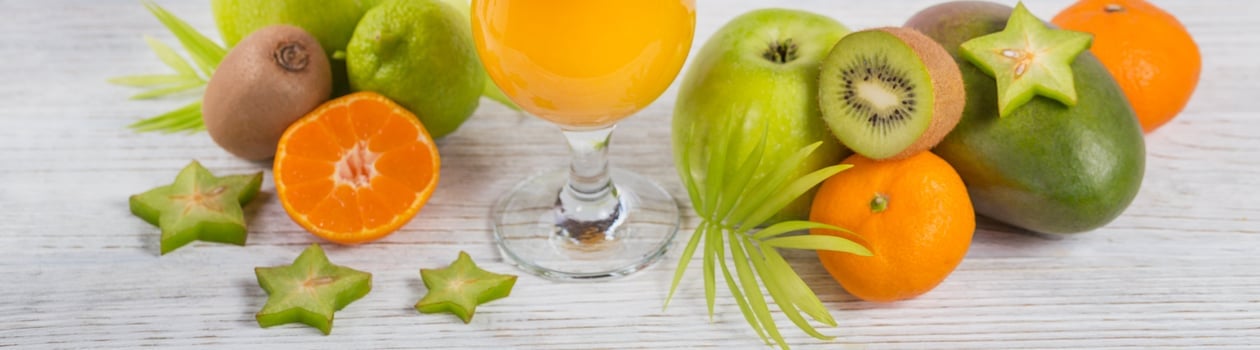
What joy it is to sip on a refreshing fruit cocktail! Imagine the delightful mix of colorful fruit flavors that can bring a smile to anyone’s face.
National Fruit Cocktail Day is all about that cheerful medley of fruit, the kind that looks like confetti in a bowl and tastes like sunshine in bite-sized pieces. Fruit cocktail can be as simple as a spoonful of mixed fruit in light syrup, or as fancy as a layered dessert parfait with citrus zest and toasted coconut.
It can be built from fresh fruit, assembled from frozen fruit for convenience, or poured straight from a can when the goal is quick, sweet, and satisfying. However it shows up, the point is the same: celebrate a classic fruit mix that has earned a permanent spot in pantries, picnic baskets, and retro recipe boxes.
How to Celebrate National Fruit Cocktail Day
Host a Fruit Cocktail Party
Throw a party where fruit cocktail is not a side character but the star of the table. A great setup starts with variety: offer a few different bowls or pitchers, each with its own theme. One can lean tropical with pineapple, mango, and coconut water.
Another can be “orchard style” with peaches, pears, and apples with a little cinnamon. A third can be a bright citrus mix with oranges, grapefruit segments, and pomegranate arils.
To make it feel like an event rather than a snack, add a simple “build-your-own” station. Provide small cups or dessert bowls, long spoons, and a handful of toppings such as toasted nuts, shredded coconut, granola, mini marshmallows, chia seeds, or a dollop of yogurt.
Put out herbs like mint or basil for people who enjoy a fresh twist, and include a few sauce options such as honey, lime juice, or a splash of fruit juice.
A fruit cocktail party also plays nicely with taste testing. Guests can bring a favorite combination, a family recipe, or even a beloved brand of canned fruit cocktail for a lighthearted comparison. The fun is in noticing how different cuts, ripeness levels, juices, and syrups change the overall flavor and texture.
Some mixes are crisp and tangy, others are soft and dessert-like, and everyone tends to have strong opinions about which fruit “makes” the bowl.
Create DIY Fruit Cocktails
Making fruit cocktail at home is a choose-your-own-adventure story, and it can be as careful or as carefree as the mood demands. Start by thinking about balance. A memorable fruit cocktail usually includes:
- A sweet base (peach, pear, ripe banana, mango)
- A bright note (orange, pineapple, kiwi, berries)
- Something with a little tang (grapefruit, passion fruit, tart apple)
- A textural element (grapes, firm melon, pomegranate seeds)
The liquid matters, too. Instead of defaulting to heavy syrup, try fruit-forward options that let the natural flavors shine. Orange juice, pineapple juice, or a blend of juices can be used as a light “marinade” that ties everything together. For a dessert-style mix, a small amount of honey or maple syrup can soften tart fruit without turning the whole bowl into candy.
A helpful trick is to cut fruit into similar sizes so each spoonful feels intentional. If fresh fruit is used, chill it first so the mixture tastes crisp and refreshing. If frozen fruit is used, partially thaw it so it releases a little juice but still holds its shape. If canned fruit is used, draining it and then adding a splash of fresh juice can brighten the flavor and reduce sweetness for those who prefer a lighter taste.
For a more “cocktail” vibe, serve DIY mixes in stemless glasses with long spoons, and add a garnish. A lime wheel, a twist of orange peel, or a sprig of mint can make a humble fruit bowl look ready for a celebration.
Try a Fruit Cocktail Dessert
Fruit cocktail has always been a reliable dessert helper, especially when the goal is something comforting, colorful, and quick. Its biggest advantage is that it already contains variety, so a dessert feels layered even when it’s simple.
It works beautifully as an ice cream topping, but it can also become the main event in parfaits. Layer fruit cocktail with vanilla yogurt or whipped cream and a crunchy element such as crushed cookies, graham cracker crumbs, or toasted oats. The contrast is the magic: creamy, juicy, and crisp in the same bite.
Fruit cocktail also fits into baked desserts in a surprisingly practical way. It can be folded into muffin batter for bursts of fruit, spooned into a cobbler-style topping, or used as a filling for hand pies. If baking, it helps to drain the fruit well and pat it dry so the dessert does not turn soggy. A small sprinkle of cornstarch mixed with sugar can also help absorb excess juice and create a more jammy texture.
For a classic “easy impressive” dessert, assemble a trifle: cake cubes or ladyfingers at the bottom, fruit cocktail in the middle, and a creamy layer on top. Repeat the layers, chill, and serve in clear cups or a glass bowl so the colors show off. It is the kind of dessert that looks like effort, even when it is mostly assembly, which is exactly the sort of energy this day celebrates.
Make It a Picnic
Fruit cocktail and picnics are a natural match because fruit feels festive without requiring complicated prep. For a picnic-friendly approach, portion fruit cocktail into small jars or containers so serving is easy, and the mess stays minimal. If using fresh fruit, toss the mix with a bit of citrus juice to help keep lighter fruits from browning and to add sparkle to the flavor.
Think beyond the bowl. Fruit cocktail pairs well with simple picnic foods because it acts as a sweet counterpoint. It can sit alongside sandwiches, crackers and cheese, or even a salty snack mix. If the picnic menu includes something spicy or smoky, fruit cocktail can be the refreshing “cool down” between bites.
Temperature is the key to keeping the fruit tasting its best. Use an insulated cooler and keep the fruit chilled until serving. If the picnic leans playful, pack a few fun accessories: small forks, paper straws for fruit-and-juice cups, or colorful napkins. Fruit cocktail may be low-maintenance, but it has always been high on charm.
Create Fruit Cocktail Mocktails
Fruit cocktail is not just for eating with a spoon. With a little fizz, it becomes a mocktail that feels like a party even on an ordinary afternoon. The easiest method is to spoon some fruit (and a bit of its juice) into a glass, add ice, and top it with sparkling water, seltzer, ginger ale, or lemon-lime soda. Stir gently so the bubbles do not disappear too quickly.
A few upgrades can make mocktails taste more “crafted”:
- Add a squeeze of citrus for brightness.
- Use flavored sparkling water that complements the fruit, like lime, peach, or berry.
- Drop in a few crushed mint leaves to create a refreshing aroma.
- Rim the glass with a little sugar for a dessert-like finish.
For a blended option, freeze fruit cocktail in ice cube trays or small containers and then blend it with a splash of juice. The result is a slushy mocktail that feels fancy but stays approachable. For presentation, garnish with a fruit skewer or a slice of citrus. It is a small detail, but it turns a simple drink into an occasion.
Donate to a Local Shelter
Celebrating a food-themed day can also be a chance to share. Canned fruit cocktail is shelf-stable, widely enjoyed, and often easy to store, which makes it a practical donation for food banks, community pantries, and shelters. It can be eaten as-is, used in desserts, or combined with other pantry items to create simple meals and snacks.
When donating, it helps to consider a few thoughtful touches. Choose cans that are intact and easy to open. If pull-tab lids are available, they can be especially useful for people without kitchen tools. Some people prefer fruit packed in juice rather than heavy syrup, while others welcome the higher calories of syrup-packed fruit, so a mix can serve different needs.
The spirit of National Fruit Cocktail Day is about joy and abundance, and sharing a little of that is one of the most meaningful ways to celebrate.
Why Celebrate National Fruit Cocktail Day?
The celebration of National Fruit Cocktail Day is a perfect opportunity to explore the versatility of fruit cocktails.
Fruit cocktail occupies a special niche in the world of food. It is both nostalgic and adaptable, a familiar mix that can still surprise people when it is used in new ways. Part of the appeal is the built-in variety. Instead of committing to one fruit, a fruit cocktail offers a little of everything, which makes it satisfying even in small portions.
There is also something undeniably cheerful about the look of it. Fruit cocktail is colorful by nature, and color changes how food is perceived. A bright bowl of mixed fruit signals freshness and fun, even when it comes from a pantry staple. That visual energy is one reason fruit cocktail has long been invited to gatherings, potlucks, and celebratory meals. It feels like a treat without being overly complicated.
Whether it’s mixed in a fruit salad, used as a dessert topping, or sipped from a fancy glass, a fruit cocktail brings a burst of flavor and texture. The different fruit pieces blend beautifully to create a mix that’s always exciting to enjoy.
Texture is an underrated part of the experience. A good fruit cocktail offers contrast: softer fruits alongside firmer ones, juicy bites next to slightly crisp ones. The liquid it is packed in, whether syrup or juice, adds another layer by creating a sweet-tart “sauce” that coats everything and makes each bite cohesive. That is why fruit cocktail works well as a finishing touch. A spoonful over yogurt, pancakes, waffles, or a slice of cake instantly adds moisture, flavor, and color.
Fruit cocktails’ blend of flavors and vibrant colors makes them a favorite for gatherings, summer picnics, or even a quick snack at home.
Another reason to celebrate is practicality. Fruit cocktail makes fruit more accessible when fresh produce is limited, when time is tight, or when someone needs a ready-to-eat option.
Canned and frozen fruit mixes can reduce prep time and food waste, and they offer consistent results for recipes that depend on fruit sweetness and texture. For many households, fruit cocktail has been a dependable ingredient that bridges the gap between everyday meals and special treats.
Their versatility makes them a great addition to many dishes. By celebrating National Fruit Cocktail Day, we honor this fruity treat that brings a splash of joy to any occasion.
National Fruit Cocktail Day Timeline
Rise of Mixed Fresh Fruit Salads
Cookbooks in Europe and the United States began publishing recipes for mixed fruit salads and fruit cups, popularizing the idea of combining several fruits in a single, sweet dish. [1]
Commercial Canning of Mixed Fruits Expands
As fruit canning technology improved in the United States, packers started offering assorted mixed fruits in syrup, laying the groundwork for standardized canned fruit cocktail products.
Standardized Canned Fruit Cocktail Introduced
Large California canners developed “fruit cocktail” as a specific blend of diced peaches, pears, pineapple, grapes, and cherries, turning what had been mixed fruit into a consistent branded product.
U.S. Canners Publish Industry Guide
The National Canners Association issued detailed guidelines for canned fruits, including mixed fruit products, helping to standardize quality, ingredients, and labeling across the industry during wartime rationing.
USDA Issues Standards for Grades of Canned Fruit Cocktail
The U.S. Department of Agriculture established official grade standards for canned fruit cocktail, specifying quality factors such as color, uniformity of pieces, and absence of defects.
Federal Standard of Identity for Canned Fruit Cocktail
The U.S. Food and Drug Administration codified a “standard of identity” for canned fruit cocktail in the Code of Federal Regulations, defining which fruits, proportions, and packing media may be used. [1]
Shift Toward Lighter Syrups and Juice Packs
Responding to nutrition concerns, major brands reformulated canned fruit cocktails to use light syrup or 100 percent fruit juice, reflecting changing consumer preferences for lower-sugar options.
History of National Fruit Cocktail Day
National Fruit Cocktail Day traces its roots to the mid-20th century when canned fruit cocktails became increasingly popular in American kitchens.
Fruit cocktail did not become a classic by accident. The rise of modern food preservation helped move fruit from a seasonal luxury to an ingredient that could be stored, shipped, and enjoyed with minimal fuss. As home pantries became more common and busy households looked for convenient ingredients, canned fruit mixtures fit neatly into the rhythm of everyday cooking.
The convenience of having pre-cut fruits ready to serve made these cocktails a beloved option for busy households. People loved the refreshing taste, vibrant appearance, and ease of preparation.
Canned fruit cocktail offered a particular kind of convenience: variety without extra work. Instead of peeling and slicing multiple fruits, a cook could open one can and have a mix ready for a dessert bowl, a gelatin salad, a lunchbox treat, or a topping for shortcake. It also helped that the fruit cocktail had a celebratory look. The mixture, often featuring different shapes and colors, felt a little fancier than a single fruit served on its own.
Initially, fruit cocktails were a staple in festive meals, served in elegant bowls or added to sweet desserts.
Fruit cocktail’s popularity is also tied to the way people entertained and shared food. It was easy to serve to a group, easy to portion, and easy to dress up. A simple bowl could be made more “special” with a cherry on top, a spoonful of cream, or a sprinkle of nuts. That flexible, make-it-your-own character helped fruit cocktail become a familiar sight at gatherings, where hosts wanted something reliable that still looked festive on the table.
As time passed, more people embraced them for their versatility, using them in salads and beverages and as toppings. The colorful blend of fruits could be enjoyed in a variety of ways, making it a popular choice for many.
Over the years, fruit cocktail has continued to evolve in how it is used. Some people prefer it straightforward, enjoyed chilled with a spoon. Others treat it like an ingredient, draining it for baking, blending it into smoothies, or mixing it into creative desserts.
Preferences about sweetness have also shifted, encouraging many cooks to experiment with fruit packed in juice or to customize canned fruit by rinsing it and adding fresh citrus. Even with changing tastes, the core idea remains appealing: an easy blend that delivers multiple fruit flavors at once.
To honor the history of this tasty treat, National Fruit Cocktail Day was established to celebrate its refreshing and sweet flavors. This day invites everyone to appreciate the fruity mix in all its forms, whether it be in a fancy fruit salad, added to desserts, or simply enjoyed straight from the can.
National Fruit Cocktail Day keeps that appreciation playful and open-ended. It celebrates fruit cocktail as both a nostalgic comfort and a practical pantry staple, and it encourages a little creativity along the way. Whether someone leans toward homemade mixes with carefully chosen fruit or loves the simple satisfaction of a classic canned blend, fruit cocktail earns its moment by being bright, flexible, and reliably cheerful.
Fruit Cocktail Facts That Shaped a Classic Staple
Fruit cocktail may seem simple, but its story is shaped by regulations, industry innovation, and cultural trends.
From strict standards on what goes into the mix to its rise in early California canneries and its place on midcentury tables, these facts reveal how fruit cocktail became a consistent and recognizable favorite.
Standardized Fruit Cocktail Must Contain Specific Fruits
In the United States, “canned fruit cocktail” is legally defined by a federal standard of identity that specifies both which fruits must be included and their approximate proportions.
The U.S. Food and Drug Administration requires the mix to be primarily diced peaches and pears, with smaller amounts of pineapple, seedless grapes, and cherry halves, and it also regulates how much added sugar or juice can be used so that products labeled “fruit cocktail” are consistent from brand to brand.
California Canneries Popularized Fruit Cocktail in the Early 1900s
Commercial fruit cocktail emerged in California’s fruit-canning region in the early 20th century as packers sought to use up irregular pieces of peaches, pears, and other fruits left from canning whole or halved produce.
By the 1920s and 1930s, large firms such as Del Monte and Libby, McNeill & Libby were marketing mixed-fruit packs nationwide, helping turn what began as an efficiency measure into a staple of American pantries.
Canned Fruit Cocktail Became a Fixture of Midcentury American Salads
During the mid-20th century, mixed canned fruits appeared widely in gelatin molds, “ambrosia” salads, and other sweet salads that were common on American dinner tables, especially for holidays and church suppers.
Cookbooks and women’s magazines of the 1950s and 1960s frequently called for fruit cocktail as a quick way to add color and sweetness to molded salads, reflecting the era’s enthusiasm for convenience foods and decorative presentations.
Fruit Cocktails Feature in U.S. School and Institutional Meals
Mixed canned fruit has long been part of institutional food service, from school lunches to hospitals and military rations, because it is shelf stable, portionable, and generally well accepted by children and adults.
The U.S. Department of Agriculture’s Food Buying Guide lists canned mixed fruit as a component that can be credited toward fruit requirements in the National School Lunch Program, making it a practical way for cafeterias to meet nutrition standards year-round.
Canned Fruit Can Support Overall Fruit Intake
While dietary guidelines stress the importance of fresh produce, research suggests that including canned fruit can still help people meet recommended fruit targets.
Analyses of U.S. dietary survey data have found that adults and children who consume canned or frozen fruits and vegetables tend to have higher overall intakes of fruit and vegetables, and often better diet quality scores, than those who rarely eat them, especially in lower-income groups where cost and storage are concerns.
Added Sugars Vary Widely in Packaged Fruit Cocktails
Packaged fruit cocktails can differ greatly in sugar content depending on whether they are packed in heavy syrup, light syrup, fruit juice, or water.
The U.S. Department of Agriculture’s nutrient database shows that a half-cup of fruit cocktail in heavy syrup can contain more than twice the sugar of the same amount packed in juice, which is why nutrition experts frequently recommend choosing options labeled “in juice” or “no sugar added” to keep added sugars in check.
Canned Fruit Plays a Role in Reducing Food Waste
The process of turning surplus or cosmetically imperfect fruit into canned products, including mixed-fruit packs, allows growers and processors to preserve produce that might otherwise spoil or be discarded.
Reports from the Food and Agriculture Organization highlight that fruit and vegetable processing, such as canning and bottling, can significantly reduce post-harvest losses and extend availability of seasonal fruits far beyond their fresh harvest window.
National Fruit Cocktail Day FAQs
What fruits are typically included in canned fruit cocktail, and how are they chosen?
Commercial fruit cocktail in the United States is usually a specific mix of diced peaches and pears, seedless grapes, pineapple, and small pieces of cherries.
The blend grew out of early 20th-century canning practices in California, where processors used standard recipes to ensure consistent flavor, texture, and color in every can.
Peaches and pears provide most of the volume and soft texture, grapes and pineapple add firmer bites and acidity, and the cherry pieces contribute color contrast more than flavor.
Similar mixes are now common worldwide, although exact proportions and fruit types can vary by country and brand.
Is canned fruit cocktail less healthy than fresh fruit salad?
Canned fruit cocktail can be nutritious, but its healthiness depends heavily on how it is packed. When fruit is canned in heavy or light syrup, the added sugars raise calories and can contribute to excess sugar intake.
Options packed in 100 percent fruit juice or water generally retain much of the fruit’s natural vitamins and provide fiber if the pieces are not strained.
Fresh fruit salad usually has more vitamin C, since that nutrient can decrease during storage and heating, and it avoids added sugars unless sweeteners are mixed in.
Health organizations typically recommend choosing canned fruit packed in juice or water, draining excess liquid if desired, and balancing it with a variety of fresh fruits over time.
How long does a fruit cocktail stay safe after opening, and how should it be stored?
Once a can or jar of fruit cocktail is opened, food safety guidelines recommend transferring any leftovers to a clean, covered container and refrigerating them.
The U.S. Department of Agriculture notes that opened canned fruits generally keep good quality in the refrigerator for about 5 to 7 days. They should be discarded if there are signs of spoilage such as off smells, mold, or unusual texture.
Unopened canned fruit cocktail, stored in a cool, dry place with intact packaging, can remain safe well past the labeled best‑by date, although flavor and texture gradually decline over time.
Are there major cultural variations in fruit cocktail around the world?
Many cuisines have their own version of mixed fruit desserts or drinks that resemble fruit cocktail. In South Asia, fruit chaat combines chopped fruit with spices and citrus for a sweet‑tart snack.
In the Philippines, buko salad and “fruit salad” often blend canned fruit cocktail with young coconut, cream, and condensed milk. Latin American countries serve ensalada de frutas or salpicón, which are fresh mixed fruit dishes sometimes combined with juice or milk.
In Japan, mitsumame and anmitsu feature small cubes of fruit, agar jelly, and sweet syrup. These dishes share the idea of mixing fruits for flavor and texture contrast, but seasonings, added ingredients, and levels of sweetness vary by culture. [1]
Does canned fruit cocktail contain preservatives or additives people should know about?
Most modern canned fruit cocktails rely on heat processing rather than chemical preservatives to keep it safe, so the ingredient list is often limited to fruit, water or juice, sugar or sweetener, and sometimes citric acid or ascorbic acid to help maintain color and flavor.
Some products may use calcium salts to firm the fruit or color additives for cherries. Labels vary by brand and country, so consumers who want simpler formulations or who have sensitivities to certain additives are advised to read the ingredient list and choose options with minimal added sugars and colorings when possible.
What is the difference between fruit cocktail and fruit salad from a food industry perspective?
In everyday language, the terms “fruit cocktail” and “fruit salad” are often used interchangeably, but in the packaged food industry, they can refer to different products.
“Fruit cocktail” typically describes a standardized mix of specific fruits cut into small, bite‑sized pieces and packed together, originally developed to use graded fruit efficiently and provide a uniform product.
Fruit salad is a broader category that may include a wider variety of fruits, different cut sizes, and less rigid formulas.
Processors sometimes label products as “fruit mix” or “fruit salad” when they use fruits that fall outside the classic fruit cocktail combination or when they target fresh‑cut refrigerated products rather than shelf‑stable canned goods. [1]


You may also like
World Cocktail Day
Host or attend a cocktail party and try out some new flavors, or perfect your hand at mixing any number of drinks, from a White Russian to a classic Cosmo.
- Australia
- Canada
- United Kingdom
- and 1 more
National Juice Slush Day
Celebrate National Juice Slush Day with icy, fruity drinks, creative flavor combos, and fun activities that highlight simple pleasures and healthier refreshment.
National Cocktail Day
Whether enjoying an evening out on the town, eating dinner with that special someone, or snuggling up at home in front of the fire, there is certainly a cocktail for every occasion.
World Passion Fruit Martini Day
Celebrate World Passion Fruit Martini Day by savoring this iconic tropical cocktail, exploring its history, and mixing creative variations and mocktails at home.
- Brazil
- International
- United Kingdom
- and 1 more
National days and holidays on May 13

Cannes Film Festival
The Cannes Film Festival is one of the most glamorous and important events in the film industry. Held annually in the beautiful city of Cannes on the French Riviera, this festival draws the biggest names in cinema, from directors to actors. The red carpet is a dazzling display of style...
World Cocktail Day
Host or attend a cocktail party and try out some new flavors, or perfect your hand at mixing any number of drinks, from a White Russian to a classic Cosmo.
- Australia
- Canada
- United Kingdom
- and 1 more

National Stationery Week
Sharpen your pencils and break out your fine pens, and take this excuse to use some fancy stationery. Write a loved one, find a pen pal, or even make your to-do list.

Top Gun Day
Host a watch party, with costumes and topical games, or simply gather your friends to watch the 1986 Tom Cruse classic Top Gun and its sequels.
- Australia
- Canada
- United Kingdom
- and 1 more
Seize Every Day
Join free for personalised recommendations, email reminders and exclusive guides. Never miss a day.