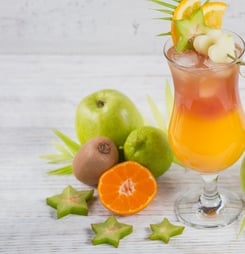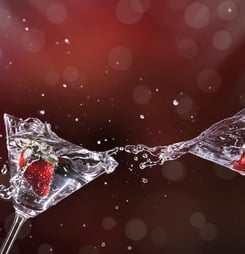

Enjoy the sweet-but-tangy flavors of this vodka-based cocktail, with hints of vanilla and, of course, passion fruit puree.
Get ready to have loads of fun by raising a glass to this world-renowned, beloved mixed drink, because it’s time to celebrate World Passion Fruit Martini Day! Bright, tropical, and a little bit theatrical, the passion fruit martini has earned its reputation as a “party in a glass” while still being balanced enough to impress serious cocktail fans.
How to Celebrate World Passion Fruit Martini Day
Go Out for Passion Fruit Martinis
In honor of World Passion Fruit Martini Day, it would be a shame not to set aside a little time to enjoy this delightfully refreshing mixed drink.
Grab a partner, a smattering of coworkers or a group of friends and head on over to a local restaurant or bar and order up a round of passion fruit martinis to celebrate the day. For many people, the best part of ordering one out is seeing how each bar interprets the drink. Some serve it in a classic V-shaped martini glass; others use a coupe for a more vintage look. Some lean into the dessert-like vanilla notes, while others keep it sharper and more citrus-forward.
A few simple tips can make a night out feel more like an “event” and less like a quick drink:
- Ask about the passion fruit source. Bars may use fresh passion fruit, a high-quality puree, or a liqueur. Fresh pulp tends to taste brighter and more aromatic, while puree gives consistent tartness and body.
- Notice the balance. A great passion fruit martini should not taste like straight candy. The best versions hit a sweet-tart midpoint, with enough acidity to keep the drink lively.
- Don’t forget the bubbles. Many places serve it alongside a small pour of sparkling wine. Some guests sip the sparkling wine on the side, while others add a splash directly into the cocktail. Either approach is fair game.
For groups, ordering a few different variations can be its own tasting flight. One person might try the house version, another might go for a spicy riff, and someone else might choose a lighter, lower-sugar style. Then everyone can compare notes and declare a friendly winner.
Try Making Passion Fruit Martinis at Home
Budding bartender hobbyists might be interested in observing World Passion Fruit Martini Day by trying to make these drinks at home.
It’s a fairly simple cocktail to put together, including passion fruit puree (or passion fruit liqueur), vanilla vodka, simple syrup and a shot of Prosecco or other sparkling wine. Add pineapple juice or lime juice and serve in a martini glass.
Home mixing is where the passion fruit martini really shines, because it teaches a few foundational cocktail skills without being fussy. A reliable approach focuses on three things: chill, balance, and texture.
Chill: A passion fruit martini is best when it is very cold. Chilling the glass in the freezer for several minutes helps, but even a quick rinse with ice water can do the trick. The colder the glass, the longer the drink stays crisp and refreshing.
Balance: Passion fruit naturally brings tang. Vanilla vodka or vanilla liqueur brings sweetness and softness. Simple syrup can fine-tune that relationship, while lime juice or pineapple juice can brighten the fruit and prevent the vanilla from becoming heavy. If the drink tastes flat, it usually needs a touch more acidity. If it tastes too sharp, it usually needs a little more sweetness or a richer fruit base.
Texture: Shaking with ice not only chills the drink, it adds dilution and aeration. That slightly frothy look on top is part of the appeal. Shaking hard for a short time usually creates a velvety mouthfeel, especially if a puree is used.
A few practical options make the home version easier and more consistent:also
- Fresh passion fruit: Scoop out the pulp and seeds and use it directly. It looks beautiful and tastes vibrant. Straining is optional. Leaving some seeds can add a fun crunch, but straining creates a smoother sip.
- Passion fruit puree: Often the most consistent option. It keeps the flavor stable and makes measuring easy.
- Passion fruit liqueur or syrup: Convenient and shelf-stable, but typically sweeter. If using a sweet liqueur, less simple syrup is usually needed.
For those who prefer a non-alcoholic approach, a “mocktini” can keep the same personality: passion fruit puree, a touch of vanilla (extract or vanilla syrup), lime juice, and a splash of sparkling water or non-alcoholic sparkling wine. Served cold in a martini glass, it still feels festive and grown-up.
Host a Passion Fruit Martini Party
Keep things simple or make a big deal out of World Passion Fruit Martini Day by inviting a few (or a lot) of people over to celebrate the day.
It can be something so mild as having some intimate friends over for after-dinner drinks, or it could be a full-on party with piñatas and a limbo stick around the pool.
A passion fruit martini party practically plans itself because the drink has a built-in theme: tropical, bright, and a little glamorous. The easiest way to host without spending the entire time behind the bar is to set up a small “make-your-own” station with clear choices, then offer one signature version for people who just want to sip.
Make it easy on the host:
- Batch the base. Combine the passion fruit component, vodka, and sweetener in a pitcher and keep it chilled. Then each drink can be shaken quickly with ice and finished with a sparkle.
- Offer two sweetness levels. Put simple syrup on the side with a small spoon or pour spout so guests can adjust. Passion fruit lovers often want it tangier than expected.
- Prep garnishes. Halved passion fruits look dramatic on top of the glass. If those are not available, citrus twists or a few edible flowers can give the same celebratory vibe.
Add a tasting angle: A small “flight” can be a fun party activity. Provide three mini versions:
- Classic vanilla-forward
- Citrus-bright with extra lime
- Spiced with a tiny pinch of chili or ginger syrup
Include inclusive options: Not everyone drinks alcohol, and even enthusiastic cocktail fans sometimes prefer a lighter pace. A sparkling passion fruit mocktail in the same glassware fits right in and helps everyone feel included.
Keep it responsible: The drink can be deceptively easy to sip. A party is more enjoyable when guests have water, snacks, and a comfortable place to hang out between rounds. Salty snacks, fruit platters, and small bites with acidity, like citrusy ceviche-style dishes or bright salads, pair especially well with passion fruit’s tang.
World Passion Fruit Martini Day Timeline
Passion Fruit Reaches Europe
Seeds of Passiflora edulis were brought from Brazil to England, helping introduce passion fruit to European greenhouses and eventually to use in drinks and desserts.
The Martini Cocktail Takes Shape
Printed bar manuals in the United States describe early martini recipes made with gin and vermouth, establishing the basic formula for the modern martini cocktail.
Vodka Martini Popularized by James Bond
Ian Fleming’s first James Bond novel, “Casino Royale,” features Bond ordering a vodka-based martini, helping push vodka martinis into mainstream cocktail culture.
Passion Fruit Juices Enter Mass Beverage Markets
Commercial passion fruit juice and concentrates, especially from Brazil, have become widely exported and used in soft drinks and mixers, paving the way for passion fruit in cocktails.
Flavored Vodka Fuels New-Style Martinis
Major spirits brands begin producing flavored vodkas, encouraging bartenders to create “fruit-tini” and dessert-style martinis that move far from the classic gin-and-vermouth recipe.
Douglas Ankrah Creates the Pornstar Martini
London bartender Douglas Ankrah develops the passion fruit–based Pornstar Martini at The Townhouse bar, pairing vanilla vodka and passion fruit with a side of sparkling wine.
Passion Fruit Martinis Become a UK Cocktail Staple
Through the 2010s, the Pornstar or Passion Fruit Martini rose to the top of UK cocktail menus and consumer “most-ordered” lists, cementing its status as a modern classic.
History of World Passion Fruit Martini Day
Martinis have a fairly fuzzy history, and no one knows exactly who first started drinking this mix of gin and vermouth, or vodka and vermouth for a vodka martini. But the history of the drink dates back more than a century, with some people claiming it has a relationship with the town, Martinez, California, which is near San Francisco.
To understand why a passion fruit martini became such a phenomenon, it helps to remember what the word “martini” has come to mean in modern drink culture. While the earliest martinis were spirit-forward and minimalist, the “martini” name eventually grew into a broader category: chilled cocktails served “up” in a stemmed glass.
That shift opened the door for fruit-driven, approachable drinks that felt stylish without requiring an acquired taste for strong, savory spirits. In that sense, the passion fruit martini fits right into the modern martini family tree, even though it tastes nothing like the original gin-and-vermouth template.
Passion Fruit Martinis came about in the early 2000s, created by a notorious bartender at a famous bar in London.
The drink is widely associated with bartender Douglas Ankrah, who developed it as a bold, indulgent cocktail with a playful edge. It is also known by the nickname “Porn Star Martini,” a name intended to signal something flashy and over-the-top rather than anything literal.
The nickname has fueled plenty of conversation, but the drink itself has stayed popular because it delivers what people want from a celebratory cocktail: big aroma, bright fruit, and a smooth finish.
The bartender’s hope for this tropical cocktail was to create a drink that was unique, with an evocative and tantalizing taste experience. And anyone who has enjoyed a premium passion fruit martini can attest that it is just that!
Part of that “tantalizing” quality is the way the flavors stack. Passion fruit is both sweet and sharply tart, with a fragrant, almost floral aroma. Vanilla softens the tartness and gives the cocktail a dessert-like roundness. Citrus, often in the form of lime, keeps the drink from feeling heavy.
Then, the sparkling wine component adds lift, turning the last sip into something bright and refreshing rather than sticky-sweet.
Another reason the drink stands out is its presentation. Many versions include a small side pour of sparkling wine, which turns a single cocktail order into a mini ritual. Some people alternate sips, enjoying the martini’s tropical richness and then cleansing the palate with bubbles.
Others combine them for a lighter, effervescent finish. Either way, it makes the drink feel special, even before the first sip.
More than just a drink, the passion fruit martini has now become a bit of an icon in British culture.
It also became a staple in many cocktail bars beyond the UK because it suits a wide range of palates.
It can be sweet enough for someone new to cocktails, yet still interesting for a seasoned drinker when made with fresh ingredients and careful balance. It photographs well, it smells amazing, and it can be tweaked endlessly, all traits that help a cocktail stick around rather than fading as a short-lived trend.
The origins of the fun and festivities of World Passion Fruit Martini Day can be attributed to Funkin Cocktails, which founded the day in 2021 with the purpose of showing appreciation for this, one of the UK’s favorite mixed drinks.
Since then, the day has provided an excuse for bars, brands, and home mixologists to put their own spin on the drink and celebrate what it represents: creativity behind the bar, the joy of sharing a round with friends, and the simple pleasure of a well-made cocktail that tastes like a getaway in a glass.
Those who have a penchant for cocktails and mixed drinks might want to get involved with these other drink-inspired days, such as World Martini Day in June, World Cocktail Day in May or National Mojito Day that takes place in July.
Those who have a penchant for cocktails and mixed drinks might want to get involved with these other drink-inspired days, such as World Martini Day in June, World Cocktail Day in May or National Mojito Day that takes place in July.
Fascinating Facts About Passion Fruit and Its Martini Magic
From its complex tropical aroma to its perfect balance in cocktails and deep cultural roots, passion fruit plays a key role in making the passion fruit martini such a standout drink.
These facts reveal why this vibrant ingredient works so well in mixology and why it continues to captivate both casual drinkers and cocktail enthusiasts alike.
Passion Fruit’s Complex Aroma Comes From Dozens Of Volatile Compounds
Passion fruit’s intense tropical aroma comes from a complex mix of volatile compounds, including esters, alcohols, ketones, and terpenes such as linalool and limonene.
Analytical studies of purple passion fruit juice have identified more than 100 aroma-active compounds that together create its distinctive sweet, floral, and slightly musky scent, which remains noticeable even when the juice is blended with other strong flavors.
Why Passion Fruit Pairs So Well With Sour and Sparkling Mixers
Purple passion fruit juice is naturally quite acidic, typically with a pH around 2.8 to 3.3, making it similar in sharpness to lemon juice.
This high acidity helps brighten the palate and balance sugar and alcohol in mixed drinks, which is why passion fruit works particularly well with sweet liqueurs and sparkling wines, keeping richer or creamy elements from tasting overly heavy while letting the fruit character stand out.
Passion Fruit Has Deep Roots In Brazilian Drinks And Desserts
In Brazil, passion fruit, known as maracujá, has long been used in everyday juices, desserts, and mixed drinks sold at juice bars and beach kiosks.
The pulp is commonly blended with water and sugar for refrescos, folded into mousses and cheesecakes, and shaken with cachaça in riffs on the caipirinha, helping make its tangy, fragrant flavor a familiar part of Brazilian food and drink culture.
How The “Martini” Name Drifted From Its Classic Roots
The original martini was a simple, very dry mix of gin and vermouth, but by the late 20th century bar menus were filled with “martinis” that contained neither ingredient.
As vodka-based, fruit-forward cocktails began being served in V-shaped martini glasses, the word “martini” gradually shifted from referring to a specific gin-and-vermouth recipe to a broader style of stylish, spirit-forward cocktails, opening the door for flavored and dessert-like versions.
Vanilla Vodka Helped Drive The Boom In Flavored Spirits
Flavored vodkas surged in popularity in the 1990s and early 2000s as producers targeted drinkers who found traditional spirits too harsh.
Vanilla vodka became a particular staple because its soft, dessert-like profile blends easily with fruit juices and liqueurs, encouraging the rise of sweeter, candy-like, and tropical cocktails that were more approachable for casual bar-goers than many classic, spirit-heavy recipes.
Prosecco’s Global Rise Boosted Sparkling Cocktail Culture
From the 1990s onward, Prosecco production grew rapidly in Italy, and by the 2010s it had become one of the world’s best-selling sparkling wines, often at a lower price than Champagne.
Its light body, fruity flavors, and easy bubbles made it a favorite base for spritzes and fruit-driven drinks, encouraging bartenders around the world to add sparkling “tops” to cocktails that might previously have been served without fizz.