

Every year on March 11th, people across the United States mark National Funeral Director and Mortician Recognition Day.
This day focuses on the vital role that funeral directors and morticians play in helping families navigate through the tough times following the loss of a loved one. They offer crucial support and expertise during these moments, ensuring respectful and dignified farewells.
Funeral directors and morticians are not just trained professionals. They are individuals who commit themselves wholeheartedly to caring for the deceased and their families.
With an extensive education in mortuary science and often after completing a rigorous apprenticeship, they are equipped to handle funeral services’ complexities, adhering to emotional and logistical needs.
Their work often extends beyond normal business hours, demonstrating their unwavering dedication and commitment to providing solace and support whenever it is needed.
March 11th is National Funeral Director and Mortician Recognition Day, a day to acknowledge and appreciate these professionals’ constant compassion and hard work.
It offers a moment to express gratitude for the peace they bring during life’s most challenging times, a service that often goes unseen but is deeply felt by those they help.
National Funeral Director and Mortician Recognition Day Timeline
Embalming Popularized During the American Civil War
The need to preserve fallen soldiers’ bodies for transport home accelerates the adoption of arterial embalming and creates public demand for professional undertakers.
National Funeral Directors Association Is Founded
Funeral professionals in the United States organize the National Funeral Directors Association, helping to standardize practices and advocate for the emerging profession.
Funeral Homes Replace Home Funerals
As Americans move to cities and medicine advances, care of the dead shifts from family parlors to dedicated funeral homes operated by trained funeral directors.
First Formal U.S. Mortuary Science School Opens
The Chicago School of Embalming, later Worsham College of Mortuary Science, begins training embalmers in a structured curriculum, signaling the start of modern mortuary education.
State Licensing and Education Standards Expand
States increasingly require funeral directors and embalmers to complete accredited schooling, apprenticeships, and licensing exams, professionalizing the occupation nationwide.
“Jessica Mitford Effect” Spurs Industry Self‑Scrutiny
Publication of Jessica Mitford’s book “The American Way of Death” criticizes funeral practices and pricing, prompting funeral directors’ associations to emphasize ethics and transparency.
Federal Trade Commission Oversight Begins
Complaints about funeral practices lead the Federal Trade Commission to study the industry, culminating in the Funeral Rule of 1984 that requires clear pricing and consumer disclosures from funeral providers.
History of National Funeral Director and Mortician Recognition Day
National Funeral Director and Mortician Recognition Day was officially established on March 11, 2008, by the United States Congress.
This special day acknowledges the dedicated professionals in the funeral industry who provide critical support to families during some of the most challenging times of their lives.
These funeral directors and morticians commit themselves to assisting families in mourning and managing funerals’ logistical details.
The decision to create such a day stemmed from recognizing these professionals’ unique and often overlooked role. They work tirelessly, often behind the scenes, to ensure that funerals are conducted with dignity and respect.
At the same time, they help families navigate the process of saying goodbye to their loved ones. The day serves as a formal opportunity to express gratitude for their compassionate service during times of loss.
How to Honor National Funeral Director and Mortician Recognition Day
A Note of Thanks
Why not kick things off with a heartfelt thank you card? Funeral directors and morticians rarely get the appreciation they deserve.
A simple card expressing gratitude can make their day a little brighter and show them appreciation from to the community.
Social Media Shoutout
Take to your favorite social platforms to give a shoutout to these unsung heroes.
A quick post tagging your local funeral home, sharing a story about how they helped during a difficult time, or simply thanking them for their service can spread positivity and recognition.
Review with Reverence
Had a positive experience with a funeral director? Writing a thoughtful review online not only helps them but also assists others in making informed choices during tough times. Plus, it’s a great way to acknowledge their good work publicly.
Learn and Share
How about diving a little deeper into what funeral directors and morticians do? Educate yourself on the different aspects of their work and share interesting facts or insights with others. Knowledge increases appreciation!
Light Up the Night
If you’re feeling particularly inspired, consider organizing a community event to honor these professionals.
Candlelight vigil or a gathering at a community center could provide a space for people to come together and appreciate the compassionate work of funeral directors and morticians.
Facts About National Funeral Director and Mortician Recognition Day
What is the difference between a funeral director and a mortician?
A funeral director typically works directly with families to plan services, handle paperwork, and coordinate logistics, while a mortician (often also called an embalmer) focuses more on preparing the body, including embalming and restorative care.
In many places, especially smaller firms, one licensed professional may perform both roles.
What kind of training and licensing do funeral directors usually need?
In the United States, most funeral directors complete an associate degree in funeral service or mortuary science from an accredited program, pass a national board exam, and complete a one to three year apprenticeship, along with meeting state-specific licensing and age requirements.
Similar combinations of formal education and supervised practice are common in other countries, though details vary by jurisdiction.
Are embalming and burial vaults legally required?
Neither embalming nor burial vaults are automatically required by law in many jurisdictions.
Embalming may be required only in specific situations, such as long delays before viewing or transport, and burial vaults are often a cemetery rule rather than a legal mandate, which means families can ask what is required by law versus by a particular cemetery.
Can families arrange funerals without using a funeral director?
In a number of places, including many U.S. states, families can legally handle some or all arrangements themselves, such as transport within certain limits, care of the body, and home vigils, though they may still need a licensed professional for tasks like filing death certificates or performing embalming.
Regulations are local, so families must check the specific requirements where the death occurs.
How do funeral directors support grieving families beyond planning the service?
Funeral directors often provide informal emotional support by listening, explaining options in clear language, helping families make decisions under stress, and connecting them with grief counseling or community resources.
Their role includes managing details so families can focus on mourning and remembrance.
What are some modern trends in funeral and memorial practices that professionals are helping families explore?
Funeral professionals increasingly help families arrange personalized services, including celebrations of life, nonreligious ceremonies, and environmentally focused options such as natural or “green” burials and lower‑impact cremation methods where available, as well as digital memorials and livestreamed services for distant mourners.
What are common misconceptions about funeral directors and the funeral industry?
Common misconceptions include believing that all funerals must be expensive, that embalming is always mandatory, that caskets and vaults must be purchased from the funeral home, or that every cremation is done on-site.
In reality, costs and services can often be tailored, families can shop for certain items independently, and some funeral homes use third-party crematories, all of which are typically disclosed in written price lists and contracts.



You may also like

National Band Director’s Day
Celebrate National Band Director’s Day by honoring music educators who inspire creativity, discipline, and community through their leadership and dedication.

Create a Great Funeral Day
Engaging in heartfelt conversations about the final journey ensures wishes are honored, easing the burden on loved ones during difficult times.
- Australia
- Canada
- United Kingdom
- and 1 more

Funeral Celebrant Day
A Funeral Celebrant Day is a moment to recognise the role of funeral celebrants. It brings attention to those who craft and lead meaningful, personal farewells. Often, they work as independent professionals, yet many people are unaware that they can be hired directly—without going through a funeral home. That lack of...

Traffic Directors Day
Traffic Directors Day is a special occasion that spotlights the crucial work done by traffic directors in broadcasting. These professionals ensure that all radio and television programs run smoothly. With them, the seamless flow of entertainment, news, and advertisements that audiences enjoy daily is possible. Their job involves meticulous planning...
National days and holidays on March 11 2027

Teen Tech Week
Libraries evolve with technology, offering digital tools and resources for research, learning, and exploration beyond books.
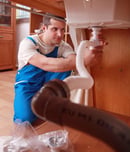
World Plumbing Day
From hot showers to clean drinking water, plumbing provides us with essential comforts that we often take for granted.

Key Deer Awareness Day
Key Deer Awareness Day highlights the rare Key Deer, an endangered species found only in the Florida Keys. These small deer, unique to this island chain, stand out for their small size and short legs, which help them navigate the dense island vegetation. Their limited habitat, along with challenges like habitat...

Brain Awareness Week
Understanding the intricate dance of neurons and synapses unravels the mysteries of cognition, revealing the brain's brilliance.
Seize Every Day
Join free for personalised recommendations, email reminders and exclusive guides. Never miss a day.