

Considering the climate crisis taking place on the planet in recent years, many places are facing hotter conditions more often, and the risks are not limited to the peak of summer.
Heat is not just uncomfortable; it can be genuinely dangerous. When the body cannot cool itself effectively, core temperature can rise quickly, putting the brain, heart, and kidneys under serious strain.
That is why extreme heat is closely tied to dehydration, heat cramps, heat exhaustion, and the most severe form, heat stroke. It is also why a normal day outside can become risky faster than many people expect, particularly when humidity is high, nighttime temperatures stay elevated, or there is limited access to shade and water.
National Heat Awareness Day encourages people to treat heat the way they treat any serious hazard: plan ahead, learn the warning signs, and make it easier for others to stay safe too. The goal is practical preparedness, from adjusting outdoor routines to checking on neighbors, protecting pets, and improving heat safety at work.
How to Celebrate National Heat Awareness Day
Check out a few of these ideas for getting involved with National Heat Awareness Day:
Stay Informed
The most important thing to do for National Heat Awareness Day is to get educated and better understand the ways to stay healthy in hot weather. Heat illness is largely preventable, but it often catches people off guard because it can start quietly. Someone might simply feel “off” at first, a little tired, irritable, or headachy, and then progress into dizziness, nausea, a rapid pulse, or confusion.
Record-setting temperatures can affect everyone, but some people face a higher risk. Older adults, young children, people who are pregnant women, and people with health conditions such as asthma, diabetes, heart disease, or kidney disease may have a harder time regulating body temperature.
Some medications can also interfere with sweating or hydration. The takeaway is not panic, it is personalization: a heat plan should match a person’s health situation and daily routine.
A smart way to stay informed is to learn how heat risk is communicated. Many forecasts include a “feels like” temperature, often tied to the heat index, which accounts for humidity. High humidity slows evaporation of sweat, making cooling less efficient. It also helps to recognize that indoor heat can be just as hazardous as outdoor heat, especially in poorly ventilated spaces or buildings that trap warmth overnight.
Practical habits include drinking water regularly rather than waiting for thirst, limiting alcohol in high heat, and planning errands or workouts for cooler parts of the day. For outdoor activity, the buddy system can be a lifesaver: if someone is exercising, working outdoors, or spending long hours in the sun, they can check in with a friend, coworker, or family member who knows the signs of heat illness.
It also helps to know the difference between common heat-related conditions:
- Heat cramps: painful muscle cramps, often after heavy sweating. Rest, gentle stretching, and rehydration can help.
- Heat exhaustion: heavy sweating, weakness, clammy skin, headache, nausea, or fainting. Cooling down and rehydrating quickly matters.
- Heat stroke: high body temperature, confusion, fainting, hot skin, or seizures. This is a medical emergency and needs immediate action.
Understanding these categories is not about memorizing a textbook. It is about recognizing trouble early and responding quickly.
Enjoy the Sun Safely
Summer is an important time for getting into the sun and enjoying fun activities. Remember these tips for sun safety:
- Check the weather before going outdoors
- Avoid direct sun exposure and strenuous activities
- Regulate your temperature with light, loose-fitting clothing and a hat to shade your face
- NEVER leave children or pets in the car
Those basics go a long way, but heat safety can also be made practical and easy to follow. Checking the weather is not only about the air temperature. It is about the full recipe: humidity, cloud cover, wind, and even air quality. A cloudy day can still be dangerously hot, and “just running out for a bit” can become risky if shade is limited or a person is not acclimated.
Avoiding direct sun exposure does not mean staying inside all season. It means being strategic. People can choose shaded routes, take breaks in air-conditioned places, and treat water breaks as non-negotiable rather than optional. For outdoor exercise, easing into intensity matters. The body adapts to heat over time, and doing too much too soon is a common setup for heat exhaustion.
Clothing choices can be surprisingly powerful. Light colors absorb less heat. Breathable fabrics allow sweat to evaporate. A wide-brim hat shades the face, but it can also reduce overall heat load. Sunglasses help with glare, and sunscreen reduces sunburn, which can impair the skin’s ability to cool efficiently.
Hydration deserves its own spotlight. Water is the go-to for most people most of the time. During long periods of heavy sweating, electrolytes can matter too, whether they come from sports drinks, oral rehydration mixes, or salty snacks paired with water. A simple rule of thumb is to drink consistently during activity and pay attention to signs of dehydration, such as dark urine, dry mouth, or dizziness.
And that “never leave children or pets in the car” rule is not a gentle suggestion. Vehicles heat rapidly, even with windows cracked. Children’s bodies heat up faster than adults’ and may not be able to communicate distress clearly.
For pets, panting is not a guaranteed cooling system. Dogs can overheat quickly, particularly flat-faced breeds, older pets, and animals with thick coats. When travel is necessary, planning for shade, airflow, and water is part of being a responsible caregiver.
Check In on Loved Ones
This is especially true for those who have at-risk neighbors or family members. Stop by or call to find out what kind of assistance they might need during hot weather.
Heat risk often increases in situations that have nothing to do with personal toughness and everything to do with circumstance. Someone living alone may not notice symptoms as quickly. Someone without reliable air conditioning may be trying to push through rather than ask for help.
A person with limited mobility might not be able to adjust curtains, move a fan, or get to a cooler location easily. Even a busy caregiver can become the one who needs checking on, because exhaustion plus heat is a rough combination.
A check-in can include making sure fans work, offering a ride to a cooler place, or helping stock up on drinking water and simple foods that do not require cooking. It can also mean reminding friends to avoid using ovens during the hottest stretches, close curtains or shades during strong sun, and keep phones charged in case of power issues.
A helpful check-in is often specific rather than vague. Instead of “Let me know if you need anything,” try “Do you have enough water for the day?” or “Is your place staying cool at night?” or “Do you have a cool spot you can go to if your home heats up?” People are more likely to accept help when the question is concrete and easy to answer.
A quick home heat-safety mini-audit can include:
- Making sure blinds or curtains can block intense afternoon sun.
- Setting up a “cool room” with the best airflow and least direct sunlight.
- Keeping a thermometer indoors to track temperature, since overheating can sneak up overnight.
- Preparing a small heat kit: water bottle, instant cold packs, a light snack, and a list of emergency contacts.
- Planning simple, no-cook meals during the hottest parts of the season to reduce indoor heat.
Community-minded people can also look beyond their own circle. If a building, workplace, or neighborhood group has a message board or chat, National Heat Awareness Day is a good reason to share reminders about hydration, shade, and checking on people who may be isolated.
Learn About Climate Trends
Those who want to better understand the background of National Heat Awareness Day can take some time getting more information related to why heat risks are changing and why some places feel hotter than others.
Heat is shaped by big-picture climate patterns and local conditions at the same time. Warming temperatures can raise the baseline, but local factors determine how heat is experienced. Urban areas can become significantly hotter than surrounding regions because pavement and buildings store heat, a phenomenon often called the urban heat island effect.
Limited tree cover, dark roofs, and heavy traffic can all add to the problem. In some places, nights do not cool down much, which reduces the body’s chance to recover from daytime heat.
Learning about climate trends can also mean learning the language of risk. Heat advisories and warnings exist for a reason: they signal when conditions could overwhelm normal coping strategies. For people who work outdoors, heat is also a workplace safety issue, not merely a lifestyle nuisance.
Jobs in construction, agriculture, delivery services, landscaping, and warehousing can involve high exertion, heavy gear, and limited shade, which increases risk. That is why many heat safety efforts focus on basic controls such as water, rest, shade, training, and a sensible pace for building heat tolerance over time.
Learning the trends does not have to be abstract. It can be as simple as noticing patterns in local seasons, understanding that early-season heat can be especially dangerous because people are not yet used to it, and recognizing that the first hot spell is often when heat illness spikes.
It can also be a reason to support practical improvements like planting trees, creating shaded outdoor areas, improving ventilation, and encouraging heat-smart scheduling for community events.
National Heat Awareness Day Timeline
Trousseau formally describes “coup de chaleur” in medical literature
French physician Armand Trousseau published a detailed account of heat stroke among troops and laborers, helping define it as a specific, life‑threatening condition.
Researchers propose a modern clinical definition of heat stroke
S. Sayers and colleagues publish work outlining core temperature criteria and neurological symptoms, shaping contemporary diagnosis and emergency care for heat stroke.
The United States endures a deadly nationwide heat wave
A prolonged summer heat wave kills more than 1,200 people across the United States, prompting closer tracking of heat‑related mortality and the need for formal warning systems.
Robert Steadman developed the heat index.
U.S. scientist Robert G. Steadman introduced a “temperature‑humidity index” that evolved into the Heat Index, used by the National Weather Service to guide public heat advisories.
Chicago heat wave exposes gaps in heat emergency planning
A severe July heat wave in Chicago kills more than 700 people, especially older and isolated residents, leading to new city heat emergency plans and attention to social vulnerability.
History of National Heat Awareness Day
National Heat Awareness Day is a public safety observance focused on preventing heat-related illness by promoting awareness, planning, and practical habits that reduce risk.
Extreme heat has long been a serious health hazard, but it does not always receive the same attention as storms or floods because it can feel familiar. Over time, public health agencies, weather forecasters, and workplace safety professionals have worked to change that perception by emphasizing two facts: heat illness can escalate quickly, and prevention is straightforward when people know what to do.
The day’s message aligns closely with established heat safety guidance used in public health campaigns and workplace training. It encourages people to recognize heat stress early, respond fast when symptoms appear, and reduce exposure before it becomes dangerous.
That includes building routines around hydration, cooling breaks, and shaded or ventilated recovery spaces. It also includes planning for higher-risk situations, such as intense physical activity, protective clothing, high humidity, or limited access to air-conditioned spaces.
National Heat Awareness Day also reflects a growing emphasis on shared responsibility. Heat safety is not only an individual choice. It is shaped by workplaces that set break policies, schools and sports programs that adjust practice plans, landlords and building managers who maintain safe indoor conditions, and neighbors who check on one another. When communities normalize simple actions like carrying water, rescheduling strenuous tasks, or providing cool-down areas, fewer people end up in crisis.
By setting aside a moment for attention and preparation, National Heat Awareness Day helps turn scattered tips into a culture of readiness. The result is not only more comfort during hot weather, but fewer emergencies, better support for vulnerable people, and safer routines for anyone who must spend time working or exercising in the heat.
National Heat Awareness Day Facts
Hidden Early-Warning Signs Inside the Body During Extreme Heat
Before someone collapses from heat stroke, subtle internal changes begin hours earlier.
As core temperature climbs above about 100.4–102°F (38–39°C), the body diverts blood toward the skin and ramps up sweating to shed heat, which can reduce blood flow to organs like the kidneys and gut.
Dehydration thickens the blood and strains the heart, and inflammatory responses can start damaging the lining of blood vessels.
If core temperature reaches about 104°F (40°C) with confusion or loss of consciousness, doctors classify the condition as heat stroke, a medical emergency with a high risk of organ failure.
Heat Waves Quietly Raise Deaths From Heart, Lung, and Kidney Disease
Most people who die during heat waves are not recorded as having “heat stroke” but from heart attacks, strokes, breathing problems, or kidney failure that the heat helped trigger.
Epidemiological studies from the United States and Europe show that for every death directly coded as heat-related, several more deaths from cardiovascular and respiratory causes occur above normal levels during hot periods, especially among older adults and those with chronic illness.
This makes the full health burden of extreme heat significantly larger than official heat-death counts suggest.
Extreme Heat Waves That Were Once Rare Are Now Common
Climate scientists can calculate how often a given level of heat would have occurred in a cooler, past climate.
Attribution studies cited in the Intergovernmental Panel on Climate Change reports show that some of today’s most intense heat waves, such as those in western North America and Europe over the last decade, would have been virtually impossible without human-caused climate change.
For many regions, multi-day heat extremes that historically occurred only once every 50 years are already happening several times as often and are projected to become even more frequent this century.
Redlined Neighborhoods Are Hotter Decades After Maps Were Drawn
Historic “redlining” maps created by the Home Owners’ Loan Corporation in the 1930s still predict who lives in the hottest parts of many U.S. cities.
Modern analyses comparing those maps to satellite and ground-based temperature readings have found that formerly redlined neighborhoods can be up to 5–7°F hotter in summer than wealthier, historically favored areas, largely because they have fewer trees, more heat-absorbing pavement, and poorer housing quality.
These higher background temperatures contribute to greater heat-related health risks for residents today.
Nighttime Heat Is Especially Dangerous for the Human Heart
Cool nights usually give the body a chance to recover from daytime heat, but when temperatures stay high after sunset, cardiovascular risks climb.
Research in multiple countries has found that hot nights are strongly associated with increased deaths from heart disease, particularly among older adults.
Without cooler nighttime temperatures, heart rate and blood pressure can remain elevated, sleep quality deteriorates, and the body cannot clear the day’s heat load, which compounds stress on the circulatory system over several days of a heat wave.
Parked Cars Can Become Lethal in Minutes, Even With Windows Cracked
Experiments by meteorologists and pediatric safety researchers show that the temperature inside a parked vehicle can rise by about 20°F within 10 minutes and roughly 30°F within 20 minutes, even on a mild day and even with windows cracked.
On a 80–90°F day, that means interior surfaces can reach levels that cause heat stroke in young children or pets who cannot escape or regulate their body temperature as effectively as adults.
Because most of the temperature rise occurs in the first half hour, “just a few minutes” in a parked car can quickly become fatal.
Outdoor Workers Can Lose Over a Liter of Sweat Per Hour in High Heat
Field studies of farmworkers, construction crews, and other outdoor laborers show that in hot conditions with heavy exertion, workers may lose 1–2 liters of sweat per hour, along with critical electrolytes such as sodium.
Without scheduled breaks, shade, and frequent rehydration, this rapid fluid loss can lead to heat exhaustion and progress to heat stroke, particularly early in the season before workers are acclimatized.
Occupational health agencies stress that acclimatization, rest breaks, and ready access to cool water are key to preventing these heat illnesses on the job.
National Heat Awareness Day FAQs



You may also like

World Stroke Day
Every second is crucial when a person has a stroke and minutes can save lives. World Stroke Day is meant to raise awareness about the serious nature of this disease for people all over the world. How to Celebrate World Stroke Day Make plans to get connected and raise...
- Australia
- Canada
- India
- and 3 more

National Stroke Awareness Month
Recognizing sudden signs, staying informed, and acting swiftly can save lives, fostering stroke awareness and prevention.
- United States
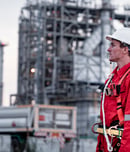
National Texas Stress Day
National Texas Stress Day is an occasion to honor the hardworking Texas Stress team. This team, known for its dedication and expertise in various industries, including refineries, power plants, and gas plants, ensures the safety and efficiency of these operations. The day highlights the crucial role of these professionals in...
- United States

World Refrigeration Day
Don’t take for granted the importance of refrigeration in modern life. Consider what life without it would be, and have some gratitude for the innovators who made it possible.
- United Kingdom
- United States
National days and holidays on May 29

Vivid Sydney
Vivid Sydney is a dazzling celebration that transforms the city into a vibrant playground of lights, music, and creativity. For weeks, iconic landmarks and urban spaces glow with stunning light installations and 3D projections, captivating both locals and tourists. This festival draws millions of visitors each year, offering an enchanting...
- Australia

National Alligator Day
Celebrate National Alligator Day by learning gator safety, fun facts, and their vital role in wetland ecosystems, plus ideas for parks, films, and more.
- United States

End of the Middle Ages Day
Explore End of the Middle Ages Day, honoring Constantinople’s fall and the transition from medieval Europe to the Renaissance through history, culture, and reflection.
- International

Oak Apple Day
Discover Oak Apple Day, honoring King Charles II’s daring escape, the oak leaf tradition, and enduring English heritage through community celebration.
- United Kingdom
Seize Every Day
Join free for personalised recommendations, email reminders and exclusive guides. Never miss a day.