National Hot Heads Chili Day
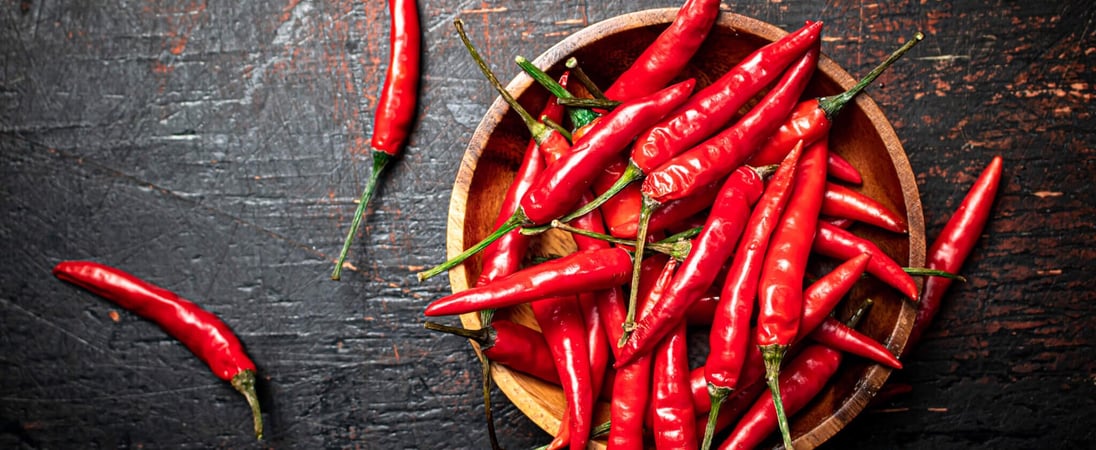
National Hot Heads Chili Day celebrates the bold flavors of chili peppers. On this day, spice lovers dive into dishes that bring the heat. From mild jalapeños to fiery habaneros, there’s a pepper for every palate.
People across the country enjoy spicy meals, participate in chili cook-offs, and even test their limits with hot pepper challenges. It’s a day that brings together those who appreciate the thrill of spicy food.
Beyond the taste, chili peppers offer health benefits. Capsaicin, the compound responsible for their heat, can boost metabolism and reduce inflammation. Chili peppers are also rich in vitamins and antioxidants, contributing to overall well-being.
National Hot Heads Chili Day is not just about the spice; it’s about enjoying flavorful food that can also be good for you.
Whether you’re a seasoned spice enthusiast or new to the world of heat, this day offers a chance to explore and enjoy the diverse world of chili peppers.
How to Celebrate National Hot Heads Chili Day
Here are some spicy ways to dive into the heat and celebrate National Hot Heads Chili Day with flavor and fun.
Host a Heat Contest
Turn up the excitement with a friendly hot pepper showdown. Invite brave friends to taste increasingly spicy bites.
Offer milk, not water, for the daring crowd. Keep the mood light, and let everyone set their own limits. Laughter always cools the burn.
Try a New Recipe
Step out of the usual and cook something bold. Find a chili-rich dish from a different region or culture.
Maybe a smoky stew or pepper-packed stir-fry. Use fresh ingredients to bring out the best flavors. Share your creation with someone curious.
Visit a Local Spot
Support a small restaurant known for its spicy menu. Order something outside your comfort zone. Ask for recommendations if you’re unsure.
Enjoy the new flavors and talk about your experience. Trying something unfamiliar can surprise your taste buds.
Make Homemade Hot Sauce
Gather a few peppers, vinegar, garlic, and salt. Blend until smooth, then let it rest before tasting. Use gloves when handling the hotter varieties.
Label your batch with a fun name. You might just create a favorite condiment.
Learn About Peppers
Spend time reading about the Scoville scale and pepper varieties. Watch videos on how farmers grow these fiery fruits.
Discover which peppers work best for different meals. Knowing more makes each bite more interesting. Spicy food starts with understanding heat.
National Hot Heads Chili Day Timeline
1492
Chili Peppers Encountered by Europeans
During his first voyage to the Caribbean, Christopher Columbus and his crew encountered chili peppers cultivated by Indigenous peoples. Mistaking their heat for a form of black pepper, Europeans later referred to them simply as “peppers,” a name that remains in use today.[1]
1493
Chili Peppers Introduced to Europe
After Columbus’s second voyage, chili peppers were brought to Spain. From there, they began spreading throughout Europe, where they were cultivated and incorporated into local cuisines.[2]
1526
Chili Peppers Reach Italy
By the early 16th century, chili peppers had reached Italy. Over time, they became an essential ingredient in several regional cuisines, particularly in southern Italy, where spicy flavors were embraced.[3]
Late 1800s–Early 1900s
Chili Con Carne Gains Popularity
Chili con carne, a dish centered around chili peppers, beans, and meat, gained widespread popularity in the United States—especially in Texas—becoming a defining example of American spicy cuisine.[4]
Late 20th–Early 21st Century
Capsaicin Health Benefits Studied
Scientific research increasingly focused on capsaicin, the compound responsible for chili peppers’ heat. Studies highlighted its potential benefits, including pain relief, improved metabolism, and cardiovascular support.[5]
Early 21st Century
Rise of Chilihead Culture
Online communities, chili cook-offs, and hot sauce challenges helped popularize “chilihead” culture—people who actively seek extreme heat and experiment with increasingly spicy peppers and sauces.[6]
History of National Hot Heads Chili Day
National Hot Heads Chili Day celebrates humanity’s long-standing love affair with heat and spice. While the modern observance is informal, the passion behind it is deeply rooted in culinary history that stretches back thousands of years.
Chili peppers originated in the Americas and were used as early as 7,500 years ago by Indigenous civilizations such as the Aztecs and Maya. These cultures valued peppers not only for their bold flavor but also for their preservative qualities and medicinal uses.
When chili peppers were introduced to Europe and Asia after the Columbian Exchange in the 15th and 16th centuries, they spread rapidly, reshaping cuisines around the world—from Indian curries to Thai soups and Korean pastes.
The idea of celebrating extreme heat as a badge of honor gained momentum much later. In the 20th century, chili peppers became a symbol of culinary bravado, especially in the United States. Chili cook-offs, hot sauce competitions, and pepper-eating contests turned spice tolerance into a shared challenge. The rise of dedicated “chiliheads”—people who actively seek out the hottest peppers and sauces—helped push spicy food from niche interest to mainstream food culture.
National Hot Heads Chili Day likely emerged from these enthusiast communities. Rather than being established by a formal organization, it appears to have grown organically as chili lovers wanted a specific day to honor their obsession with heat.
Online food forums, recipe blogs, and social media played a key role in spreading awareness, allowing people to share fiery dishes, personal challenges, and pepper-growing successes.
Over time, the day aligned naturally with broader food-celebration trends, fitting the pattern of Days of the Year observances that highlight unique passions and traditions. Today, National Hot Heads Chili Day is marked by home-cooked chili experiments, visits to spice-focused restaurants, hot sauce tastings, and playful heat-level challenges.
What began quietly has evolved into a loud, flavorful celebration. The day now represents more than just spicy food—it reflects curiosity, community, and the joy of pushing culinary boundaries. For hot-food fans everywhere, it’s a chance to turn up the heat and share the burn.
Facts about National Hot Heads Chilli Day
Hot Facts for Chili Lovers
Chili peppers are more than just a way to add heat to food. Behind their fiery reputation lies a fascinating mix of science, nutrition, and global influence. From potential health benefits to their remarkable ability to thrive in diverse climates, these facts highlight why chili peppers have captured the attention of researchers, cooks, and spice lovers around the world.
-
Capsaicin and Heart Health
Capsaicin—the compound responsible for chili peppers’ heat—has been linked to improved cardiovascular health. Research suggests it may support vasodilation (the widening of blood vessels), help reduce inflammation, and lower the risk of atherosclerosis, all of which contribute to better heart function.
-
Capsaicin’s Role in Weight Management
Studies show that capsaicin can boost metabolism and increase fat oxidation, helping the body burn more calories. These effects make chili peppers a potentially useful dietary component for managing weight and reducing the risk of obesity-related conditions.
-
Natural Pain-Relief Properties
Capsaicin is widely used for its analgesic effects. It works by desensitizing pain receptors, which can reduce chronic pain and inflammation. For this reason, capsaicin is commonly found in topical creams used to treat arthritis, muscle pain, and nerve discomfort.
-
Chili Peppers Thrive Worldwide
Chili peppers are grown in a wide range of climates, from the humid tropics of Southeast Asia to the dry regions of Mexico and the southwestern United States. Their adaptability has made them one of the most widely cultivated spices in the world.
-
Capsaicin in Cancer Research
Ongoing scientific research has explored capsaicin’s potential role in cancer treatment. Some studies suggest it may help trigger apoptosis (programmed cell death) in certain cancer cells, although researchers stress that more clinical studies are needed before medical applications can be confirmed.
National Hot Heads Chili Day FAQs
What health benefits are associated with capsaicin in chili peppers?
Capsaicin, the compound that gives chili peppers their heat, has been linked to several potential health benefits. Research suggests it may help boost metabolism, reduce inflammation, and support weight management. Studies also indicate a possible role in cardiovascular health by improving blood vessel function and lipid profiles. While laboratory and animal studies suggest anticancer properties, evidence in humans remains limited and inconclusive.[1][2]
How did chili peppers spread around the world?
Chili peppers originated in the Americas and spread globally following the Columbian Exchange in the 16th and 17th centuries. European traders introduced them to Africa and Asia, where they were quickly adopted due to their strong flavor, affordability, and ability to grow in diverse climates. Over time, they became essential ingredients in many regional cuisines.[3]
How are chili peppers traditionally used in global cuisines?
Chili peppers are a versatile ingredient used in many culinary traditions around the world. They can be eaten raw, cooked, roasted, fried, pickled, dried, or ground into powders and sauces. In Mexico and Latin America, chilies are central to salsas, moles, and adobos. In many Asian countries, peppers are used in curries, stir-fries, and spicy condiments. Southeast Asian cuisines feature chili pastes and sauces, while in the Middle East and North Africa, hot pepper condiments are common at the table. Across regions, chilies enhance flavor, add heat, and contribute to the identity of local dishes.[4]
How is the spiciness of chili peppers measured?
The heat of chili peppers is measured using the Scoville scale, which ranks peppers according to their capsaicin concentration. Developed in the early 20th century by pharmacist Wilbur Scoville, the scale remains the standard reference for comparing pepper pungency, from mild varieties to extremely hot cultivars.[5]
Why are spicy food and chili challenges so popular?
Spicy food challenges appeal to people’s desire to test physical limits and experience intense sensations. In many cultures, tolerance for heat is celebrated as a point of pride, while modern media and social platforms have helped popularize pepper-eating contests and hot sauce challenges as entertainment.[6]
Also on ...
View all holidays

Kid Inventors’ Day
These young minds are like mini scientists, creating ingenious solutions to everyday problems with their boundless curiosity and creativity.

Benjamin Franklin Day
A polymath with many talents, from inventing to writing, Franklin's contribution to American history will never be forgotten.
Soup Swap Day
There's nothing better than a warm bowl of homemade soup on a chilly day! Swap your soup with friends for a fun way to mix up your meals.