

Everyone loves the cozy comfort of hotel slippers. National Hotel Slipper Day celebrates this simple pleasure, bringing a touch of luxury to everyday life.
This special day is all about appreciating those soft, snug slippers hotels provide to help guests feel at home.
National Hotel Slipper Day highlights the importance of comfort and relaxation. Slippers symbolize taking it easy after a long day.
They represent a small luxury that makes people feel pampered. This day reminds everyone to enjoy the little things that bring happiness and relaxation.
It encourages taking a break and appreciating the simple comforts that make life enjoyable. Whether you’re traveling or just lounging at home, slipping into these comfy footwear items adds a bit of joy to your day.
National Hotel Slipper Day Timeline
Early Japanese house slippers and indoor footwear customs
In Japan, removing outdoor shoes at the entrance and switching to indoor footwear developed alongside wooden geta and straw zori, laying cultural groundwork for later guest slippers.
Slippers become symbols of domestic comfort in Europe
In Britain and France, soft backless “slippers” emerge as indoor shoes for the wealthy, associated with privacy, comfort, and boudoir life rather than outdoor wear.
Modern hotels emphasize private-room comfort
With the rise of large luxury hotels in Europe and the United States, managers begin marketing bedrooms as extensions of the private home, encouraging use of special indoor footwear and robes for comfort.
Postwar boom in hotel amenities
As international business and leisure travel grow, major hotel chains compete on small in-room comforts such as robes and bedside slippers, promoting them as marks of cleanliness and American-style convenience.
First modern global business-hotel chains standardize amenities
When Marriott and other chains expand internationally in the 1980s, they start codifying guest-room standards, including optional complimentary slippers in higher-end properties.
Luxury and boutique hotels popularize branded slippers
Upscale and boutique hotels increasingly provide logoed terry or velour slippers as take-home souvenirs, blending hygiene, comfort, and subtle marketing.
Spa culture brings slippers into mainstream hotel stays
The spread of hotel spas and wellness packages leads properties to offer cushioned spa-style slippers beyond treatment areas, turning them into a standard symbol of pampering.
Sustainability concerns reshape hotel slipper design
As awareness of waste rises, some hotels begin using biodegradable materials, reusable slippers, or opt-in policies to reduce the environmental impact of single-use hotel slippers.
History of National Hotel Slipper Day
National Hotel Slipper Day originated on March 1, 2019. Hotels.com introduced this fun holiday to celebrate the cozy luxury of hotel slippers, inspired by celebrities like Justin Bieber, who popularized them by frequently wearing them in public.
The date was chosen to give people a warm, comforting start to spring, a time when many are looking for small joys to shake off the winter blues.
Since its beginnings, National Hotel Slipper Day has grown in popularity. Each year, more people participate by sharing photos of their favorite slippers on social media. Hotels also join in the celebration, often offering special promotions or giveaways to mark the occasion.
The day has become a light-hearted way for people to connect over a shared appreciation for comfort and relaxation. It continues to gain traction as a unique and enjoyable way to highlight the little luxuries in life.
How to Celebrate National Hotel Slipper Day
Host a Slipper Party
Invite friends over for a slipper-themed party. Encourage everyone to wear their comfiest slippers. Provide snacks and drinks, and enjoy a cozy night in. Add some games or movies to keep the fun going.
Treat Yourself
Pamper yourself with a new pair of luxurious hotel slippers. Head to a local store or browse online for the perfect pair. Enjoy the feeling of slipping into something new and comfortable.
Share the Comfort
Gift a pair of cozy slippers to a friend or loved one. It’s a thoughtful way to show you care about their comfort. Add a note to make the gift extra special.
Slipper Selfies
Take selfies in your favorite hotel slippers and share them on social media. Use fun hashtags to connect with others celebrating the day. Show off your stylish or quirky slipper choices.
Relax and Unwind
Dedicate time to relax at home with your slippers on. Pair them with a good book, a warm drink, or your favorite TV show. Enjoy the simple pleasure of a peaceful moment.
Facts About National Hottel Slipper Day
Ancient Indoor Footwear Predates Modern Slippers by Millennia
Archaeological evidence shows that indoor-only footwear is far older than modern hotel slippers, with soft woven or leather house shoes appearing in ancient civilizations such as Egypt and Mesopotamia.
These early “slipper-like” shoes were worn indoors to protect feet from dirt and parasites on unpaved floors, highlighting that the idea of a separate, more comfortable shoe for the home has deep practical roots rather than being a purely modern luxury.
Japanese Uwabaki Show a Formalized Indoor Slipper Culture
In Japan, the custom of removing outdoor shoes at the genkan entrance and switching to dedicated indoor slippers, known as uwabaki, is so ingrained that schools, hospitals, and some offices provide special slippers for visitors and staff.
This separation of footwear is tied to both hygiene and the cultural distinction between the “outside” and “inside” worlds, making Japan one of the clearest examples of a society where slipper use is not just comfort but a codified social practice.
Many Asian Cultures Use Indoor Slippers as a Hygiene Barrier
Across East Asia, including South Korea, China, and Taiwan, it is common to keep a separate pair of slippers or house shoes inside the home, partly to avoid tracking street dirt and microbes onto flooring where families sit, sleep, or children play.
Public health research has found that outdoor shoes can carry bacteria like E. coli and Clostridioides difficile indoors, which helps explain why these cultures historically emphasized indoor footwear long before modern hospitality marketing framed slippers as a luxury.
Hotel Room Floors Can Harbor Remarkable Microbial Diversity
Studies on hotel hygiene have found that frequently touched objects such as TV remotes and light switches often carry the highest bacterial loads, but carpets and bathroom floors also act as reservoirs for microbes tracked in by guests.
Microbiologists note that even in well-cleaned rooms, floor surfaces can host a mixture of skin bacteria, environmental fungi, and occasional pathogens, which is one reason many guests prefer some kind of foot covering like slippers rather than going barefoot.
Slippers Help Regulate Body Temperature Through the Feet
Physiologists point out that feet have a high surface-area-to-volume ratio and numerous blood vessels close to the skin, which makes them important for heat exchange.
Wearing slippers or other insulating footwear on cool floors reduces heat loss through the soles of the feet, which can help people feel warmer overall without raising the thermostat, a small comfort that also has potential energy-saving benefits.
Luxury Hotels Use Amenities Like Slippers to Shape Guest Perception
Research in hospitality management shows that “micro-amenities” such as plush bathrobes, high-thread-count linens, and complimentary slippers are part of a strategy to create a sense of indulgence and care that exceeds basic lodging needs.
Even relatively low-cost items can significantly influence guests’ satisfaction ratings and their perception of a hotel as luxurious, illustrating how something as simple as a pair of slippers can contribute to brand positioning and repeat business.
Disposable Hotel Slippers Raise Sustainability Concerns
Many hotel slippers are made with foam, synthetic fabrics, or mixed materials that are difficult to recycle, and life-cycle analyses of single-use textiles in hospitality point out that convenience often comes with a waste burden.
Environmental reports on hotel operations have urged properties to reduce single-use amenities, and some eco-focused hotels now offer reusable or higher-quality slippers that guests are encouraged to take home rather than discard after a single stay.
National Hotel Slipper Day FAQs

You may also like
One Day Without Shoes Day
Reconnect with the Earth (literally) and go one day without shoes, dig up old shoes to donate, or donate to foundations that give shoes to children in need.
- United States
National Shoe the World Day
National Shoe The World Day is a special day celebrated on March 15 every year. It's a day dedicated to raising awareness about the importance of having good-quality shoes. For many of us, choosing what shoes to wear is a simple part of our daily routine. However, for countless individuals...
- India
- International
- United Kingdom
- and 1 more
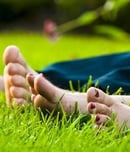
National Go Barefoot Day
Celebrate National Go Barefoot Day by kicking off your shoes, enjoying health benefits, and supporting Soles4Souls in providing footwear to people in need.
- United States

National Hotel Employee Day
National Hotel Employee Day celebrates the people who keep hotels running smoothly every single day. From early morning check-ins to late-night room service, these workers handle countless details with care and focus. They greet tired travelers with a smile, tidy rooms with precision, and solve problems before guests even notice...
- United States
National days and holidays on March 1 2027

World Seagrass Day
World Seagrass Day is a worldwide reminder that some of the planet’s most important landscapes are the ones most people never see. Beneath calm, shallow coastal waters, underwater meadows quietly perform outsized work: feeding marine life, clearing the water, buffering shorelines, and locking away carbon for the long haul. World Seagrass...
- Australia
- International
- United Kingdom
- and 1 more

Zero Discrimination Day
Imagine a world where everyone is free to be themselves without fear of being judged or treated unfairly. Sounds amazing, right? Zero Discrimination Day points toward that world by encouraging people to notice where bias shows up, learn what dignity looks like in everyday life, and take practical steps that...
- Canada
- India
- International
- and 3 more

National Horse Protection Day
Giving a second chance to majestic creatures that were once overlooked and neglected is both rewarding and inspiring.
- Australia
- Canada
- United Kingdom
- and 1 more
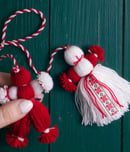
Baba Marta Day
Baba Marta Day, celebrated in Bulgaria, is a lively and colorful tradition that marks the transition from winter to spring. People exchange and wear red and white bracelets called martenitsas. These simple yet meaningful tokens symbolize good health, happiness, and the hope for a fruitful year ahead. The festive spirit fills...
- Bulgaria
- Greece
- North Macedonia
- and 2 more
Seize Every Day
Join free for personalised recommendations, email reminders and exclusive guides. Never miss a day.