
Did you know that trees provide countless benefits to both nature and people? On National Love a Tree Day, the spotlight lands on those quiet giants that make neighborhoods more livable, landscapes more resilient, and everyday life a little calmer.
Trees do a lot of their best work without fanfare. Their shade can make a hot street feel bearable, their roots help hold soil in place after heavy rain, and their leaves act like natural filters that trap some airborne particles.
They also soften the hard edges of built environments, offering places for birds to nest, insects to forage, and people to pause for a minute and breathe.
How to Celebrate National Love a Tree Day
National Love a Tree Day is refreshingly simple: notice trees, learn about them, and do something that helps them thrive. Celebrating can be hands-on, like planting or pruning, or it can be more about attention and advocacy, like learning which species grow well locally or encouraging better care of the existing canopy.
A good celebration starts with a little respect for how long-lived trees are. Many take years to establish, decades to mature, and generations to become truly magnificent. That means small, practical actions matter. Watering a young tree during dry stretches, protecting roots from damage, and preventing bark injuries can be just as meaningful as planting something new.
It also helps to celebrate thoughtfully. Not every place needs more trees in the exact same way, and not every species belongs in every setting. Choosing the right tree for the right place, and caring for it well, is a form of love that pays dividends for wildlife, stormwater management, and human comfort.
Plant a New Tree
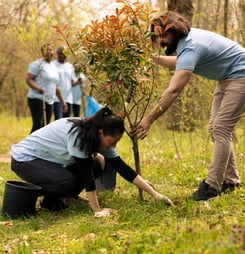
Celebrate National Love a Tree Day by planting a new tree, but do it in a way your future self will thank you for. The most common reason newly planted trees struggle is not bad luck; it is choosing the wrong tree for the wrong location or using a planting method that creates stress from the start.
Begin by considering the planting site. Overhead wires, underground utilities, sidewalks, septic systems, and building foundations all affect what size and type of tree will work. A small sapling can grow into a large, wide-canopied tree, so it helps to picture its full size rather than how it looks at the nursery.
Then think about species selection. Native trees often support local wildlife better than many ornamental varieties, and they are usually suited to local rainfall and soil conditions. Still, “native” does not always mean “easy.” The best choice is one that matches the exact conditions: sun or shade, wet or dry soil, wind exposure, and available space for roots and branches.
Planting technique matters more than most people realize. A few simple steps can greatly improve survival:
- Dig a hole that is wider than the root ball, not deeper. Planting too deep can suffocate roots.
- Locate the root flare, where the trunk widens at the base. This should sit at or slightly above soil level.
- Loosen circling roots if the tree is root-bound so they do not keep wrapping around as it grows.
- Water thoroughly after planting, then continue watering regularly while the tree establishes, especially during dry periods.
- Apply mulch in a wide, thin layer and keep it away from the trunk. A mulch “volcano” can trap moisture and cause damage.
For extra care, create a simple plan for the first few years. Young trees need deep watering, protection from lawn equipment, and patience. The goal is not instant results but a strong, healthy tree that will thrive on its own over time.
Visit a Park
Parks, greenways, and natural areas are like open-air tree galleries that require no ticket. Visiting a park can be active, like taking a long walk, or peaceful, like sitting under a canopy and enjoying the quiet.
To make it more engaging, turn it into a “tree noticing” experience. Look at differences in leaves, bark texture, branching patterns, and overall shape. Some trees have rough, deeply grooved bark, while others have smooth trunks that feel cool to the touch. Even in neatly planted areas, each tree grows differently, leaning toward light or forming knots where branches once were.
Focusing on trees also makes wildlife easier to spot. Tree cavities can shelter birds and small animals. Flowers attract pollinators. Nuts and seeds feed insects, squirrels, and birds. Even dead trees, when safe to leave standing, can serve as important habitats for woodpeckers, fungi, and other organisms.
For a mindful experience, try a slow “sit spot.” Pick a tree, sit nearby, and notice small changes: shifting light, rustling leaves, bird sounds, or the cooler air in the shade. It is a simple way to see trees as living systems rather than background scenery.
Host a Tree Trivia Night
A tree trivia night is a fun way to build appreciation while learning something new. It can be held at home, in a community space, or even outdoors if conditions allow.
Keep it interesting by mixing practical questions with surprising facts. A good set might include:
- Tree anatomy basics (what cambium does, how roots spread, how rings form).
- Identification clues (branching patterns, leaf shapes, bark types).
- Ecosystem roles (how trees prevent erosion, support pollinators, and affect water cycles).
- Cultural meaning (how trees appear in stories, art, and traditions).
- “True or false” facts (for example, not all evergreens are conifers, and not all conifers stay evergreen).
Add a hands-on element for extra fun. Use leaves, cones, seeds, or bark samples and ask participants to match them with descriptions. Keep it simple by offering choices instead of expecting exact species names.
Prizes can stay themed and useful. Seed packets, small plants, notebooks, or reusable bottles work well. Snacks can be playful too: trail mix, fruit, “acorn” cookies, or crunchy treats that feel squirrel-approved.
Make Tree Art
Creating tree-inspired art is a great way to slow down and observe details. Trees offer endless shapes and textures, and paying attention to them can deepen appreciation more than simply reading about their benefits.
Visual art can range from simple sketches of branches to detailed painted landscapes. Bark rubbings with crayons or charcoal are a classic way to compare textures. Leaf printing with paint can create beautiful patterns.
Writing and music also work well. A short poem, a forest story, or a playlist for a quiet walk under trees all count as creative celebration. The goal is to make the idea of trees personal and memorable.
For groups or families, a shared art project can be especially meaningful. Try creating a mural of leaves where each person writes one benefit of trees: shade, oxygen, wildlife habitat, fruit, beauty, or calm. It turns a big idea into something tangible and shared.
Why Celebrate National Love a Tree Day?
National Love a Tree Day works because trees are both ordinary and extraordinary. They are everywhere, yet complex enough to deserve real appreciation. Celebrating encourages people to notice their value and recognize them as essential to healthy environments and comfortable living spaces.
One key benefit is local climate regulation. Trees cool areas through shade and a process called transpiration, where water evaporates from leaves and lowers surrounding temperatures. This makes outdoor spaces more pleasant and reduces the need for artificial cooling. In windy areas, trees can also act as natural windbreaks.
Trees also improve soil health. Their roots help prevent erosion by holding soil in place, especially on slopes and near water. Fallen leaves break down into organic matter, improving soil structure and helping it retain moisture. Healthy soil supports more plants, which in turn support more wildlife.
Air quality is another important factor. Leaves can trap small particles, and trees absorb carbon dioxide as they grow. While a single tree cannot solve large environmental issues, widespread tree coverage contributes to broader solutions, especially when existing trees are preserved.
Biodiversity is perhaps the most fascinating benefit. A single tree can support a wide range of life, including insects, birds, fungi, moss, and microorganisms. Different tree species support different ecosystems, which is why diversity matters. A mix of trees also helps protect against pests and disease.
The day also encourages practical care. Loving trees means maintaining them. It involves avoiding damage to roots, providing enough water, and understanding that harmful practices like topping can weaken a tree. Even small changes, like leaving space around a trunk instead of mowing too close, can make a difference.
History of National Love a Tree Day
National Love a Tree Day developed from a growing awareness of the importance of trees. It emerged alongside wider conservation and environmental education efforts that encouraged people to see trees as living systems rather than simple background scenery.
As ecological knowledge grew, so did interest in celebrating nature through dedicated observances. Trees became a natural focus because they are visible in everyday life, and their benefits are easy to experience. A shaded street, a bird’s nest, or a quiet park all demonstrate their value.
The day also reflects the idea of setting aside time for shared attention and action. It is often part of National Love a Tree Week, which highlights a clear message: planting trees is good, caring for existing trees is better, and protecting mature trees is best. A full week allows for different activities, from education to hands-on projects.
Environmental groups have helped promote the observance by encouraging people to learn about tree species, plant wisely, and protect habitats. These efforts emphasize that trees are not all the same. Healthy tree systems require diversity, proper placement, and long-term care, especially in areas affected by development or environmental stress.
The observance also shows a shift in how communities view trees. Instead of being seen as decorative, they are now valued as important assets. Mature trees provide immediate benefits, while newly planted ones take years to reach the same level. This perspective encourages preservation, thoughtful planting, and better management practices.
Although it shares similarities with older traditions, National Love a Tree Day stands out for its personal approach. It focuses less on ceremony and more on connection.
It invites people to choose a tree, learn about it, and take one meaningful action, whether that is planting, watering, mulching, removing invasive plants, or advocating for better care. In this way, the day reflects an ongoing shift toward stewardship and long-term responsibility.
Trees That Quietly Cool and Protect the World
Trees do far more than make landscapes look beautiful. They actively shape the environment around us, from cooling cities and cleaning the air to stabilizing soil and preserving records of Earth’s climate.
These facts highlight just how powerful and essential trees are in supporting both nature and human life.
Trees That Quietly Cool and Clean Cities
Urban trees can lower neighborhood temperatures by several degrees and remove substantial amounts of air pollution each year. A U.S. Forest Service analysis estimated that trees and forests in the United States remove over 17 million tons of air pollutants annually, providing billions of dollars in health benefits by reducing asthma attacks, hospital admissions, and premature deaths linked to dirty air.
Tree Roots Help Prevent Deadly Landslides
Tree roots physically bind soil together, which can greatly reduce the risk of landslides on steep slopes.
Field studies in Europe and Asia have shown that forested hillsides are far more stable than neighboring deforested slopes during heavy rains, because roots increase soil shear strength and help water drain more slowly, acting as a living engineering system against erosion and slope failure.
Ancient Trees Store Centuries of Climate Data in Their Rings
Tree rings record yearly growth, and their thickness and chemistry preserve a detailed archive of past climate conditions.
Dendrochronologists have used rings from long‑lived species, such as bristlecone pines and European oaks, to reconstruct temperature and drought patterns going back thousands of years, helping scientists understand natural climate variability long before modern instruments existed.
Some Trees Can Survive for Millennia
Certain tree species are among the oldest known living organisms on Earth.
Individual bristlecone pines in California’s White Mountains exceed 4,800 years of age, and a clonal quaking aspen colony in Utah known as “Pando” is estimated to be thousands, possibly tens of thousands, of years old, illustrating how trees can persist across entire eras of human history.
Underground Fungal Networks Link Trees Into a “Social” Forest
In many forests, tree roots are interconnected by mycorrhizal fungi that exchange nutrients between species and transmit chemical signals.
Research has shown that older “hub” trees can funnel carbon and nitrogen through these fungal networks to shaded seedlings or stressed neighbors, suggesting that forests function as cooperative communities rather than just collections of individual trees.
Sacred Groves Preserve Biodiversity and Cultural Memory
Across parts of India, West Africa, and Europe, communities have traditionally protected “sacred groves” of trees due to religious or spiritual beliefs.
Studies show these sites often harbor rare plants, old-growth trees, and wildlife that have disappeared from surrounding landscapes. making them informal biodiversity reserves as well as living archives of local cultural and spiritual traditions.
Urban Street Trees Can Boost Mental Health
Exposure to everyday neighborhood trees is linked to measurable mental health benefits.
A large study in Toronto found that having just ten more trees on a city block was associated with residents reporting health and well‑being comparable to living in a higher‑income area or being several years younger, suggesting that even modest increases in tree cover can support psychological resilience in cities.