
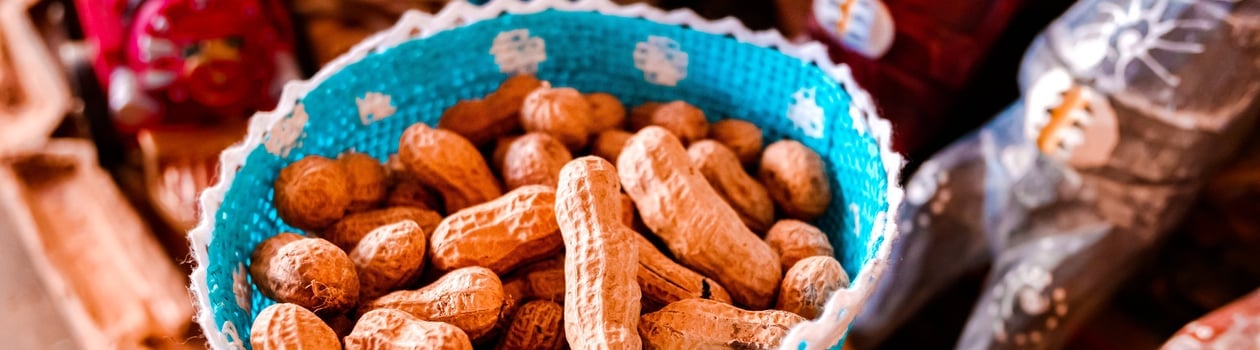
National Peanut Lovers Day is a delightful celebration honoring one of America’s favorite snacks and ingredients: the peanut.
This nutty occasion brings peanut enthusiasts together to indulge in everything peanut-related, from simple roasted nuts to rich peanut butter and even creative peanut-based dishes.
How to Celebrate National Peanut Lovers Day
If you’re ready to go a bit nuts on National Peanut Lovers Day, you’ll find tons of ways to celebrate with creativity and flavor. Here are some lively ideas to get into the peanut-loving spirit, each offering a tasty twist on the classic legume:
Host a Peanut Butter Taste-Off
Invite friends or family over for a peanut butter-tasting party. Bring a mix of crunchy, creamy, salted, and unsalted varieties.
Try comparing brands or even experimenting with flavors like honey-roasted or chocolate-infused peanut butter. Serve with an assortment of fruits, veggies, crackers, or even chocolate for dipping!
Craft a Peanut-Packed Recipe
Create a meal starring peanuts as the main ingredient. Try peanut-encrusted chicken, spicy Thai peanut noodles, or even a savory peanut soup.
Peanuts add richness and crunch, making them perfect for enhancing both main dishes and side recipes. This is a chance to test your kitchen skills and discover new flavors.
Make Homemade Peanut Brittle
Nothing says “peanut lover” like a batch of homemade peanut brittle. Combine sugar, butter, and roasted peanuts for a sweet, crunchy treat.
This classic candy is fun to make and keeps well, making it an ideal gift for other peanut fans. Plus, breaking the brittle into pieces adds an extra touch of fun.
Watch a Peanut-Themed Movie
Why not bring peanuts to movie night? Watch a peanut-centric or classic American flick while munching on roasted peanuts or popcorn tossed with a drizzle of peanut oil.
For added enjoyment, include peanut butter cups or chocolate-covered peanuts as movie snacks.
Share the Love with a Donation
Spread the peanut love by donating peanut butter or snacks to a local food bank. High in protein and energy, peanut butter makes a nutritious option for many families in need.
Celebrate the day by giving back and making sure others get to enjoy this healthy and versatile food.
Why Celebrate National Peanut Lovers Day?
As one of the most versatile foods, peanuts add flavor and fun to many treats, whether paired with chocolate or used as a crunchy topping.
For many, this day isn’t just about enjoying a snack; it’s a reason to embrace a timeless food that combines deliciousness with wholesome nutrients, making it easy to understand why people love peanuts so much.
Beyond taste, National Peanut Lovers Day highlights peanuts’ role in nutrition and culture. Packed with protein, fiber, and healthy fats, peanuts are a powerhouse food with benefits that can support heart health and sustained energy.
The day also celebrates how peanuts connect people, from family peanut-butter-making traditions to gatherings centered around peanut-inspired recipes.
History of National Peanut Lovers Day
National Peanut Lovers Day began in 1973 to celebrate the peanut’s unique place in American culture and kitchens.
This day is dedicated to everyone who enjoys peanuts in any form, whether roasted, salted, or ground into smooth or crunchy peanut butter. The holiday emphasizes both the cultural love of peanuts and their role as versatile food packed with flavor and nutrients.
Peanuts arrived in the United States centuries earlier and were initially cultivated in the southern states. Over time, technology made peanut farming easier, helping the crop expand nationwide.
This nutty legume then captured the public’s imagination through treats like peanut butter, which became a household staple by the early 20th century.
Peanut lovers around the world appreciate this day, celebrating the plant’s journey from a small Southern crop to a global favorite. Each year, it reminds us of the incredible growth in peanut-based products, from candies to cooking oils and so much more.
Facts About National Peanut Lovers Day
Peanuts Are Underground Fruit From A Legume
Botanically, peanuts are not true nuts but legumes in the pea and bean family, and their fruits develop underground in a process called geocarpy.
After the yellow flowers are pollinated, the flower stalk elongates and bends toward the soil, pushing the fertilized ovary into the ground where the pod matures, a rare adaptation among crop plants that helps protect seeds from many herbivores and environmental stresses.
An Ancient South American Crop With 7,000-Year Roots
Archaeological evidence from Peru shows that domesticated peanuts were being cultivated by at least 3,500–3,000 BCE, with even older wild remains suggesting use back to around 7,600 years ago.
From their origin in the eastern foothills of the Andes, peanuts spread along pre-Columbian trade routes across South and Central America, becoming an important staple long before Europeans encountered the plant.
A Global Traveler via Africa and the Atlantic Slave Trade
Although native to South America, peanuts became firmly established in West and Central Africa by the 16th and 17th centuries, where they were integrated into local farming systems and cuisines.
From there, enslaved Africans and European traders helped bring the crop to North America, and many historians credit African agricultural knowledge with shaping early peanut cultivation and dishes in the American South.
How Peanuts Helped Save Southern Soils
By the late 19th and early 20th centuries, cotton monoculture had severely depleted soils in the American South and boll weevil infestations devastated yields.
At Tuskegee Institute, agricultural scientist George Washington Carver promoted peanuts as part of a rotation system, showing that the legume’s nitrogen-fixing bacteria could help restore soil fertility while also providing farmers with a profitable alternative cash crop.
A Small Seed With Outsized Economic Impact
Peanuts are among the world’s most important oilseed crops, with global production exceeding 50 million metric tons per year, led by China, India, and Nigeria.
Beyond edible nuts and peanut butter, the crop supports entire value chains that include peanut oil, animal feed from high-protein press cake, and thousands of smallholder farming livelihoods in semi-arid regions where few other cash crops perform as reliably.
A Leading Cause of Severe Food Allergy and a Target for Prevention
Peanut allergy affects roughly 1 to 2 percent of children in many Western countries and is a leading cause of life-threatening anaphylaxis, yet about one in five affected children eventually outgrow it.
The landmark LEAP randomized trial showed that introducing peanut-containing foods to high-risk infants between 4 and 11 months of age reduced later peanut allergy by up to 81 percent, reshaping pediatric feeding guidelines worldwide.
National Peanut Lovers Day FAQs
How did peanuts become a staple in American cuisine?
Peanuts originated in South America and were introduced to North America in the 1700s.
Their popularity surged in the 19th century, thanks to figures like George Washington Carver, who promoted their versatility in various dishes.
Are there any unique peanut festivals around the world?
Yes, Dothan, Alabama, hosts the National Peanut Festival annually, celebrating the peanut harvest with parades, concerts, and agricultural displays.
What are some unusual peanut-based dishes enjoyed globally?
In West Africa, groundnut stew combines peanuts with meat and vegetables. In Thailand, spicy peanut sauce accompanies satay. In the U.S., peanut butter and bacon sandwiches offer a savory twist.
Is it true that peanuts can be transformed into diamonds?
Under extreme pressure, the carbon in peanut butter can form diamonds. Scientists have demonstrated this process, though it’s not practical for commercial use.
How did the term ‘goober’ become associated with peanuts?
‘Goober’ derives from ‘nguba,’ the Bantu word for peanut. This term traveled to the U.S. through the transatlantic slave trade and became colloquial for peanuts.
Are there any myths or superstitions related to peanuts?
Some baseball players believe that eating peanuts during a game brings good luck. Conversely, spilling peanuts in a theater is considered bad luck in some cultures.
How do different cultures incorporate peanuts into their traditional medicines?
In traditional Chinese medicine, peanuts are believed to nourish the spleen and lungs. In Ayurvedic practices, they are used to boost energy and improve digestion.
What role did peanuts play in space exploration?
Astronaut Alan Shepard brought a peanut to the moon during the Apollo 14 mission, symbolizing good luck. Peanuts have since become a NASA tradition during launches.
Are there any notable records involving peanuts?
The largest peanut butter and jelly sandwich weighed 1,342 pounds. It was made in Grand Saline, Texas, in 2010.
How do people with peanut allergies participate in National Peanut Lovers Day?
Some celebrate by enjoying peanut-free alternatives like sunflower seed butter. Others focus on raising awareness about food allergies and supporting research for treatments.



You may also like

National Peanut Butter Cookie Day
Celebrate National Peanut Butter Cookie Day by baking, sharing, and reinventing this classic treat, from simple three-ingredient cookies to creative variations.
National Peanut Butter Day
Spread this creamy, nutty treat far and wide, experiment with mouthwatering recipes or tuck into a classic peanut butter and jelly sandwich.
- Australia
- Canada
- United Kingdom
- and 1 more
National Peanut Butter Lovers Day
For those who simply adore this delicious food, it’s tons of fun to enjoy and celebrate everything to do with peanut butter.

I Love Reese’s Day
Celebrate I Love Reese’s Day by indulging in Reese’s treats, sharing candy with loved ones, getting creative with recipes, and honoring this iconic chocolate snack.
- Australia
- Canada
- United Kingdom
- and 1 more
National days and holidays on March 15 2027

National Groundwater Awareness Week
A vital resource, groundwater is a hidden treasure beneath our feet. Its protection is crucial for our future and the planet's.

Belarus Constitution Day
Belarus Constitution Day celebrates the country's legal foundation and honors the principles that guide its governance. It reminds people of the core values that unite them, emphasizing national unity, sovereignty, and citizens' rights. On this day, Belarusians reflect on the importance of their Constitution, which ensures social justice, political stability...

Benito Juarez Day
Why Benito Juárez Day still matters is tied to what he achieved during a time of conflict and change. He helped shape Mexico’s laws and pushed to limit the power of the military and the church in politics. His leadership supported equal rights and pushed for public education. Many saw...

International Teach Music Week
International Teach Music Week is a vibrant celebration that lights up every year's third week of March, and unites over 750 music schools and various organizations globally. They offer free 30-minute lessons to new students, encouraging everyone from kids to adults to explore the joy of music. It's a time when...
- Canada
- Italy
- Philippines
- and 4 more
Seize Every Day
Join free for personalised recommendations, email reminders and exclusive guides. Never miss a day.