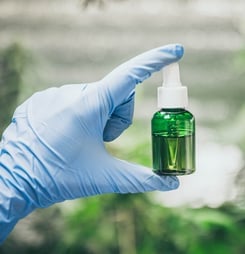

National Pet CBD Day exists to educate pet owners about using CBD safely and wisely for animal wellness.
It highlights how hemp-derived cannabidiol may ease pain, reduce anxiety, support mobility, and boost appetite in pets.
Experts stress the importance of choosing pet-specific, lab-tested, THC‑free products. They also recommend consulting veterinarians before starting CBD routines.
The day also sparks conversations around quality and trust. Pet owners learn to verify product sources and dosage levels.
They hear real stories of happier, calmer pets finding relief. This communal interest encourages better research and more informed choices. Overall, it turns curiosity into care, giving pets safer paths to comfort and joy.
National Pet CBD Day Timeline
First Identification of Cannabidiol
Chemist Roger Adams and his team at the University of Illinois report isolating a previously unknown, non-intoxicating compound from Cannabis sativa that would later be named cannabidiol (CBD).
Structure of CBD Is Clarified
Israeli chemist Raphael Mechoulam and colleagues elucidate the chemical structure of cannabidiol, laying the foundation for modern scientific study of CBD’s pharmacology and therapeutic potential.
Endocannabinoid System Confirmed in Mammals
Researchers cloning the CB1 receptor in rat brain help establish the presence of the endocannabinoid system in mammals, opening the door to understanding how cannabinoids might act in animals, including pets.
First Reports of Cannabinoids for Animal Pain
Early case reports and experimental work begin to describe the use of cannabinoids to manage pain and other symptoms in veterinary and laboratory animals, hinting at possible clinical applications for companion animals.
Pet Owners Begin Experimenting with CBD
As human CBD products spread online, news outlets document dog and cat owners informally trying hemp-derived CBD for anxiety, arthritis, and seizures in pets, well before formal veterinary guidelines exist.
U.S. Farm Bill Legalizes Hemp Cultivation
The Agriculture Improvement Act of 2018 removes hemp (cannabis with less than 0.3 percent THC) from the federal Controlled Substances Act, enabling a nationwide market in hemp-derived CBD products, including those marketed for pets.
First Controlled CBD Study in Arthritic Dogs
A Cornell University-led clinical trial finds that a hemp-derived CBD oil significantly reduces pain and increases activity in dogs with osteoarthritis, providing early peer-reviewed evidence for veterinary use.
How to Celebrate National Pet CBD Day
Here are some fun and safe ways to honor National Pet CBD Day with your furry friend:
Try a bite of oil under vet guidance
Offer pet-specific CBD treats or a few drops of organic oil.
Always check with a vet first. Experts warn about possible side effects like lethargy or upset stomachs.
Create a calm retreat
Set up a cozy corner with blankets and low lighting. Add CBD balm for paws or skin if needed. Topicals soothe irritated spots and promote comfort.
Make homemade treats
Whip up pet-safe biscuits and add measured CBD oil. Use simple, healthy ingredients. Many pet parents enjoy this baking idea for bonding.
Enjoy a mellow outdoor walk
Pick a quiet path and stroll at a gentle pace. Offer CBD chew beforehand to ease any travel stress. Quiet adventures help pets feel secure and calm.
Host a virtual sharing session
Invite friends online to swap pet wellness tips. Discuss reliable brands and dosage levels. Sharing real experiences builds trust and knowledge.
Track your pet’s comfort levels
Write down mood, appetite, and energy changes after CBD treats. Note any odd symptoms like undue tiredness or digestive issues. Monitoring helps refine future care.
History of National Pet CBD Day
National Pet CBD Day began in 2019, thanks to a pet wellness company called Innovet.
The founders, deeply moved by their dog Maximus’s struggle with cancer, created the day to spread awareness about CBD’s potential for easing pet discomfort.
After trying various treatments, they noticed CBD helped Maximus feel more relaxed and active during his final months. That personal experience sparked the idea to support other pet owners facing similar challenges.
They didn’t want families to feel lost or unsure about using CBD. So they picked April 21 as a yearly moment to talk about safe, pet-specific options and to encourage open conversation with veterinarians.
Since then, the day has grown steadily. More people now learn how CBD might help pets stay calm during loud storms, travel, or joint pain.
National Pet CBD Day also helps fight confusion around the topic. It pushes for better rules, proper dosing, and clear labeling.
Brands and veterinarians now join the effort by offering helpful tips, product samples, and research updates.
While some remain cautious, many pet parents now see this day as a helpful guidepost in their care journey. What began with one dog now reaches thousands of homes, giving owners more ways to support animal well-being.
Facts About National Pet CBD Day
Canine Epilepsy Is the First Condition With Controlled CBD Trial Evidence
In veterinary medicine, the strongest clinical evidence for CBD so far comes from dogs with drug‑resistant epilepsy.
A 2019 randomized, double‑blind, placebo‑controlled study at Colorado State University found that 89 percent of dogs receiving CBD oil had a reduction in seizure frequency compared with baseline, while the placebo group showed far less change, although not all dogs responded and larger trials are still needed.
CBD May Help Arthritic Dogs Move More Comfortably
One of the earliest peer‑reviewed trials on pet CBD looked at dogs with osteoarthritis.
Researchers at Cornell University reported in 2018 that twice‑daily oral CBD significantly decreased pain scores and increased activity, as measured both by veterinarians and owners, without serious adverse effects over four weeks, suggesting CBD may aid mobility in some arthritic dogs when properly dosed.
Most Veterinary CBD Use in the U.S. Is Technically “Off‑Label”
In the United States, the Food and Drug Administration has not approved any CBD products for animals, which means veterinarians who recommend CBD are advising the off‑label use of non‑approved products.
The FDA has repeatedly warned that many CBD pet products are marketed with unproven therapeutic claims and has tested items that contained much more or much less CBD than their labels stated.
Veterinarians Face Communication Barriers About CBD
Because CBD remains in a legal gray area, veterinarians’ ability to discuss it openly with clients varies by state.
The American Veterinary Medical Association notes that some state boards restrict vets from initiating conversations about cannabis‑derived products, even though surveys show many pet owners already give CBD on their own, which complicates efforts to ensure safe dosing and monitor side effects.
THC, Not CBD, Drives Most Cannabis Toxicity in Pets
Poison control data show that most cannabis‑related emergencies in pets are caused by tetrahydrocannabinol (THC), not CBD.
The ASPCA Animal Poison Control Center reports sharp increases in dog intoxications linked to edibles and marijuana plant material, with signs such as ataxia, dribbling urine, and low heart rate, and warns that even small amounts of THC can be dangerous for cats and dogs.
CBD Can Alter How Pets Process Other Medications
Early pharmacokinetic research in dogs shows that CBD can inhibit certain liver enzymes, particularly cytochrome P450 isoenzymes that metabolize many common drugs.
Studies from Colorado State University and other institutions have found that CBD may change blood levels of medications such as anticonvulsants, which is why veterinary researchers stress close monitoring and dose adjustments when CBD is added to an existing treatment plan.
Pet CBD Research Still Lags Behind Human Studies
Although CBD has been extensively studied in people for conditions like epilepsy and chronic pain, veterinary science is only beginning to catch up.
Reviews in journals such as Frontiers in Veterinary Science emphasize that most pet data come from small pilot trials, case reports, and owner surveys, and they call for larger, longer‑term, species‑specific studies before CBD can be considered a well‑established therapy for animal health problems.