
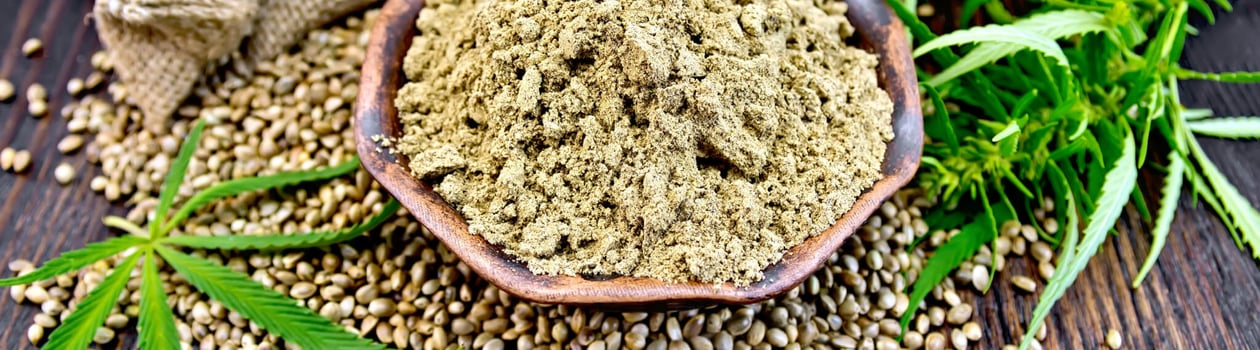
National Hemp Day is a lively celebration that spotlights hemp’s many uses and benefits. This special day brings attention to the versatility of this plant, which can be found in products ranging from textiles to health supplements.
The event aims to clear up common misunderstandings about hemp and highlight its positive impact on the environment and our daily lives.
What’s the Significance of National Hemp Day?
One major reason we celebrate National Hemp Day is to recognize hemp’s sustainable nature. This plant grows quickly, needs little water, and doesn’t require pesticides, making it an eco-friendly choice.
Hemp enriches the soil and can be used to produce biodegradable plastics, building materials, and more. It’s also packed with nutritional benefits, offering a rich source of protein, essential fatty acids, and minerals.
Moreover, National Hemp Day acknowledges the hardworking farmers and innovators who drive the hemp industry forward. By promoting hemp products and raising awareness, this day helps support those dedicated to sustainable agriculture and new hemp applications.
From eco-friendly clothing to hemp-based wellness products, the day encourages everyone to explore and appreciate the many gifts of this remarkable plant.
How to Celebrate National Hemp Day
Whip Up a Hemp Feast
Dive into the kitchen and get creative with hemp. From smoothies to salads, there’s a hemp recipe for everyone.
Experiment with hemp seeds, oil, or protein powder. Friends and family will love tasting your delicious dishes. Make it a day of culinary adventure!
Try Hemp Crafts
Feeling crafty? Hemp fibers can be woven into various items. Create jewelry, bags, or even a new pair of shoelaces. Gather some friends for a fun crafting session. Show off your handmade hemp creations with pride. The possibilities are endless and eco-friendly!
Host a Hemp-themed Party
Throw a party celebrating all things hemp. Decorate with hemp fabric, serve hemp-based snacks, and educate guests about hemp’s benefits.
Include fun activities like a hemp trivia quiz. Your party will be both educational and entertaining, and everyone will leave with a newfound appreciation for hemp.
Support Local Hemp Businesses
Explore and support local stores selling hemp products. From clothing to cosmetics, hemp is everywhere. Purchase something new and spread the word about the shop.
This boosts local business and promotes sustainable living. It’s a win-win for everyone involved.
Plant Hemp Seeds
Got a green thumb? Plant some hemp seeds in your garden. Watch them grow and learn about hemp cultivation. It’s a rewarding and educational experience. Plus, you’ll have fresh hemp to use in your kitchen or crafts. Grow green and live green!
National Hemp Day offers a plethora of exciting ways to celebrate. Whether cooking, crafting, or gardening, everyone can join the fun. By engaging with hemp, you support sustainability and innovation. Let’s make this National Hemp Day the best one yet!
National Hemp Day Timeline
Early Hemp Use in East Asia
Archaeological finds from Neolithic sites in China and Taiwan show hemp fibers impressed in pottery, indicating some of the earliest known human use of the plant for cordage and textiles.
Hemp Enters Recorded Chinese Medicine and Texts
Ancient Chinese pharmacopeias and historical records describe hemp (ma) as a source of fiber, food, and medicine, reflecting its integration into agriculture and daily life over many centuries.
Hemp as a Sacred Plant in India
The Hindu text Atharvaveda lists cannabis/hemp among sacred plants, documenting its ritual and medicinal use in ancient India and establishing a long cultural association with well‑being.
Hemp Cultivation in Colonial North America
English colonists introduced hemp to North America, where it became an important crop for making rope, sailcloth, and cordage needed for shipping and maritime trade.
Marihuana Tax Act Restricts Cannabis, Including Hemp
The U.S. Marihuana Tax Act imposed strict regulation and tax burdens on all cannabis varieties, effectively curbing commercial hemp production despite its industrial uses.
“Hemp for Victory” Revives U.S. Hemp Farming
During World War II, the U.S. Department of Agriculture released the film “Hemp for Victory,” urging farmers to grow hemp again for naval rope, twine, and other wartime fiber needs.
U.S. Farm Bill Federally Legalizes Industrial Hemp
The Agriculture Improvement Act of 2018 removed hemp (cannabis with ≤0.3% THC) from the Controlled Substances Act, creating a national framework for licensed cultivation and sparking rapid growth of the modern hemp industry.
History of National Hemp Day
National Hemp Day began in 2019, thanks to the efforts of cbdMD. The company wanted to highlight hemp’s benefits and versatility.
They saw a need to raise awareness about this remarkable plant and its many uses. This day also aims to support the farmers and innovators who work with hemp every day.
The 2018 Farm Bill played a crucial role in making National Hemp Day possible. This bill legalized the production and distribution of hemp at the national level.
It marked a significant change, allowing more people to explore and use hemp-based products, which range from CBD oil to eco-friendly building materials.
By celebrating National Hemp Day, we recognize hemp’s positive impact on the environment and our lives. The day encourages everyone to learn more about hemp and its various applications.
From textiles to health supplements, hemp offers sustainable solutions and promotes a greener future. This celebration continues to grow, bringing more attention to the benefits of this versatile plant.
Facts About National Hemp Day
National Hemp Day highlights the long, surprising, and often misunderstood history of hemp—a plant that has played a crucial role in human civilization for thousands of years. From ancient textiles and rope to modern uses in sustainable construction, nutrition, and eco-friendly products, hemp has been valued for its strength, versatility, and environmental benefits. Today, National Hemp Day invites people to learn the facts behind the plant, separate myth from reality, and explore how hemp is shaping conversations around sustainability, agriculture, and innovation in the modern world.
Ancient Chinese Texts Describe Hemp as a Staple Fiber and Food
In ancient China, hemp was considered so important that classical texts like the “Shennong Ben Cao Jing” and later agricultural treatises described it as both a key fiber crop and a common food, with farmers growing it for textiles, rope, and its oil- and protein-rich seeds.
Hemp Paper Helped Transform Early Writing Technologies
Hemp fibers were among the first materials used to make true paper in China around the 2nd century BCE, and analyses of early Chinese paper fragments show hemp as a major component, helping replace heavier bamboo and silk as writing media and making written records more affordable.
Industrial Hemp and Carbon Footprint: Often Close to Carbon-Neutral
A 2024 life-cycle assessment in the journal Frontiers in Environmental Science found that outdoor-grown hemp grain can have its cultivation emissions largely offset by carbon stored in plant residues and soil, with modeled scenarios showing up to –2.07 metric tons of CO₂ per hectare per year when residues are retained, making hemp potentially carbon-neutral or carbon-negative in diversified systems.
Hemp’s Deep Roots Can Improve Soil for the Next Crop
Agronomic studies in Europe report that hemp’s deep, fibrous root system improves soil structure, reduces erosion, and can increase yields of following crops such as wheat by around 10–20% when used in rotation, making it attractive for regenerative farming systems.
Modern Hempcrete Walls Store Carbon and Regulate Indoor Humidity
“Hempcrete,” a biocomposite made from hemp hurd and lime, has been shown in building science studies to sequester carbon over its curing period, while its high vapor permeability and thermal mass help stabilize indoor humidity and temperature, reducing energy needs in low-rise construction.
Hemp Fibers Offer High Strength-to-Weight for Composites
Materials research comparing plant fibers finds that hemp fibers have a tensile strength that can exceed 500 MPa with relatively low density, allowing them to replace glass fibers in some composite applications such as automotive interior panels, reducing component weight and improving recyclability.
Nutritionally, Hemp Seeds Rival Common Oilseeds
Analyses of hempseed composition show that the dehulled seeds typically contain around 30–35% fat, 20–25% protein, and a favorable omega-6 to omega-3 ratio of roughly 3:1, along with significant amounts of arginine and essential minerals, putting them nutritionally on par with, or superior to, many traditional oilseeds.
National Hemp Day FAQs



You may also like

Weedless Wednesday
Weedless Wednesday is a special day encouraging smokers to take a break from cannabis for 24 hours. This event, part of National Non-Smoking Week, aims to boost awareness about the health risks linked to the use of marijuana. It’s a chance for smokers and other marijuan users to experience the immediate benefits...
- Canada
- United Kingdom
- United States

National Medical Cannabis Week
National Medical Cannabis Week is here. Are you ready to weed between the lines and discuss the high points of medical marijuana? It is a week of breaking down barriers to medically necessary cannabis use. This week also means showing that the grass might actually be greener when people in...
National Hemp Month
Harnessing the versatile properties of a sustainable plant to create eco-friendly products for various industries and applications.
- United States

National Pet CBD Day
National Pet CBD Day exists to educate pet owners about using CBD safely and wisely for animal wellness. It highlights how hemp-derived cannabidiol may ease pain, reduce anxiety, support mobility, and boost appetite in pets. Experts stress the importance of choosing pet-specific, lab-tested, THC‑free products. They also recommend consulting veterinarians before...
- United States
National days and holidays on February 4 2027

USO Day
USO Day is a special occasion that spotlights the United Service Organizations (USO) and its long-running mission: helping service members and their families feel supported, connected, and a little more at home wherever duty takes them. At its heart, the USO is about morale. That can sound abstract until it becomes...
- Afghanistan
- Iraq
- Italy
- and 4 more
National Wicker Day
National Wicker Day is a delightful celebration of the art and craft of wicker weaving. It spotlights an approach to making that is both practical and charming: taking flexible strands and weaving them into objects that are sturdy enough for everyday life and handsome enough to be displayed. From picnic...
- Australia
- Canada
- United Kingdom
- and 1 more

Torture Abolition Day
Torture Abolition Day is a significant occasion dedicated to ending torture and supporting its victims. It creates space for public attention on a topic that is often hidden behind prison walls, conflict zones, and closed-door interrogations, even though its effects ripple far beyond any single incident. People from all walks of...
- United States

Time to Talk Day
Time to Talk Day is an annual event that encourages open conversations about mental health. It focuses on breaking the silence surrounding mental health struggles by inviting people to share how they feel with others. From casual chats with friends to deeper discussions within families and workplaces, the day highlights...
- United Kingdom
Seize Every Day
Join free for personalised recommendations, email reminders and exclusive guides. Never miss a day.