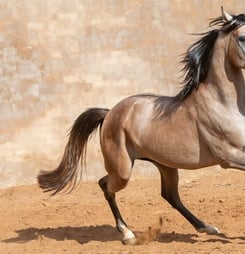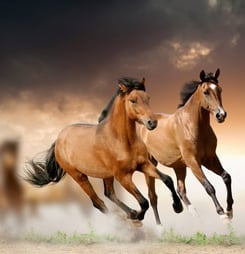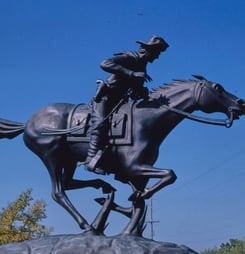
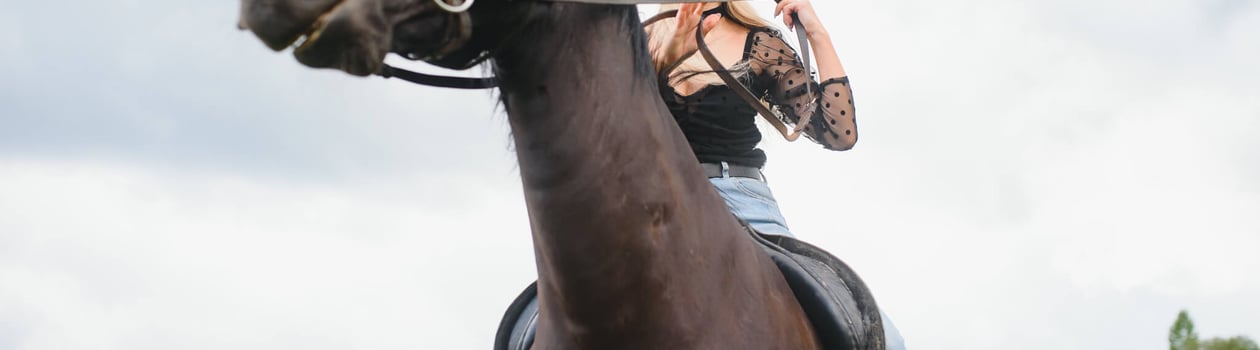
National Ride Your Horse to a Bar Day encourages horse enthusiasts to saddle up and trot to their local bar for a drink. The idea is simple: saddle up, ride your horse to a local bar, and enjoy a drink.
This fun day is perfect for those who want to mix their love for horses with a bit of social time — bringing a touch of the Old West to the present and making for an exciting and memorable experience!
National Ride Your Horse to a Bar Day Timeline
Early Laws Regulate Tavern Hospitality and Travel
The Duke of York’s Laws for the American colonies begin formally regulating taverns, requiring licenses and setting rules for serving travelers who typically arrive on horseback.
Colonial New Jersey Targets Drunkenness at Taverns
New Jersey’s General Assembly passes a law fining drunkenness in and around taverns, an early attempt to control alcohol use where horses, travelers, and public houses meet.
Taverns Become Hubs for Horseback Travelers in North America
Across colonial North America, taverns develop as multipurpose inns offering food, drink, lodging, and stabling for horses, anchoring social life for riders on long journeys.
New England Tightens Tavern Rules on the Sabbath
Reformers push strict laws that fine tavern keepers for serving locals or new arrivals on Sundays, reflecting growing regulation of drinking in establishments that serve horseback travelers.
“Drunk in Charge of a Horse” Becomes a Crime in Britain
The United Kingdom’s Licensing Act of 1872 makes it illegal to be drunk while in charge of a horse, signaling concern for public safety where animals, roads, and drinking venues intersect.
Modern Horse‑Friendly Pub Welcomes Riders and Mounts
An English country pub gains attention for catering to equestrians, serving drinks to riders while offering a Guinness for their horses, echoing the historical link between inns and mounted visitors.
Annual Tradition Leads a Horse Through a British Pub
In Rudgwick, England, locals uphold a festive custom of leading a horse through the Fox Inn’s bar, preserving a historic bridleway right and keeping the horse‑and‑pub connection alive.
How to Celebrate National Ride Your Horse to a Bar Day
The day’s main activity involves riding a horse to a bar and enjoying a drink. This is an appreciation of cowboy culture, where riding to the saloon was a common end to a hard day’s work.
This celebration combines nostalgia, adventure, and a love for these majestic animals with some of these ideas:
Saddle Up and Ride
First and foremost, dust off that saddle and ride to your favorite local bar. A leisurely ride through town to a favorite watering hole can be an exhilarating experience.
This simple yet thrilling activity is the essence of the day, combining a love for horses with a fun outing.
Dress the Part
Channel your inner cowboy or cowgirl by donning some classic western attire. Think boots, a stylish hat, and a sturdy belt.
Embracing the old-school western look adds an extra layer of fun to the day. You’ll feel like you’ve stepped back in time to the Wild West.
Host a Riding Party
Invite friends who share a love for horses to join in on the fun. Organize a small group to ride together to a bar.
This group activity not only enhances the experience but also ensures safety and enjoyment for everyone involved. Plus, it’s always more fun with friends.
Take Photos and Share
Capture the day with plenty of photos and videos. Share these moments on social media to spread the joy and use hashtags to connect with others celebrating across the country.
This also helps to document and remember the unique day!
Enjoy a Themed Drink
Once at the bar, ask for a special themed drink to toast the day. Some bars might even create a custom cocktail for the occasion.
Whether it’s a classic whiskey or a refreshing mocktail, savoring a special drink adds to the fun!
It also sparks interesting conversations and social interactions at bars, as patrons often show curiosity about the horses and their riders.
Reasons for Celebrating National Ride Your Horse to a Bar Day
This event offers a refreshing way to spend time with friends and family. Riding together creates a special bond and provides an opportunity to share a unique experience.
Additionally, it’s a great conversation starter. People at the bar often show interest in the unusual sight, leading to fun interactions and stories. This makes the day not just about the ride but also about social connection and enjoyment.
Moreover, this day celebrates the love and admiration for horses. These majestic animals have a long history with humans, and this day highlights that special relationship.
Taking your horse to a bar allows you to show off your horse while giving it a chance to explore the town. It’s a fun way to break the routine and add some excitement to both your life and your horse’s day.
History of National Ride Your Horse to a Bar Day
National Ride Your Horse to a Bar Day is a recent addition to the calendar, first established in 2021.
Dale Garwood, a horse enthusiast, founded this unique day with an aim to blend the love for horses with a fun social activity — bringing the spirit of the Old West into modern times.
Garwood’s idea caught on quickly, encouraging people to saddle up and ride to their local bars. This day celebrates the joy of horseback riding while providing a novel way to spend time with friends and family.