National Vet Girls ROCK Day
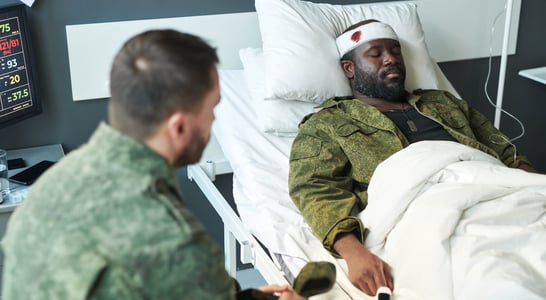
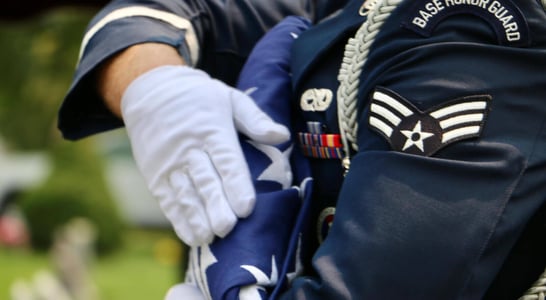
National Vet Girls ROCK Day is a special occasion that celebrates the contributions of women veterans in the U.S. military.
These women have served bravely and made significant sacrifices for the country. The day reminds us to honor their dedication and the unique challenges they face both during and after their service.
By celebrating their achievements and highlighting their needs, the day helps foster a more inclusive and supportive environment for all veterans.
National Vet Girls ROCK Day Timeline
1917
First Woman Enlists in U.S. Navy
Loretta Perfectus Walsh becomes the first woman to enlist as a petty officer in the U.S. Navy, marking the first time American women serve in the armed forces in a non-nurse capacity.
1948
Women’s Armed Services Integration Act Signed
President Harry S. Truman signs the Women’s Armed Services Integration Act, granting women permanent, regular status in the U.S. armed forces and access to veterans benefits for the first time.
1976
Women Admitted to U.S. Service Academies
Congress opens the U.S. service academies, including West Point, the Naval Academy, and the Air Force Academy, to women, creating a new pathway to leadership and future veteran status.
1994
VA Center for Women Veterans Established
The Department of Veterans Affairs creates the Center for Women Veterans to advocate for female veterans and ensure their health care, benefits, and services address gender-specific needs.
1994
Direct Ground Combat Assignment Rule Issued
The Department of Defense issues the Direct Ground Combat Definition and Assignment Rule, formally restricting women from assignment to units whose primary mission is direct ground combat.
2013
Ban on Women in Ground Combat Rescinded
Defense Secretary Leon Panetta and Gen. Martin Dempsey rescind the 1994 Direct Ground Combat Rule, directing the services to open combat roles to women or request specific exceptions.
2015
All Combat Jobs Opened to Women
Defense Secretary Ash Carter announces that all combat jobs in the U.S. military, including infantry and special operations roles, are open to women, transforming the future composition of women veterans.
How to Celebrate National Vet Girls ROCK Day
The celebration is also about building a community among women veterans. It provides a platform for them to support each other, share resources, and create strong bonds.
Many women veterans face difficulties transitioning back to civilian life, and this day encourages them to connect and find the camaraderie they often miss after leaving the military.
It’s a day for sharing stories, offering support, and empowering each other to overcome post-service challenges.
Host a Virtual Meetup
Celebrate National Vet Girls ROCK Day by hosting a virtual meetup. Invite women veterans to share their stories. Use platforms like Zoom or Google Meet. Make it fun with themed backgrounds and snacks.
Send a Surprise Gift
Show appreciation by sending surprise gifts to women veterans. Consider items like a cozy blanket, a book, or a care package. A handwritten note adds a personal touch. This small gesture can brighten their day.
Organize a Social Media Shoutout
Celebrate online with a social media shoutout. Post photos and stories of women veterans you know. Use hashtags to spread the word and encourage others to do the same.
This helps raise awareness and show support.
Donate to Veteran Organizations
Consider donating to organizations that support women veterans. Contributions can make a big difference.
Look for groups that provide resources and assistance specifically for female vets. Your donation helps fund important programs.
Plan a Fun Outdoor Activity
Plan an outdoor activity like a picnic or hike. Invite women veterans in your community. Enjoy nature, fresh air, and good company. This can be a relaxing way to connect and celebrate together.
Write Letters of Appreciation
Gather friends and family to write letters of appreciation. Send these letters to women veterans. Express gratitude for their service and sacrifices. Personalized letters can be very meaningful and uplifting.
Create a Local Support Group
Start a local support group for women veterans. Hold regular meetings to share experiences and provide mutual support. This can help build a strong community network.
History of National Vet Girls ROCK Day
National Vet Girls ROCK Day began in 2017. Vet Girls ROCK, an initiative under Active Veterans With Answers, was founded on this special day to honor and support women veterans. These women have served bravely and often face unique challenges after their service.
The idea for this day came from recognizing the need for more support and recognition for female veterans.
Many women who served in the military struggled to find resources and community after returning to civilian life. This day helps raise awareness about their contributions and the issues they face.
By celebrating National Vet Girls ROCK Day, people can show appreciation for the sacrifices of women veterans. It also helps create a stronger support network for them. Events and activities on this day encourage women veterans to connect, share their experiences, and find the support they need.
Celebrating these women highlights their strength and commitment and the importance of recognizing their efforts.
National Vet Girls ROCK Day aims to raise awareness about the issues women veterans encounter. These include physical and mental health challenges, financial struggles, and the need for better integration into civilian life.
The day promotes understanding and action to address these issues, ensuring that women veterans receive the recognition and support they deserve.
Facts About National Vet Girls ROCK Day
Women Now Make Up More Than One in Six U.S. Service Members
Women are a minority in the U.S. armed forces but a rapidly growing one: in 2021 they accounted for about 17 percent of active-duty personnel and 21 percent of the National Guard and Reserve.
The Department of Defense projects that women will comprise an increasing share of both the veteran and active-duty populations in coming decades, which is already reshaping policies on uniforms, equipment, family leave, and career progression.
Women Veterans Are More Likely Than Civilian Women to Have Served in Combat
Contrary to the old assumption that women were kept far from the front lines, post‑9/11 women veterans report high levels of deployment and combat exposure.
A large VA survey of Iraq and Afghanistan–era veterans found that women were almost as likely as men to report combat or war-zone exposures, which strongly correlates with higher risks of posttraumatic stress disorder, depression, and chronic pain after leaving service.
Military Sexual Trauma Affects About One in Three Women Using VA Care
Military Sexual Trauma (MST) is a major, often hidden, health issue for women veterans. The Department of Veterans Affairs reports that about 1 in 3 women who use VA healthcare say they experienced sexual assault or repeated, threatening sexual harassment during military service.
MST is linked to PTSD, depression, substance use, and chronic physical conditions, and VA is required by law to provide free MST-related care, even for veterans who are not otherwise service‑connected.
Women Veterans Face Higher Risks of Homelessness Than Veteran Men
Although they are a smaller share of the veteran population, women veterans are disproportionately affected by housing instability.
A large study using VA and Housing and Urban Development data found that women veterans were significantly more likely than male veterans to experience homelessness, even after adjusting for factors like income and mental health.
Contributing factors include single parenthood, intimate partner violence, and limited access to affordable housing near military bases and job centers.
The VA Has Built Dedicated Women’s Health Clinics in Most Major Facilities
Recognizing that women’s health needs were often an afterthought in systems designed around men, the VA created comprehensive Women’s Health Centers and designated Women’s Health Primary Care Providers.
As of the mid‑2020s, nearly all VA medical centers and many large community clinics have dedicated women’s spaces that provide gender‑specific primary care, gynecology, maternity coordination, and mental health services in one location, aiming to make care more accessible and less fragmented for women veterans.
Cardiovascular Disease Is a Leading Health Threat for Women Veterans
While PTSD and MST receive much public attention, heart disease quietly represents a major health risk for women who served.
Research from the VA has shown that women veterans, particularly those with PTSD or depression, have higher rates of hypertension, coronary artery disease, and stroke compared to civilian women.
Chronic stress, sleep problems, and service‑related exposures can all contribute, so VA clinical guidelines now emphasize screening and early management of cardiovascular risk in women veterans.
Women Veterans Are More Likely to Use Mental Health Care Than Male Veterans
Women who have served are more apt than their male counterparts to seek professional help for mental health concerns through the VA.
Analyses of VA utilization data show that women veterans use outpatient mental health and primary care at higher rates than men, and they are more likely to engage in evidence‑based treatments for PTSD and depression once enrolled.
This pattern suggests both a higher burden of trauma and a greater willingness to seek support, which has informed VA outreach and program design.
National Vet Girls ROCK Day FAQs
What unique challenges do women veterans often face when they leave the military?
Women veterans commonly report difficulties translating military skills into civilian jobs, finding employers who understand their experience, and rebuilding social networks outside of the ranks.
Research also shows elevated risks of post-traumatic stress disorder, depression, and Military Sexual Trauma, along with higher rates of homelessness and financial stress compared with many male veterans.
Limited child care, lack of women-specific health services, and feeling invisible within mixed-gender veteran spaces can make the transition even harder.
How is health care for women veterans different from what male veterans typically need?
Women veterans generally require a broader range of reproductive and gender-specific services, including contraception, pregnancy care, menopause management, and screening for breast and cervical cancers.
They also experience higher rates of conditions such as depression and anxiety and are more likely to have experienced Military Sexual Trauma.
The Department of Veterans Affairs has expanded women’s health clinics and designated women’s health providers to address these distinct needs, but access and consistency of services still vary by location.
Why do some women veterans feel reluctant to identify themselves as veterans?
Many women who served say they are not recognized as veterans because of public assumptions that “veteran” means “male” or combat infantry.
Some were told their roles were “support” rather than “real military,” which can undermine their sense of belonging. Others may associate the term “veteran” with trauma or do not want to revisit difficult experiences.
As a result, some women downplay or avoid the label, which can lead them to miss out on benefits, community, and recognition.
How does military service affect the long-term careers of women veterans?
Military service can equip women veterans with leadership, problem-solving skills, and technical training that are valuable in civilian careers.
At the same time, gaps in employment due to deployments, frequent moves, or caregiving responsibilities can disrupt career progression.
Some women report bias from employers who misunderstand military experience or question the relevance of their service. Targeted career counseling, mentoring, and veteran-friendly hiring programs can help bridge these gaps.
Are women veterans at higher risk of homelessness than other women?
Studies in the United States show that women veterans are more likely to experience homelessness than nonveteran women, even after accounting for factors like income and education.
Contributing issues include trauma, mental health conditions, lack of affordable housing, single parenthood, and limited social support.
In response, federal and local programs have expanded housing vouchers and case management that are tailored to women and families, though demand still exceeds available resources in many areas.
What kinds of support networks are most helpful for women veterans?
Women veterans often benefit from peer support groups where they can speak openly with others who share similar experiences of service, deployment, and transition.
Many prefer women-only spaces for discussing topics like harassment, Military Sexual Trauma, or balancing service with motherhood. Effective networks typically combine social connection with practical help, such as guidance on VA benefits, mental health care, employment, and child care resources.
Online communities can also provide connection for those far from in-person services.
Do women veterans use mental health services differently from male veterans?
Research indicates that women veterans are more likely than male veterans to seek mental health care, especially for depression, anxiety, and trauma-related conditions.
However, they may delay care if they anticipate stigma, worry about being believed when disclosing harassment or assault, or cannot find child care or women-sensitive providers.
When services are offered in women-only clinics or groups and delivered by clinicians trained in gender-specific issues, engagement and treatment outcomes tend to improve.
Also on ...
View all holidays
International Tug of War Day
Two teams fiercely pull a rope in opposite directions in this exciting competition that has been around for centuries.


We think you may also like...
D-Day
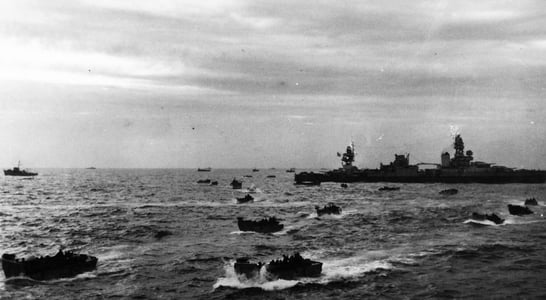
On this day, Allied forces launched a massive invasion of Normandy, France during World War II, resulting in a pivotal victory that helped turn the tide of the war.