
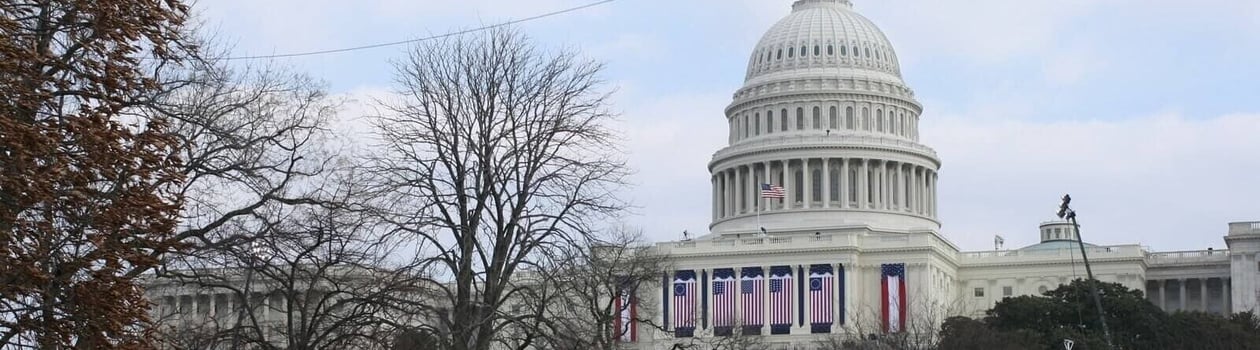
Old Inauguration Day recalls a time when presidential inaugurations followed a different rhythm. For over 140 years, leaders took office later in the year, creating a lengthy period between the election and the swearing-in ceremony.
This delay gave a new administration time to prepare, but it also meant that the country had to wait months for fresh leadership, even during moments of crisis.
The day embodies the spirit of earlier times when travel was slow and communication relied on letters and newspapers. It stands as a reminder of how far we’ve come in modernizing the transfer of power.
The shift away from this traditional day came with the “Lame Duck Amendment,” which aimed to tighten the gap between election and inauguration. This change shortened the period during which outgoing officials, especially those who had lost reelection, retained authority without accountability to voters.
The old date marked not just the start of a new administration but also the close of a season when uncertainty could linger too long.
Today, Old Inauguration Day remains a historical marker, highlighting how the timing of governance has evolved to meet the needs of a changing nation.
Old Inauguration Day Timeline
Congress Sets March 4 as Start of New Government
The Confederation Congress resolves that the new federal government under the Constitution will begin operations on Wednesday, March 4, 1789, unintentionally fixing March 4 as the standard start date for presidential and congressional terms.
First March 4 Presidential Inauguration
George Washington’s second inauguration is held at Congress Hall in Philadelphia, marking the first time a president takes the oath on March 4 and beginning the long tradition of March 4 inaugurations.
Succession Act Codifies March 4 Terms
Congress passes the Presidential Succession Act of 1792, which formally establishes that presidential and vice‑presidential four‑year terms begin on March 4 following the election, cementing March 4 in federal law.
First Inauguration in Washington, D.C.
Thomas Jefferson is inaugurated at the new Capitol in Washington, D.C., shifting the presidential swearing‑in from Philadelphia to the permanent federal city and beginning the Capitol’s central role in inaugural ceremonies.
Jackson’s Crowded Inaugural Highlights Popular Politics
Andrew Jackson’s inauguration draws an enormous popular crowd to Washington, with celebrants overrunning the White House reception and symbolizing how March 4 inaugurations had become mass public events in American democracy.
Twentieth Amendment Changes Inauguration Date
The states ratify the Twentieth Amendment, moving the start of presidential terms from March 4 to January 20 and shortening the long lame‑duck period that had left the nation waiting months for newly elected leadership.
First January 20 Presidential Inauguration
Franklin D. Roosevelt takes the oath for his second term on January 20, 1937, becoming the first president inaugurated under the new constitutional timetable and definitively ending March 4 as Inauguration Day.
How to Celebrate Old Inauguration Day
Old Inauguration Day offers a quirky glimpse into the past, so why not celebrate it in unique ways? Here are some fun suggestions to help you mark the occasion and bring a bit of history into the present.
Host a Historical Watch Party
Gather some friends and relive the past by watching old inauguration ceremonies. Many past events are available online, showcasing speeches, parades, and the different ways leaders were welcomed into office.
Bring out snacks and drinks, and turn it into a lively discussion about how inaugural traditions have changed.
Visit an Inaugural Landmark
Step into history by visiting one of the sites where early presidents took the oath of office, such as Federal Hall in New York City or Congress Hall in Philadelphia.
Exploring these historic places offers a firsthand look at where the nation’s leaders began their terms. It’s like taking a mini road trip back in time.
Hold a Presidential Trivia Night
Challenge friends and family to a night of presidential trivia, focusing on past inaugurations and the “Old Inauguration Day” tradition.
Create categories like “Memorable Speeches,” “Inaugural Fashion,” or “Who Took the Oath Where?” This playful approach will get everyone learning and laughing along the way.
Recreate a Vintage Menu
Why not celebrate like it’s the 1800s? Research inaugural banquet menus from the 19th century and cook up some dishes that might have been served during early ceremonies.
Think roasted meats, hearty stews, or even a classic punch. Dress in vintage-inspired attire to complete the experience.
Share Historical Facts Online
Get Social! Post intriguing facts about Old Inauguration Day on your favorite platform, or share a little-known story from an old inauguration.
Use hashtags to join the conversation and inspire others to learn about this often-overlooked part of history.
History of Old Inauguration Day
Old Inauguration Day began in the early days of the United States, starting with George Washington’s second swearing-in. Washington took the oath of office on this day in 1793, setting the tradition of inaugurating presidents in March.
Before this, his first ceremony happened in April 1789, as the government took longer to organize. The choice of March 4 became official when Congress specified it as the start of new presidential terms.
Back then, the long gap between the election and the inauguration allowed time for election results to be finalized and for new leaders to travel to the capital.
This made sense in a time when communication was slow, and roads were often rough. For over 140 years, leaders began their terms in early March, with the oath-taking place at noon, no matter the weather.
However, the long wait sometimes caused problems. The country often had to cope with an extended “lame duck” period, when outgoing presidents still held office but lacked full authority.
This was especially difficult during national emergencies or economic troubles. The delay meant new leaders couldn’t act quickly to address urgent issues.
In 1933, the Twentieth Amendment changed things. It moved Inauguration Day to January to shorten the waiting period and speed up the transition of power. This change aimed to reduce the time when a president with less influence remained in office, creating a smoother transfer.
Today, Old Inauguration Day serves as a reminder of a different era. It reflects how the nation once managed leadership changes and adapted as times changed.
Facts About Old Inauguration Day
A Date Chosen for Practical, Not Symbolic, Reasons
March 4 was not picked for any lofty symbolic meaning. The Confederation Congress simply resolved that the new federal government under the Constitution would begin on “the first Wednesday in March” of 1789, which happened to be March 4.
That administrative choice, meant to give states time to organize elections and send representatives, accidentally locked in the country’s inauguration schedule for nearly a century and a half.
How Harsh Weather Delayed the Very First Transfer of Power
Although March 4, 1789, was the official start date of the new government, the first presidential inauguration did not happen that day.
Deep winter snows and poor roads kept many members of Congress from reaching New York City, so they could not count electoral votes in time. As a result, George Washington did not take the oath until April 30, 1789, a full eight weeks after the constitutional start of the government.
Sunday Inaugurations Created Awkward Constitutional Workarounds
When March 4 fell on a Sunday in 1821, 1849, 1877, and 1917, officials had to improvise to respect both constitutional timing and religious sensibilities.
James Monroe and Zachary Taylor delayed public ceremonies to Monday, while Rutherford B. Hayes and Woodrow Wilson quietly took private oaths before or on Sunday and then repeated them in public the next day, illustrating how rigid term dates could clash with social and religious norms.
The Longest Transition Magnified the Great Depression’s Panic
The 1932 election produced one of the most dangerous lame duck stretches in U.S. history. After Franklin D. Roosevelt defeated Herbert Hoover in November, the banking system continued to collapse while the new president waited until March 4, 1933, to take office.
By inauguration day, most states had closed their banks, and the crisis convinced many reformers that a four‑month delay between election and inauguration was untenable in a modern economy.
The Twentieth Amendment Quietly Rewrote the Political Calendar
Ratified on January 23, 1933, the Twentieth Amendment moved the start of presidential terms to noon on January 20 and congressional terms to January 3.
This small calendar shift had large effects: it shortened the lame duck period by roughly six weeks, ensured the new Congress would convene before the presidential inauguration, and created a detailed backup plan for what happens if a president‑elect dies or fails to qualify before taking office.
A Nebraska Senator Spent a Decade Fighting Lame Duck Power
The push to abandon March 4 was driven largely by Senator George Norris of Nebraska, who introduced versions of the “lame duck” amendment repeatedly through the 1920s.
He argued that allowing defeated lawmakers and presidents to wield full power for months after voters had rejected them was undemocratic. Only after years of gridlock, and in the shadow of the Depression, did Congress and the states finally embrace his proposal in the form of the Twentieth Amendment.
Inauguration Ceremonies Drifted from Indoors to Monumental Outdoor Spectacles
Early inaugurations connected to the March 4 schedule often took place indoors in chambers like the Senate or at sites such as Federal Hall in New York and Congress Hall in Philadelphia.
Over the nineteenth century, ceremonies migrated to the East Portico of the U.S. Capitol and grew into massive public events, complete with parades, bands, and crowds packed onto the Capitol grounds.
The physical staging of the oath mirrored the country’s broader shift toward more expansive, populist displays of democratic power.



You may also like

National Lame Duck Day
Being in a position of limited influence, these folks can sometimes surprise everyone with unexpected moves, making politics oddly intriguing.
- United States

National Donald Duck Day
Celebrate National Donald Duck Day by honoring Disney’s fiery, lovable duck with cartoons, stories, costumes, and memories that capture his timeless charm.
- Japan
- United States

National Peking Duck Day
Juicy, succulent, and bursting with flavor, Peking duck is a mouth-watering Chinese dish that will tantalize your taste buds.
- Canada
- China
- United Kingdom
- and 1 more

National Rubber Ducky Day
Treat yourself to a fun bath time toy, attend a convention to admire people’s collections or race these bobbing birds to raise funds for good causes.
- Australia
- Canada
- United Kingdom
- and 1 more
National days and holidays on March 4 2027

World Book Day in the UK
World Book Day in the UK bursts with energy each year, turning classrooms and libraries into vibrant hubs of imagination. Children dive into stories, often arriving at school dressed as beloved characters, their excitement sparking conversations and laughter. This event, backed by a charity, aims to ensure every child has access...
- United Kingdom

National Snack Day
National Snack Day is a festive occasion celebrating the joy of snacking. It highlights the diverse range of treats people enjoy, from salty to sweet and healthy to indulgent. Whether it’s the crunch of chips, the sweetness of chocolate, or the freshness of fruit, this day is dedicated to those...
- Australia
- Canada
- United Kingdom
- and 1 more

Ramadan
During this holy month, Muslims fast from sunrise to sunset, focusing on spiritual reflection and community. Ramadan is a time for self-improvement and bringing people together in celebration of faith.

National Dance The Waltz Day
National Dance The Waltz Day is a unique celebration that honors one of the most elegant and historically rich dances: the waltz. This special day falls on March 4th every year, providing a perfect opportunity for dance enthusiasts and novices alike to delve into the waltz's charm and grace. The...
- Austria
- International
- United Kingdom
- and 1 more
Seize Every Day
Join free for personalised recommendations, email reminders and exclusive guides. Never miss a day.