Pop Art Day
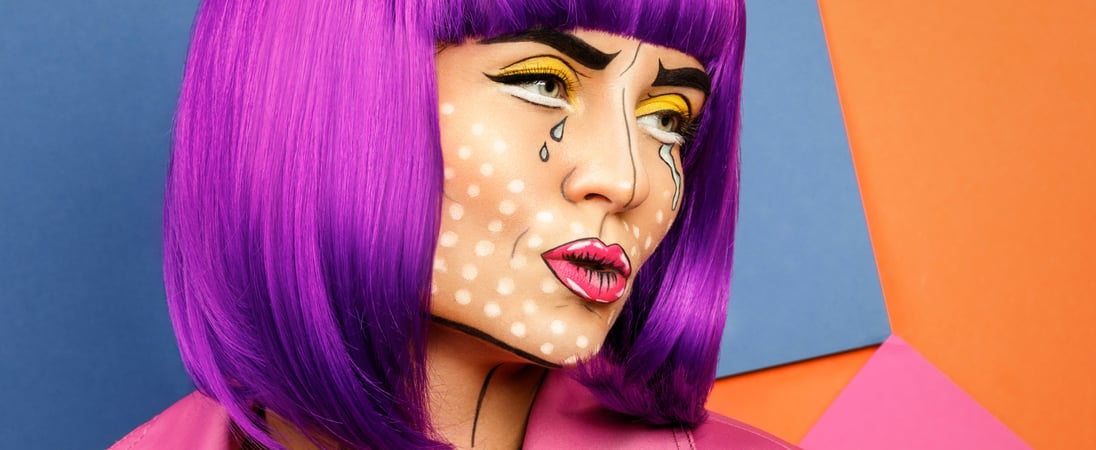
Pop Art Day bursts with energy, celebrating a style that turns everyday items into bold, colorful creations.
This art form pulls from comic books, ads, and pop culture, transforming soup cans and celebrities into eye-catching masterpieces.
With its bright colors and playful designs, Pop Art invites everyone to see the ordinary in extraordinary ways. It’s a day that encourages creativity and fun, reminding us that art can be both accessible and exciting.
This celebration highlights how Pop Art challenges traditional views of art by embracing the familiar and the mass-produced. It blurs the lines between high art and popular culture, making art more relatable to the public.
By focusing on common objects and themes, Pop Art reflects society’s interests and values, offering a mirror to our everyday lives.
Pop Art Day serves as a tribute to this innovative movement, encouraging us to appreciate the artistic potential in the world around us.
Pop Art Day Timeline
1956
Birth of British Pop Art
Richard Hamilton’s photo-montage “Just what is it that makes today’s homes so different, so appealing?” is often cited as one of the earliest works of British Pop Art, helping to define the movement’s ethos of blending popular culture with fine art.
1962
Warhol’s Campbell’s Soup Cans
Andy Warhol’s exhibition featuring “Campbell’s Soup Cans” debuts, marking a pivotal moment in Pop Art by showcasing everyday consumer products as fine art.
1963
Lichtenstein’s Whaam!
Roy Lichtenstein’s “Whaam!” is exhibited, utilizing comic strip imagery and onomatopoeic text to convey a sense of modern, mass-produced art. This piece becomes a defining work of Pop Art.
1964–65
Rosenquist’s Monumental F-111
James Rosenquist creates “F-111,” a multi-panel work that combines elements of advertising and political commentary, representing a landmark in the Pop Art movement.
1965
Pop Art’s Peak Influence in American Culture
Pop Art reaches its zenith in the United States, influencing a broad cultural landscape by challenging notions of fine art and embracing mass culture through artists like Andy Warhol and Roy Lichtenstein.
How to Celebrate Pop Art Day
Pop Art Day is all about bold colors, playful designs, and turning everyday items into eye-catching masterpieces.
Here are some fun and creative ways to celebrate this vibrant art movement:
Create Your Own Pop Art Masterpiece
Grab some markers, paints, or crayons and transform ordinary objects into colorful works of art. Think about items like soup cans, sunglasses, or sneakers.
Use bright colors and bold outlines to make them pop. This activity is perfect for artists of all ages and skill levels.
Host a Pop Art Party
Invite friends over for a pop art-themed gathering. Decorate your space with vibrant colors and comic book-style decorations.
Encourage guests to dress in pop art-inspired outfits. Set up a DIY photo booth with fun props for memorable snapshots.
Explore Pop Art Exhibitions
Visit local museums or galleries showcasing pop art collections. If there aren’t any nearby, take a virtual tour of renowned pop art exhibitions online.
Observing famous works can inspire your own creations and deepen your appreciation for the movement.
Incorporate Pop Art into Daily Life
Add a splash of pop art to your everyday items. Customize phone cases, tote bags, or clothing with bold designs and colors. This personal touch brings art into your daily routine and showcases your creativity.
Learn About Pop Art Artists
Take some time to research influential pop art figures like Andy Warhol and Roy Lichtenstein. Understanding their techniques and inspirations can provide valuable insights. Share your newfound knowledge with friends or through social media posts.
History of Pop Art Day
Pop Art Day began in 2004, started by American artist Bob Rizzo. He created it to celebrate the playful and bold nature of pop art.
This movement took everyday objects—like soup cans, comic strips, and advertisements—and turned them into colorful, eye-catching pieces.
Pop artists broke the rules of traditional art, choosing to focus on things people saw daily. Their work stood out with bright colors, thick outlines, and fun designs.
The day encourages people to see art in the world around them. It invites anyone, no matter their background, to get creative. You don’t need fancy tools or special training. Just pick something familiar and look at it in a new way. That’s the heart of pop art.
Bob Rizzo, the creator of the day, has a background in art education. He wanted to make art more fun and less serious.
His idea grew over time as more people joined in. Now, Pop Art Day gives people a reason to draw, paint, and create using bold ideas.
This special day brings the spirit of pop art into homes, schools, and communities. It turns simple things into something surprising. That’s what pop art has always done—and still does today.
Facts About Pop Art Day
British Pop Art Origins
Pop Art’s origins can be traced back to the early 1950s in Britain, where the Independent Group at the Institute of Contemporary Art in London, including figures like Richard Hamilton and Eduardo Paolozzi, began using images from popular culture to challenge traditional art notions.
The Influence of Marcel Duchamp
Marcel Duchamp’s early 20th-century ‘readymades’ heavily influenced Pop Art. His notion that everyday objects could be art reshaped how later artists, especially in Pop Art, perceived art’s boundaries.
Andy Warhol’s Factory
Andy Warhol’s studio, known as ‘The Factory,’ became a famous hub for creatives in the 1960s, producing iconic screenprints of celebrities like Marilyn Monroe, reflecting both Pop Art’s embrace of celebrity culture and Warhol’s impact on the movement.
Rise of American Pop Art
While Pop Art started in Britain, it gained greater prominence in the United States during the 1960s with artists like Roy Lichtenstein and Claes Oldenburg.
This period marked significant changes in how art and mass culture intersected.
Diverse Techniques in Pop Art
Pop Art employed diverse techniques, including collage, screen printing, and appropriation, drawing from commercial sources like advertising and comics to blur the line between “high” art and popular culture.
Pop Art Day FAQs
How did Pop Art influence modern visual culture?
Pop Art had a profound impact on modern visual culture by integrating elements from mass media and consumer goods into fine art, thereby challenging traditional art boundaries and influencing subsequent movements like graphic design and digital art.
By making art more accessible and merging high-culture and low-culture imagery, Pop Art paved the way for a democratization of art viewing and production, influencing advertising and branding aesthetics as well.
What are the key characteristics of Pop Art?
The key characteristics of Pop Art include the use of bright, bold colors and hard edges, incorporation of images from popular culture such as advertisements and comic books, and techniques of mechanical reproduction.
Pop Art is known for blurring the lines between ‘high’ art and ‘low’ culture, often featuring consumer goods and celebrities as subject matter.
How did Pop Art challenge traditional art?
Pop Art challenged traditional art by featuring common consumer goods and media icons in a way that questioned the hierarchy between fine art and popular imagery.
It used techniques like silk-screening and mass production to critique originality, often dismissing the elitist view of art and embracing the everyday and mundane.
Who are some of the most influential artists associated with Pop Art?
Some of the most influential artists associated with Pop Art include Andy Warhol, Roy Lichtenstein, and Richard Hamilton.
These artists became famous for their bold use of popular culture imagery, transforming everyday objects into iconic works of art.
In what ways did Pop Art use satire or irony?
Pop Art often used satire and irony to comment on postwar consumer culture and mass media.
By elevating everyday items and commercial images to the status of fine art, artists employed humor and critical wit to critique societal values and consumerism.
Also on ...
View all holidays
International LEGO Day
Construct creative builds with this beloved, versatile toy, enjoy the hilarious LEGO Movie or visit a LEGOLAND theme park with your family.

National Kazoo Day
Zany, buzzing musical instruments that let you join in the musical fun with their unmistakably goofy sound!

National Blueberry Pancake Day
Wake up to a breakfast that's bursting with juicy, fruity flavor! Fluffy circles of joy topped with a melty pad of butter and syrup.

Data Privacy Day
In an increasingly interconnected world, safeguarding our digital footprint becomes paramount. Cherishing personal information ensures trust, security, and peace of mind for all.
We think you may also like...

National Decorating Month
Get creative and crafty, and bring life back to your home by painting, arranging furniture, and otherwise decorating the space you spend so much time in.

International Artist Day
Explore a world of creativity and self-expression through vibrant visuals and imaginative forms that captivate the eye and inspire the soul.

National DIY Day
Learn a new skill and enjoy the self-satisfaction of “doing it yourself” on National DIY Day. Try knitting a scarf, building a chair, or cooking something new.
International Sailor Moon Day
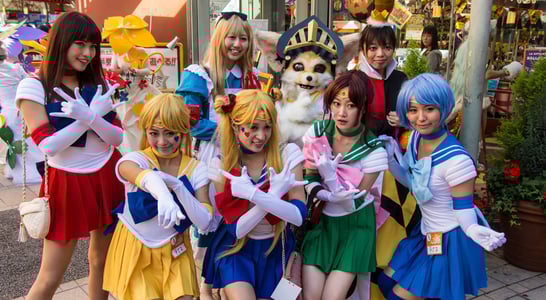
Start a re-watch or re-read of the immensely popular manga and anime series Sailor Moon, or take this opportunity to discover your newest media obsession.