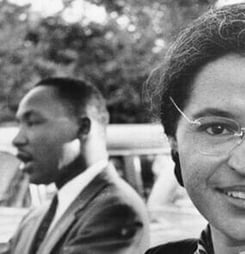

Religions and religious organizations have been responsible for a great deal of good being done in the world.
From the founding of worldwide charitable organizations to simply inspiring people to be kinder and humbler on a daily basis, as well as encouraging humans to be more sympathetic to the plight of their fellow man.
All throughout human history, religious individuals have banded together to form organizations that share in common beliefs, exercised through religious customs and customs. Unfortunately, some folks become overzealous in their desire for others to join their faith, leaving damaging consequences in their wake.
From the Roman persecution of Christians in ancient times to the infamous Spanish Inquisition to the witch hunts of Puritan America, to the Islamic Jihads still occurring today, it is easy to see how dangerous religions can be if left unchecked.
Religion and faith are very personal choices but, sometimes, people in power begin forcing their thoughts and beliefs on others.
This is why it is enormously important to make sure religious freedom is granted and protected to all. And this is why the Founding Fathers of the United States of America saw this to be such a vital issue in their time and for the future of their country.
Beyond just the United States, the freedom of religion has become foundational to the very core of many governments and nations all over the modern world.
History of National Religious Freedom Day
On January 16, 1786, soon after the United States of America came into existence as a sovereign nation, the Virginia General Assembly adopted Thomas Jefferson’s landmark Virginia Statute for Religious Freedom.
This statute then became the basis for what we know today as the First Amendment, which guarantees religious freedom to all people residing in the U.S.A.
In 1986, the Commonwealth of Virginia celebrated the 200th anniversary of the event by declaring Religious Freedom Day, which has been celebrated annually.
In addition, each year a statement is released on this same day by the president of the United States, officially proclaiming National Religious Freedom Day.
National Religious Freedom Day Timeline
Drafting of Virginia Statute for Religious Freedom
Thomas Jefferson drafted the Virginia Statute for Religious Freedom, establishing a foundational principle for religious liberty and separation of church and state, which set a precedent for future advocacy and legislation.
Enactment of Virginia Statute for Religious Freedom
The Virginia General Assembly officially enacted the Virginia Statute for Religious Freedom on January 16, 1786, marking a significant milestone in the history of religious liberty and influencing future legal standards.
Adoption of the First Amendment
The First Amendment to the United States Constitution was adopted, guaranteeing freedom of religion, speech, press, assembly, and petition.
The Virginia Statute for Religious Freedom significantly influenced its religious liberty clauses.
Universal Declaration of Human Rights
The United Nations General Assembly adopted the Universal Declaration of Human Rights, recognizing freedom of thought, conscience, and religion as fundamental human rights globally.
Second Vatican Council
The Roman Catholic Church’s Second Vatican Council issued “Dignitatis Humanae,” which emphasized the right to religious freedom and influenced global discourse on religious liberty.
How to Celebrate National Religious Freedom Day
Although admittedly not as common a theme for celebration as some other (possibly more light-hearted) days, National Religious Freedom Day is certainly worth adding to the calendar and giving some attention to!
Consider these ways to celebrate this notable day:
Get Educated on Religious Freedom
A good way to celebrate National Religious Freedom Day is to do some research about what life used to be like before religious freedom was protected and every person had the right to believe as he or she chose.
This type of research can be accomplished easily by reading literature and watching films that portray this era.
Take a look at these book and film suggestions for learning more about Religious Freedom and how important it is for society today:
The Name of the Rose is an excellent book, also made into a movie, which quite accurately depicts what life was like during the Inquisition, and how far the inquisitors were willing to go to find and punish people whom they suspected of sorcery.
The Witch of Blackbird Pondis a young adult novel that may also help a person understand what it was like to be the least bit different from the rest of the villagers in 17th century New England. This book portrays just how dangerous it was to avoid being part of a sanctioned church during this time.
Quo Vadis, on the other hand, from 1951, demonstrates how badly Christian people were persecuted during the reign of Emperor Nero in Ancient Rome.
The Diary of a Young Girl, written by Jewish teenager Anne Frank during the height of the Nazi persecution of Europe’s Jewish population is both interesting a heartbreaking when one thinks about all of the other innocent children like Anne who died horrible deaths for simply being of the wrong religion. This book was also turned into a film in 1959.
The works of Salman Rushdie might also prove to be a very insightful read, as the author himself received years of death threats after the release of his acclaimed novel “The Satanic Verses”, which was critical of Islam.
Host a Religious Freedom Gathering
It could also be an interesting idea to have several friends of different faiths get together for coffee and discuss how positively religious freedom (and the freedom to not practice any religion at all) impact individual lives and help to make them better (or more difficult).
Although it is a serious topic, the occasion doesn’t need to be somber!
It could be highly educational to have each person share a little bit about how they celebrate certain important days in their religion.
In order to help others learn more and open minds to other ideas, have participants bring special art pieces, religious icons, clothing, customs, or foods that may symbolize their faith.
Discuss Religious Freedom In a Book or Film Club
For an ongoing commitment to religious freedom, consider starting a book club that might include some of the above-mentioned titles, or other ones.
For those who are already part of a book club, consider adding some important titles related to religious freedom to the list of books to read.
Or, for movie buffs, gather some friends together to watch an important film about the topic and then have a discussion group afterward. Films such as:
- First Freedom: The Fight for Religious Liberty, a dramatization of how America’s founding fathers ended the tradition of religion-by-law in order to create a country in which belief in God was fully a matter of personal choice.
- Jinnah, the story of the founder of Pakistan who believed in religious freedom and peacefully fought for it.
- Constantine and the Cross, a dramatic version of the spread of tiny Christianity as it related to the Roman Empire.
- Arranged, a 2007 narrative about two women, one Muslim and one Jew, who forge a friendship as teachers in Brooklyn.
Speak Up and Get Involved
Depending on where a person lives, it might be beneficial to get involved in local politics that could influence the way religious freedoms are played out in the community.
Staying updated on the news surrounding religious freedoms, contacting a local representative, and getting connected within the community are great ways to make a difference locally or on a grander scale.
Religious freedom is a wonderful thing that should be fully appreciated and celebrated, not just on one day of the year but by applying the spirit of National Religious Freedom Day to every day, all year round.
It’s a great way to remember to get educated on how to respect others who may think differently and to treat all people well, no matter what they believe or what religious customs they observe.
Facts About National Religious Freedom Day
The Global Influence of the Virginia Statute
The Virginia Statute for Religious Freedom, enacted in 1786, has had a lasting global impact. Drafted by Thomas Jefferson, this statute not only influenced the U.S. Constitution but also inspired international human rights documents, promoting the idea of separation between church and state worldwide.
Madison’s Integral Role in Constitutional Protections
James Madison played a critical role in integrating the principles of religious freedom into the U.S. Constitution.
His advocacy influenced the development of the First Amendment, ensuring the right to freedom of religion was enshrined as a fundamental liberty, shielding citizens from government-imposed religion.
International Recognition of Religious Freedom as a Human Right
American principles of religious freedom have been instrumental in shaping international human rights standards. These concepts have been incorporated into the Universal Declaration of Human Rights and have become a cornerstone for nations working to ensure freedom of religious practice worldwide.
Thomas Jefferson’s Lasting Legacy
Thomas Jefferson’s authorship of the Virginia Statute for Religious Freedom not only laid the groundwork for American constitutional ideals but also cemented his legacy as a pivotal figure advocating for the separation of church and state, influencing thinkers and policymakers globally.
Contemporary Challenges in Religious Freedom
Today, the principles established in foundational U.S. documents continue to face challenges, including balancing religious expression with other civil rights.
This highlights the ongoing need to navigate complex legal and social landscapes to maintain and protect religious liberties in a diverse society.