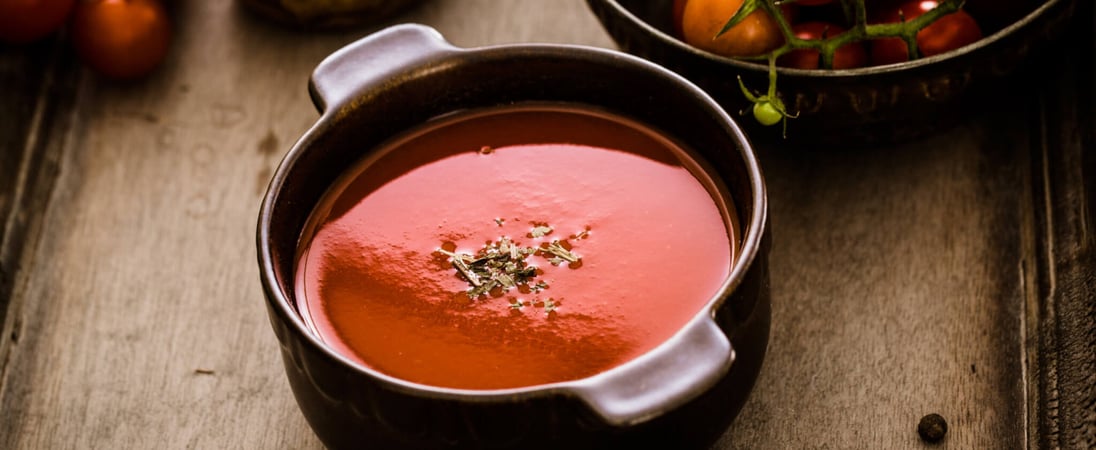
Soup Swap Day
There's nothing better than a warm bowl of homemade soup on a chilly day! Swap your soup with friends for a fun way to mix up your meals.
Baby, it’s cold outside—but inside, it’s cozy, comforting, and filled with the irresistible aroma of simmering soup. That’s exactly the feeling Soup Swap Day is all about. As the weather cools and we crave warmth from the inside out, this deliciously social day invites us to gather our stockpots, dust off our favorite recipes, and share the simple joy of homemade soup.
Soup Swap Day celebrates one of the most universal comfort foods on the planet. Across cultures and generations, soup has always meant nourishment, care, and connection. Whether it’s a rich, slow-cooked stew, a light vegetable broth, or a creamy classic passed down through family traditions, soup has a way of bringing people together—one warm bowl at a time.
How to Celebrate Soup Swap Day
Soup Swap Day is all about warmth, sharing, and connection. You can celebrate it in a simple, cozy way or turn it into a bigger social event—the choice is yours. If you’re looking for inspiration, here are a few easy and enjoyable ways to mark the occasion.
Host a Soup Swap
Have fun learning how to make a new and different kind of soup in honor of Soup Swap Day. Perhaps this means finding a copycat recipe online for a favorite restaurant soup, such as Olive Garden’s Zuppa Toscana, or O’Charley’s famous Loaded Potato Soup. Or maybe this is the time to try an old favorite recipe passed down from grandma, or a new one given recently by a friend.
Soup Swap Day is a great time to try new things and have some culinary adventures when it comes to soup.ct way to celebrate Soup Swap Day is to plan ahead and arrange for a soup swap.
The simplest way to get started on a small scale is to include just one friend in the invitation and agree ahead of time which soups each person will make. But for something on a larger scale, it’s certainly possible to include several friends or family members so that each household gets several different soups to try.
Try a New Soup Recipe
Soup Swap Day is also the perfect excuse to step outside your usual cooking routine. Try a recipe you’ve always wanted to make, whether it’s a classic with a twist or a soup inspired by a different culture. This could mean elevating a familiar tomato soup, exploring a fragrant Asian broth, or cooking a hearty stew you’ve never attempted before.
Getting family members involved can turn the experience into something even more special. Children can help wash vegetables, stir the pot, or learn where certain ingredients come from. Along the way, soup-making becomes a shared activity that teaches creativity, patience, and appreciation for global food traditions.
Host a Virtual or Community-Based Event
If meeting in person isn’t possible, Soup Swap Day can still be shared from a distance. Virtual soup swaps are a great alternative—participants can exchange recipes online, cook at home, and meet over a video call to talk about their creations. Another thoughtful option is to deliver soup to friends, family members, or neighbors as a surprise gesture of care.
On a larger scale, community groups or local organizations can use Soup Swap Day as an opportunity to bring people together through food drives, soup tastings, or charitable cooking events. Sharing soup in these settings highlights the heart of the day: generosity, inclusion, and warmth.
Whether celebrated in a bustling kitchen, across screens, or within the wider community, Soup Swap Day is a reminder that something as simple as soup can bring people closer—one shared bowl at a time.
Soup Swap Day Timeline
20,000 BC
Early Evidence of Soup Consumption
Archaeological discoveries suggest that early humans in China created heat-resistant bowls as far back as 20,000 BC, likely to cook and consume liquid-based foods such as soup. This points to soup being one of humanity’s earliest prepared meals, valued for nourishment and efficiency.[1]
c. 1750 BCE
The Oldest Known Soup Recipe
One of the earliest written recipes in history comes from ancient Babylon. Recorded on cuneiform tablets, it describes a pigeon-based stew, demonstrating the sophistication of early cooking techniques and the cultural importance of soup-like dishes.[2]
Middle Ages
Soup Becomes a European Staple
During the medieval period, soup played a central role in European diets. Thick broths made from grains, vegetables, and meat were commonly eaten with bread, while the widespread use of spoons helped shape soup consumption as a daily ritual.[3]
1897
The Invention of Condensed Soup
Chemist John T. Dorrance revolutionized soup consumption by inventing condensed soup for the Campbell Soup Company. By removing water, soup became cheaper to transport and store, making it accessible to households across the world.[4]
Late 20th Century
Revival of Communal Eating Traditions
As lifestyles became increasingly fast-paced, the late 20th century saw a renewed interest in communal meals such as potlucks, community kitchens, and shared cooking events. Soup, with its affordability and ease of preparation, became a natural centerpiece for these gatherings.[5]
1990s
The Emergence of Soup Swaps
Soup swapping gained popularity in the United States as an organized social activity, encouraging people to cook in bulk and exchange homemade soups. This modern tradition combined convenience with community, laying the groundwork for Soup Swap Day celebrations.[6]
History of Soup Swap Day
Soups have been an integral part of human culture for thousands of years. From ancient civilizations tending bubbling pots over open flames to modern kitchens filled with the comforting aroma of simmering broth, soup has always been more than just food. It is nourishment, care, and community in a bowl. Simple, adaptable, and endlessly creative, soup naturally lends itself to sharing—making it one of the earliest forms of communal dining.
Long before written recipes existed, soup brought people together. Families gathered around a single pot, villages shared what they had, and travelers were offered warmth and sustenance through a ladle of broth. Across history, sharing soup helped strengthen bonds, build trust, and reinforce the idea that food is meant to be enjoyed together.
Soup swapping is a modern expression of this ancient tradition. The idea is beautifully simple: cook a large batch of soup, divide it into portions, and exchange them with friends, neighbors, or coworkers. In return, everyone enjoys a variety of homemade soups—each with its own flavor, story, and personal touch. What begins as a practical way to share meals quickly becomes a social ritual rooted in generosity and connection.
The official observance of Soup Swap Day is often credited to Knox Gardener, who popularized the concept in the 1990s. Yet the spirit behind the day is far older. It echoes timeless stories like “stone soup,” where a shared effort creates abundance, and reflects centuries of communal cooking traditions found in cultures around the world.
Globally, soup has always played a central social role. In many parts of Asia, communal hot pots invite people to gather around a simmering broth, adding ingredients while sharing conversation. In Latin America, celebratory stews like pozole are prepared for festivals and family gatherings. European classics such as Italian minestre or French bouillabaisse are deeply tied to regional identity and shared meals passed down through generations.
Soup Swap Day isn’t about a single recipe or culinary rule—it’s about reviving this shared human experience. By exchanging soups, people rediscover the joy of home cooking, reduce food waste, explore new flavors, and strengthen social ties. At its heart, Soup Swap Day celebrates an age-old truth: when food is shared, communities grow warmer, stronger, and more connected—one bowl at a time.
Facts about Soup Swap Day
A Celebration of Sharing, Warmth, and Community
Soup Swap Day is a cozy celebration built around one of the world’s oldest comfort foods. More than just a meal, soup has long symbolized care, generosity, and togetherness.
From communal pots shared by entire villages to modern soup swaps between friends and neighbors, this day highlights how a simple bowl of soup can create connection, spark conversation, and bring warmth to both body and spirit.
Whether exchanging homemade recipes or enjoying new flavors made with love, Soup Swap Day reminds us that sharing food is one of the easiest—and most meaningful—ways to share kindness.
-
Communal Tradition of Soup
Throughout history, soup has been closely linked to communal eating. In medieval Europe, large cauldrons of broth were often prepared for entire households or villages, reinforcing soup’s role as a shared, nourishing meal that brought people together during daily life and times of scarcity.
-
Miso Soup as a Cultural Constant in Japan
Miso soup is a daily staple in Japanese cuisine and holds cultural significance beyond simple nourishment. Valued for its umami depth and seasonal ingredients, it is commonly served with breakfast and appears in traditional ceremonies, reflecting balance, mindfulness, and respect for nature.
-
Soup Kitchens and Community Support
Soup kitchens became widespread during the Great Depression, offering free or low-cost meals to those facing unemployment and hunger. These communal spaces provided not only food but also dignity and social support, establishing soup as a symbol of care during economic hardship.
-
Minestrone’s Seasonal Flexibility
Minestrone originated in Italy as a practical, adaptable soup made from whatever vegetables were in season. Its ingredients traditionally varied by region and availability, making it a reflection of local abundance rather than a fixed recipe.
-
Borscht as a Cultural Heritage Dish
Borscht is a deeply rooted soup across Eastern Europe, particularly associated with Ukrainian and Russian cuisines. Typically made with beets, it represents regional agricultural traditions and is often served during family gatherings and festive meals.
Soup Swap Day FAQs
What is the historical significance of soup in global cuisine?
Soup has been a foundational element of human diets for thousands of years due to its adaptability, affordability, and nutritional value. In ancient and medieval societies, soups were designed to make efficient use of available plant and animal ingredients, often stretching limited resources while providing essential nourishment. This practicality helped establish soup as a staple across cultures worldwide.[1]
Can soup have therapeutic uses in different cultures?
Yes, many cultures have traditionally used soups for their perceived health and therapeutic benefits. In Chinese food therapy, herbal soups containing ingredients such as ginseng or astragalus are believed to support immunity and energy levels. Other traditions, including Hakka cuisine, integrate medicinal herbs into soups as part of everyday health maintenance and recovery practices.[2][3]
How does soup support immune function?
Soup supports immune health primarily by providing hydration, warmth, and easily digestible nutrients. Chicken soup, in particular, has been studied for its mild anti-inflammatory effects and its ability to ease symptoms associated with upper respiratory infections. These benefits align with its long-standing use as a recovery food during illness.[4][5]
Why is soup considered a comfort food?
Soup is commonly associated with comfort due to its warmth, soothing texture, and emotional connections to home cooking and family care. Its ease of digestion and association with nourishment during illness or cold weather further reinforce its role as a comforting, emotionally supportive food across cultures.[6]
What are traditional methods of preparing soup for health benefits?
Traditional soup preparation for health purposes often involves slow cooking, bone broths, and the inclusion of herbs known for digestive or restorative properties. In many East Asian traditions, soups are prepared according to seasonal and bodily needs, aligning food choices with holistic health philosophies and folk medicine practices.[7]
Also on ...
View all holidays

National Kid Inventors’ Day
These young minds are like mini scientists, creating ingenious solutions to everyday problems with their boundless curiosity and creativity.

Benjamin Franklin Day
A polymath with many talents, from inventing to writing, Franklin's contribution to American history will never be forgotten.

We think you may also like...
National Soup Month
On a chilly day, a warm, savory hug in a bowl, with flavors that dance like an old friend at a cozy gathering.
National Clam Chowder Day
It's like a warm, creamy ocean hug for the taste buds, rich with the essence of the briny deep, bringing comfort in every spoonful.

Soup It Forward Day
Providing warm meals fosters compassion, supports vulnerable populations, and strengthens community bonds through acts of kindness.