
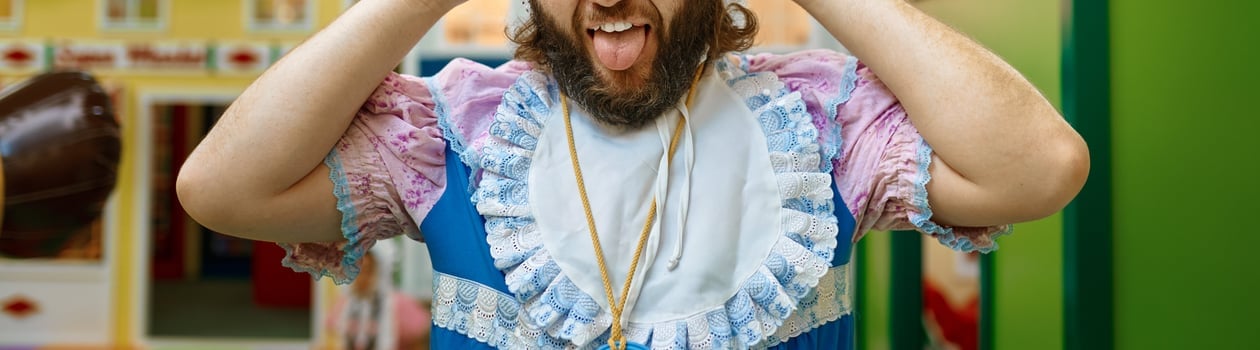
St. Stupid Day is a whimsical celebration held annually in San Francisco. The day bursts with absurdity as people don outlandish costumes and parade through the city.
It’s a lively event filled with music, confetti, and playful antics. Participants toss pennies, carry silly signs, and embrace the spirit of fun.
The parade, known for its humorous take on society, captures the imagination and brings a splash of joy to everyone involved.
St. Stupid Day Timeline
Medieval Feast of Fools and Lord of Misrule
Across parts of Europe, church and civic festivals such as the Feast of Fools and the Lord of Misrule briefly inverted social order, putting “fools” in charge and mocking authority and solemnity.
Court Jesters and Licensed Fools
Royal and noble courts in Europe employ jesters whose job is to act the fool, tell jokes, and use humor and apparent stupidity to criticize rulers more safely than others could.
Rise of April Fools’ Day Traditions
Various European cultures develop customs of playing pranks and spreading hoaxes around the start of April, creating a yearly outlet for socially accepted foolishness and trickery.
Modern Circus Clowns Take Shape
Circus and theatrical performers refine the whiteface and auguste clown types, turning comic incompetence, pratfalls, and buffoonery into a popular, professional art of celebrated “stupidity.”
Dadaists Embrace Absurdity and Nonsense
Artists in Zurich and later Berlin and Paris stage deliberately nonsensical, chaotic performances that ridicule war, bourgeois values, and rationality itself, helping define modern absurdist art.
San Francisco Mime Troupe Brings Political Satire to the Streets
The San Francisco Mime Troupe is founded and soon becomes known for free outdoor performances that mix clowning, slapstick, and sharp political critique in public spaces.
Parody Religions Turn Satire into “Faith”
Groups such as the Church of the SubGenius help popularize parody religions that humorously imitate religious structures to mock dogma, authority, and modern life’s perceived stupidity.
How to Celebrate St. Stupid Day
The following suggestions ensure a day full of laughter, creativity, and playful moments, embodying the essence of St. Stupid Day. Each activity brings out the joy and silliness that makes this day special.
Dress Up in the Silliest Costume
Get into the spirit of St. Stupid Day by donning the wackiest outfit imaginable. Think of mismatched colors, oversized hats, and ridiculous accessories.
Raid the closet for the most outlandish combinations. Make everyone smile with your quirky fashion sense. Bonus points for creating a costume from household items.
Organize a Prank Contest
Host a friendly prank contest among friends or family. Keep the jokes lighthearted and fun. Set up a scoreboard and see who can come up with the funniest pranks.
Remember to laugh off any surprises and enjoy the silliness. Everyone can be a prankster for a day.
Create a Silly Parade
Form a mini-parade in your neighborhood. Gather a group, make some banners, and march around playing music.
Wave at neighbors, toss confetti and spread joy. Let the whole street know it’s time for fun and foolishness. A simple walk becomes an adventure.
Host a Crazy Talent Show
Invite friends to showcase their silliest talents. Think weird dances, funny songs, or goofy tricks. Set up a small stage and cheer for every performance.
The more bizarre, the better. It’s a great way to laugh together and appreciate everyone’s unique quirks.
Enjoy Weird Snacks
Prepare a table of unusual snacks and encourage everyone to try something new. Mix strange food combinations and see who dares to taste them.
Share the reactions and discover unexpected favorites. This adds a fun twist to the celebration.
About St. Stupid Day
St. Stupid Day exists to mock the seriousness of daily life. It highlights the bond of shared silliness, uniting people through laughter and playful acts. The day encourages letting loose and enjoying moments without judgment. It promotes humor and creativity, allowing individuals to express their goofy side freely.
This celebration of lightheartedness and fun serves as a reminder to find joy in the unexpected.
History of St. Stupid Day
St. Stupid Day was founded in 1979 by Ed Holmes, also known as Bishop Joey, from the First Church of the Last Laugh. This event celebrates absurdity and folly, uniting people through humor. The first parade took place in San Francisco, capturing the spirit of foolishness and light-hearted fun.
Holmes, a member of the San Francisco Mime Troupe, aimed to poke fun at societal norms and capitalism.
The event quickly grew into an annual tradition. Each year, participants dress in colorful costumes and engage in playful pranks and activities.
The parade includes humorous signs, confetti, and music, creating a festive atmosphere. This unique celebration encourages people to embrace their inner silliness and take a break from the seriousness of daily life.
St. Stupid Day remains a beloved event in San Francisco, attracting people of all ages. The parade’s playful nature and joyous spirit continue to bring smiles and laughter to everyone involved. It’s a day dedicated to fun, creativity, and the celebration of shared stupidity.
Facts About St. Stupid Day
Fools and Festivals Go Back at Least a Millennium
Long before modern parody parades, European towns held “Feast of Fools” celebrations where lower clergy and commoners mocked church rituals, dressed in burlesque vestments, and briefly inverted social order.
These rowdy events were popular from about the 12th to the 16th century before church authorities and civic leaders clamped down, worried that too much licensed foolishness threatened respect for institutions.
Why Humans Enjoy Being Silly Together
Psychologists who study humor note that shared silliness can strengthen social bonds because it signals safety and belonging.
Benign violation theory, for instance, suggests that jokes and absurd behavior are funny when they “violate” norms in a way that still feels harmless, which helps people navigate tension, status, and anxiety through laughter rather than conflict.
Carnival and the Power of Inverted Roles
Anthropologists have long pointed to Carnival in places like Brazil and the Caribbean as a classic moment when people deliberately act “foolish” in public.
Costumes, masks, and parody allow temporary reversals of class, gender, and political roles, which can both relieve social pressures and subtly criticize those in power without open revolt.
San Francisco’s Deep Roots in Satirical Street Theater
San Francisco has a long tradition of mixing politics with absurd performance in public spaces.
The San Francisco Mime Troupe, founded in 1959, became known for free park shows that used clowning, slapstick, and commedia dell’arte techniques to lampoon capitalism, war, and racism, helping establish the city’s culture of radical, clownish protest.
Why People Dress in Outlandish Costumes
Costume researchers note that wearing exaggerated or ridiculous outfits can temporarily loosen people’s sense of self-consciousness.
By masking or transforming their everyday identity, individuals often feel freer to act playful, foolish, or outspoken, which is why costumes are central not only to Halloween and Mardi Gras but also to political protests and satirical marches.
Clowns and Political Protest
Twentieth‑century “political clowning” turned foolishness into a deliberate tactic at demonstrations.
Groups such as the Clandestine Insurgent Rebel Clown Army in the United Kingdom used slapstick, silly uniforms, and nonsense drills at protests to confuse authorities, undermine the seriousness of riot police, and make it harder to respond with violence to a crowd that looks ridiculous rather than threatening.
Satire as a Safety Valve for Democracies
Scholars of media and politics argue that satire and mockery of leaders act as a “safety valve” in democratic societies.
By allowing citizens to call powerful people foolish or inept in humorous ways, cultures can express discontent, question authority, and expose hypocrisy while staying short of outright rebellion.
St. Stupid Day FAQs
Is there any psychological benefit to acting silly on purpose as an adult?
Research in positive psychology suggests that playful, “silly” behavior in adults can reduce stress, increase positive emotions, and strengthen social bonds.
Humor and play are linked with lower cortisol levels, better coping with difficult events, and greater life satisfaction, especially when the humor is inclusive and not aggressive or mocking.
How is a “fool” or jester different from simply being foolish?
Historically, court jesters and licensed “fools” in Europe were professionals who used wit, satire, and physical comedy to entertain and to speak uncomfortable truths to power.
Unlike someone who is merely careless or unwise, a jester’s “foolishness” was intentional and often highly skilled, relying on social insight, improvisation, and performance rather than genuine ignorance.
Are festivals of folly and role‑reversal unique to modern Western culture?
They are not. Many cultures have traditions where normal rules are relaxed and playful misrule is allowed, such as Carnival in Europe and Latin America, Saturnalia in ancient Rome, and certain Holi celebrations in India.
Anthropologists see these “licensed chaos” periods as a way for societies to release tension, question hierarchies, and reinforce group identity precisely by temporarily turning things upside down.
What makes a prank or joke cross the line from playful to harmful?
Ethicists and safety experts generally agree that a prank stops being playful once it risks physical injury, causes property damage, targets someone’s identity or vulnerabilities, or creates significant fear or humiliation.
Guidance for responsible pranking stresses consent where possible, avoiding dangerous settings like roads or stairs, and choosing jokes that leave everyone, including the target, able to laugh afterward.
How can people plan group silliness or prank games that are inclusive of neurodivergent or anxious friends?
Inclusive prank guidelines recommend asking about boundaries in advance, avoiding sensory overload (such as sudden loud noises or unexpected touch), and steering clear of deception that could trigger anxiety or past trauma.
Clear “opt‑out” options, gentle visual jokes, or obviously exaggerated gags make it easier for neurodivergent or anxious participants to enjoy the fun without feeling trapped or targeted.
Why do some people find satirical or “stupid” public parades politically powerful rather than just silly?
Public displays that exaggerate foolishness, mock official rituals, or parody business and politics fit into a long tradition of carnivalesque protest.
Scholars of social movements note that humor can subvert authority, make complex critiques more accessible, and lower the risks of direct confrontation by wrapping criticism in laughter, costumes, and absurd theater.
Can regularly “laughing at yourself” actually improve resilience?
Self‑deprecating humor, used in moderation, has been associated with better resilience and social connection because it reduces defensiveness and shows psychological flexibility.
Studies of humor styles suggest that people who can gently laugh at their own mistakes, without harsh self‑attacks, often cope better with setbacks and are perceived as more approachable and trustworthy by others.


You may also like

April Fools’ Day
It's prank or get pranked—April Fool's Day is here! Get ready for a day full of fun and laughter. Don't be fooled, and don't forget to play a lighthearted joke or two on your friends and loved ones.
Stupid Toy Day
From whoopee cushions to rubber chickens, these silly toys can lighten up any mood and make even the grumpiest person smile.
- Australia
- Canada
- United Kingdom
- and 1 more

Ask a Stupid Question Day
Curiosity doesn't kill the cat. In fact, it's a sign of courage, intelligence, and growth. Embrace the unknown and ask away!

Fossil Fools Day
Fossil Fools Day is an annual event that calls attention to the environmental damage caused by our reliance on fossil fuels. It's a day full of creativity and activism, where people gather to highlight the impact of burning coal, oil, and gas. These activities often use humor and imaginative protests to...
- Australia
- Canada
- South Africa
- and 2 more
National days and holidays on April 1 2027

March Madness
Get your game face on for March Madness! This high-energy tournament is a slam dunk of excitement, passion, and heart-pumping action. So grab your team colors, gear up for the showdown, and let the madness begin!

Fun Day
Carve out some time for yourself to laugh, play, and unwind from the high-speed stress of everyday life by doing something that brings you joy and happiness.
- Canada
- International
- United Kingdom
- and 1 more

Boomer Bonus Day
Boomer Bonus Day is a special occasion that celebrates the contributions of the Baby Boomer generation, which includes people born between 1946 and 1964. This day highlights the lasting impact Boomers have had on society and the economy. Many businesses use this opportunity to offer discounts or special deals to Boomers...

National Trombone Players Day
Something about the trombone catches the ear: bold, brassy, and full of personality. National Trombone Players Day highlights the musicians behind that powerful sound, the ones who make a long brass tube and a moving slide feel as expressive as a human voice. These players do not just perform; they shape...
Seize Every Day
Join free for personalised recommendations, email reminders and exclusive guides. Never miss a day.